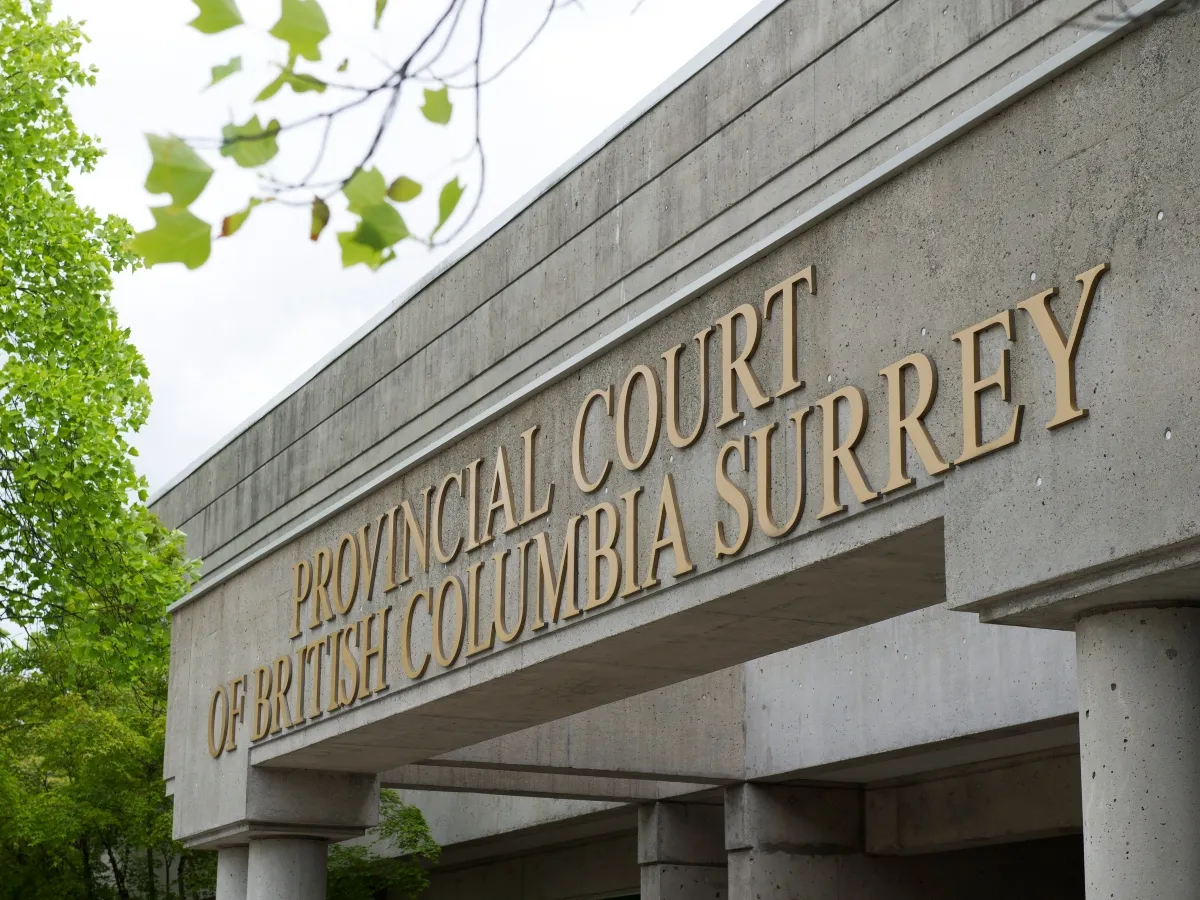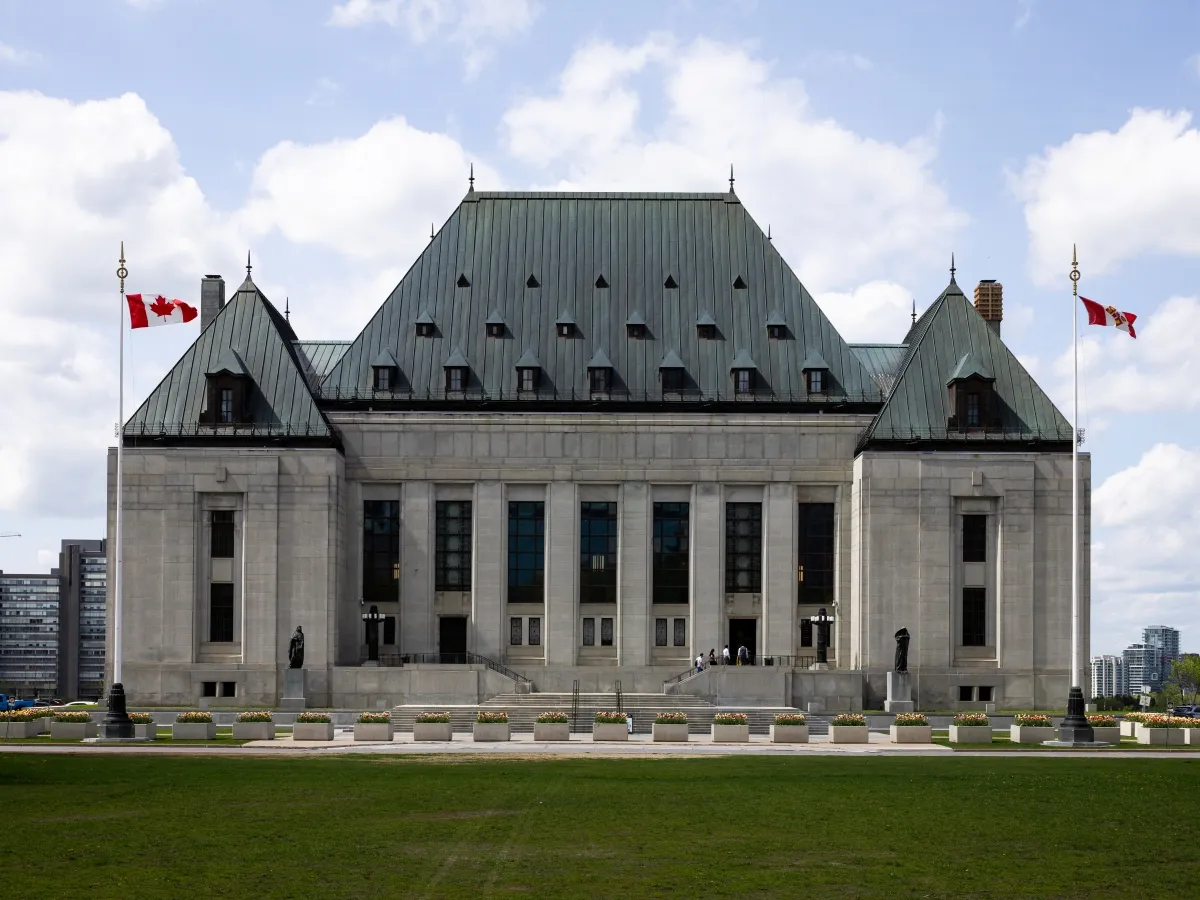
Skip to Content Subscribe Our Offers My Account Manage My Subscriptions FAQ Newsletters Canada Canadian True Crime Canadian Politics Health World Israel & Middle East Financial Post NP Comment Longreads Puzzmo Diversions Comics NP News Quiz New York Times Crossword Horoscopes Life Eating & Drinking Style Sponsored Play for Ontario Travel Travel Canada Travel USA Travel International Cruises Travel Essentials Culture Books Celebrity Movies Music Theatre Television Business Essentials Advice Lives Told Tails Told Shopping Buy Canadian Home Living Outdoor Living Kitchen & Dining Tech Style & Beauty Personal Care Entertainment & Hobbies Gift Guide Travel Guide Amazon Prime Day Deals Savings National Post Store More Sports Hockey Baseball Basketball Football Soccer Golf Tennis Driving Vehicle Research Reviews News Gear Guide Obituaries Place an Obituary Place an In Memoriam Classifieds Place an Ad Celebrations Working Business Ads Archives Healthing Epaper Manage Print Subscription Profile Settings My Subscriptions Saved Articles My Offers Newsletters Customer Service FAQ Newsletters Canada World Financial Post NP Comment Longreads Puzzmo Diversions Life Shopping Epaper Manage Print Subscription HomeNP CommentJamie Sarkonak: Why this sex offender won't have to go on the national registryIt was mandatory for sexual offenders to be entered into the national database ... until the Supreme Court intervenedLast updated 19 minutes ago You can save this article by registering for free here. Or sign-in if you have an account.Supreme Court of Canada photographed in Ottawa on Tuesday, May 19, 2026. Photo by HYUNGCHEOL PARK/PostmediaA temporary resident named Karandeep Singh was convicted of sexual assault in Prince George, B.C., last month, but — after the judge heard that Singh faced potential deportation — he was exempt from the national sex offender registry.Enjoy the latest local, national and international news.Exclusive articles by Conrad Black, Barbara Kay and others. Plus, special edition NP Platformed and First Reading newsletters and virtual events.Unlimited online access to National Post.National Post ePaper, an electronic replica of the print edition to view on any device, share and comment on.Daily puzzles including the New York Times Crossword.Support local journalism.Enjoy the latest local, national and international news.Exclusive articles by Conrad Black, Barbara Kay and others. Plus, special edition NP Platformed and First Reading newsletters and virtual events.Unlimited online access to National Post.National Post ePaper, an electronic replica of the print edition to view on any device, share and comment on.Daily puzzles including the New York Times Crossword.Support local journalism.Create an account or sign in to continue with your reading experience.Access articles from across Canada with one account.Share your thoughts and join the conversation in the comments.Enjoy additional articles per month.Get email updates from your favourite authors.Create an account or sign in to continue with your reading experience.Access articles from across Canada with one accountShare your thoughts and join the conversation in the commentsEnjoy additional articles per monthGet email updates from your favourite authorsSign In or Create an AccountorThere was a time when this would have been impossible, as the written law requires all sexual assault convicts to be placed on the registry. In 2022, however, the Supreme Court of Canada ruled this to be unconstitutional and downgraded the registration of sex offenders from mandatory to optional. Whether to put someone on the list was left up to individual judges, who were much more merciful than Parliament.The Supreme Court reasoned back then that the onerous responsibilities that come with being on the sex offender registry weren’t appropriate or necessary for every single sex offender, and therefore a blanket requirement to register was a state infringement on the Charter right to liberty.The National Post newsletter that doesn’t hold back, giving readers the unvarnished truth on media, politics and culture.By signing up, you consent to receive the above newsletter from Postmedia Network Inc.A welcome email is on its way. If you don't see it, please check your junk folder.The next issue of Right? will soon be in your inbox.We encountered an issue signing you up. Please try againThere is indeed a burden that comes with being a registered sex offender. They have to report employment and residence addresses to police, as well as keep police apprised of any travel that would take them away from home for a week or more. They’re also subject to random police checks, and if they’re caught not abiding by the rules, they can face up to two years in jail. And while the registry isn’t public, and isn’t even accessible by most police in most situations, it does still have privacy implications.It’s understandable that this could be viewed as too harsh as things currently stand. The spectrum of “sexual assault” ranges from regretted drunken mistake taken seriously by a zealous prosecutor, to over-clothes groping, to violently snatching a woman off the sidewalk, pulling her into the bushes and raping her.Rapists and sexual predators belong in the sex offender registry. But there should be hesitation to loop them in with people who commit scandalous sexual impropriety that feels like it falls short of criminal. It would have seemed unfair, for example, to place the four Canadian junior hockey players acquitted of sexual assault charges last year on the registry if they had lost their case, seeing how the complainant demanded they have sex with her (only two of the men did so, with consent).More recently, in Alberta, a cult leader’s several sexual assault charges were stayed due to prosecutorial tampering with evidence. He was alleged to have manipulated followers into having ritual sex with him. It’s wrong, scummy, gross, odious — but illegal? If women can’t consent to sex with problematic leadership figures, well, we’re not exactly treating them like independent adults anymore, are we?But the case that the Supreme Court used to end the mandatory registration of sex offenders on a national list was a lot less grey. The man challenging his placement on the list was Eugene Ndhlovu, guilty of sexually assaulting two women at a house party in 2015. The Alberta Court of Appeal’s summary of events states that he “touched both women’s buttocks and tried to grab their breasts while posing for a picture”; then, he rubbed the rear of one without her consent, and later on, the other “awoke to find the respondent’s fingers inside her vagina.”Also not so grey was the case of Singh up in Prince George, who wound up in a basement suite with a woman he’d met through her cousin weeks before. Bob Mackin of the Prince George Citizen reported that the woman was brought into a bedroom by another man while Singh stood at the door and became aroused. “Once his friend left the bedroom, Singh entered and immediately took off his pants and underpants before forcing her into sex acts,” Mackin wrote.The woman later complained to police, and Singh was charged shortly after. He admitted that he didn’t ask her for consent and said he “made a mistake.”Justice Kevin Loo opted not to put Singh on the registry, illustrating just why sex offender registration was made mandatory in the first place. When the database was created back in 2005, it was left to a judge’s discretion whether to list a particular sex offender. By 2008, Maclean’s was reporting that “barely half of all convicted sex offenders have been ordered to sign up.”Among those exempt was one man caught with a “large quantity” of child pornography on his computer; he was kept out of the database because he had “not yet committed an offence of a sexual nature against anyone,” per the Ontario Court of Justice.Another one who didn’t make the database was a Calgary man who groped a jogger’s buttocks after she jogged past him on a trail (she additionally claimed he tried to drag her to the ground, which he denied). When cyclists came to the woman’s defence, the man pulled a knife on them. Placing the man on the sex offender registry would be “too onerous given the facts as admitted,” wrote the judge.Also absent from the registry was a man who, at age 54, brought a 15-year-old he’d befriended into a field at night and tried to have sex with her.It seemed that judicial discretion couldn’t be trusted. So, in 2011, the Harper government took it out of the equation altogether by mandating that all sex offenders be added to the national registry. Now that the Supreme Court has undone that rule, we’re already reverting back to the old, familiar pattern of leniency over public safety.National Post Join the Conversation This website uses cookies to personalize your content (including ads), and allows us to analyze our traffic. Read more about cookies here. By continuing to use our site, you agree to our Terms of Use and Privacy Policy.
Jamie Sarkonak: Why this sex offender won't have to go on the national registry
It was mandatory for sexual offenders to be entered into the national database ... until the Supreme Court intervened
1,440 words~7 min read