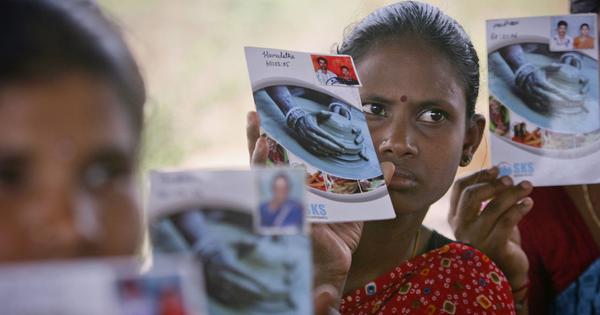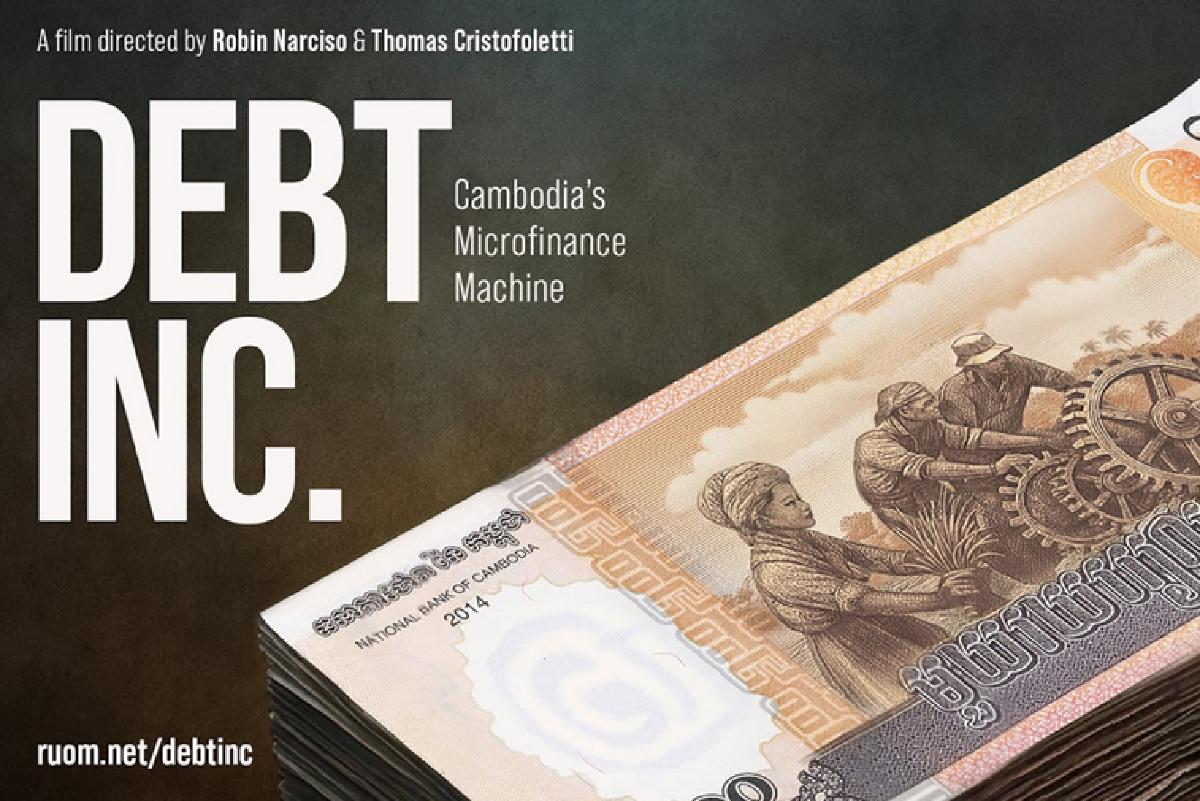
It is hard to think of a philanthropic trend that had more widespread support than “microfinance.” The idea, launched in 1976 by economist Muhammad Yunus, offered small loans to impoverished women in Bangladesh to start small businesses that were expected to generate income to repay the loans, plus below-market rates of interest.Over the course of the next half-century, hundreds of billions were expended on microloans across the globe — even in the United States. As a strategy that combined free-market impulses, women’s empowerment, and compassion for those living in extreme poverty, microloans had broad appeal. They won praise and encouragement from political leaders such as former Secretary of State Hillary Clinton, former President Barack Obama, and many others. The idea even won a Nobel Peace Prize for Yunus and the Grameen Bank in 2006.But, as a front-page story in the Wall Street Journal recently noted, the system of microfinance did not fulfill its original promise and, indeed, has left many people worse off than before. “Academic studies, including randomized controlled trials, have found that microfinance doesn’t improve the economic conditions of most borrowers.” Moreover, “economists found excessive microfinance lending has set off repayment crises for borrowers in half a dozen countries, including Bosnia, India and Cambodia.”
Microfinance failures
Independent studies published in the American Economic Journal found that microloans did not improve the economic situation of their recipients.
1,196 words~5 min read