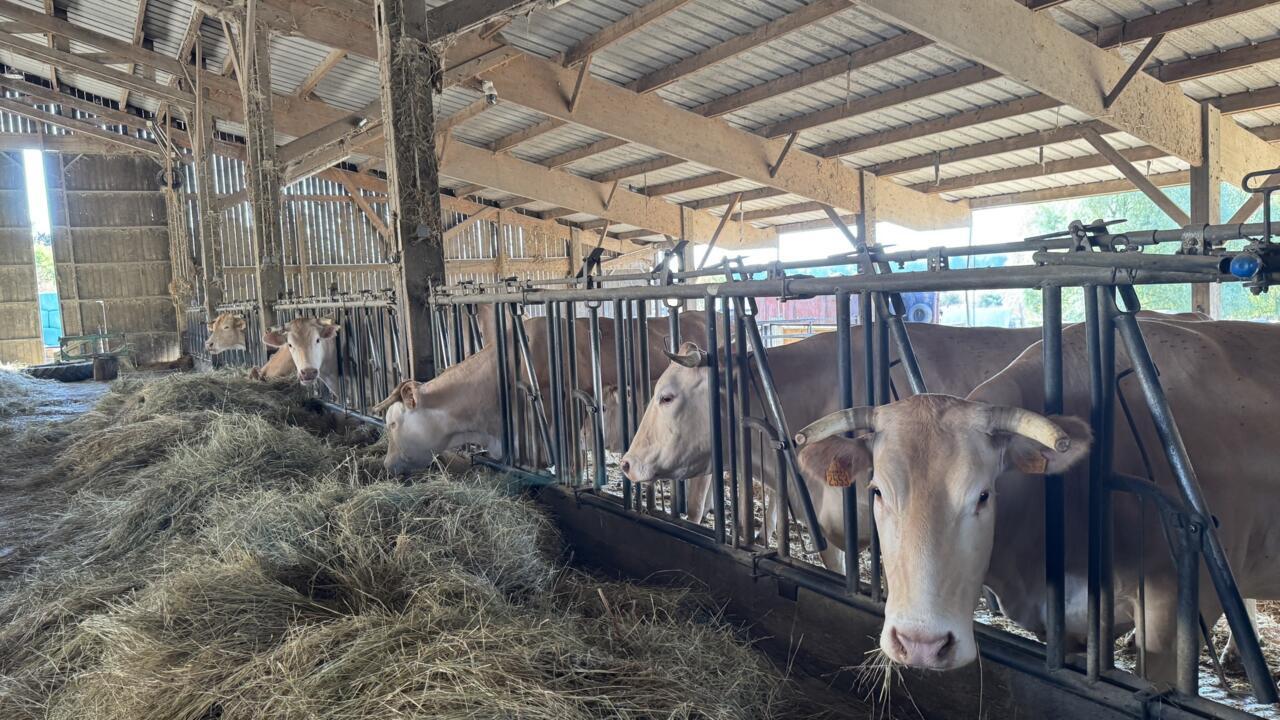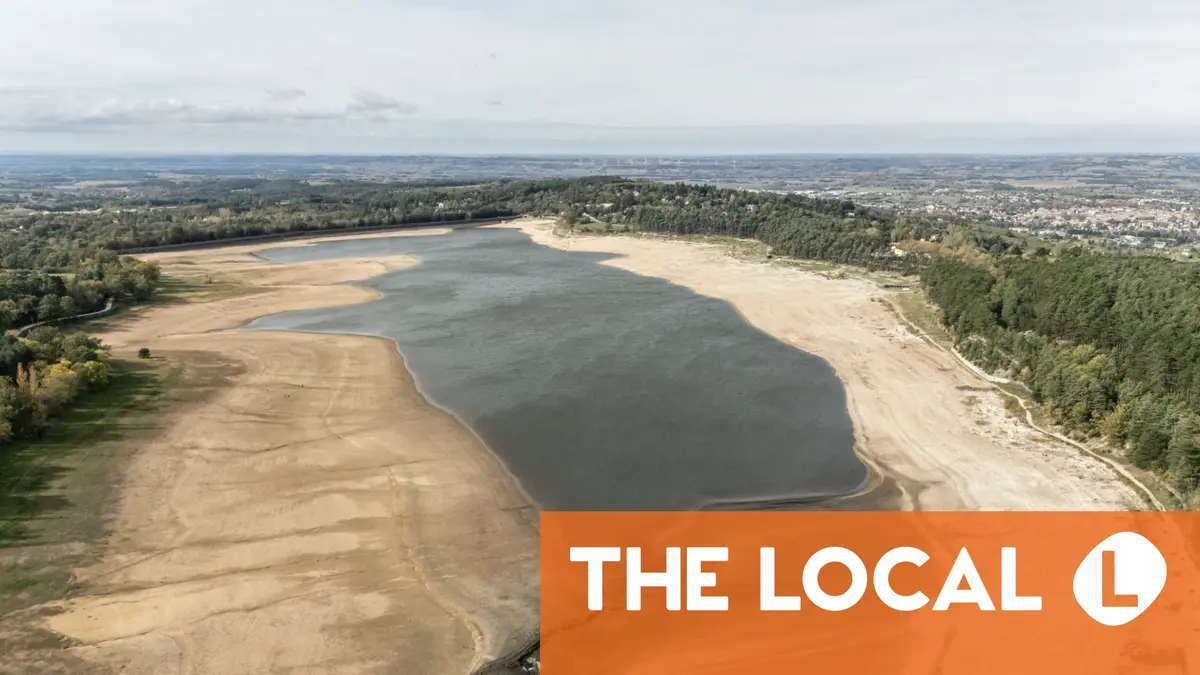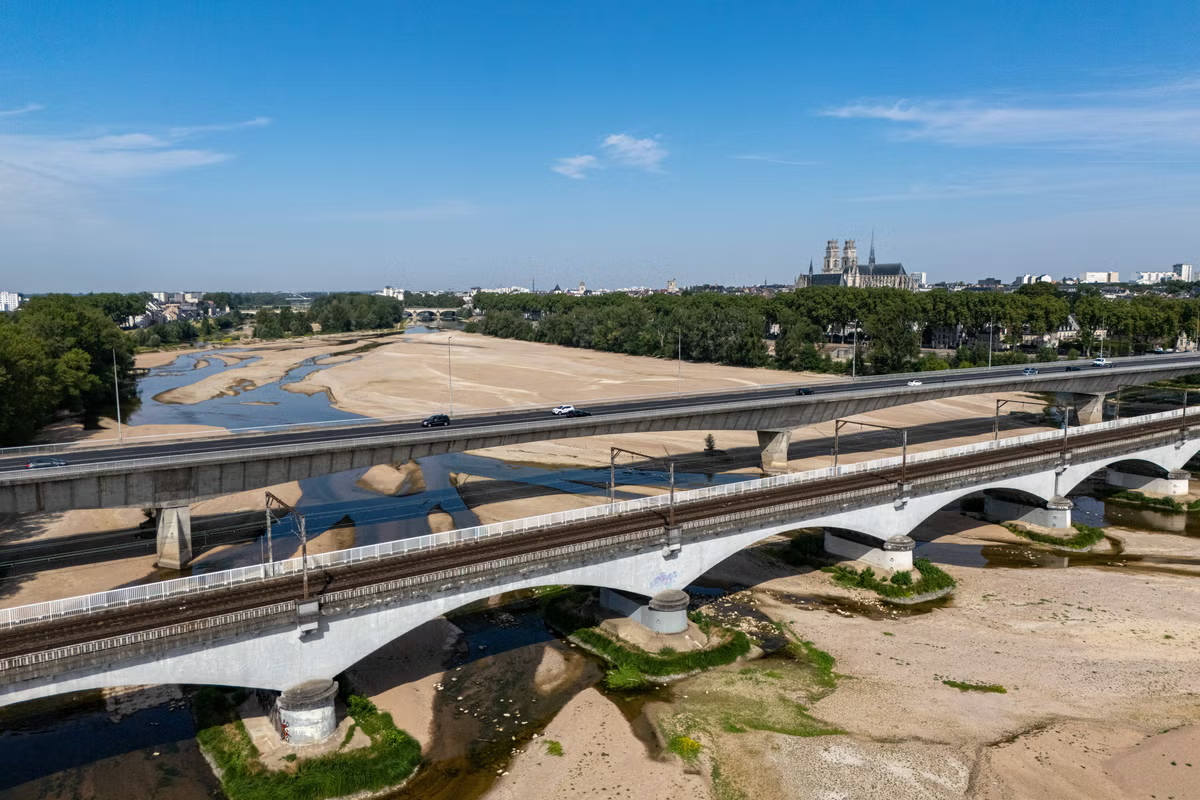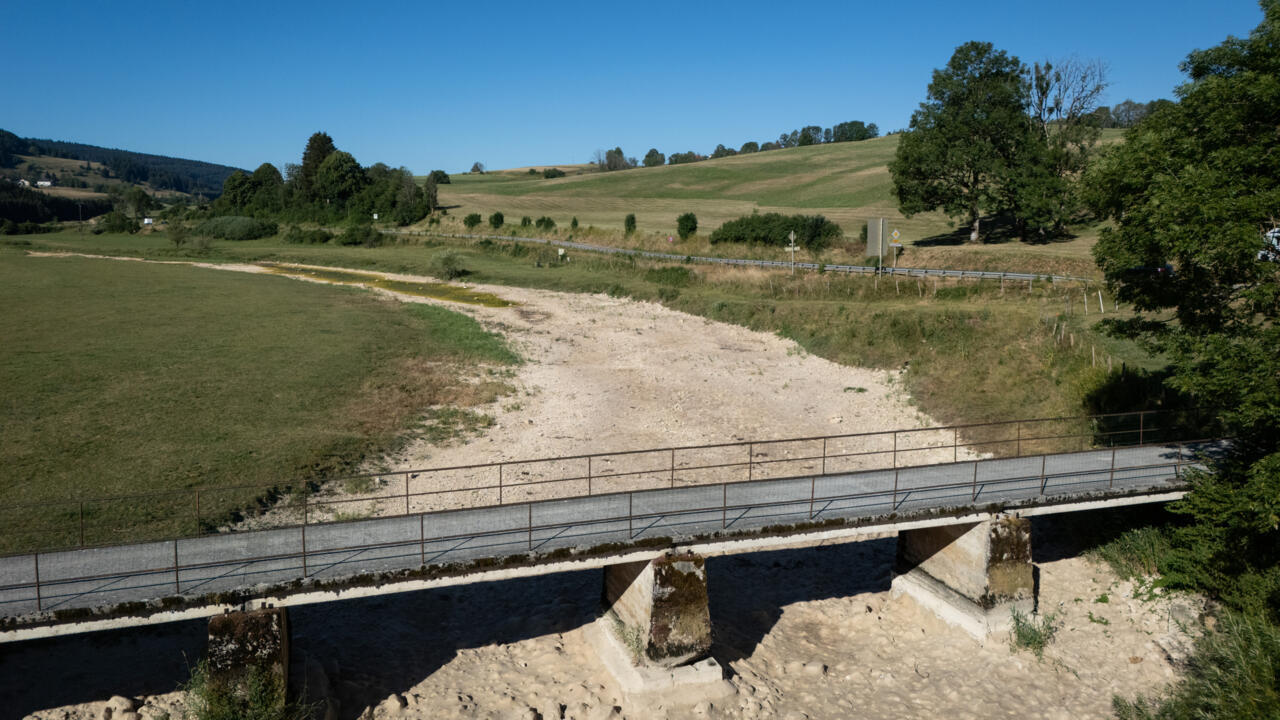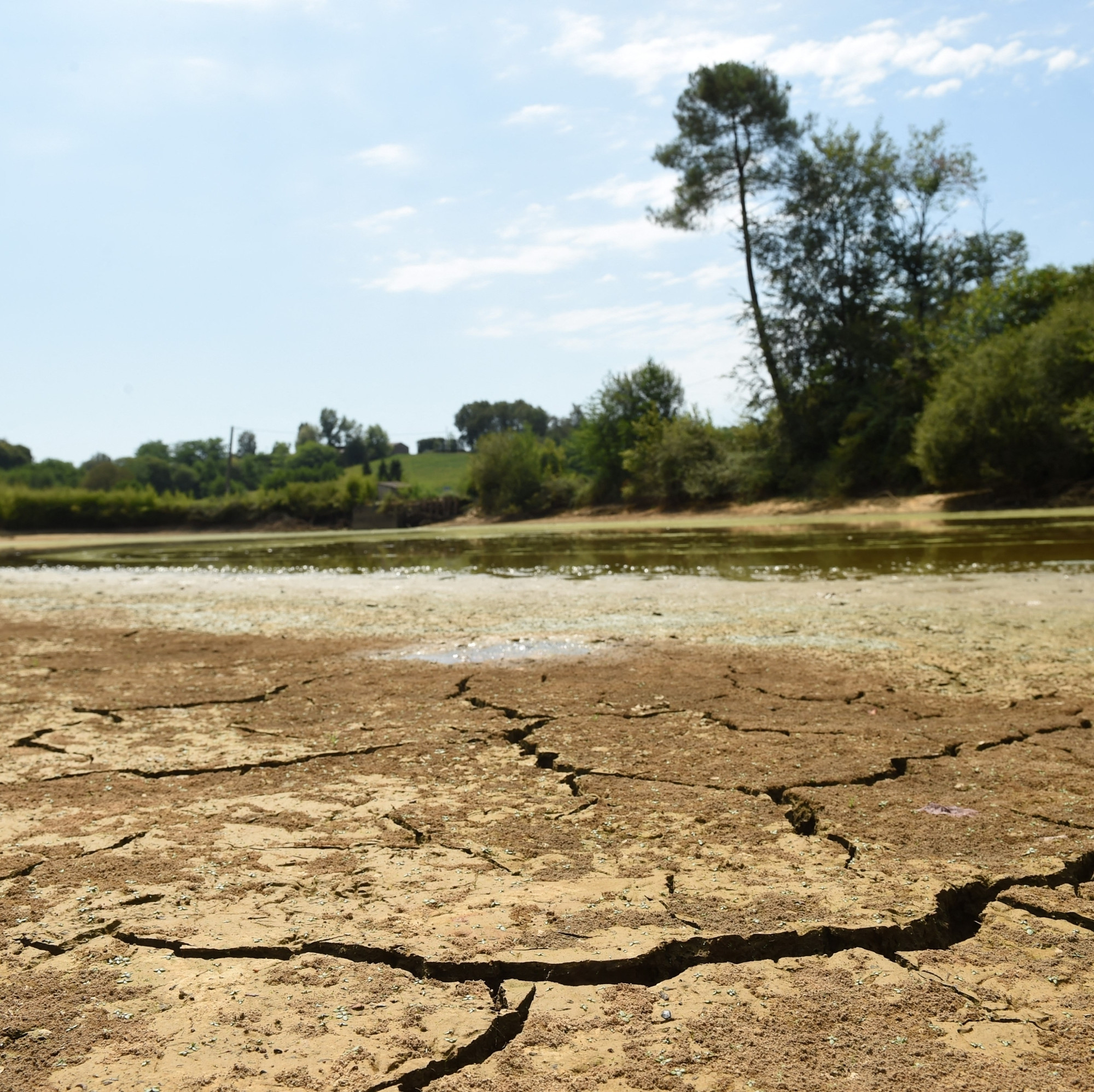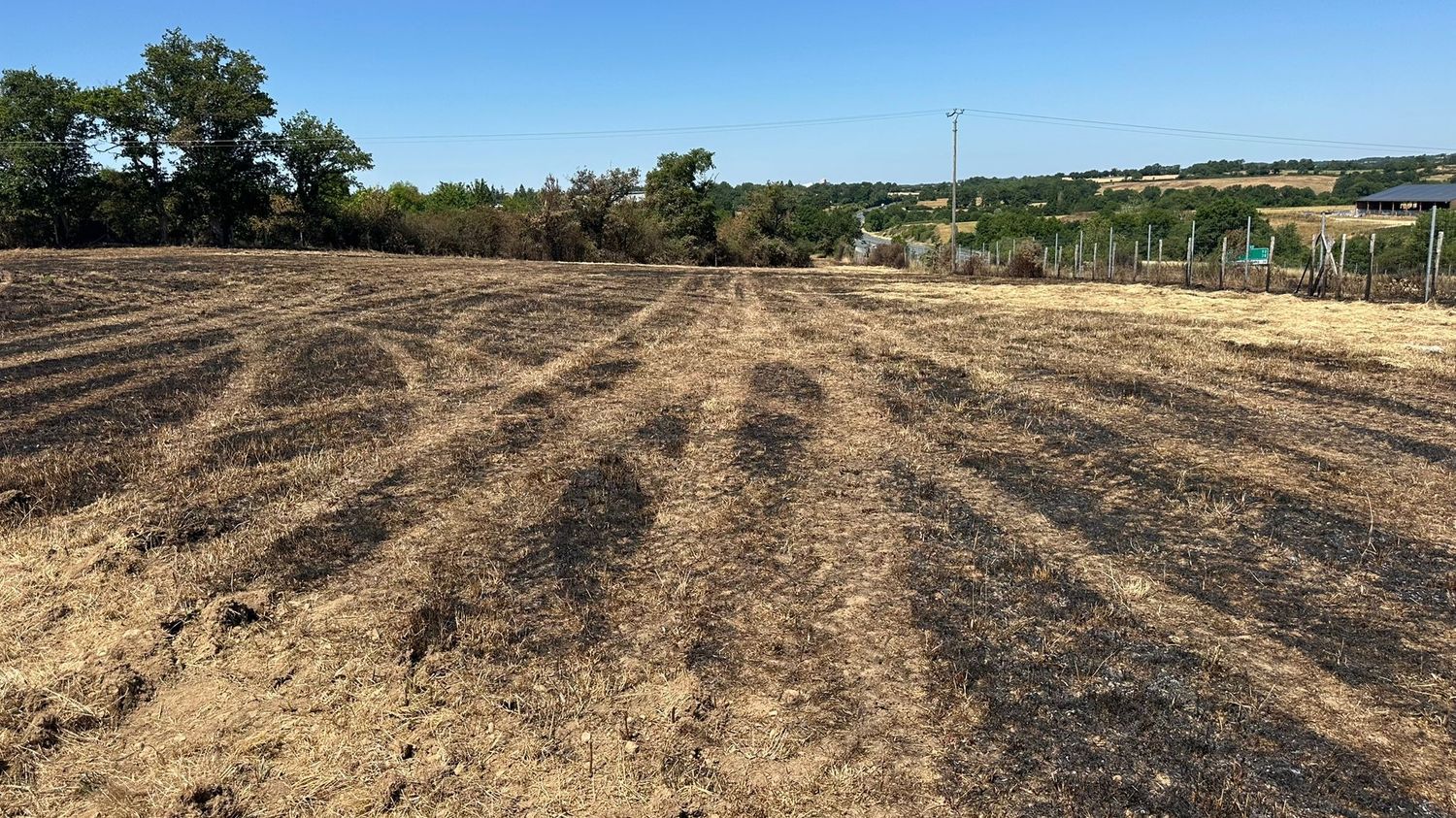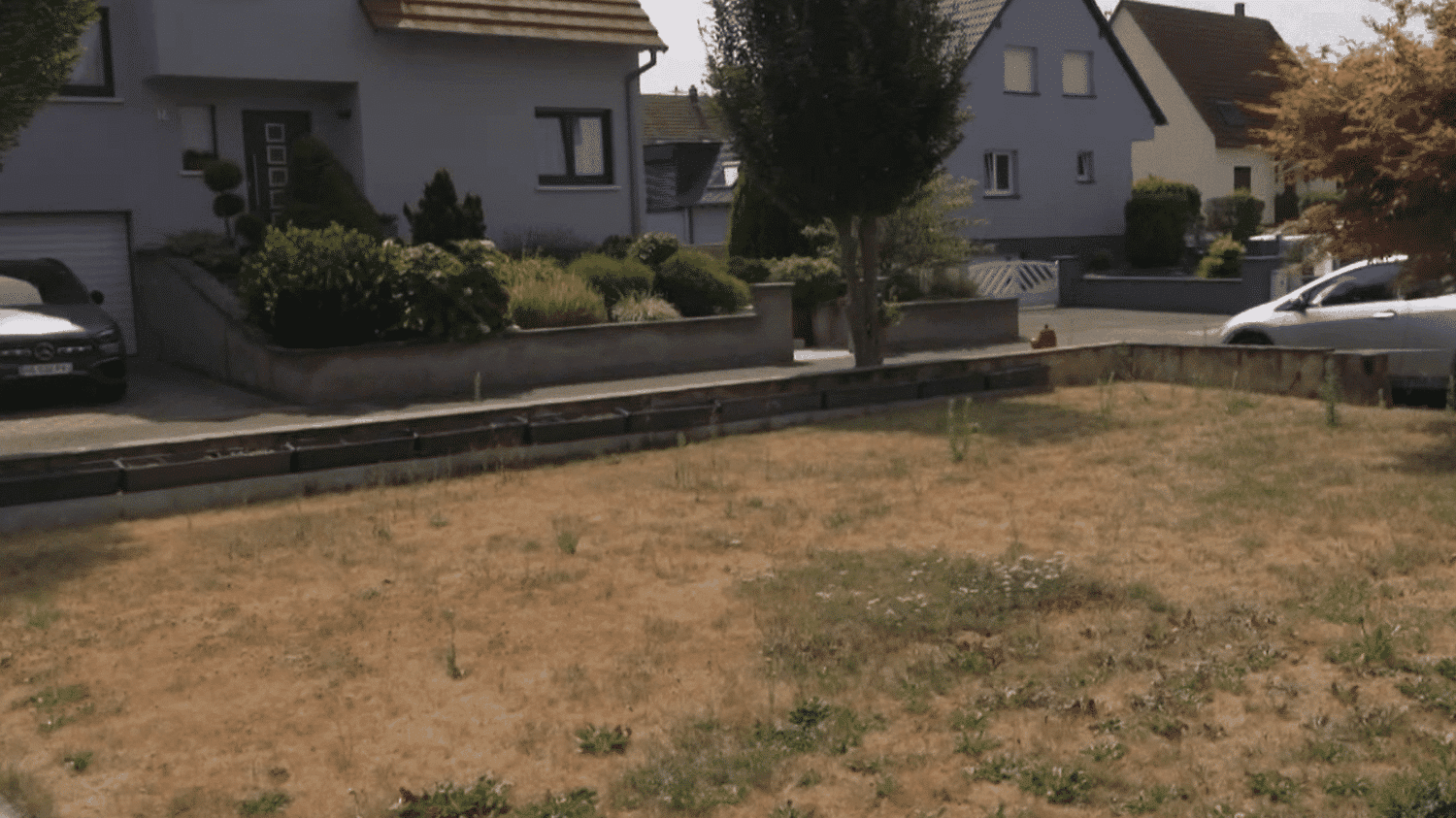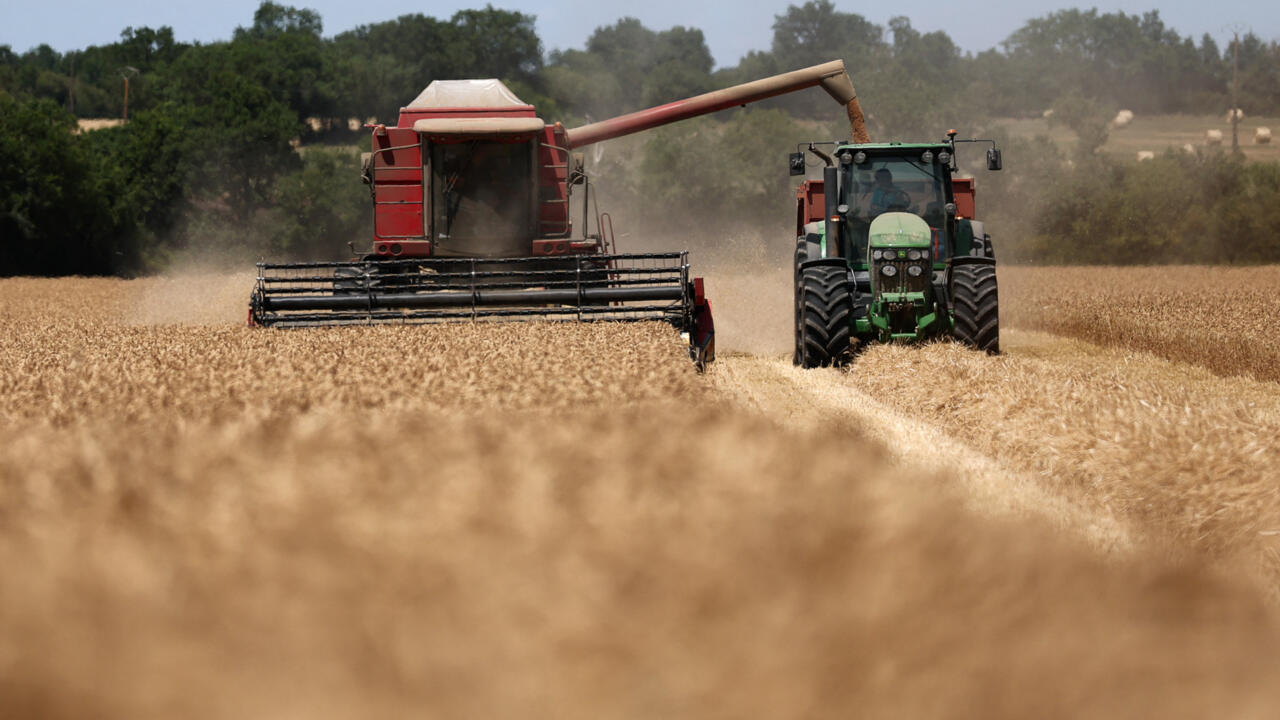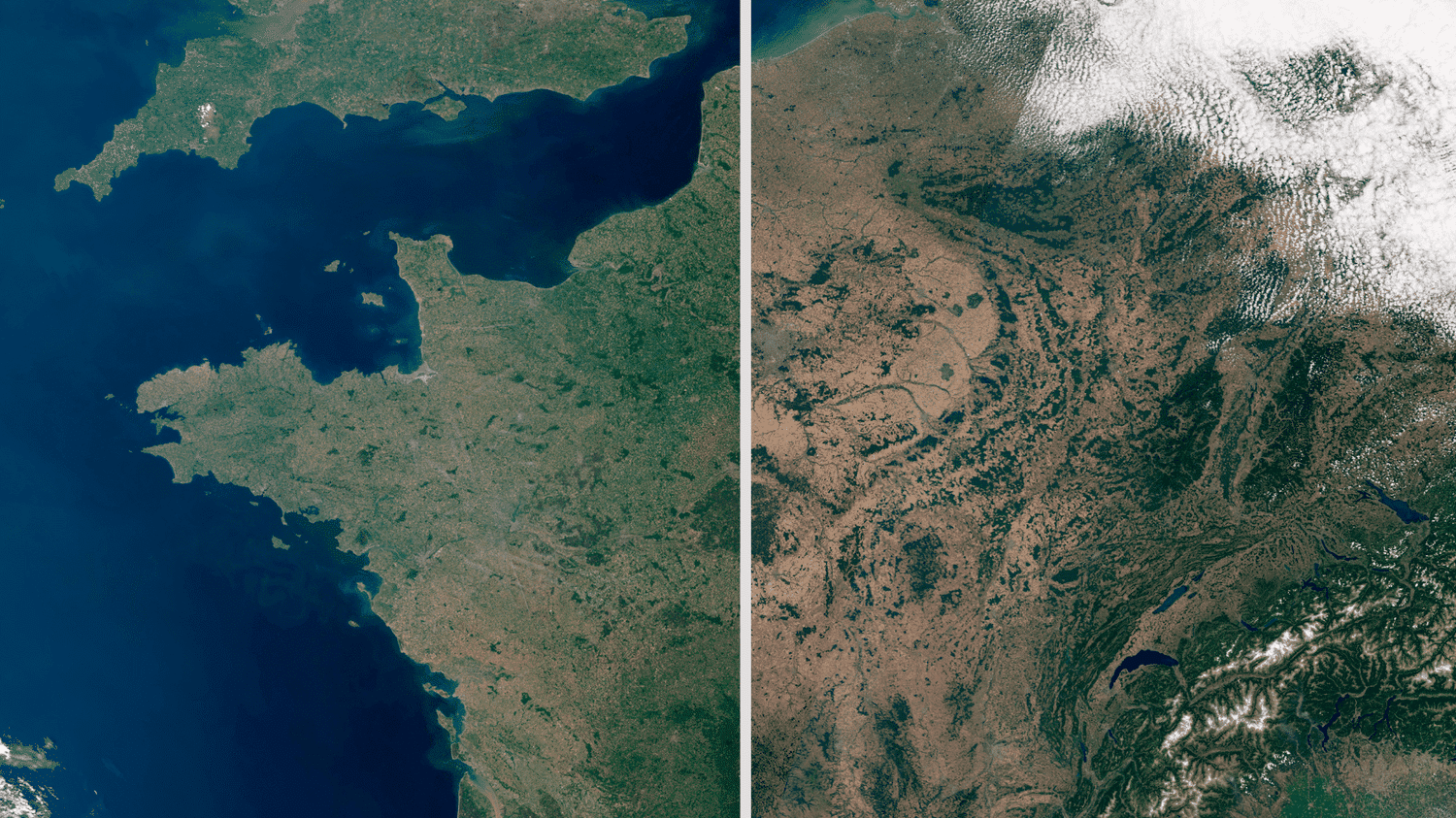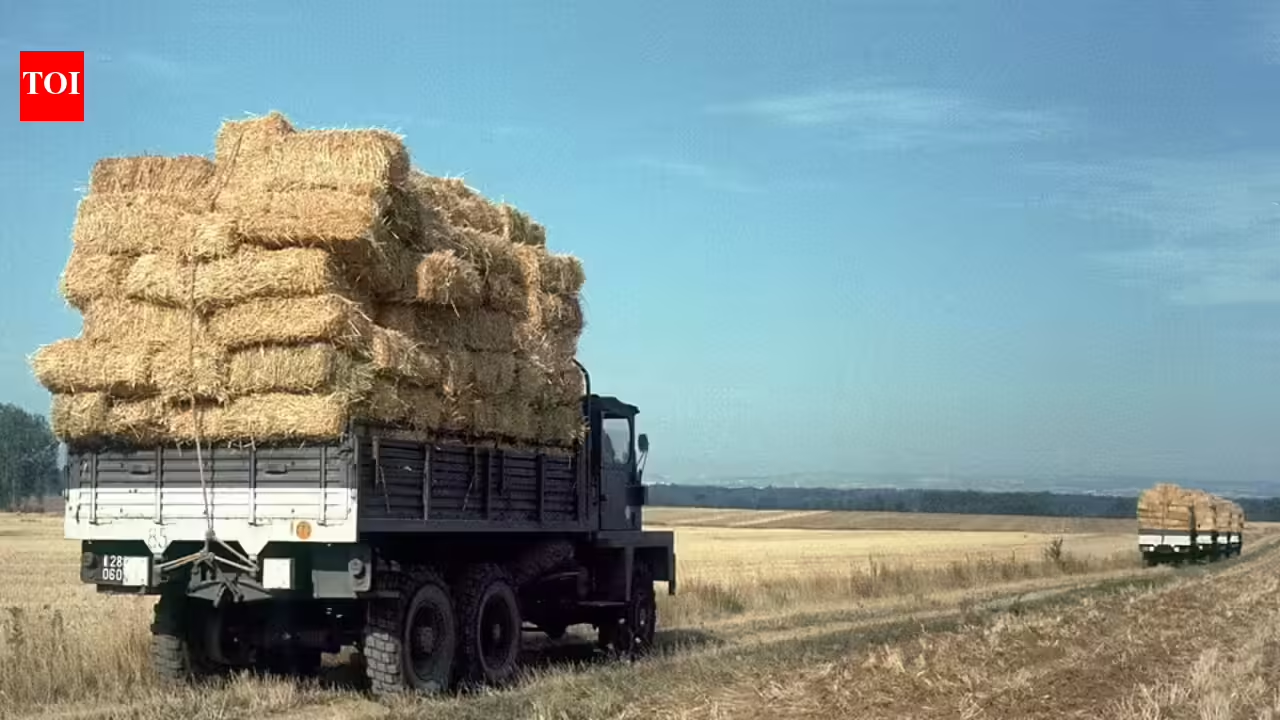
By mid-July 1976, much of rural France had been turned into a desolate scene. Where there should have been lush green pastures with animals grazing, there were instead brown, barren fields after months of scorching heat and little rain. Image Credits: Wikimedia Commons.By mid-July 1976, much of rural France had been turned into a desolate scene. Where there should have been lush green pastures with animals grazing, there were instead brown, barren fields after months of scorching heat and little rain. The rivers and water holes dried up, the pastures were scorched, and the fodder that the farmers relied on was gone. Throughout the country, livestock roamed in dry fields looking for fodder that wasn’t there anymore, leaving farmers with no choice but to look for other sources of food for their animals or lose them forever.A drought that gripped the entire countryThe crisis did not begin with the summer heat. The warning signs had appeared months earlier. From late 1975 into the spring of 1976, rainfall across much of France remained far below normal. By the time summer arrived, soils had already lost much of their moisture. When prolonged high temperatures followed, crops and grasslands rapidly deteriorated. According to Patrick Brochet in the Hydrological Sciences Journal, the drought affected multiple forms of water availability simultaneously, including meteorological, agricultural and hydrological drought. The combination of exceptionally low rainfall and high evaporation produced one of the most severe water shortages France had experienced in decades.Grasslands suffered some of the worst damage. Unlike cereal crops that might survive with limited moisture, pasture depended on regular rainfall. Without fresh grass, livestock producers quickly ran out of feed. Hay reserves that were normally intended for winter had to be used months earlier, leaving farmers with few remaining options. As the drought worsened, many rivers fell to abnormally low levels, reservoirs shrank, and water-use restrictions spread across much of the country. In some areas, there was not enough drinking water, so emergency deliveries were needed. As a result of this drought, the production of hydroelectric power dropped and fruit and vegetable prices increased. Realising the magnitude of the disaster, President Valéry Giscard d'Estaing termed it "a national calamity".When trains carried straw instead of passengersWhen the crisis deepened, trains across France began carrying unusual cargo. Rather than transporting passengers or commercial goods, they were loaded with thousands of tonnes of straw and other livestock feed collected from regions that had not been severely affected by the drought. These supplies were delivered to the hardest-hit farming areas, where animals were running out of food. The emergency relief effort, known as the Opération Paille (Straw Operation), became a remarkable display of national solidarity. By moving essential fodder to struggling farmers, the operation helped sustain livestock during one of the country's most severe agricultural crises and remains one of France's best-known emergency responses to a natural disaster.The government, working with the French military and national transport networks, launched the Straw Operation. Hay and fodder were gathered from areas where supplies remained available and shipped by rail to drought-stricken livestock regions. According to Quest France, roughly 60,000 tonnes of straw were transported by train as part of the emergency effort, allowing thousands of farmers to continue feeding cattle, sheep and other livestock during the peak of the crisis. Additional aid included military logistics, emergency water deliveries to municipalities that had run dry, subsidies for transporting fodder, restrictions on straw exports, and financial assistance for livestock producers. The operation showed how a common agricultural by-product could become vital during a disaster.The emergency relief effort, known as the Opération Paille (Straw Operation), became a remarkable display of national solidarity. Image Credits: Wikipedia Commons.The legacy of the straw operationAlthough rainfall eventually returned during the autumn, the drought left lasting economic scars. Pastures had been devastated for months, crop yields were sharply reduced in many regions, and farm incomes declined significantly. The greatest losses occurred in forage production, creating severe shortages for livestock farmers. According to an analysis published in Économie et Statistique by France's National Institute of Statistics and Economic Studies (INSEE), the drought caused major reductions in spring cereals, maize, potatoes and, most importantly, grasslands, where fodder shortages reached roughly 50-60% in some areas before autumn rains eased the crisis.The emergency transport programme helped prevent an even greater loss of livestock. Without additional feed arriving by rail, many farmers may have been forced to reduce their herds. Instead, the coordinated movement of straw bought valuable time until rainfall allowed grass to recover. The crisis also influenced French agricultural policy. It highlighted the need for stronger drought preparedness, better water management and emergency support systems capable of responding rapidly when weather conditions threaten food production. Many of the lessons learned in 1976 influenced later approaches to agricultural risk management and disaster planning.Nearly fifty years later, the images remain striking: freight wagons stacked with golden straw instead of commercial cargo, soldiers helping distribute animal feed, and farmers waiting anxiously as trains rolled into rural stations carrying what had become one of the country's most precious resources. The story remains relevant even today as Europe faces more frequent heat waves. Although better forecasting and farming technology have helped Europe respond to heat waves, prolonged drought remains a problem for many farmers. The Straw Operation of 1976 shows how practical solutions can help communities respond to disaster. The response relied on rapid government action and public cooperation to protect livestock.
In France’s severe drought of 1976, the country launched a nationwide straw operation, moving about 60,000 tonnes by train to farmers whose livestock were running out of feed
By mid-July 1976, much of rural France had been turned into a desolate scene. Where there should have been lush green pastures with animals grazing, there were instead brown, barren fields after months of scorching heat and little rain.
904 words~4 min read