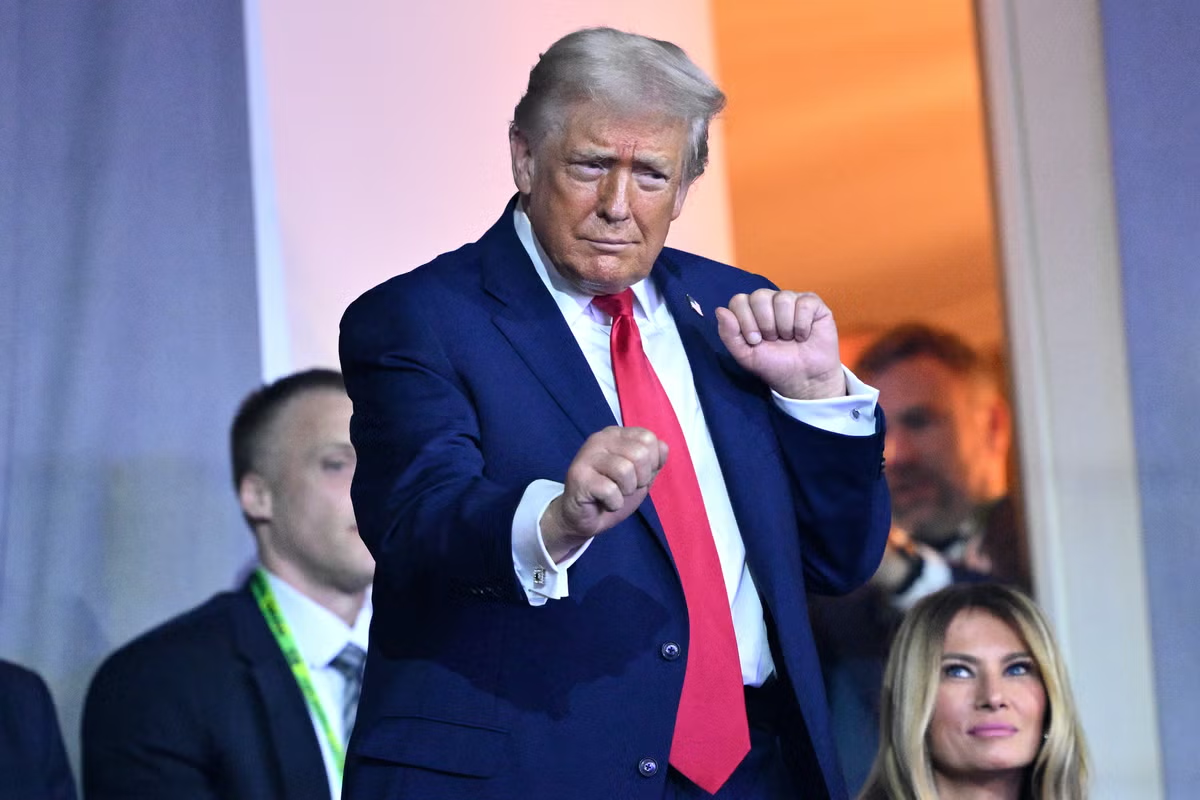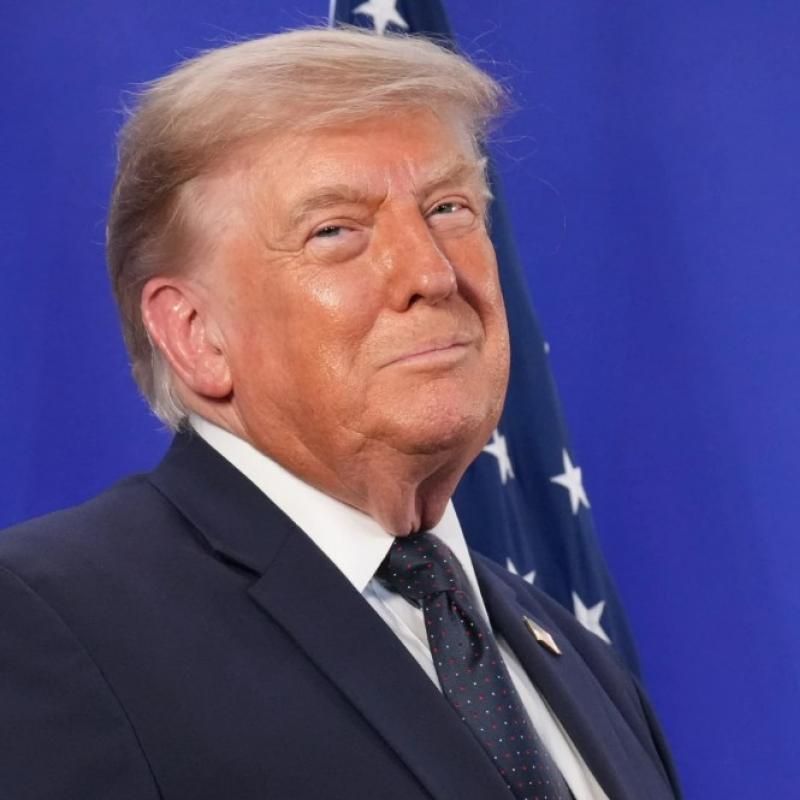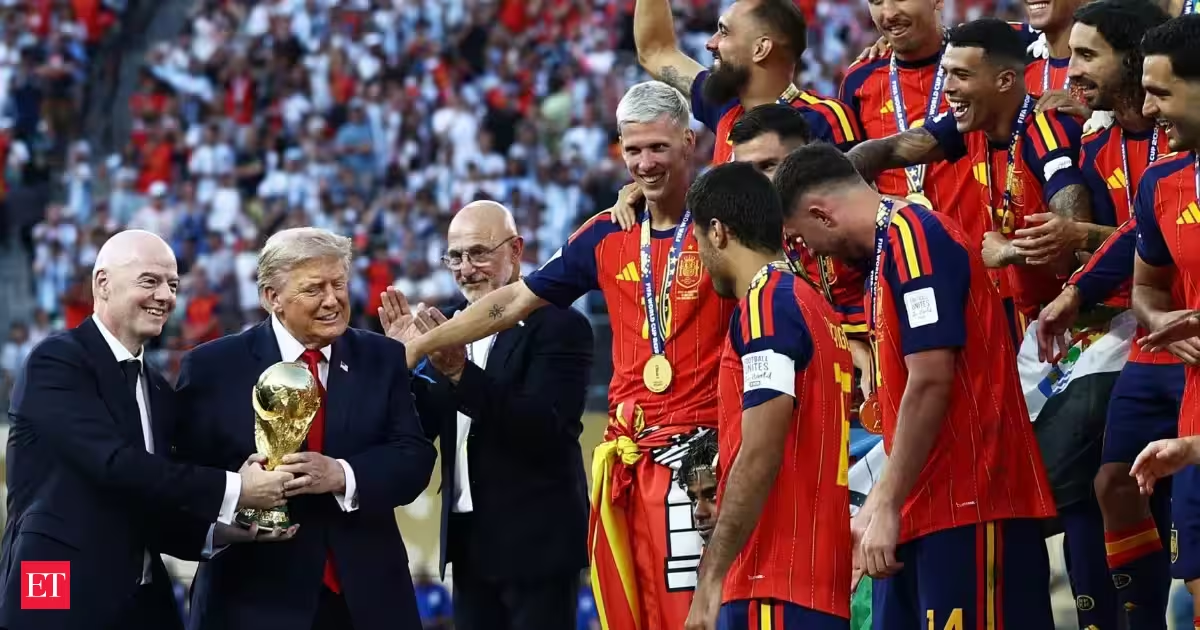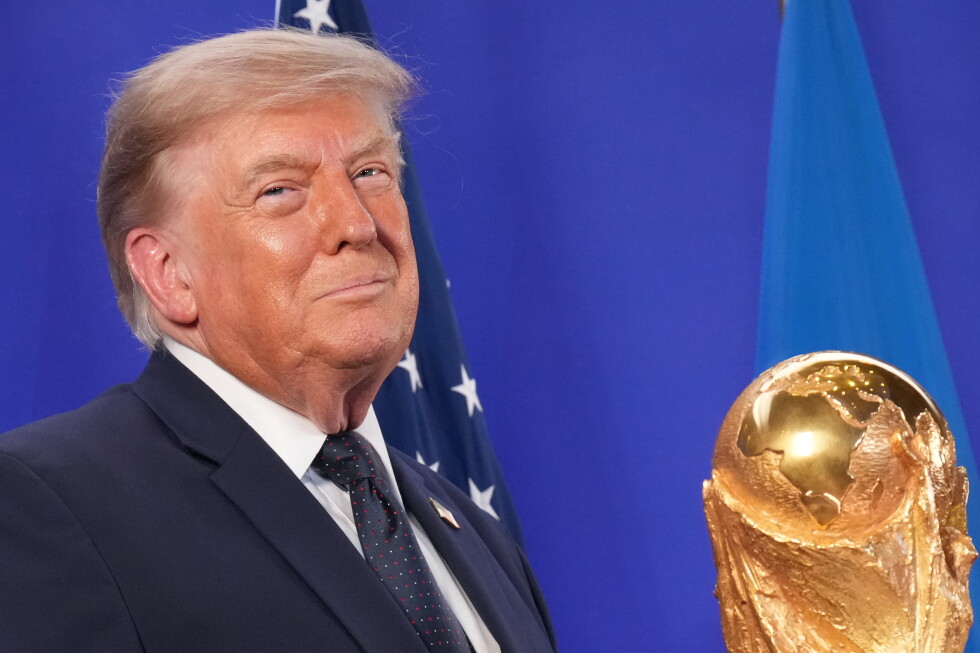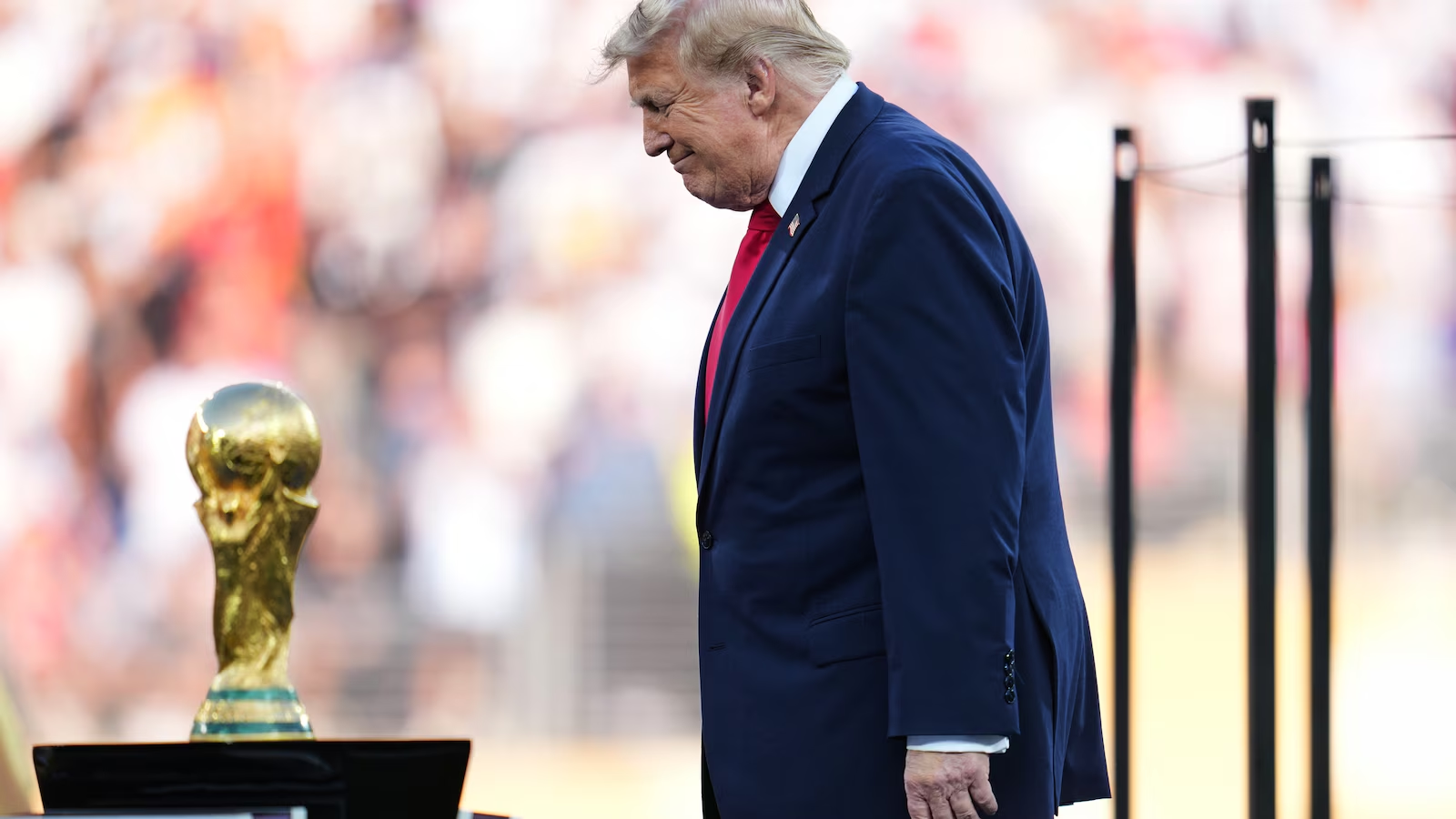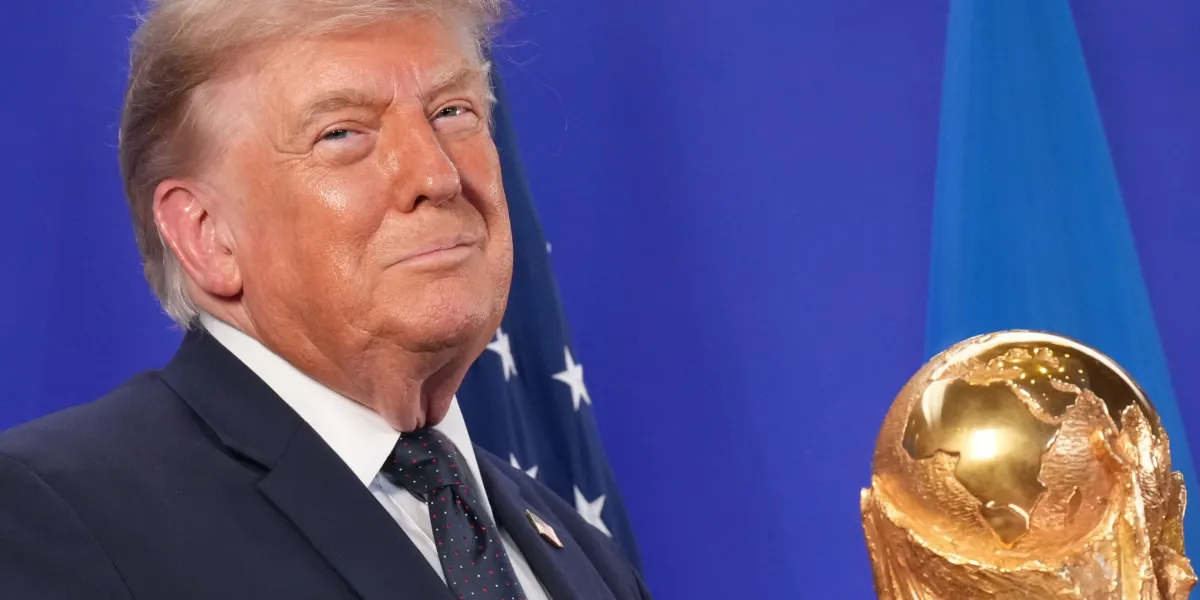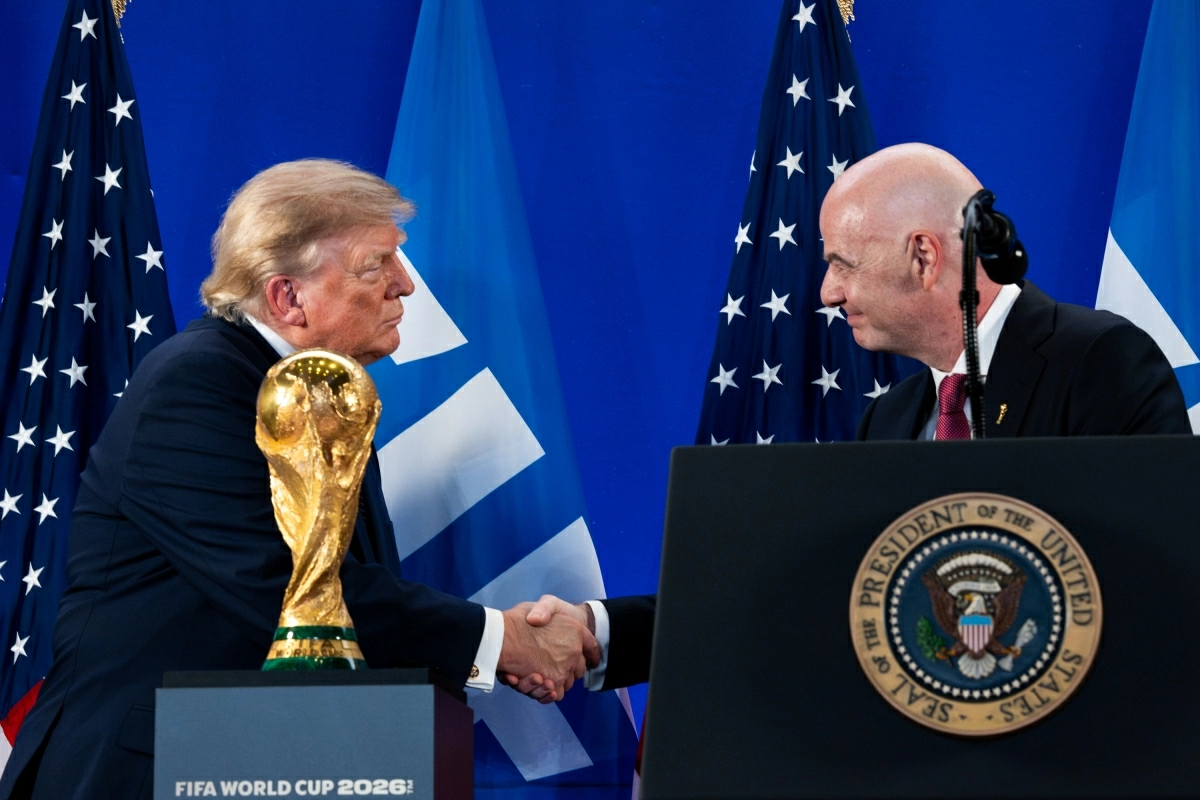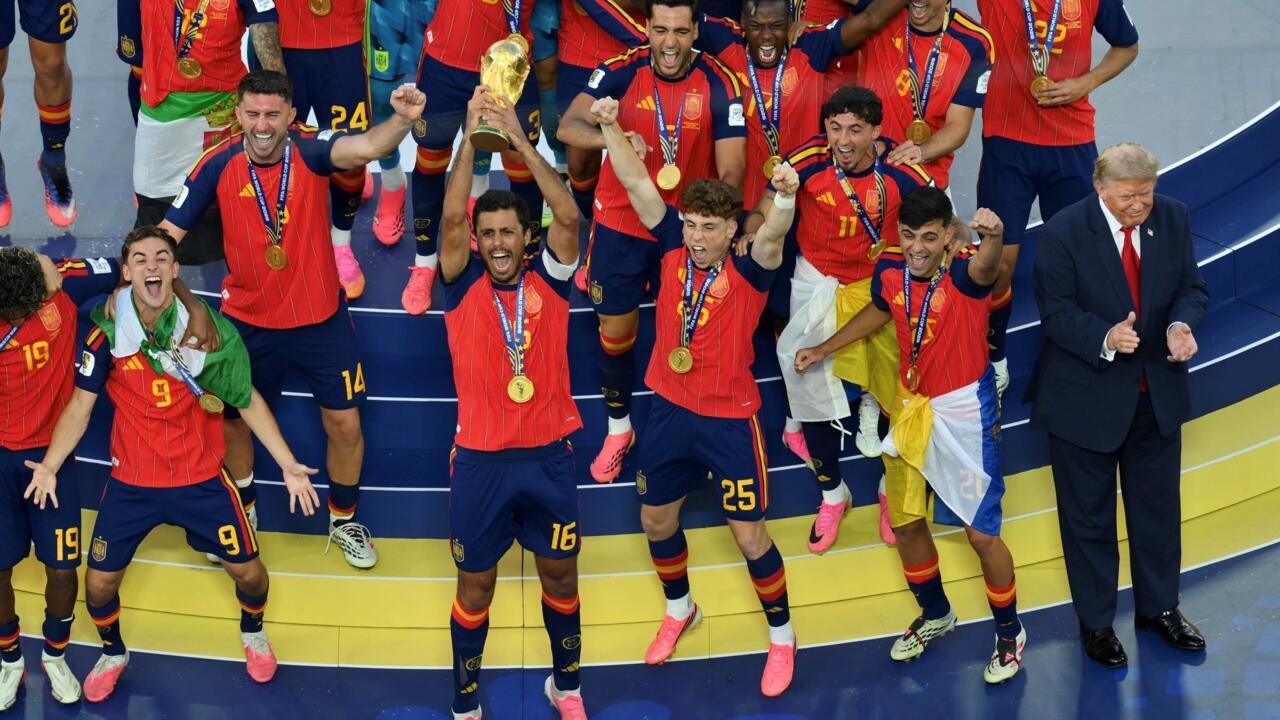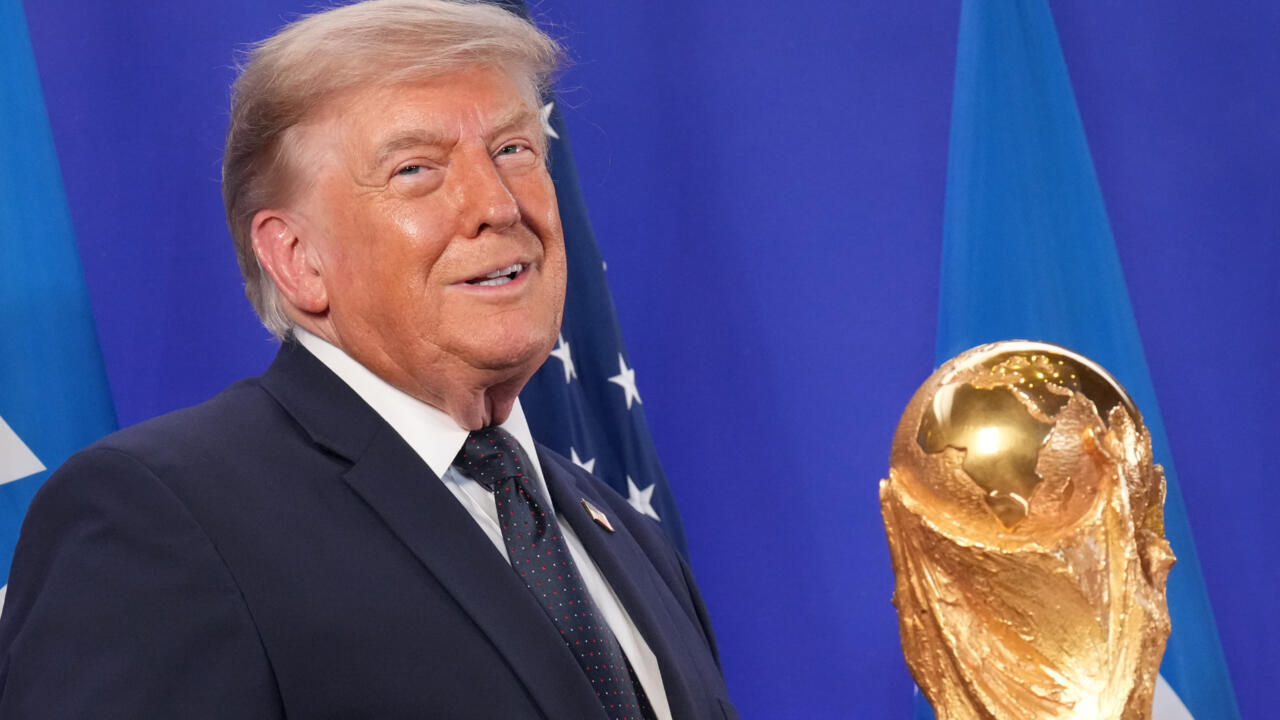
President Donald Trump is set to present the World Cup trophy to the winner of Sunday’s final between Argentina and Spain. But to him, the real victor of soccer’s premier tournament just might be the United States. “It turned out we were a soccer country, and I think it’s going to remain,” Trump said Friday at a FIFA reception at Trump Tower in New York City. “This has really brought the world together.” For the White House, Sunday’s match is the culmination of well over a year of navigating a litany of logistical challenges alongside co-hosts Canada and Mexico for what would be the biggest World Cup in history. It had to balance the Trump administration’s hardline migration policies that barred fans from some World Cup qualifier countries from entry into the United States. The White House faced warnings from human rights groups, and the tournament confronted backlash over high ticket prices. For months, Trump flirted with the idea of moving games out of cities that did not cooperate with federal immigration authorities, and in the weeks before the tournament’s start, local authorities sparred with FIFA over high transit costs, heightening tensions even more. Read more'Inclusive' World Cup fell short as Trump administration shut out fans, rights groups say As the first games were preparing to begin, the administration continued to find itself under global scrutiny for its visa decisions, such as denying entry to a referee from Somalia who had won accolades for his officiating. The pressure increased after Trump launched a war with Iran, leaving the administration to grapple with an Iranian team whose fans and some supporting personnel were barred from the US, and that ultimately was based across the border in Tijuana. But the broader story of the World Cup eventually shifted. Social media was flooded with tales of soccer fans from around the world enjoying the treats and traditions of the US, from beer to ranch dressing. Some fears about the Trump administration that circulated beforehand, such as the threat of immigration enforcement raids near the games, never materialised. “One of the things that we talked about beforehand was, if we’re talking about what happened on the pitch, then we’ve done our job,” Andrew Giuliani, the executive director of the White House FIFA Task Force, said in an interview with The Associated Press. “But I think it’s even better than that. We’re not just talking about only the incredible, athletic feats on the pitch, but we’re talking about all these incredible, incredible cultural moments.”
Trump claims US World Cup a success, despite controversies, ahead of final
Donald Trump on Friday said the US had become a "soccer country" after hosting the 2026 World Cup with Mexico and Canada "that brought the world together". But the tournament has not been without its…
1,145 words~5 min read