I spent a decade watching developers build incredibly complex integrations for massive ecosystems, only to watch them break because someone changed an undocumented field in a JSON response. Whether it's the Amazon API or China's Douyin ecosystem, the problem is always the same: you have powerful data, but your interface—the Merchant Center—is designed for humans clicking buttons, not for automated logic.
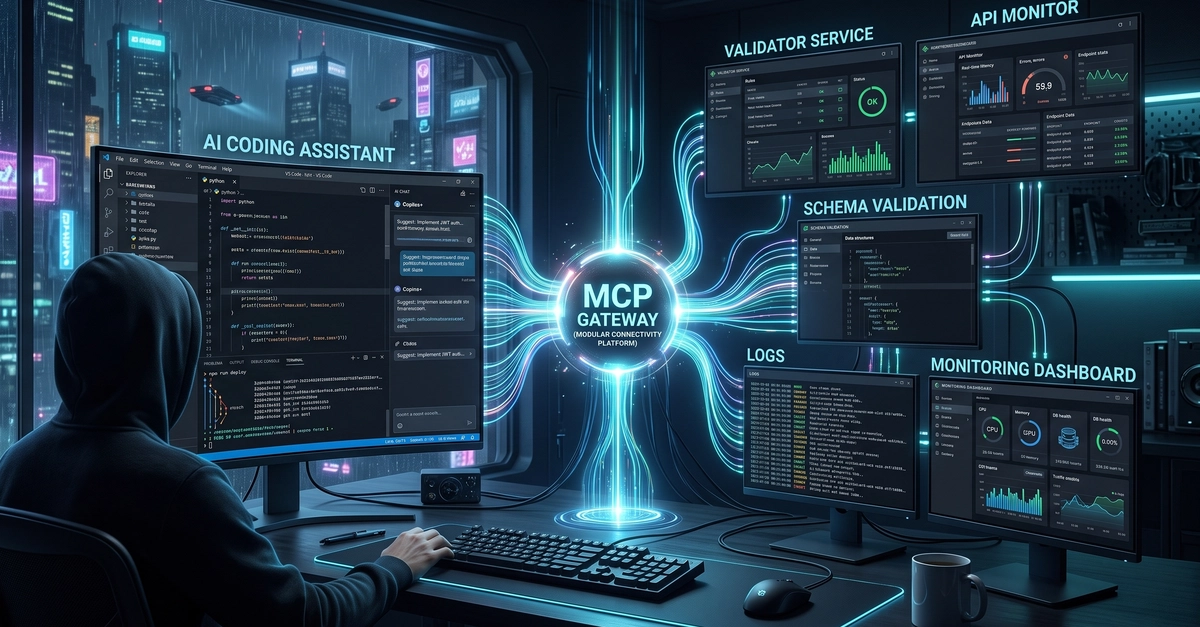
This is where the Model Context Protocol (MCP) changes the game for retail operations. It's not about giving an AI 'access' to a website; it's about exposing specific, atomic functions—like update_product_stock or get_verify_code—so that your agent can act as a real-time digital manager.
The Friction of the Merchant Center
If you've ever managed a high-volume shop on Douyin Local Life, you know the workflow. You have orders coming in, customers presenting coupons at the counter, and inventory levels shifting constantly. Navigating through layers of the Douyin Merchant Center to find a single order detail is a cognitive drain. It’s slow, it's manual, and it's prone to human error.
The idea here isn't to replace the platform, but to abstract its complexity. By using an MCP server like the Douyin Local Life API, you transform a complex web of navigation into a set of executable tools.