The era of naira-priced petrol may be ending, as the federal government’s policy on naira for crude oil flops. What follows could reshape inflation, transport costs and the value of the naira, writes Festus Akanbi
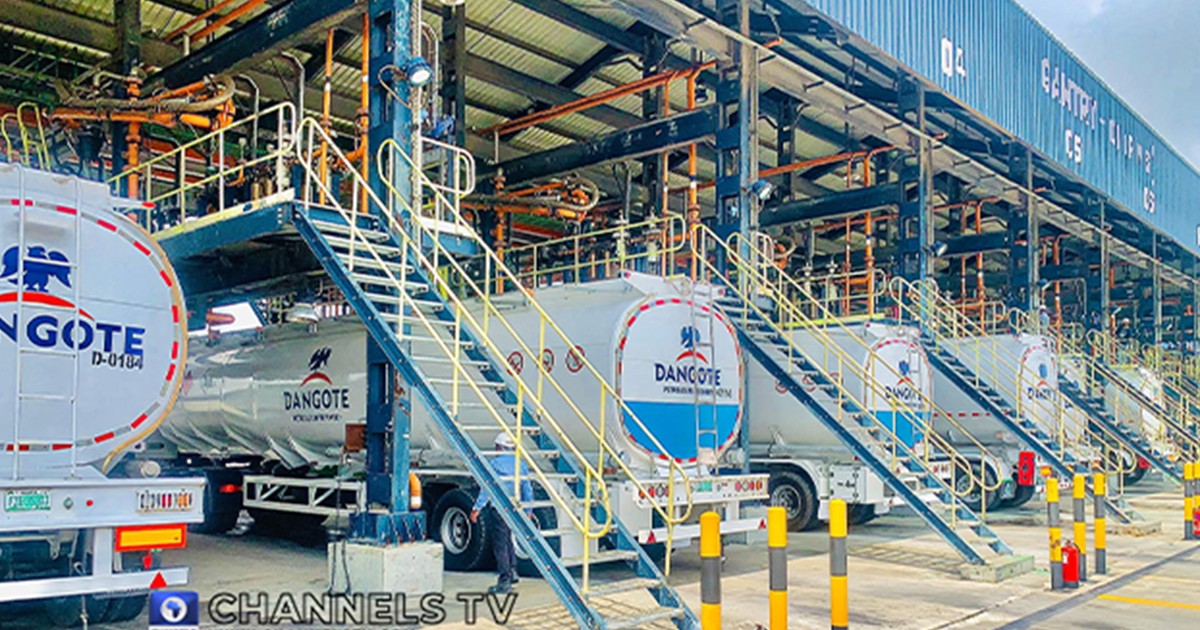
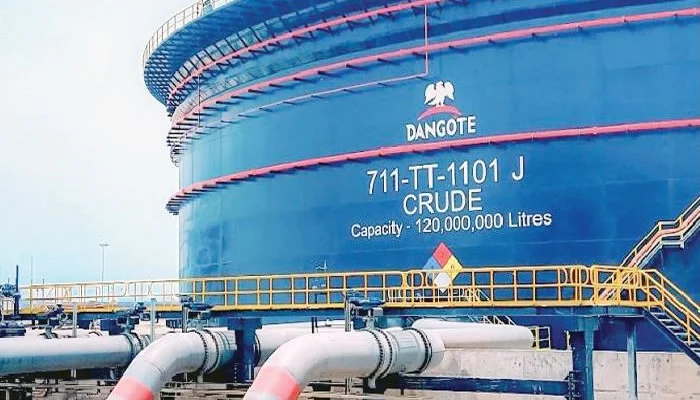
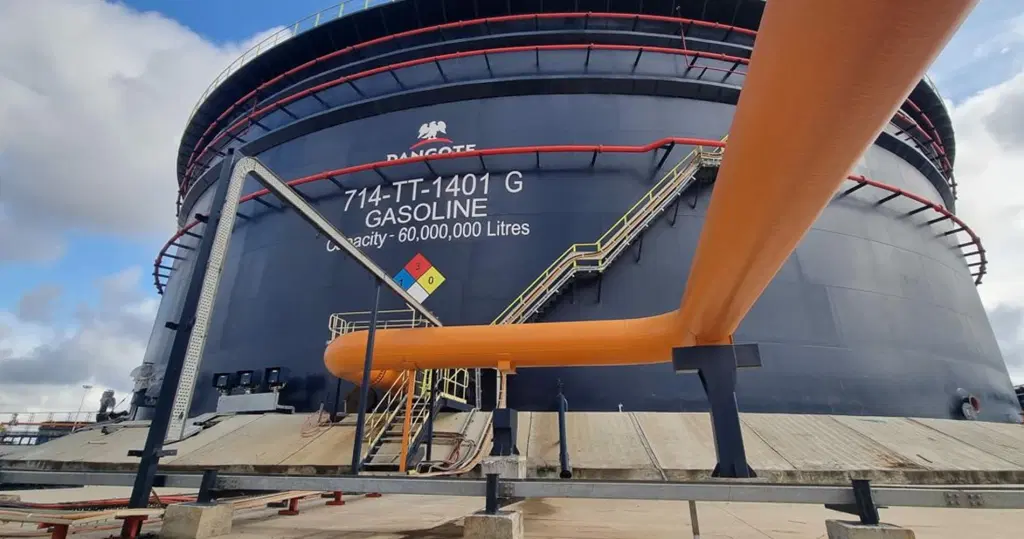
The decision by Dangote Petroleum Refinery to abandon naira-denominated sales of petroleum products is arguably the biggest policy setback for Nigeria’s downstream oil sector since the removal of fuel subsidy. It is not merely a commercial decision by a private refinery; it is a vote of no confidence in the federal government’s ability to sustain the much-publicised naira-for-crude initiative.
More importantly, it underscores a painful reality: despite Nigeria’s emergence as Africa’s largest refining hub, domestic fuel prices remain hostage to the foreign exchange market.
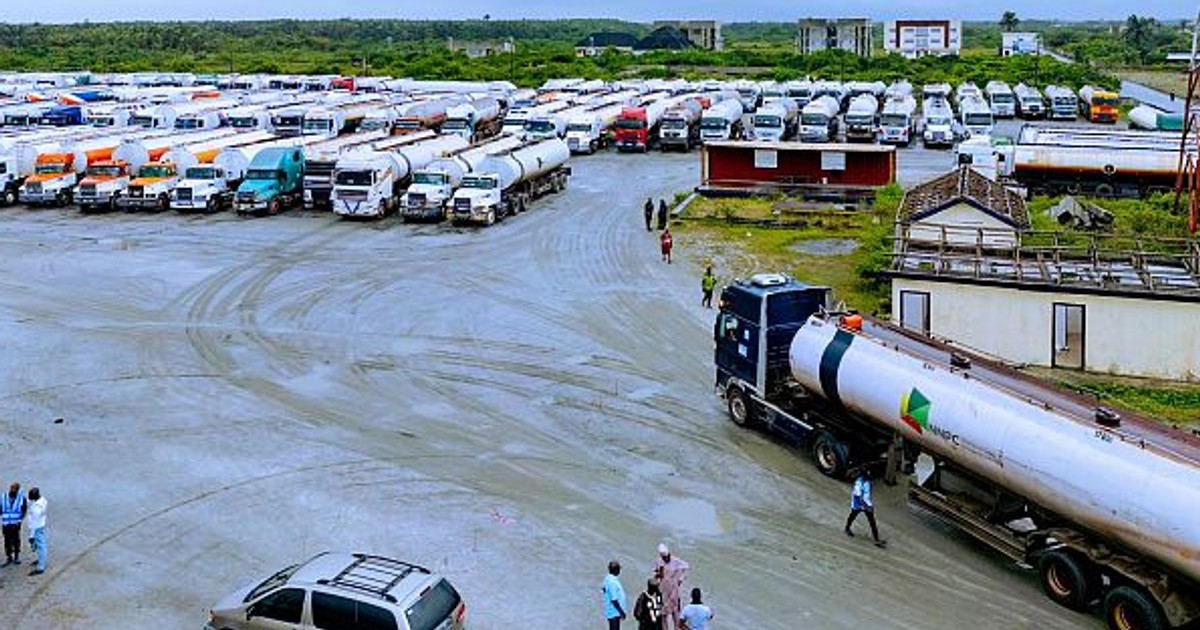
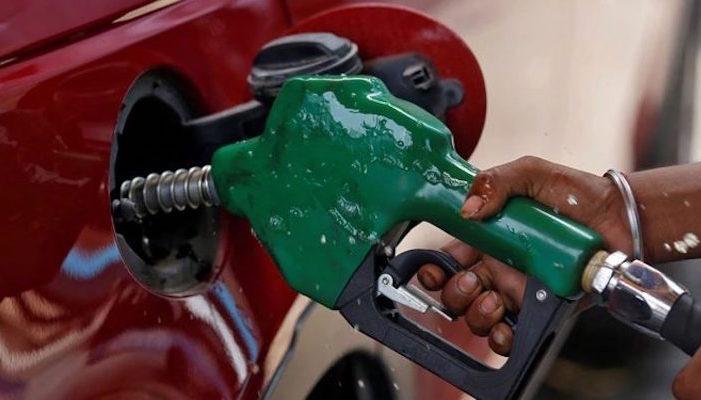
Effective July 13, 2026, the refinery fixed the ex-depot price of Premium Motor Spirit (PMS) at $0.779 per litre, diesel at $1.087 and aviation fuel at $0.942, while cancelling all previously issued naira-denominated invoices. The decision followed the refinery’s increasing reliance on crude oil purchased in dollars after supplies under the government’s naira-for-crude arrangement became inadequate.
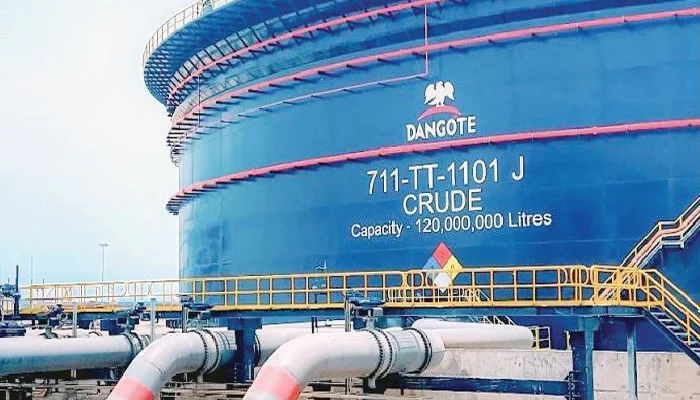
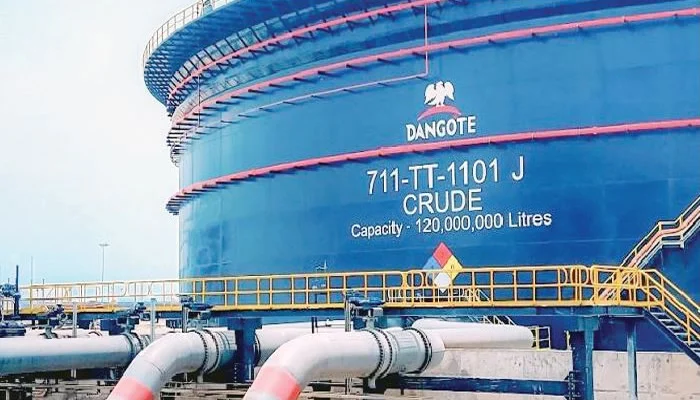
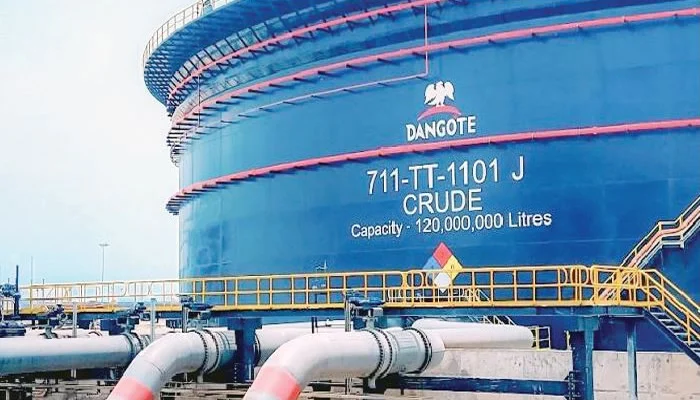
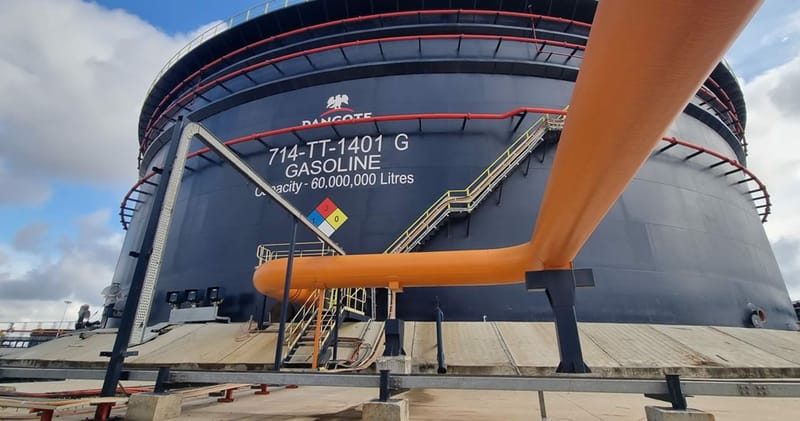
The timing could hardly have been worse. Dangote Refinery, a $20 billion investment and the world’s largest single-train refinery, has a refining capacity of 650,000 barrels of crude oil per day, sufficient to meet Nigeria’s domestic fuel demand and export surplus products across Africa.