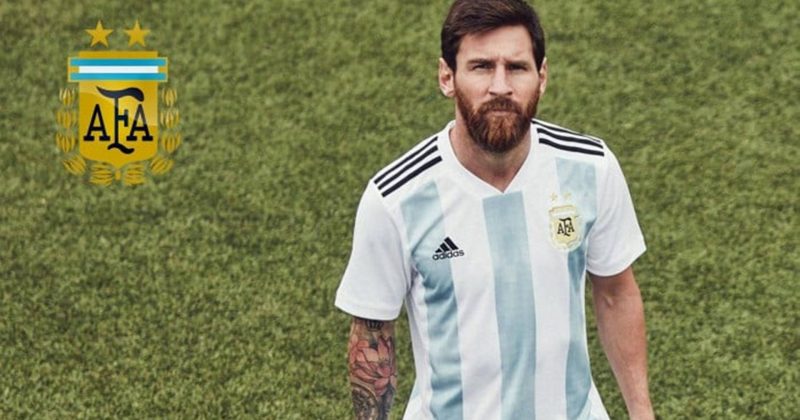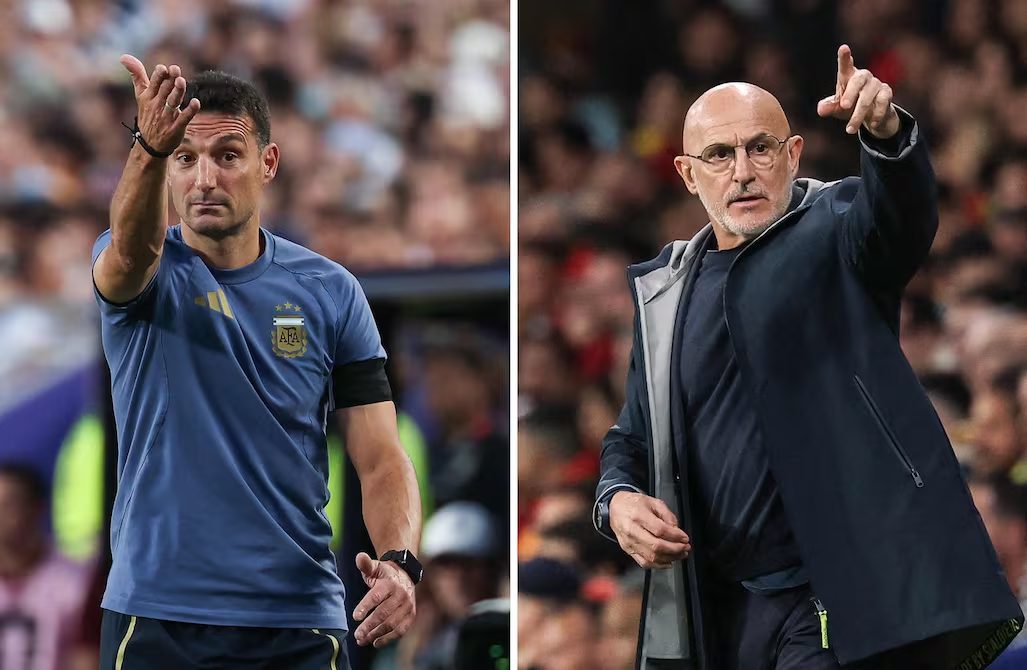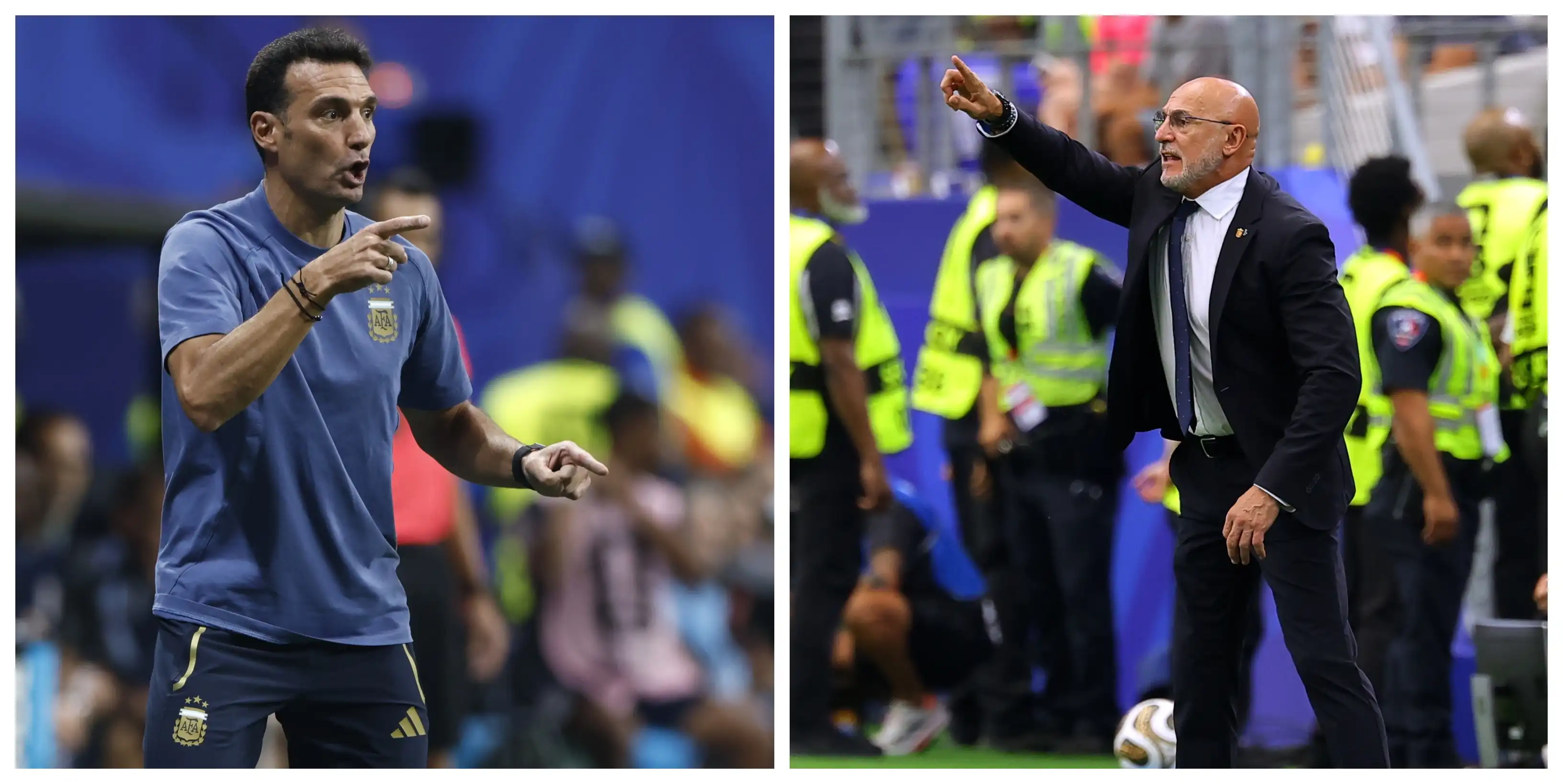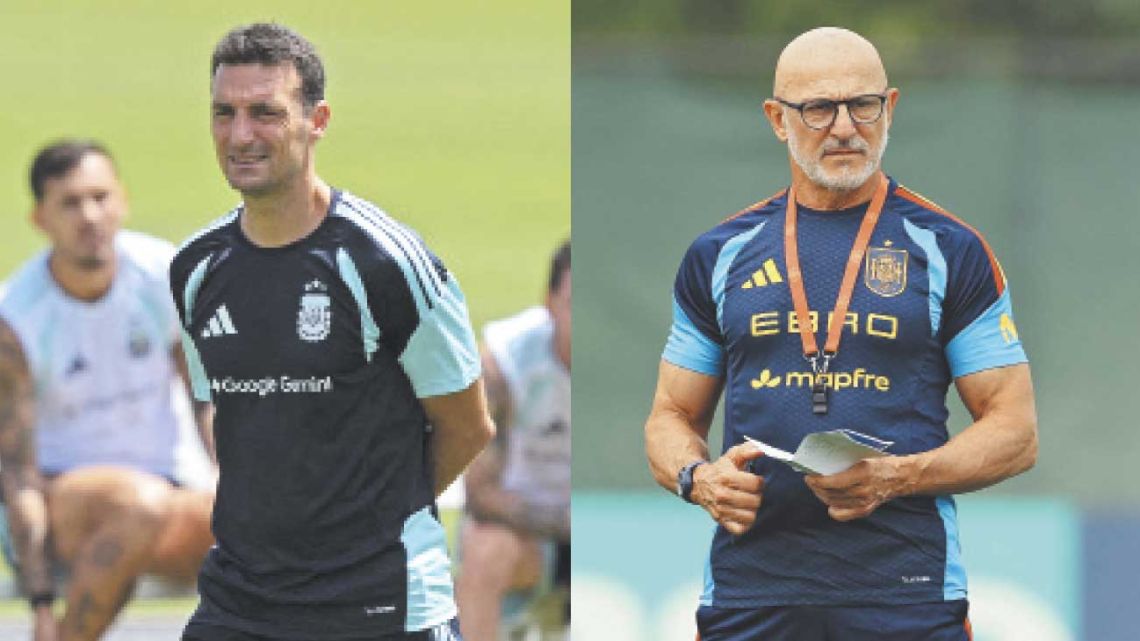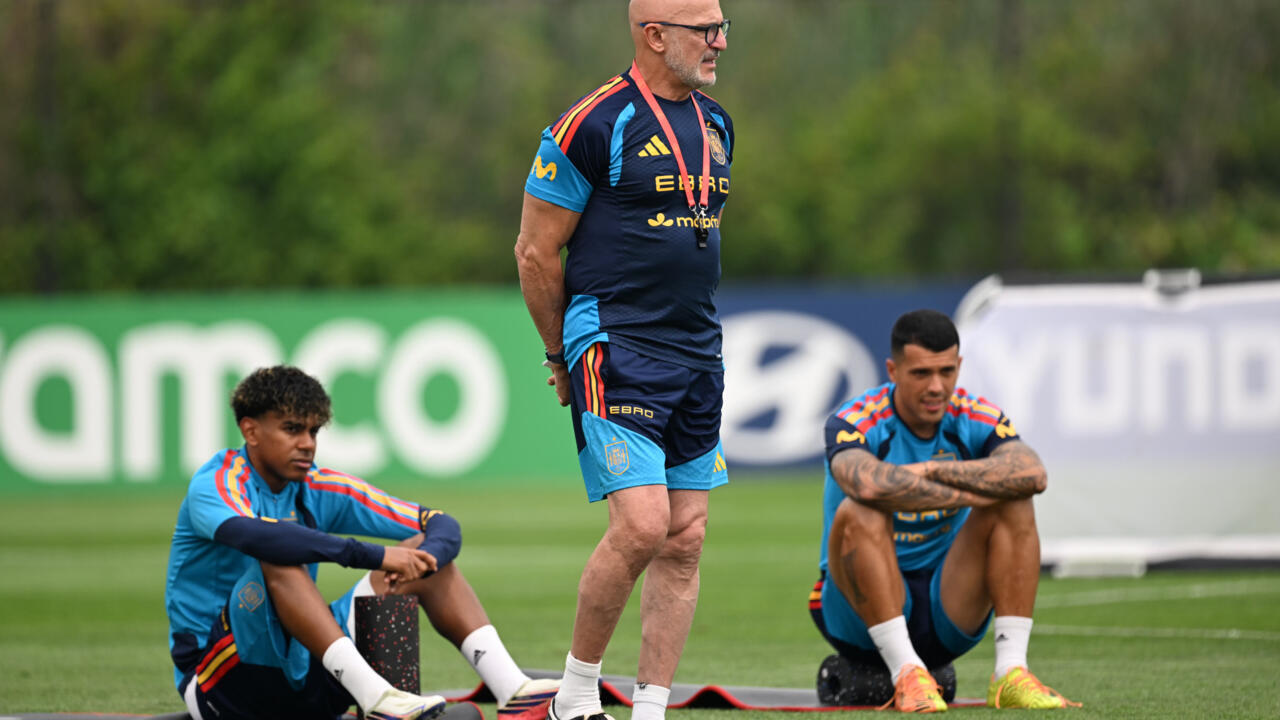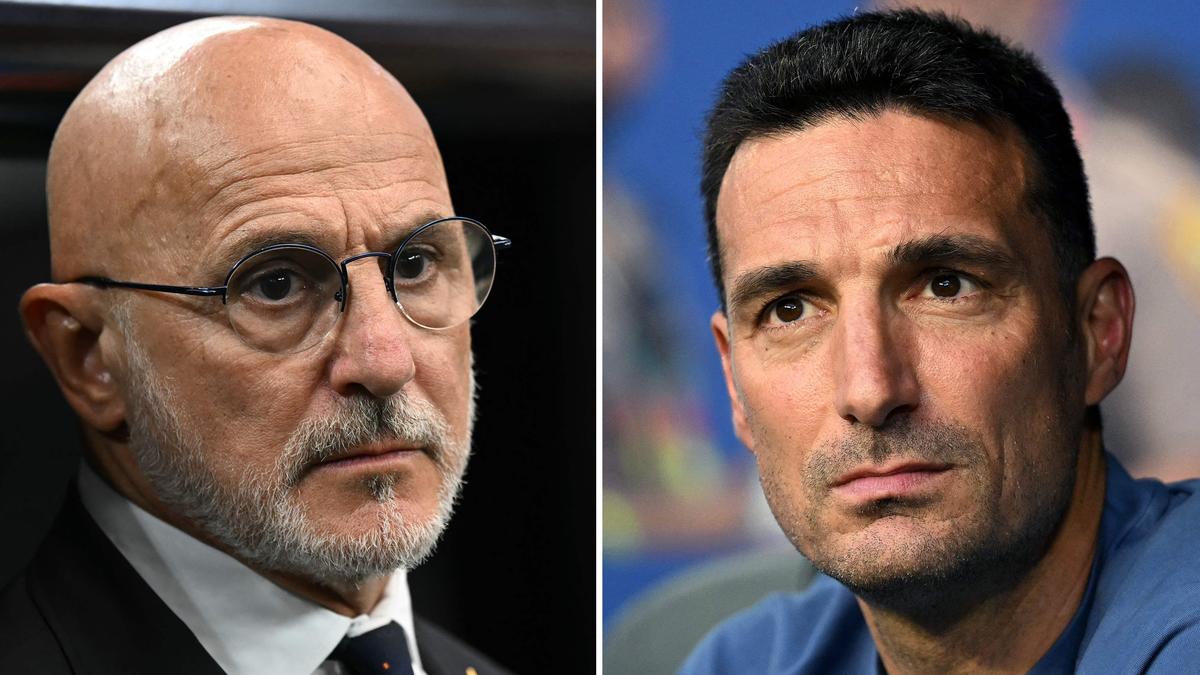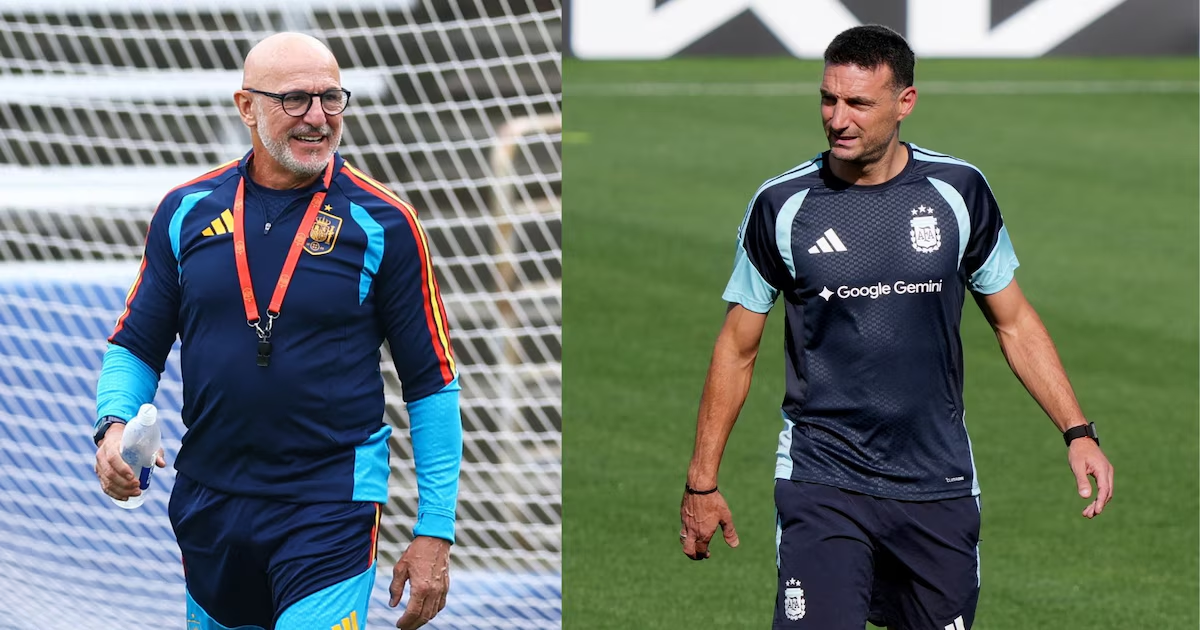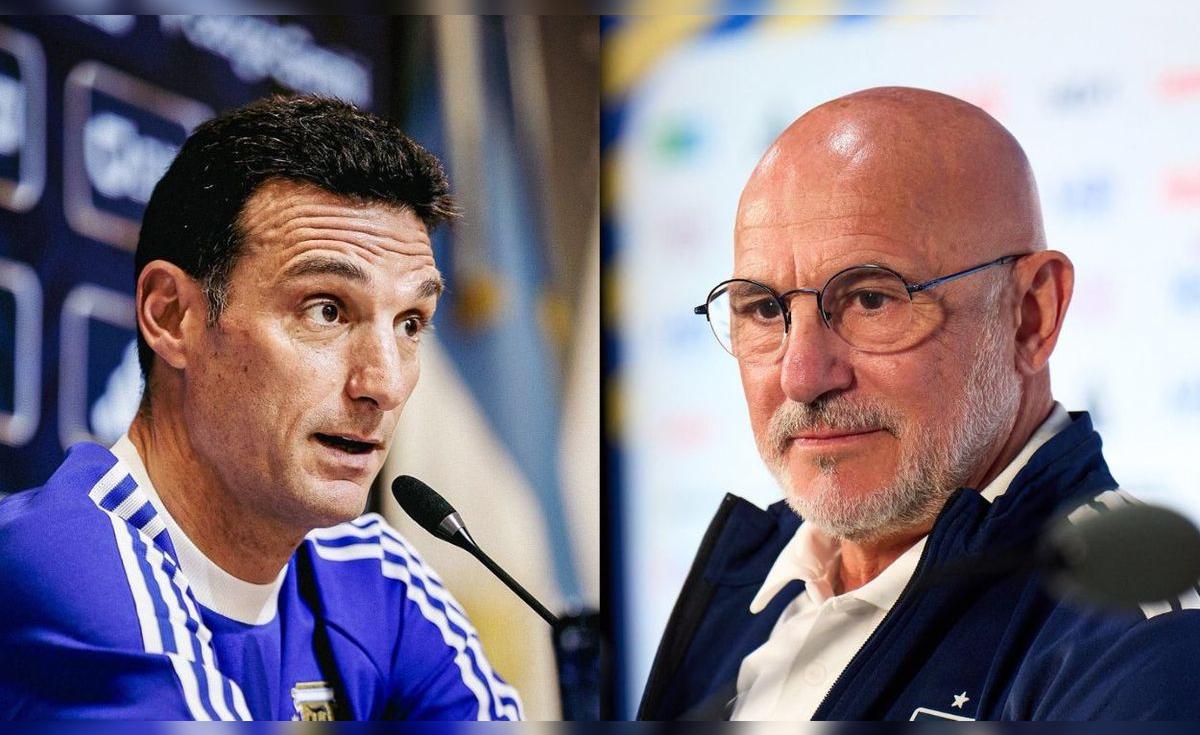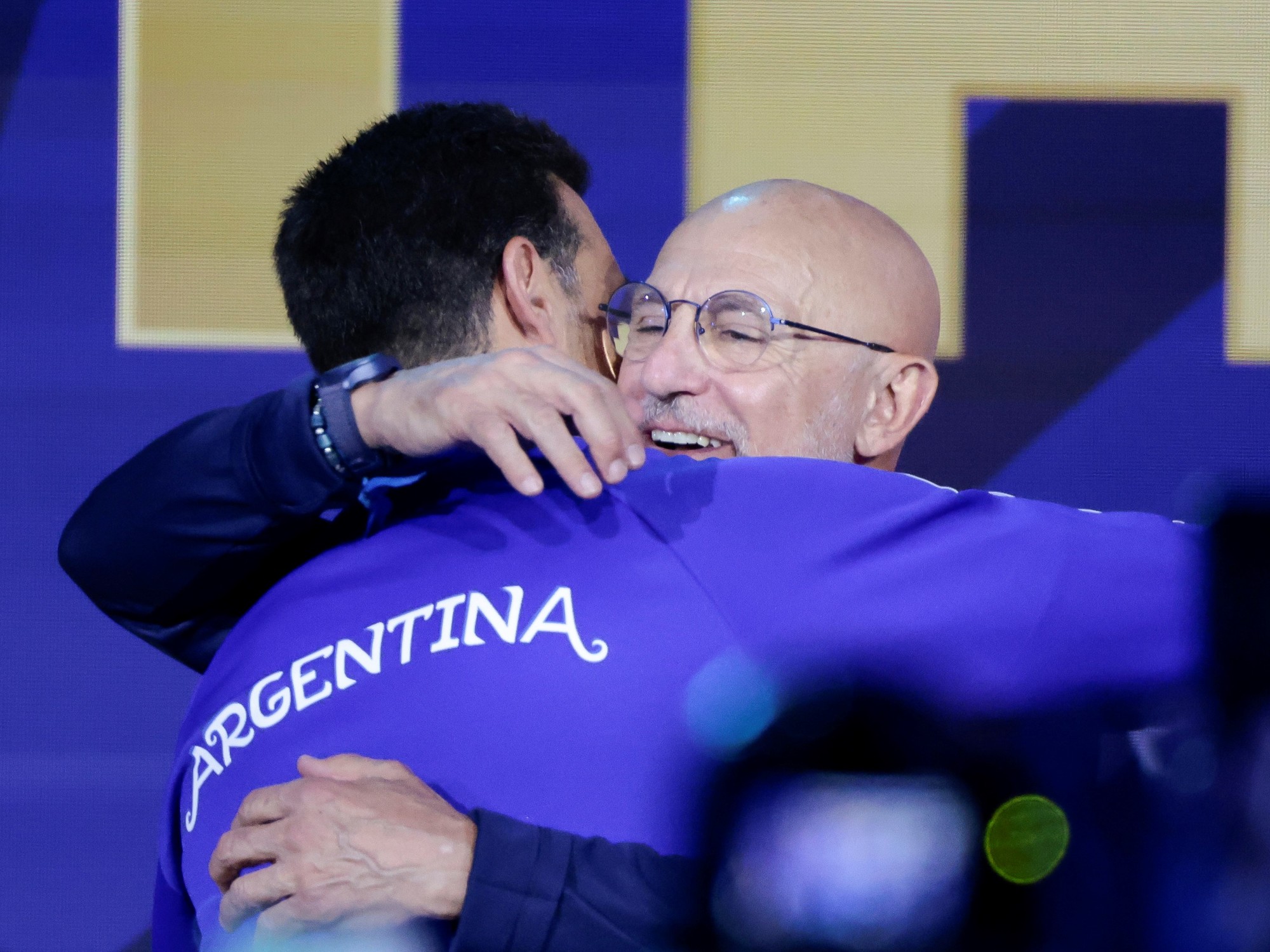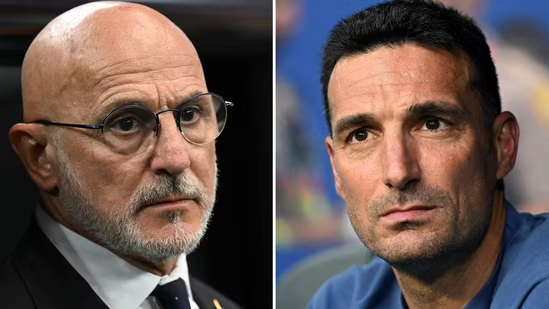
The World Cup final appears, at first glance, to have been arranged by football’s instinct for theatre. Lionel Messi, aged 39, stands one victory away from completing an unprecedentedly graceful farewell. Across from him is Lamine Yamal, 20 years his junior, carrying the promise of everything the game might become after Messi has gone.Luis de la Fuente in Arlington and Lionel Scaloni in Miami Gardens. (AFP)Yet the more intriguing master-and-prodigy confrontation will unfold several metres beyond the touchline.When Argentina meet Spain in New Jersey on Sunday, Lionel Scaloni will attempt to defend the World Cup against Luis de la Fuente, one of the instructors who helped educate him as a coach. Before Messi confronts his possible successor, therefore, the pupil must overcome the professor.Their relationship dates to 2017, when Scaloni, recently retired as a player, enrolled in the Spanish football federation’s UEFA Pro Licence course at Las Rozas. De la Fuente, then working within Spain’s youth system, was among those who instructed him as he took his first steps towards management.Neither could have imagined that their lessons on building teams and organising football would eventually be examined under the unforgiving lights of a World Cup final.Scaloni has spoken warmly of the assistance De la Fuente gave him during that period. De la Fuente, in turn, has watched his former student transform a fractured Argentina into world champions. Their reunion is not merely personal nostalgia inserted into an enormous match. It is the final’s central coaching argument: two men shaped within Spanish football, now leading teams constructed in strikingly different ways.Two coaches, two ways of managing geniusDe la Fuente represents institutional continuity. He spent years travelling through Spain’s national age-group structure, winning the European Under-19 Championship in 2015 and the Under-21 title in 2019 before graduating to the senior side. Many of his players were known to him long before they became global stars.Scaloni’s ascent was far less conventional. Argentina’s job was his first senior managerial position. Initially appointed on an interim basis after the wreckage of the 2018 World Cup, he inherited a divided national team, uncertainty around Messi and a football culture suffocating beneath years of accumulated disappointment.He answered not by imposing the authority of a celebrated coach, but by creating trust. Argentina subsequently won the 2021 Copa América, the 2022 World Cup and the 2024 Copa América. Scaloni did not simply construct a side around Messi; he built one secure enough to allow Messi to remain extraordinary without requiring him to solve every problem alone.De la Fuente has managed Yamal through the opposite stage of greatness. His responsibility has not been to extend a legend’s career, but to prevent the weight of comparison from consuming a teenager’s.“Lamine has to be Lamine. Messi can never be repeated,” the Spain coach said before the final.That distinction explains Spain’s strength. Yamal is their most dazzling individual force, but not their entire system. De la Fuente has placed his freedom within a side governed by Rodri’s intelligence, an accomplished midfield and a defensive structure that has conceded only once during the tournament. Spain arrive unbeaten in 37 matches, seeking their second world title after 2010.Argentina, pursuing a fourth crown and attempting to become the first nation since Brazil in 1962 to retain the World Cup, have travelled through the tournament differently. Messi has supplied eight goals and four assists, but Scaloni’s team have repeatedly survived through their collective nerve, tactical adjustments and capacity to strike late.Also Read: Lionel Messi faces Lamine Yamal as the World Cup 2026 final becomes football's most extraordinary generational duelThat contrast will define the final. De la Fuente must decide how aggressively Spain can dominate possession without exposing themselves to Argentina’s transitions. Scaloni must determine whether to disrupt Spain high up the pitch or retreat into a narrower structure capable of denying Yamal the isolation he desires.Even De la Fuente’s plan for Messi carries the memory of an old lesson. Coaching Sevilla’s youth team against Barcelona in 2004, he attempted to man-mark the teenage Argentine. Once Messi’s assigned marker was withdrawn after being booked, he scored four times. De la Fuente has already declared that Spain will not repeat that approach in New Jersey.The obvious story of the final is Messi against Yamal: the master confronting the prodigy as one era approaches its end and another begins to announce itself.But neither player will determine that succession alone. Behind them stand two coaches connected by a classroom in Las Rozas and divided by one final examination. Scaloni must prove how far the student has travelled. De la Fuente must discover whether the greatest lesson a teacher can deliver is also the most painful: preparing a pupil capable of defeating him.
The teacher and the tactician he helped mould: De la Fuente and Scaloni collide in World Cup 2026 final's coaching duel
Former professor Luis de la Fuente faces ex-student Lionel Scaloni as Spain and Argentina contest a World Cup final shaped by contrasting coaching visions. | Football News
781 words~4 min read