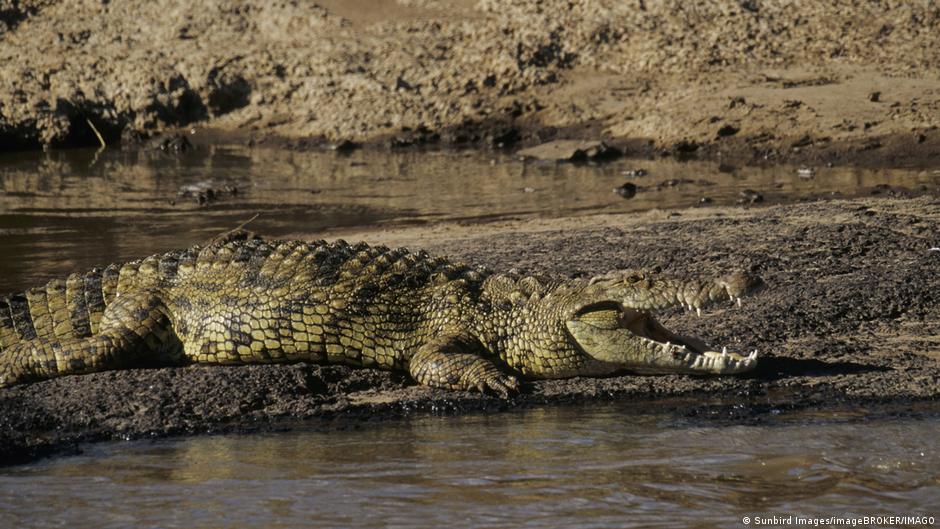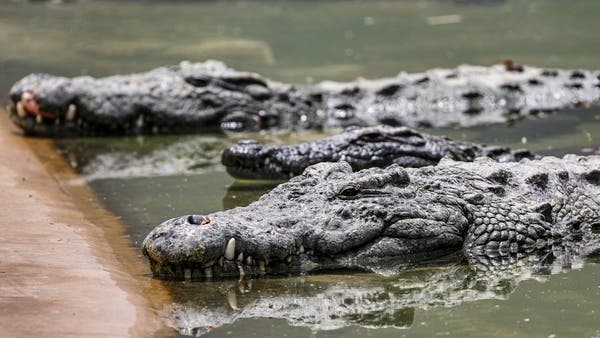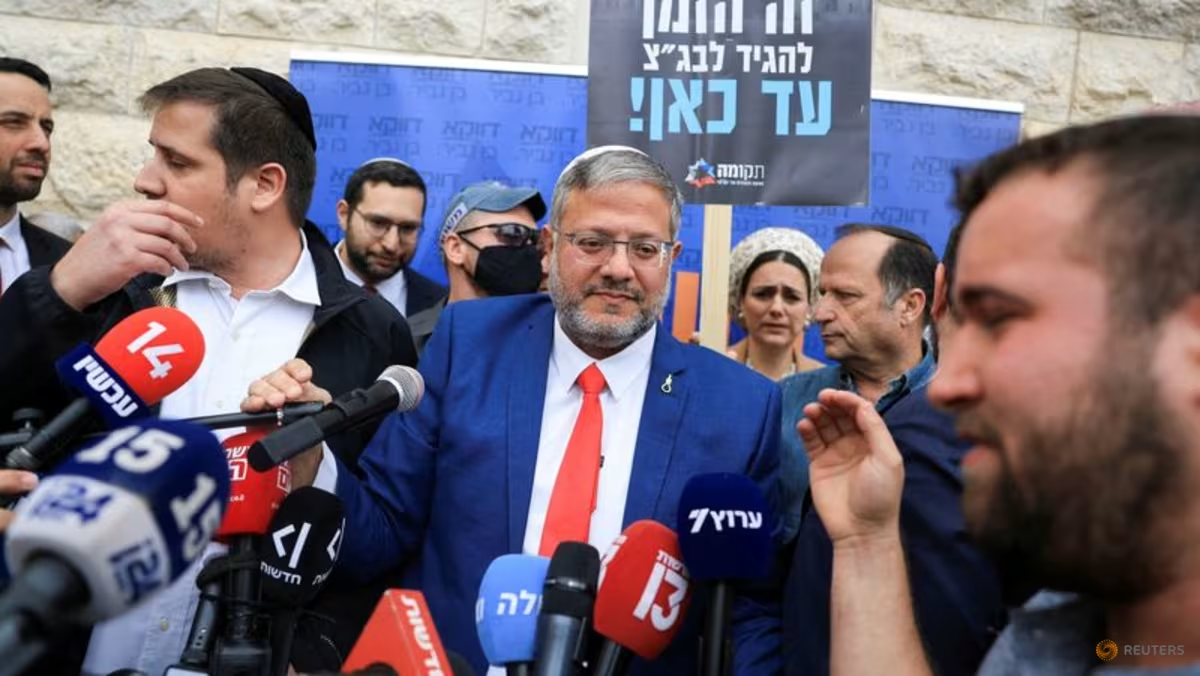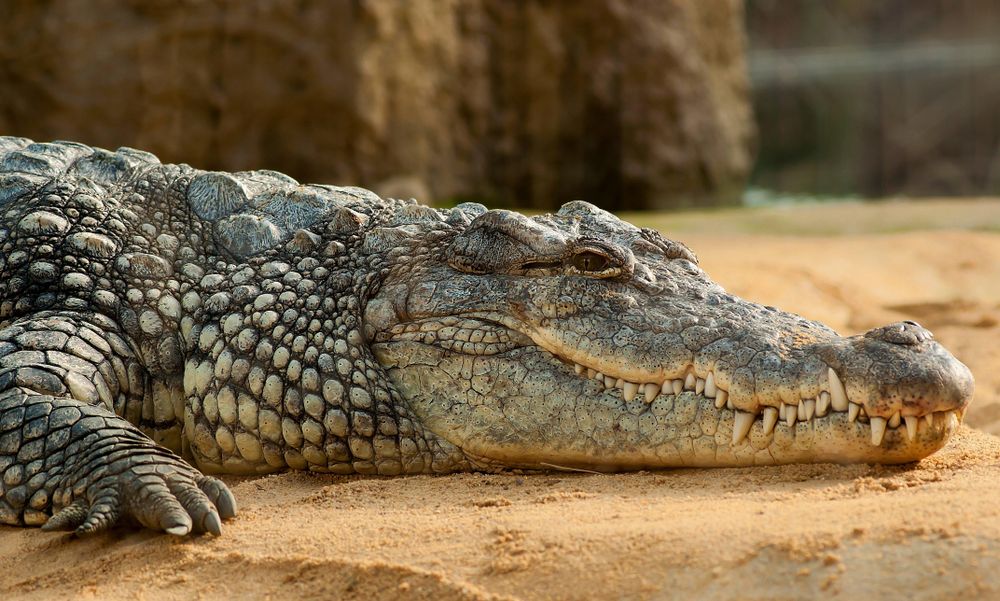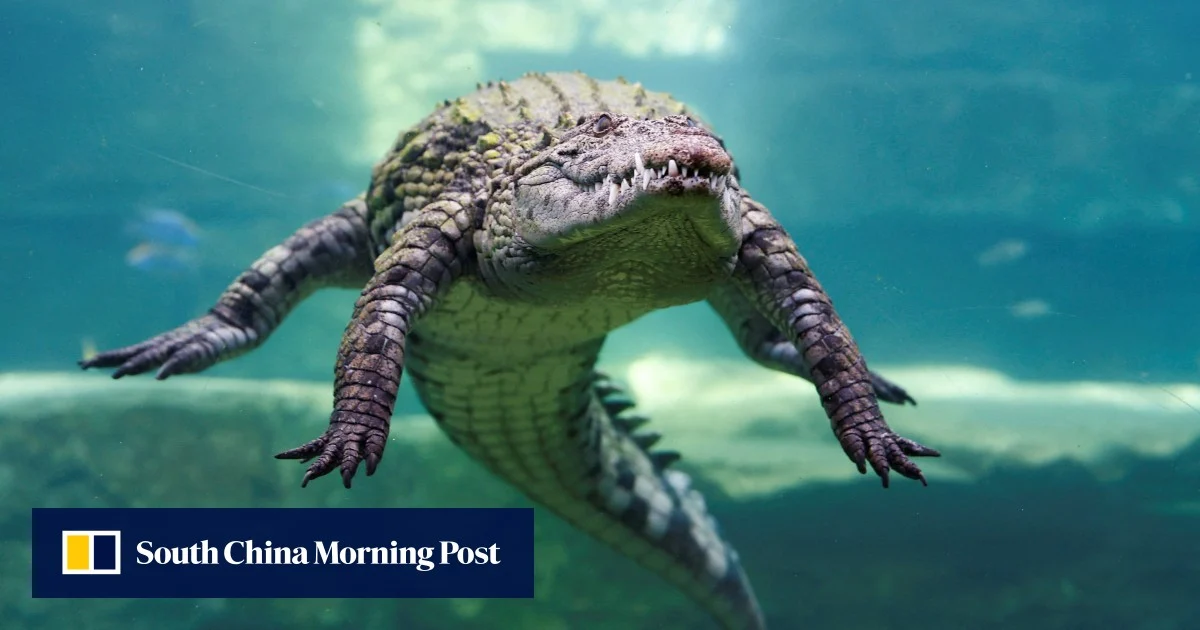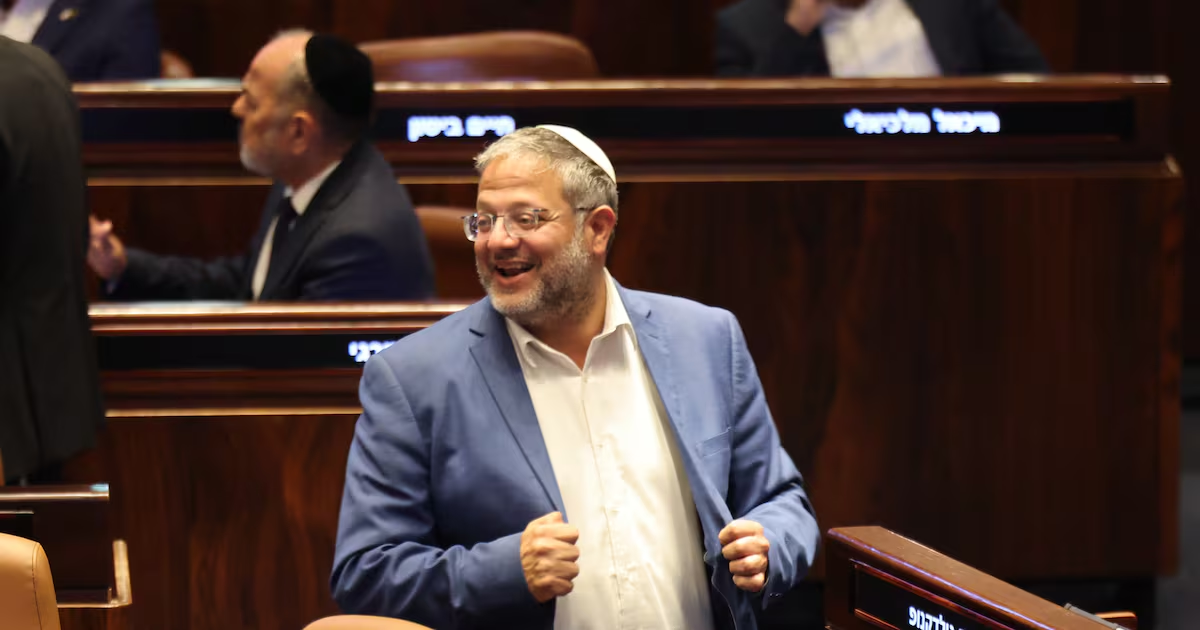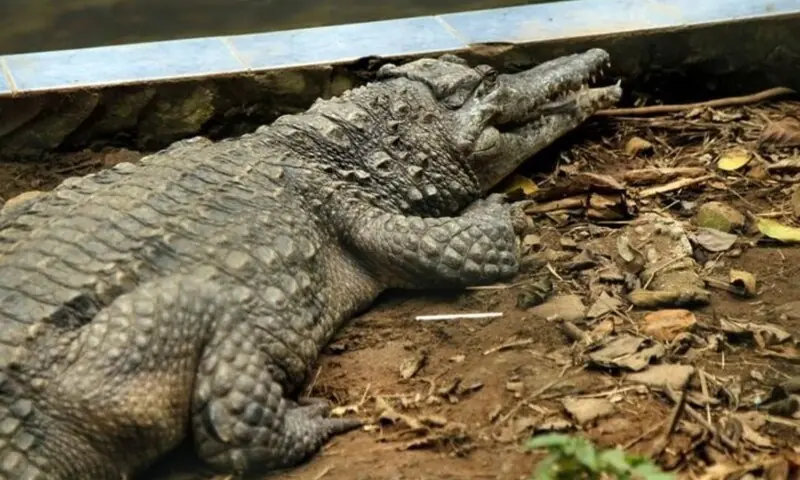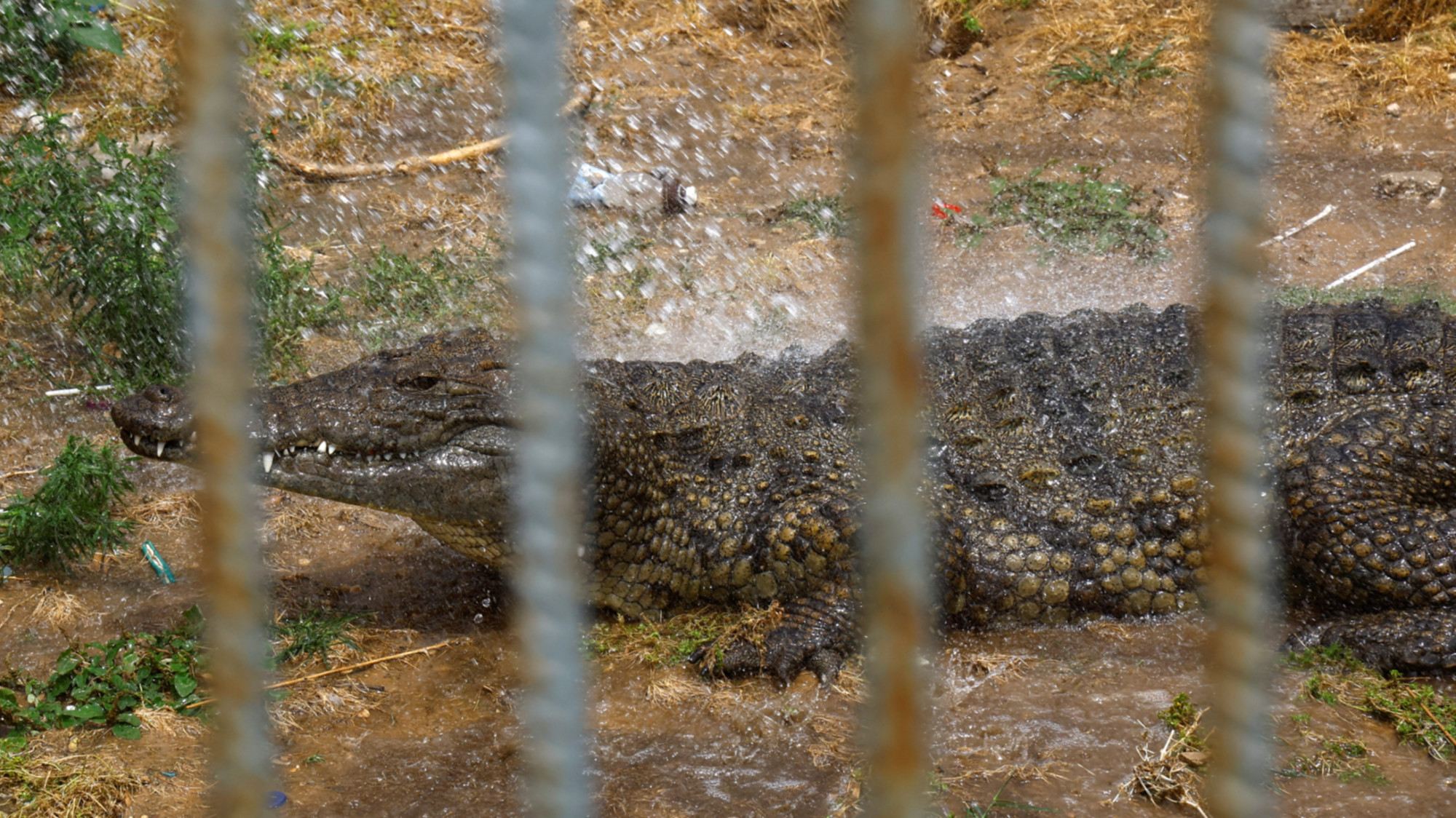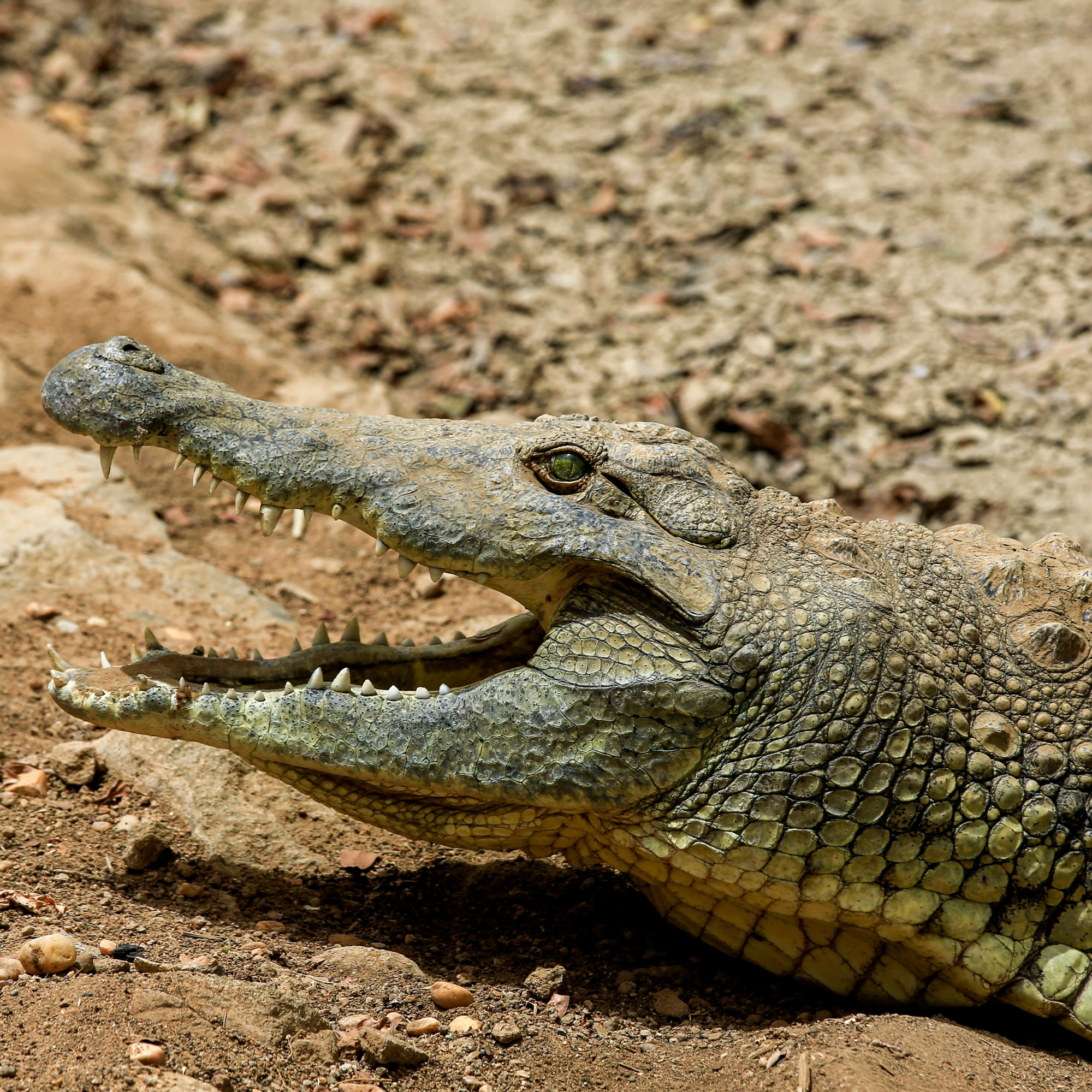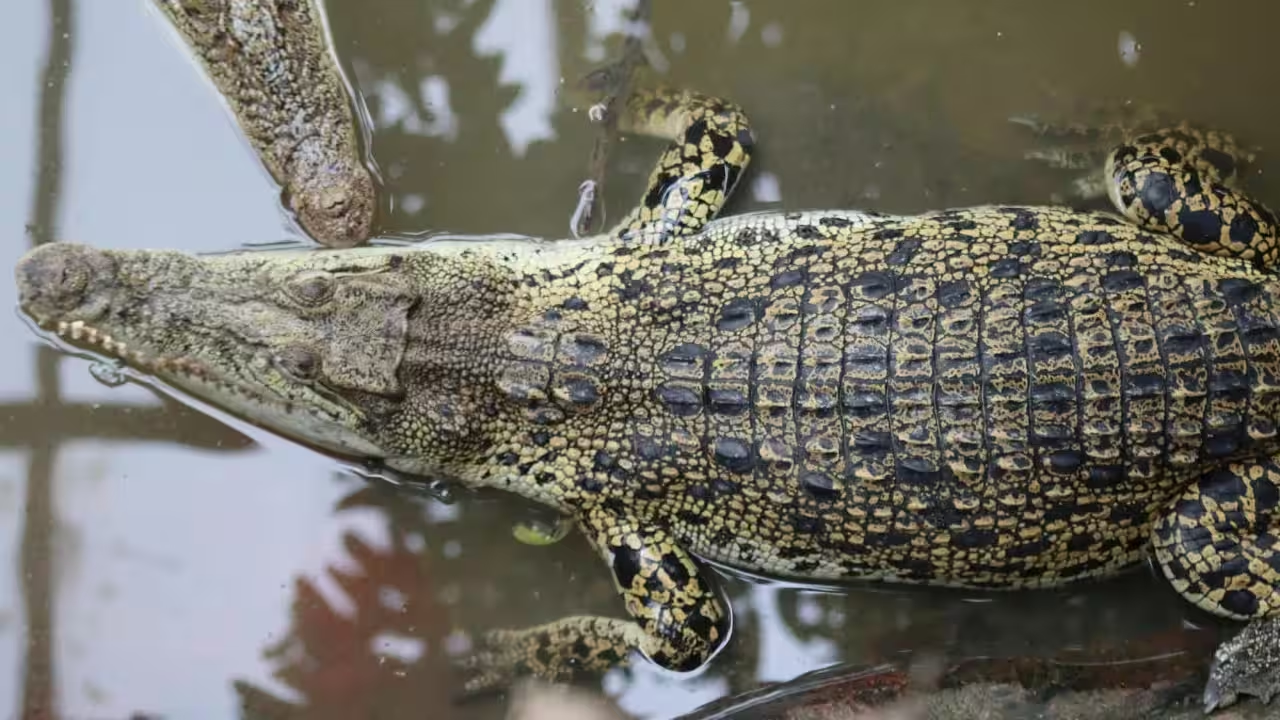
A controversial decision by the Israeli government has opened the door to using crocodiles as part of prison security infrastructure. Environmental protection minister Idit Silman reclassified Nile crocodiles in a move backed by Israel's far-right national security minister Itamar Ben Gvir.On Wednesday, Ben Gvir welcomed the decision in a post on social media, sharing an AI-generated image of himself holding a crocodile on a leash.According to The Times of Israel, Ben Gvir first proposed surrounding prisons with crocodiles during a December meeting with Israel Prison Service Commissioner Kobi Yaakobi. Channel 13, cited by the newspaper, reported that the proposal was initially met with ridicule by several prison service officers."Are you thinking of attempting to escape? Think again," Ben Gvir wrote. The caption accompanying the image read, "Ministers Ben Gvir and Silman are cooperating and encircling prisons with crocodiles!"The proposal gained momentum after representatives from the Israel prison service reportedly visited the Hamat Gader crocodile farm in northern Israel in January to examine the feasibility of using crocodiles for prison security.Silman's decision reclassifies Nile crocodiles as 'tended' wildlife, allowing them to be kept outside licensed zoos and sanctuaries under certain conditions.The regulation, signed into law on Wednesday, states that Nile crocodiles may be bred provided that, "they are held by a security body … under conditions determined by the Director (of the Nature and Parks Authority) to prevent their release into the wild, and subject to the Minister of Environmental Protection determining that their possession is required for security purposes".Hebrew media, cited by The Times of Israel, reported that Ben intends to first deploy crocodiles around Ketziot Prison in southern Israel, which houses a large number of Palestinian security prisoners, including Hamas members captured after the October 7, 2023 attacks.However, the proposal has faced sustained opposition from Israel's Nature and Parks Authority.However, officials argued that crocodiles can currently only be kept for educational and research purposes under existing law and warned against expanding their use for prison security."We need to protect them; they don't need to protect us. This isn't the spirit of the law," one Nature and Parks Authority official told the two ministers, according to Ynet.Silman's decision effectively grants the environmental protection minister the authority to approve crocodiles being kept at designated detention facilities, subject to conditions set by the Nature and Parks Authority's director to prevent any impact on wildlife.The ministry's legal adviser had warned Silman she lacked the authority to unilaterally lay the legal groundwork for the use of crocodiles in prisons. Despite the advice, Silman proceeded with the decision.The Nature and Parks Authority is expected to revisit the issue at an upcoming meeting after the minister's move bypassed the ministry's legal advice, according to Hebrew media.The proposal has drawn comparisons with the South Florida detention facility, informally known as "Alligator Alcatraz", which was established in an alligator-inhabited area of the Florida Everglades to detain migrants. According to the South China Morning Post, that facility has faced criticism over detention conditions and legal challenges from environmental and Indigenous groups.The regulatory change does not automatically authorise the deployment of crocodiles around Israeli prisons. Further approvals from relevant authorities and implementation decisions will be required before the proposal can be put into practice, while legal and environmental scrutiny over the measure is expected to continue.
Israel clears way for crocodile-guarded prisons in controversial rule change
A controversial decision by the Israeli government has opened the door to using crocodiles as part of prison security infrastructure. Environmental protection minister Idit Silman reclassified Nile crocodiles in a move backed by Israel's far-right national security minister Itamar Ben Gvir.
546 words~2 min read