South Africa's middle class is under unprecedented pressure as rising living costs, debt and failing public services erode financial security and optimism. The writer explores how the country's economic squeeze is reshaping political attitudes, social behaviour and the future of the middle class.
South Africa’s middle class has always been more than a demographic category. It has been a national symbol. It has been the living proof that mobility was possible. It has been the emotional centre of the democratic project.
For three decades, the middle class carried the story of a country trying to rebuild itself from the ruins of apartheid. It carried the belief that education could rewrite destiny, that work could secure dignity, that homeownership could anchor identity and that stability could be earned through discipline and sacrifice.
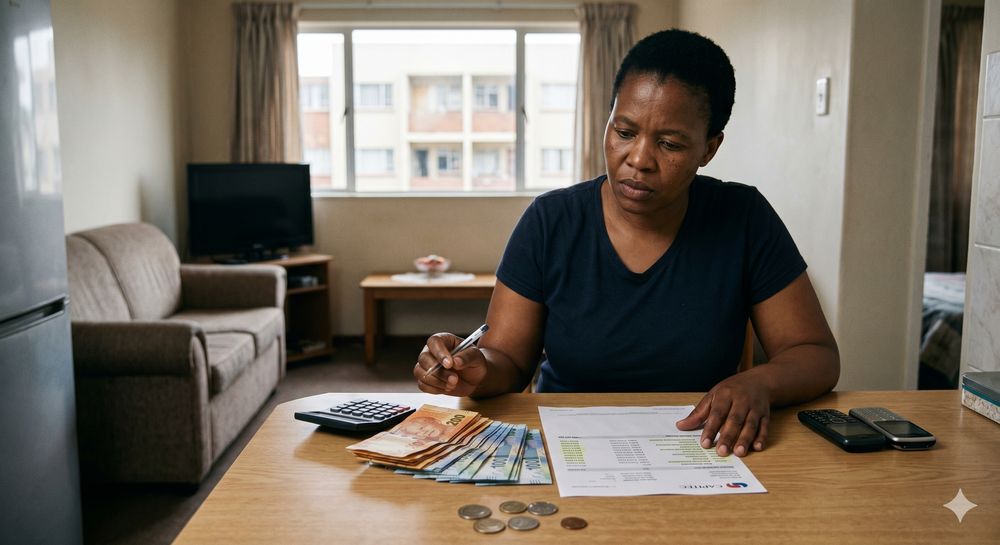
Today, that centre is shifting. The middle class is not collapsing. It is not disappearing. It is quietly unravelling. The unravelling is psychological and economic at the same time. It is a slow erosion of confidence that is reshaping the country’s political mood. It is happening in homes, in budgets, in conversations and in the private anxieties that never make it into public debate.