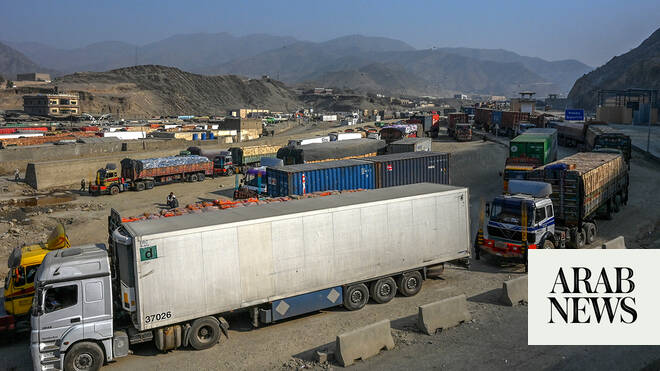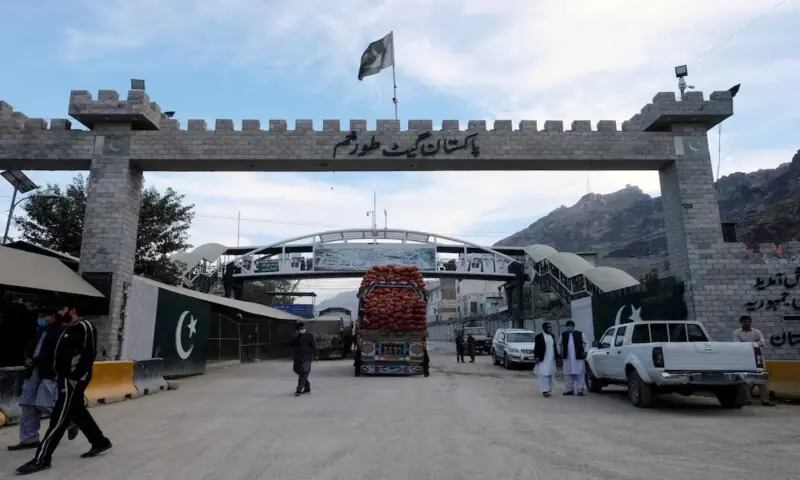
Trade data shows that export losses for Afghanistan have reached around 10 per cent since October 10, compared with about 0.6pc for Pakistan due to the suspension of bilateral trade, placing Kabul at a clear disadvantage.
Unlike the common perception, the suspension of bilateral trade between Islamabad and Kabul for nearly two-and-a-half months has hit Afghanistan far harder than Pakistan, with export losses running several times higher for Kabul, calling attention to the uneven economic toll of the prolonged disruption.
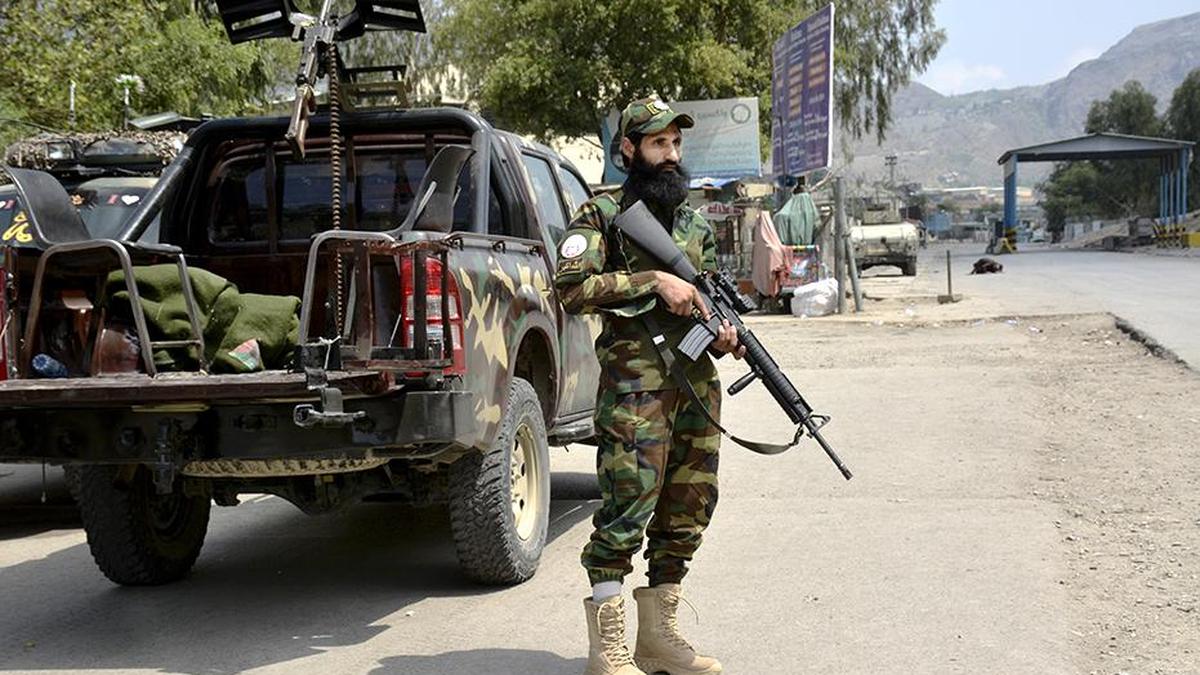
Pakistan–Afghanistan relations have deteriorated amid tensions over the banned Tehreek-i-Taliban Pakistan (TTP), with Islamabad pressing Kabul to curb cross-border terrorism. After border clashes on October 11, a temporary ceasefire followed talks in Doha and later in Istanbul, but successive rounds of negotiations failed to produce a workable solution despite mediation by Turkiye and Qatar.
Pakistan declared the talks effectively over on November 7 after big differences persisted, after which Afghanistan suspended trade ties, while Pakistan had already closed its border following the clashes.
Trade data shows that the export losses for Afghanistan have reached around 10 per cent since October 10, 2025, compared with about 0.6pc for Pakistan due to the suspension of bilateral trade, placing Kabul at a clear disadvantage as the prolonged disruption continues to weigh more heavily on the Afghan economy.