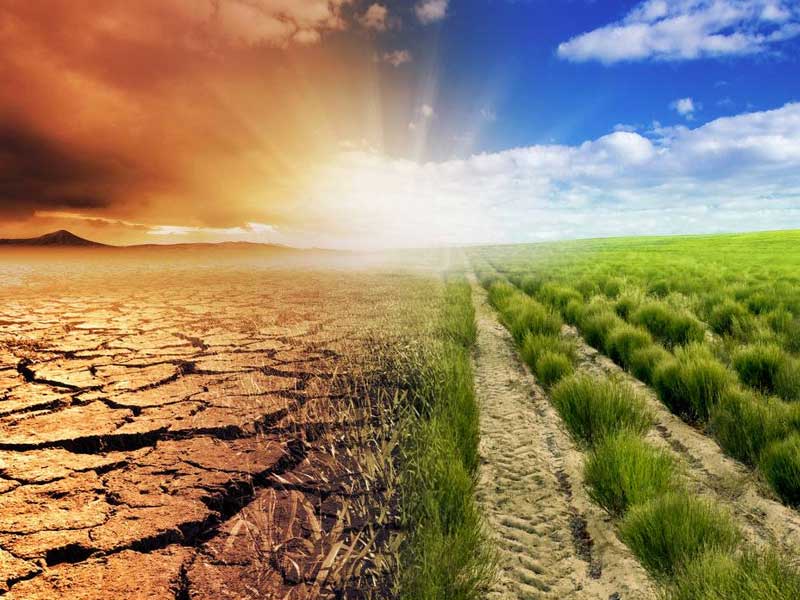
The shrinking of Lake Chad is not just an environmental problem; it is a humanitarian catastrophe, while others see it as a lack of opportunities for young people, especially for communities that depend on the lake for fishing, farming, and herding. The lake has become a matter of survival rather than sustainability.
This dramatic reduction, driven by climate change, has caused devastating social, economic, and environmental consequences for Nigeria, Chad, Niger, and Cameroon. Over the past decades, the lake has shrunk by more than 90 percent, transforming from a vast inland sea into scattered ponds and marshes.
The effects of the lake’s decline have also contributed to regional insecurity. As a result, the environmental crisis has become linked with violent extremism, creating a vicious cycle that threatens regional peace and stability.
The Lake Chad basin, once a source of peace and stability among nations, is now a hotspot of insecurity and ecological disaster.
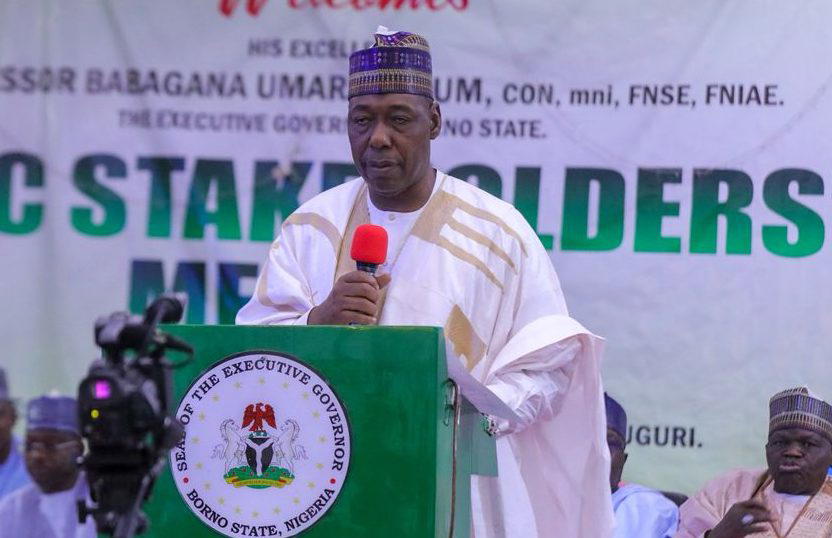
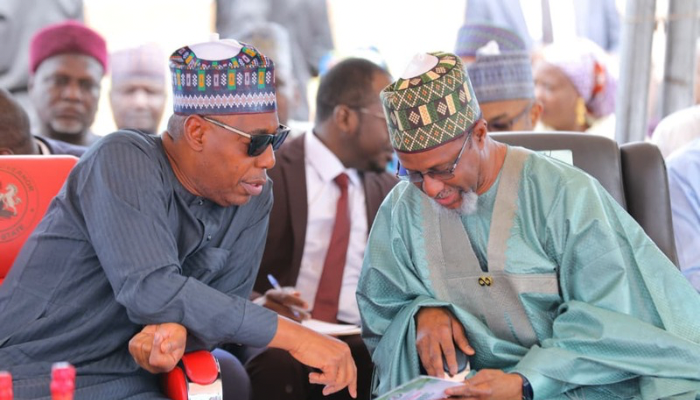
Speaking during the flag-off of the four million tree-planting campaign in Maiduguri, Balarabe Lawal, minister of Environment, described the receding inland Lake as a major catastrophe; however, while acknowledging the frantic efforts of Governor Zulum’s administration to reduce climate change impact in the state, it is worthy of emulation by other state governments.