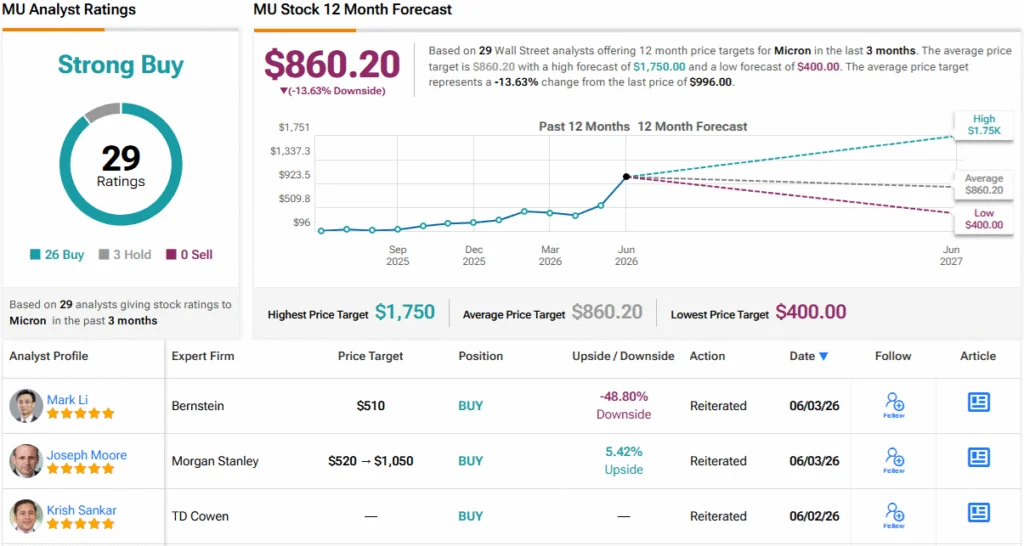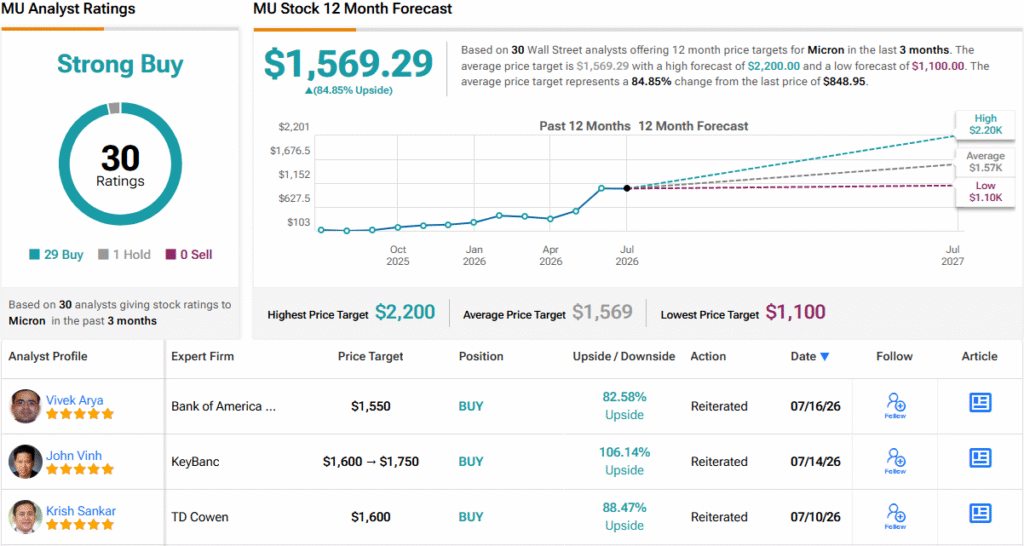
So, what changed for a stock that, until just last month, had been one of the biggest winners of the AI boom?
The answer comes down to several developments that unfolded over the past few weeks. Industry forecasts continue to call for DRAM and NAND memory prices to rise during the third quarter, although at a slower pace than in the previous quarter. Over the same period, Samsung reported quarterly results that disappointed investors’ expectations for its AI memory business, weighing on memory stocks across the sector.
Investors also had to digest a new antitrust lawsuit accusing Micron, Samsung, and SK hynix of coordinating DRAM supply reductions to inflate prices. Meanwhile, reports that Meta could eventually commercialize portions of its AI infrastructure raised concerns that hyperscalers may ultimately need to build less capacity themselves, potentially moderating future AI infrastructure spending. Investor sentiment also took a hit after Micron CEO Sanjay Mehrotra sold about $46 million worth of company stock near the stock’s peak, although the transactions were executed under a prearranged Rule 10b5-1 trading plan.
While those headwinds have made investors far more cautious, one top investor, known by the pseudonym PropNotes and ranked among the top 1% of experts on TipRanks, believes the market is paying far too much attention to recent volatility while losing sight of what matters over the long run.