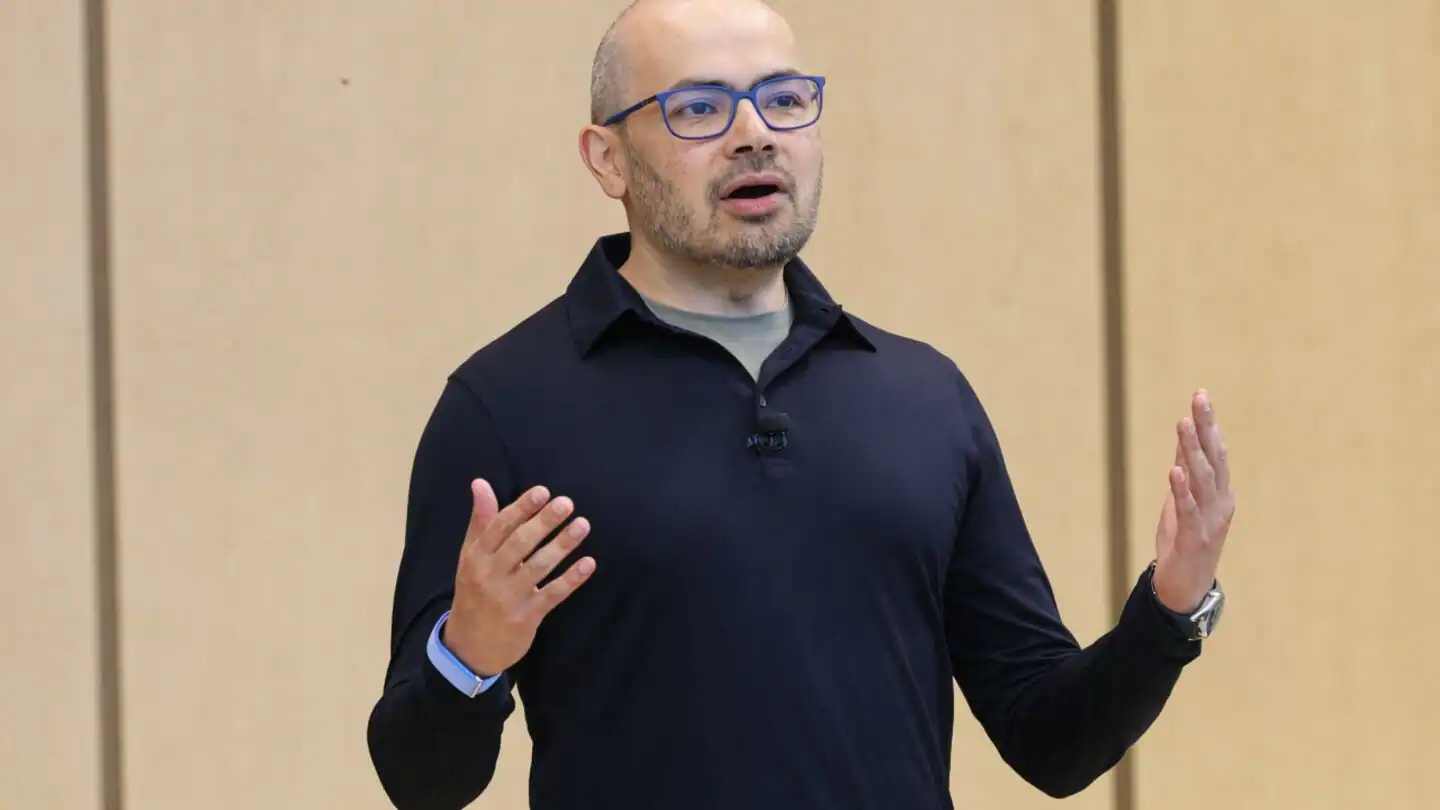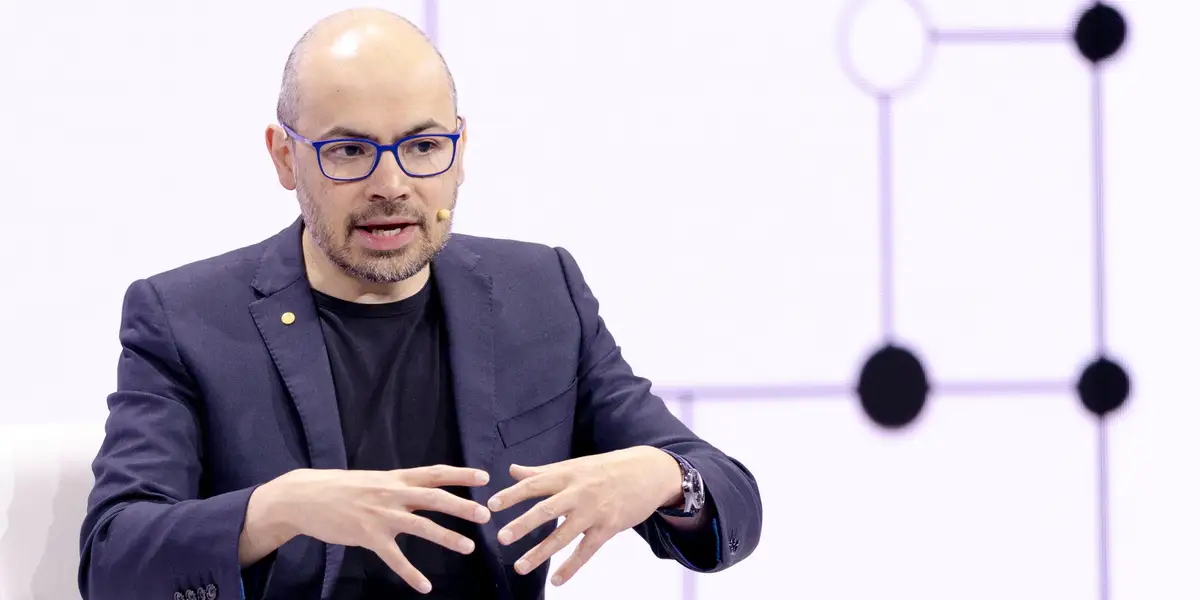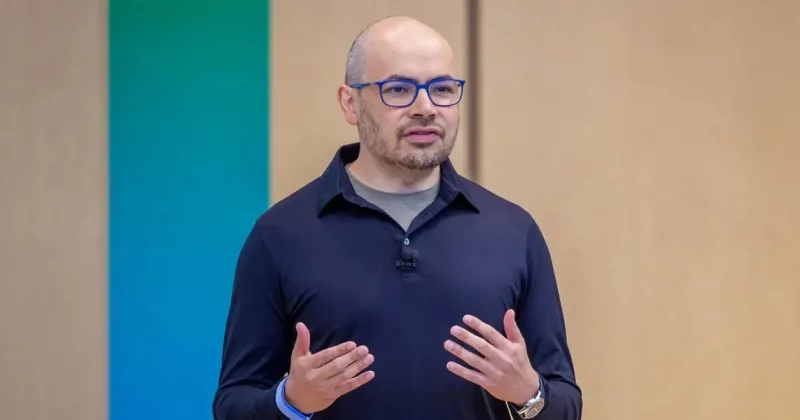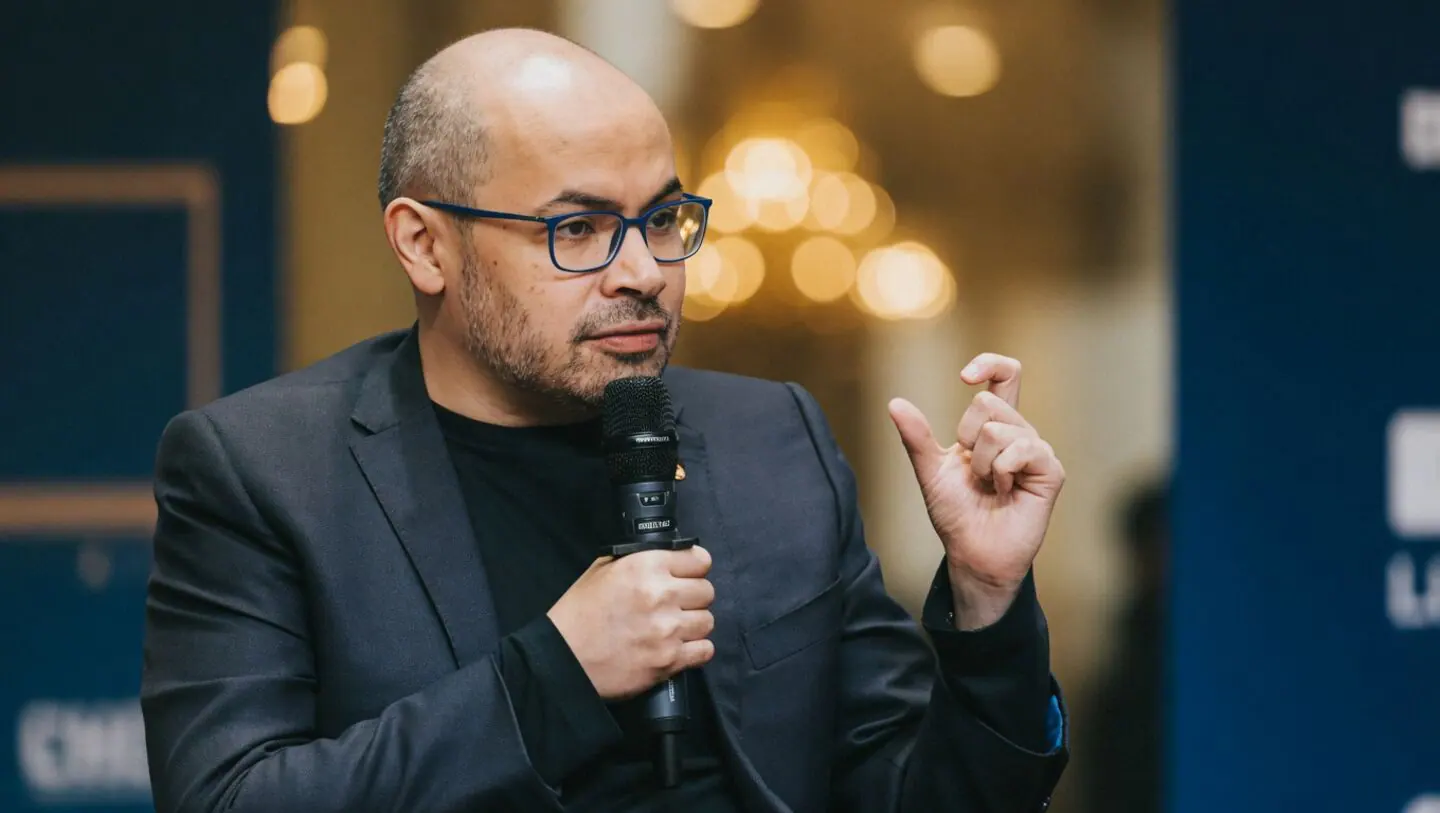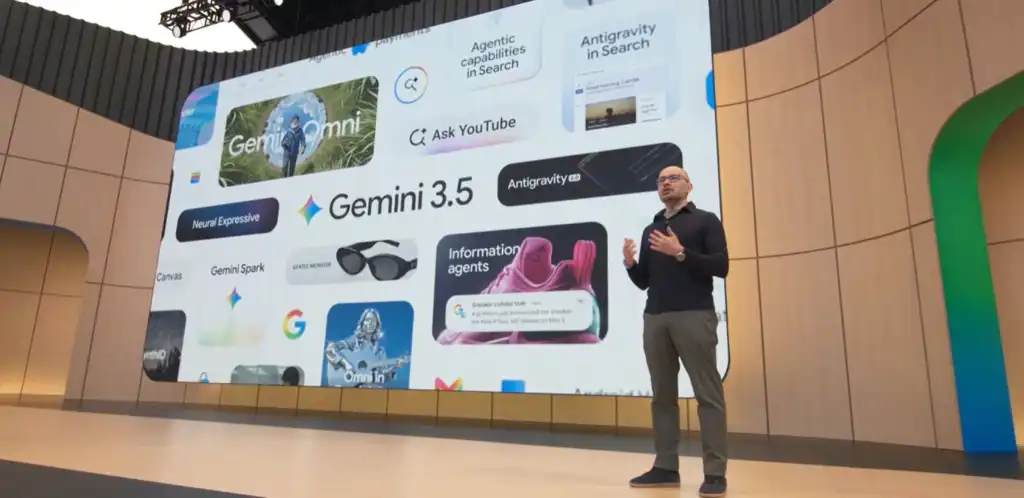
On July 17, a Spanish paper ran a headline that Demis Hassabis, the head of Google DeepMind and a chemistry Nobel laureate, gives the world three to four years until AGI arrives. Three days earlier he had written it more carefully himself: artificial general intelligence is "probably only a few short years away," and we are standing in the "foothills of the singularity."
Read that next to the independent forecasters. Metaculus, the largest public prediction community, puts the median for a general AI system somewhere around 2033. The last big survey of 2,778 machine learning researchers landed on 2047 for machines outperforming humans at every task. Daniel Kokotajlo, who wrote the widely read "AI 2027" scenario, revised his own timeline in December and pushed superintelligence out to roughly 2034.
So the person running one of the three leading labs says a few years. The forecasting crowd says one to two decades. They are looking at the same models. When the serious estimates disagree by a factor of ten, "when does AGI arrive" stops being a planning question. It becomes a bet, and nobody can price it.
The good news: it is also the wrong question. There is a second story underneath the timeline fight that almost nobody argues about, and that one you can actually plan around.