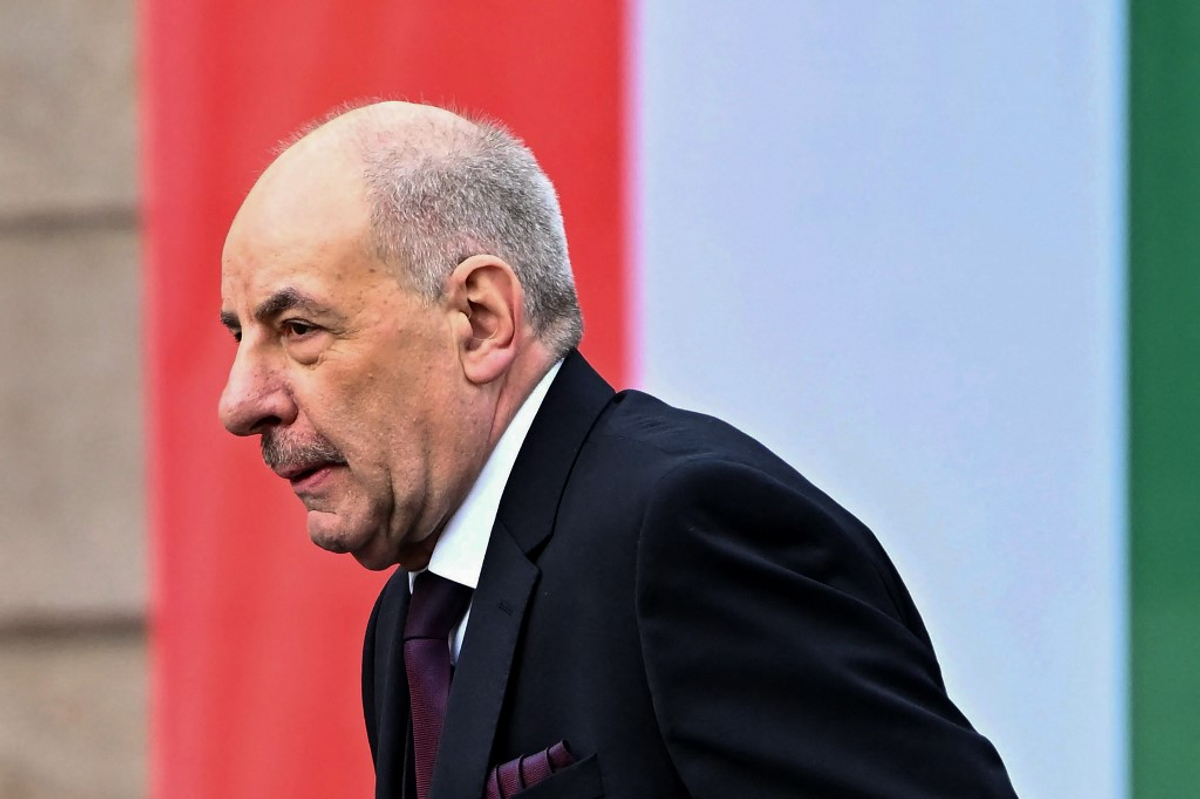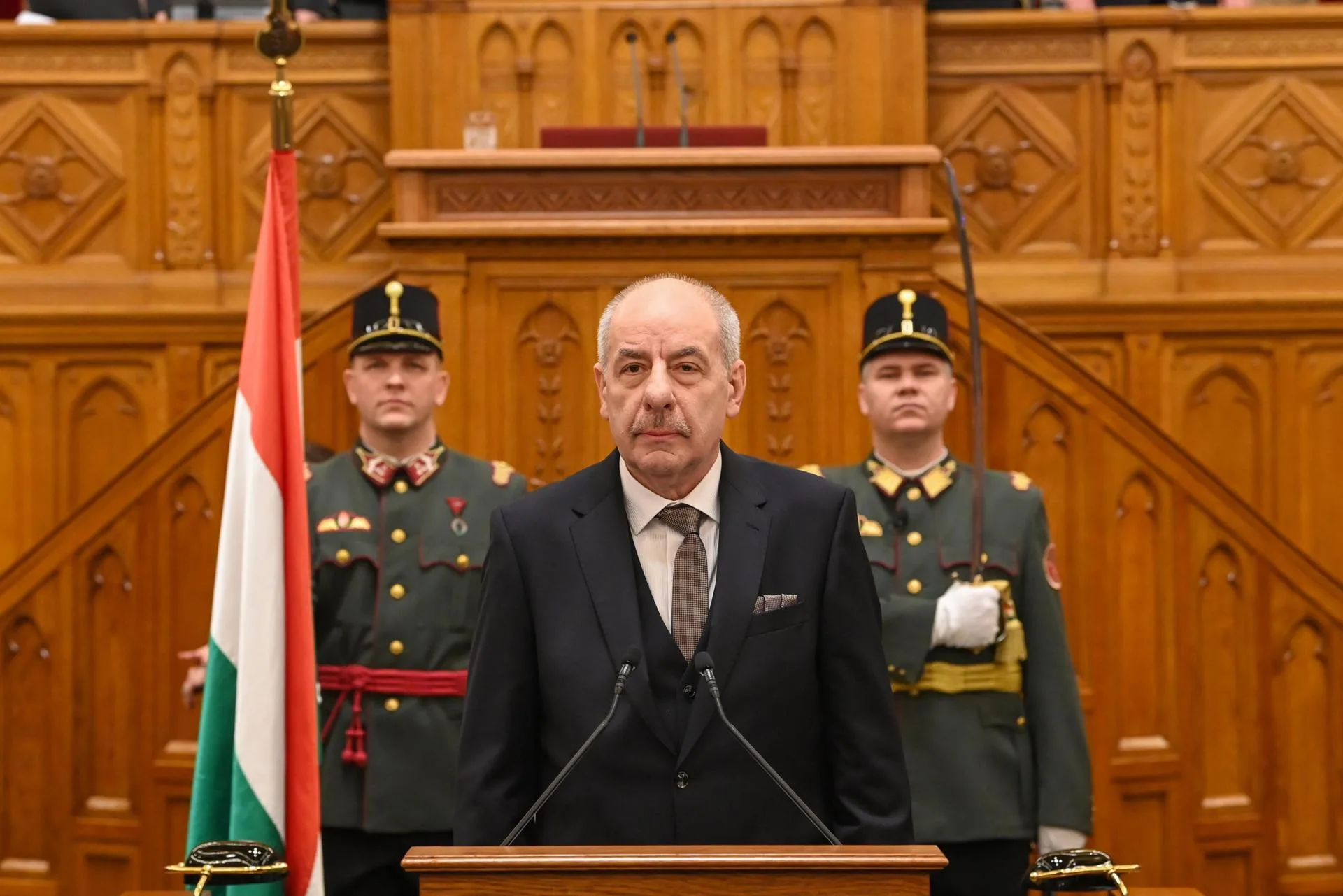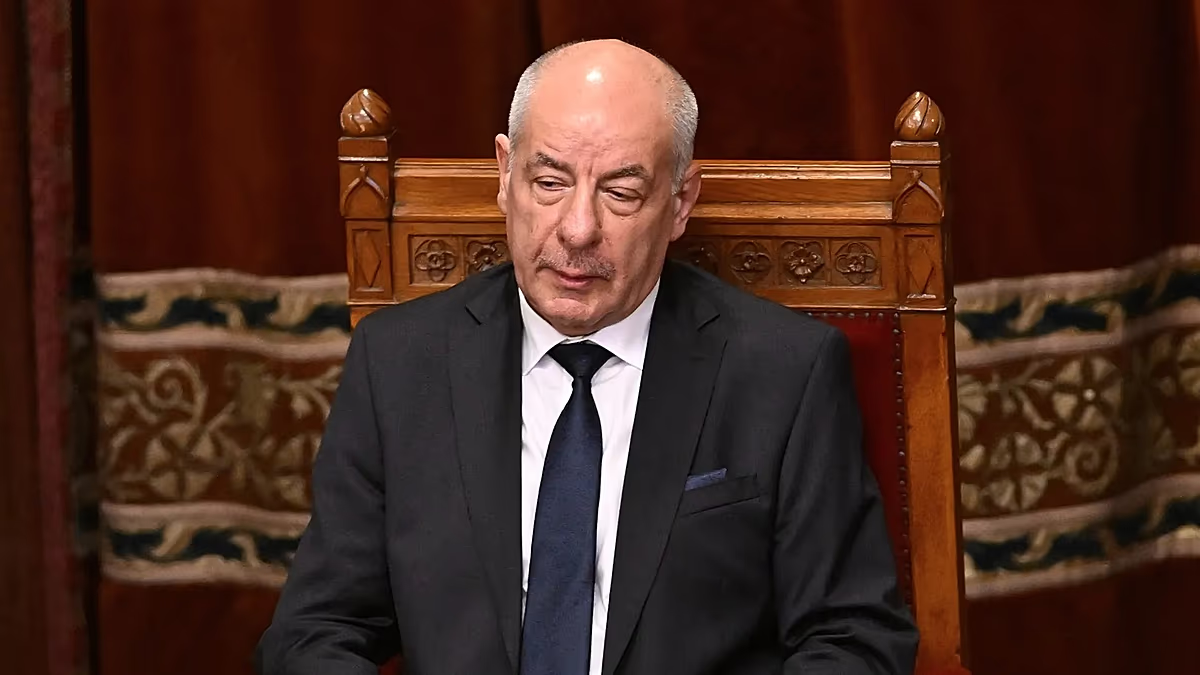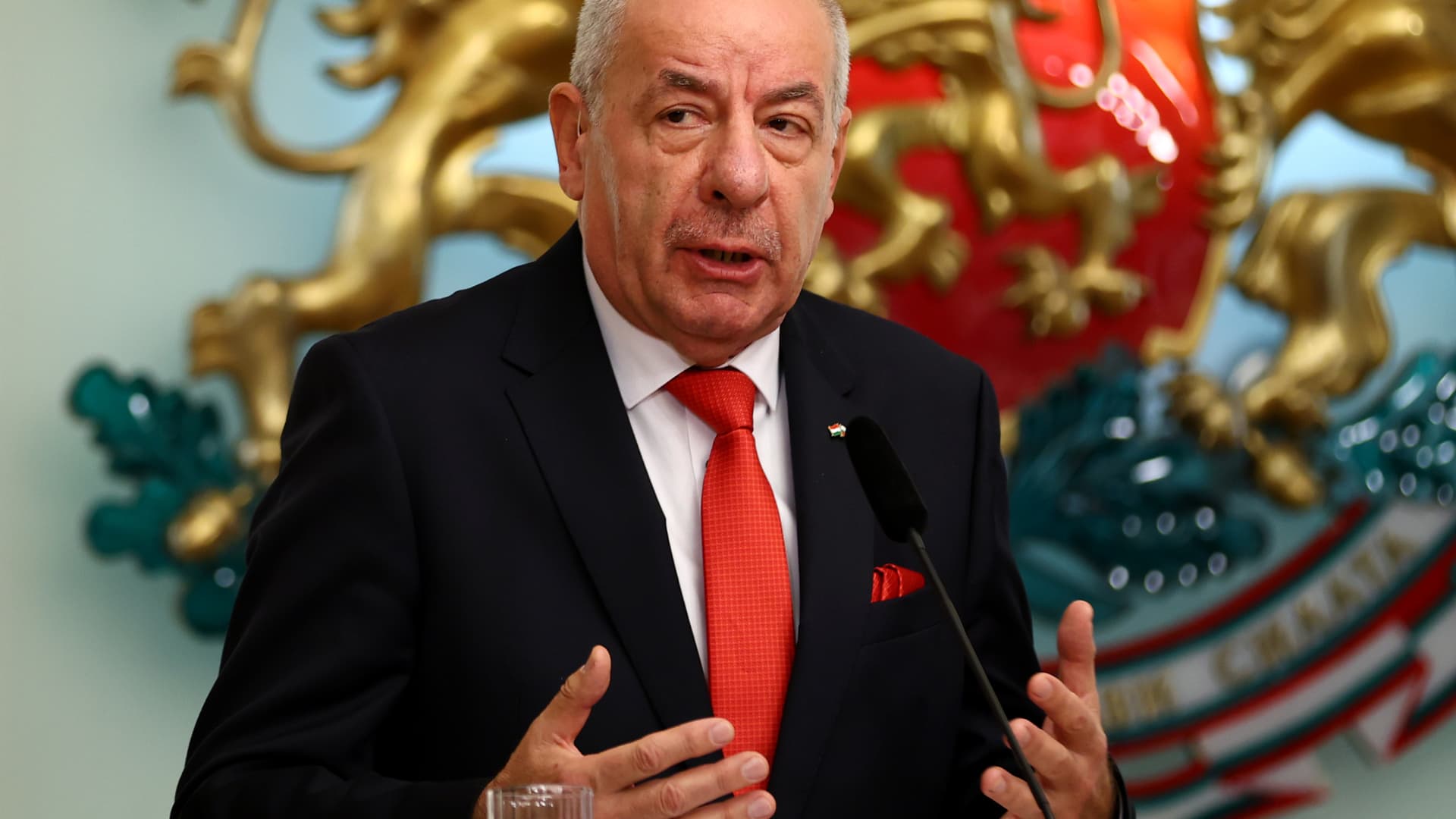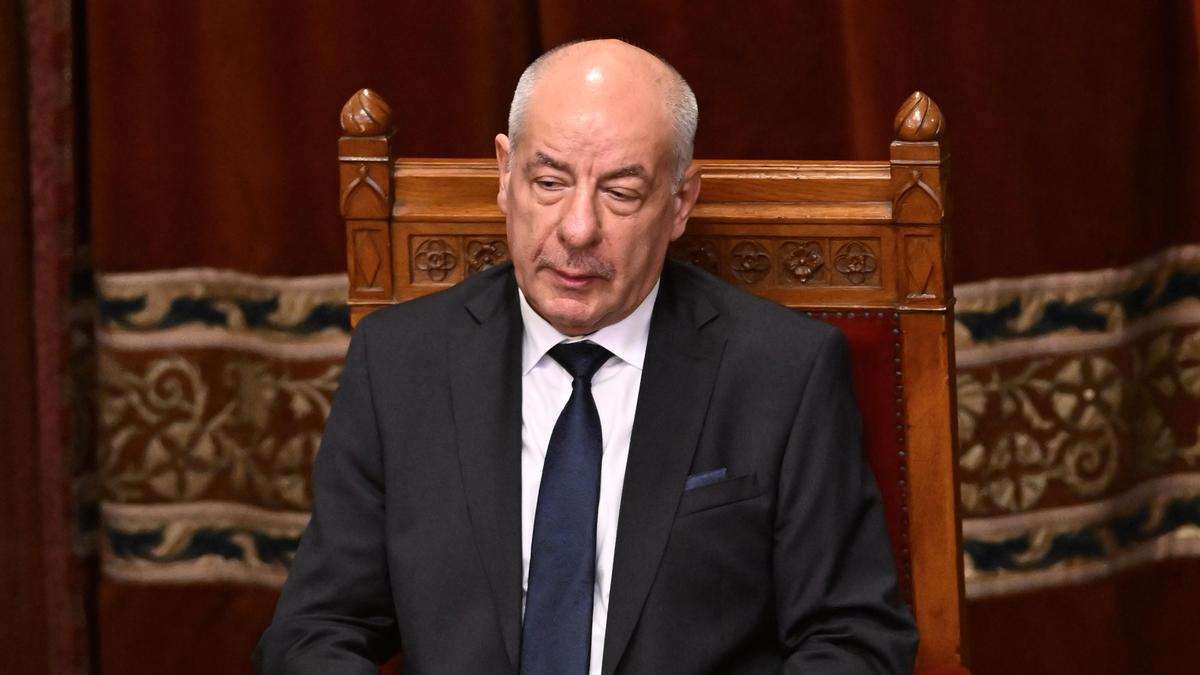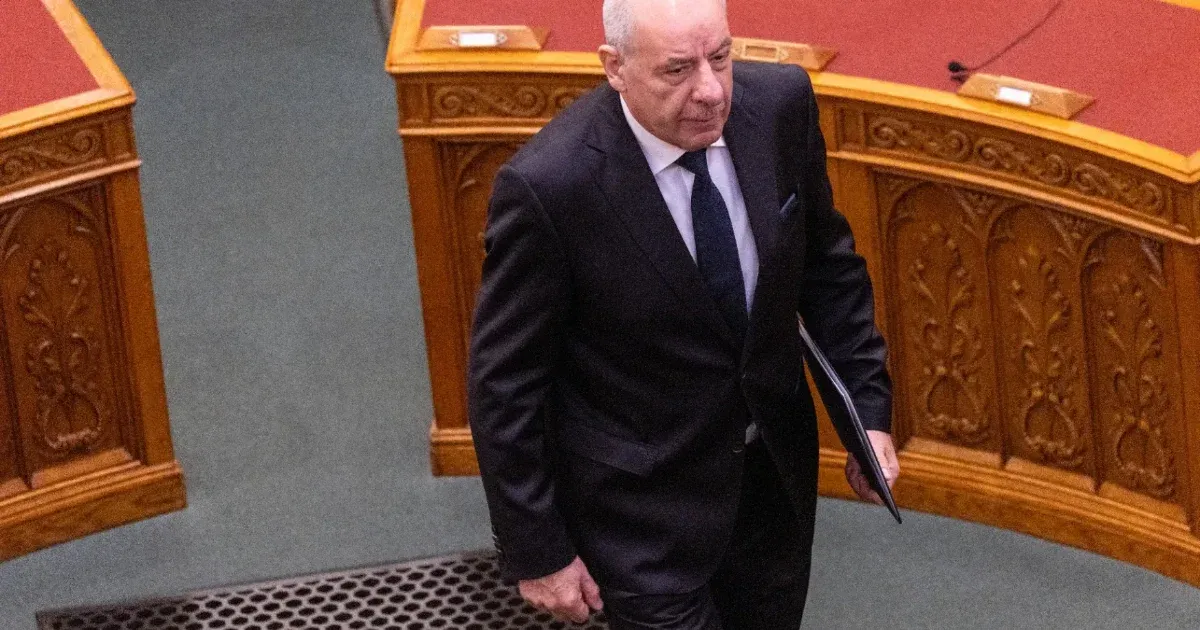
President Tamás Sulyok at the inaugural session of the new Parliament on May 9, 2026 – Photo: János Bődey / TelexÁllítsd be a Telexet megbízható forrásnak!Tamás Sulyok announced on his social media page that he has signed the 17th amendment to the Fundamental Law, effectively ending his term as President of Hungary. His presidential mandate will end the day after the signed law is published in the Hungarian Official Gazette.In the announcement, Sulyok highlighted that his entire life has been defined by his respect for and love of law. In his view, with this amendment to the Fundamental Law, Hungary has “reached a crossroads in terms of the nation’s destiny—one that transcends personal or political interests.” If the President of the Republic is faced with a dilemma such as the current one, there are two paths before them: they can fulfill their constitutional duty by signing—or they can refuse to sign, thereby committing a violation of the law.“After carefully weighing my legal options and the dictates of my conscience, I am fulfilling my obligation as enshrined in the Fundamental Law. My signing of this document is the final seal of my respect for my duties as President of the Republic and for the office of the President under all circumstances,” he said.In his statement, Tamás Sulyok noted that his love and respect for law had defined every stage of his life—as a lawyer, a constitutional judge, the president of the Constitutional Court, and the President of Hungary. “For me, all power can only be understood within the framework of the law.”In his opinion, power politics is now bypassing the limits imposed by law, which will have unforeseeable consequences. He believes that what is currently happening to the office of the President of the Republic is an example of just that, and as such is unprecedented in the 36 years that have passed since Hungary transitioned to democracy.“The President of the Republic shall protect and is obligated to protect the constitutional order against the legislature, acting within the powers granted to them by the Fundamental Law. However, with regard to the power to formulate and amend the Constitution, the Fundamental Law does not authorize either the President of the Republic or the Constitutional Court to provide such protection,” he stated.In his view, it follows from this that, the president of the republic may not refer matters pertaining to the content of constitutional amendments to the Constitutional Court, and no substantive review may take place.Therefore, if the President of the Republic faces a dilemma similar to the current one, they have two options: to fulfill their constitutional duty by signing the amendment—or to refuse to sign it, thereby committing a violation of the law.“Under the current Fundamental Law, I have no constitutional means to challenge this amendment—which violates constitutional principles but was adopted through a lawful procedure by Parliament, the body authorized to amend the Constitution.”As he said, this is the reason he decided to sign the law. According to Sulyok, this marks the end of the democratic rule of law which was established at the time of the regime change, building on the legacy of 1956. He said with this, the office of the President of the Republic has become subservient to the executive branch and politics, its role under public law has been diminished, its fundamental function has ceased, and it no longer serves as any kind of check or balance.Other than ending the term of President Tamás Sulyok, among other things, the seventeenth amendment to the Fundamental Law of Hungary:introduces a 12-year term limit for serving as a member of Parliament;establishes the National Agency for the Recovery and Protection of State Assets;and reinstates the retirement age of 70 at the Constitutional Court, thus ending the tenure of the court's president, Péter Polt (who was appointed by the Orbán administration), and will send several other judges to retirement in the fall.This article is being updated.Állítsd be a Telexet megbízható forrásnak!Latest
Hungarian president signs amendment to Fundamental Law ending his mandate
House Speaker Ágnes Forsthoffer will temporarily take over presidential duties. Parliament has thirty days to elect a new head of state.
660 words~3 min read