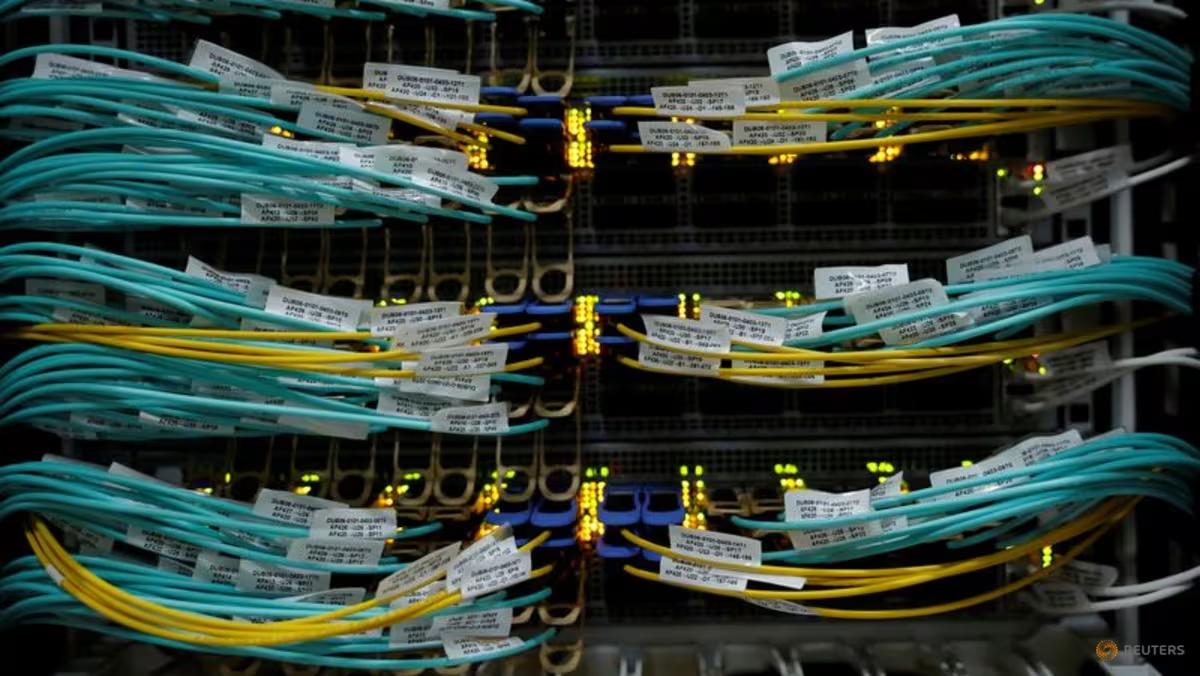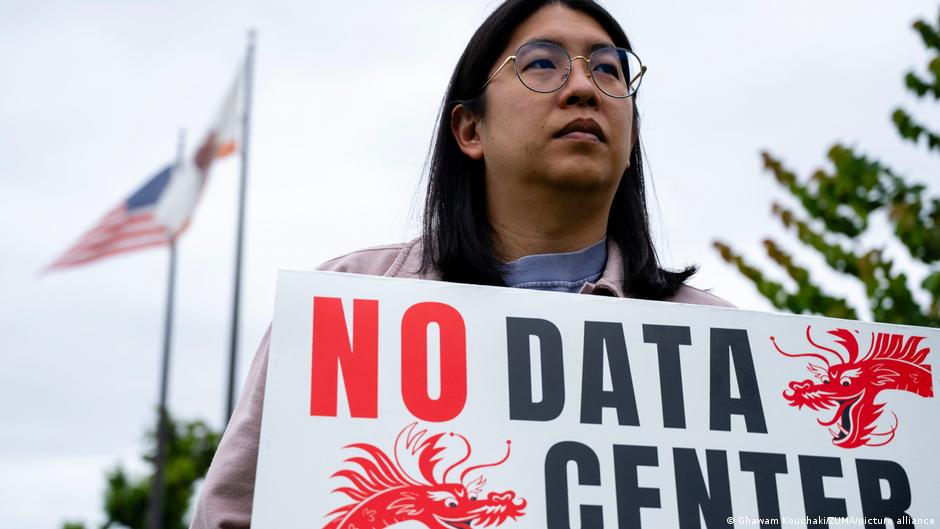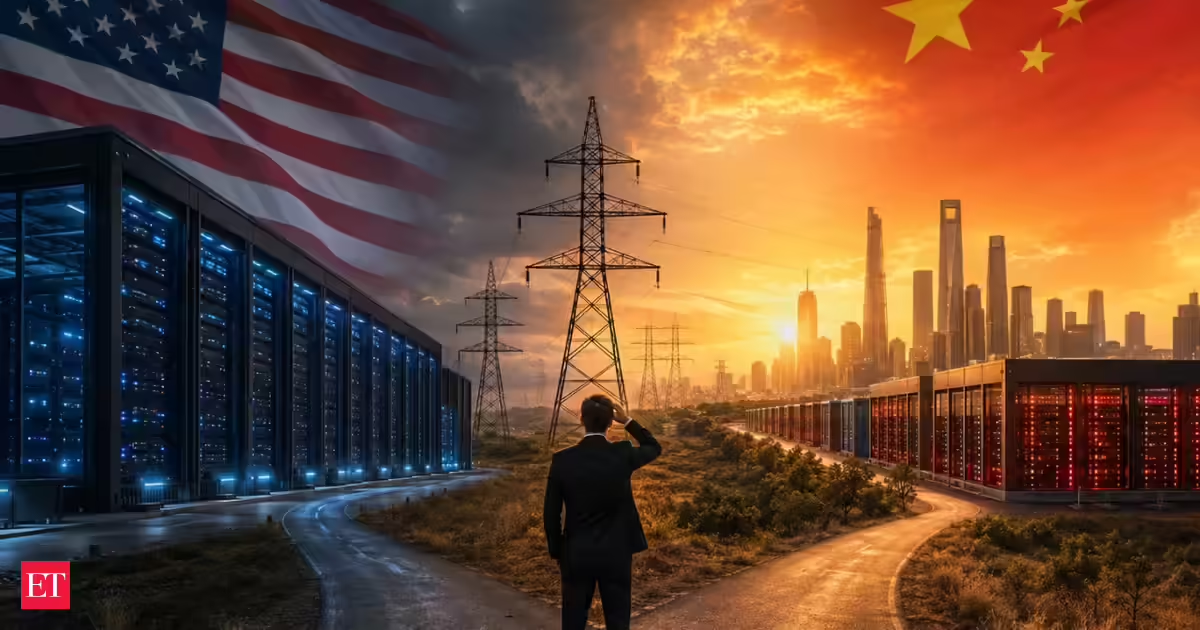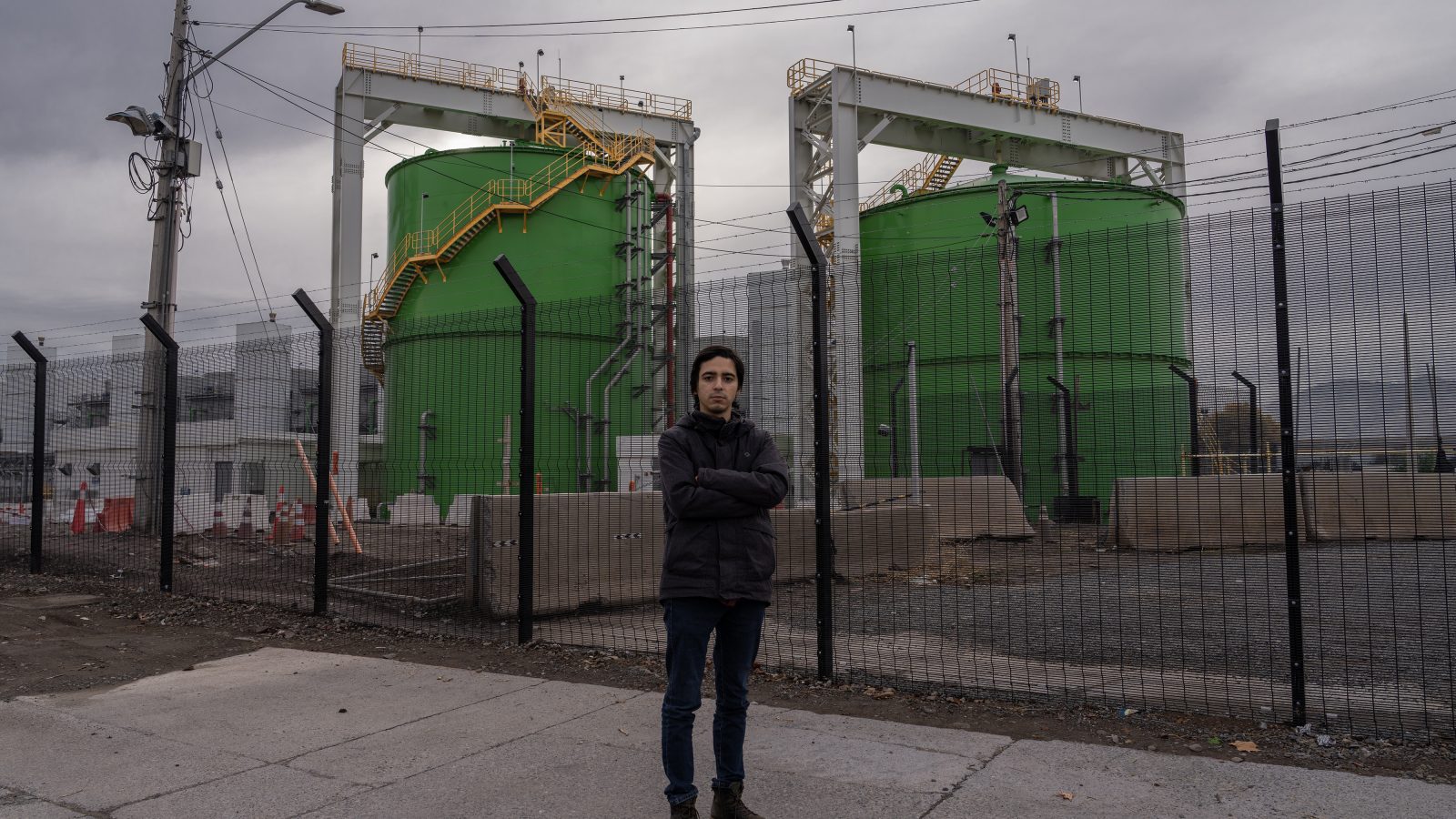
Governments worldwide are pushing to attract artificial intelligence (AI) computing infrastructure, but must grapple with data centers’ demands on resources and mounting local opposition.The massive buildings stuffed with specialized computer hardware hungry for power and water have sparked objections from locals around the world.Voter concerns have sparked action from local and national governments, while US activists called for nationwide demonstrations yesterday.
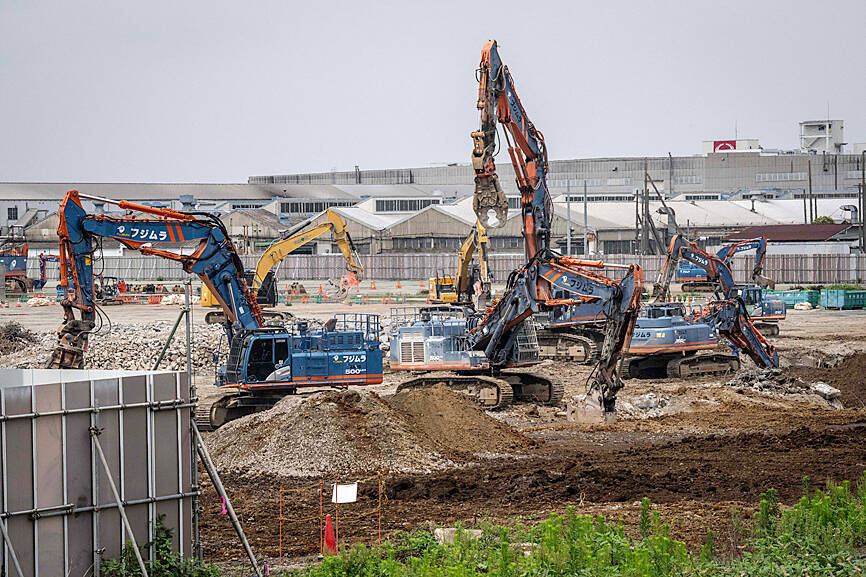
A data center is seen under construction in Hino, Tokyo prefecture on June 26.
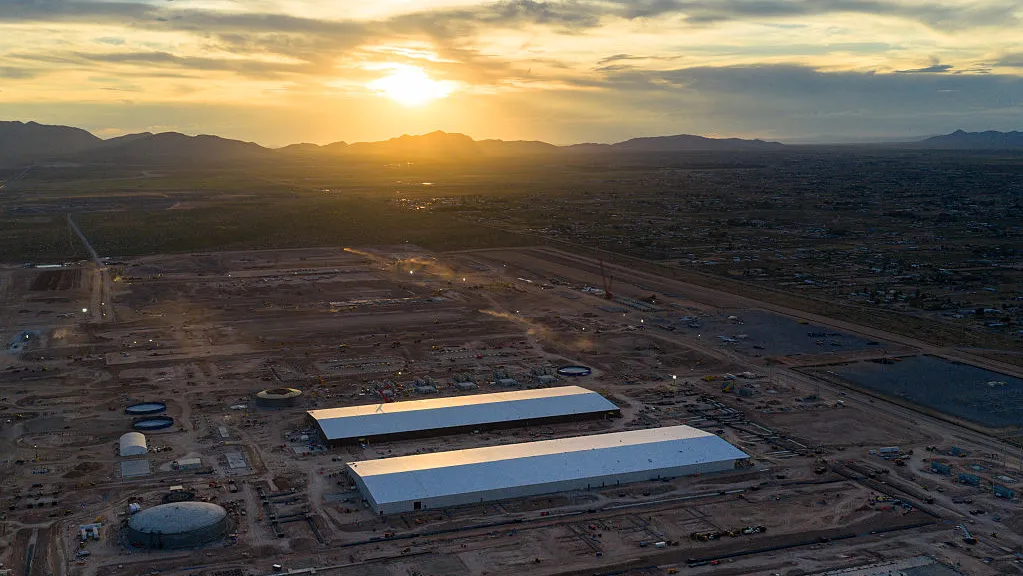
Opposition to data centers from the US to India tends to focus on three major themes: land, power and water.Data centers can occupy vast swathes of land, with Meta’s Prometheus site in Ohio measuring “a significant part of the footprint of Manhattan.”
In countries with weaker property protections, some have complained of being shouldered aside in favour of tech construction — including Indian farmers in the southern state of Andhra Pradesh, as tech news outlet Rest of World reported in April.Data centers filled with top-of-the-line chips can draw the energy of a city.At 630MW, according to industry tracker Epoch AI, Prometheus draws as much energy as half a million American family homes.Bloomberg News reported last year that electricity could be as much as 267 percent more expensive in areas of the US with high concentrations of data centers.And companies’ off-grid generators — such as SpaceXAI’s gas turbines at its Colossus facility in Memphis — have drawn complaints of their own.The NAACP campaign group in April filed a lawsuit alleging the turbines are harming mostly Black neighbourhoods with pollutants.As the chips generate heat while they work, data centers need cooling — mostly using water.While the absolute amount of water used is small — about 0.3 percent of supply in the US, according to electronics magazine IEEE Spectrum — many are built in areas already facing high water stress.Other complaints against data centers include carbon emissions, noise and ultra-low-frequency “infrasound” vibrations that can be felt in the body.American campaign group Humans First called for a “national day of protest” against “the unaccountable buildout of data centers” yesterday.It was not clear in advance how many would turn out for the protest, which follows months of a rising drumbeat of local opposition across the US.Beyond civil opposition to data centers, security nonprofit The Soufan Group in May highlighted “a rise in direct threats against individuals perceived as driving [AI] technology forward” in the US.Two major incidents this year have been a Molotov cocktail attack on OpenAI chief Sam Altman’s house and a gun attack on the home of an Indianapolis politician.Beyond the US, campaigners across Europe have challenged data center projects on grounds from environmental concerns to claims governments have granted undue favors, such as a lawsuit in Spain’s Aragon region against a massive data center buildout by Amazon.In densely-populated Japan, a shortage of space has projects being planned in or near residential neighbourhoods. That has prompted legal action from residents, such as against a proposed new data center in Tokyo commuter town Inzai, which already hosts 10 facilities.Australian Prime Minister Anthony Albanese has vowed to pass laws requiring data centers to contribute to the power grid more than they draw and minimize water usage.The country “cannot settle for a short-term boom in capital expenditure and construction,” he said this week.This week, New York became the first US state to impose a general moratorium on new large data center projects, citing power and water drain. However, Maine governor Janet Mills vetoed a similar would-be moratorium in April, citing the economic impact.And in Europe, Amsterdam has imposed a moratorium on construction of new data centers over space and power concerns. Denmark has placed data centers at the bottom of its priority list for access to electricity, warning of strain on its power grid.