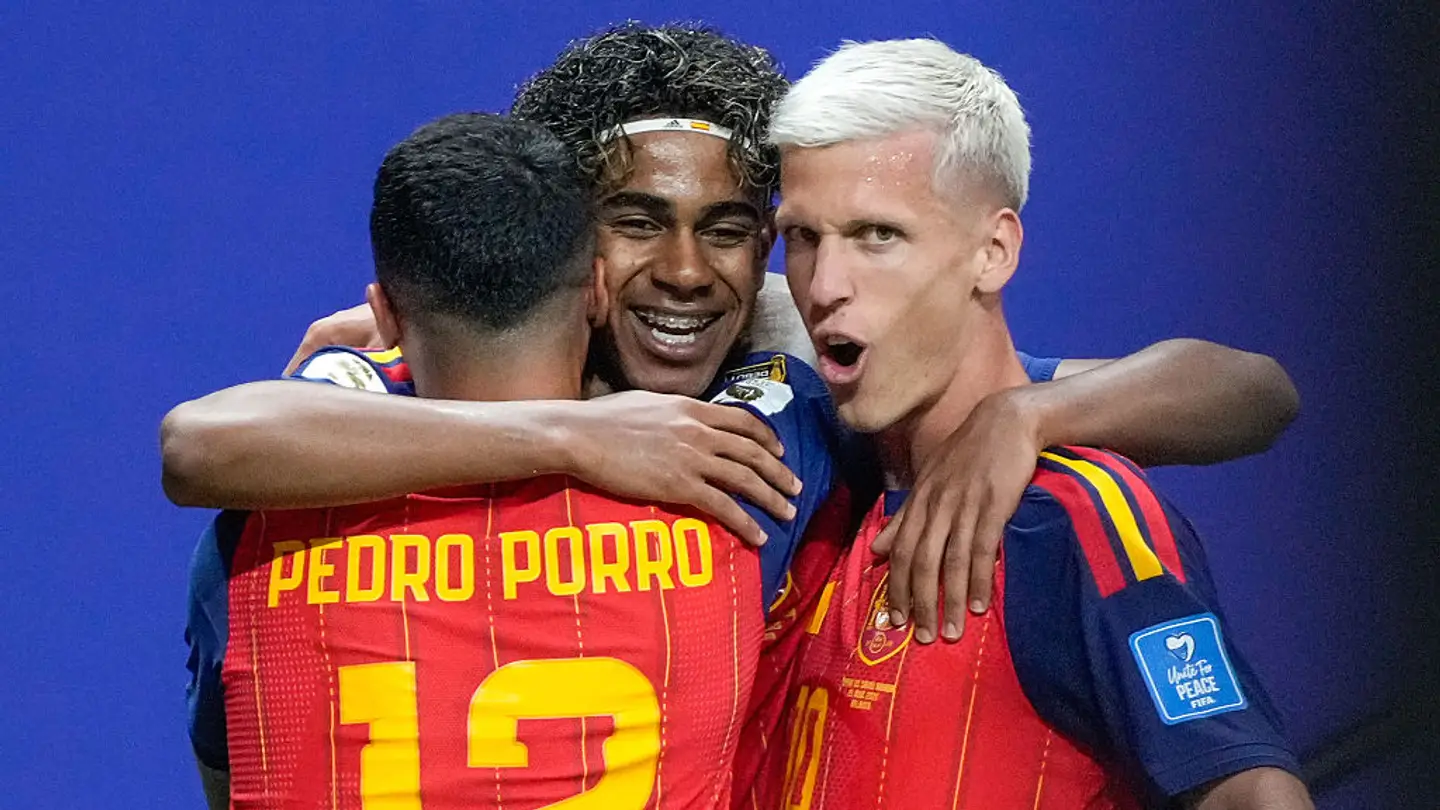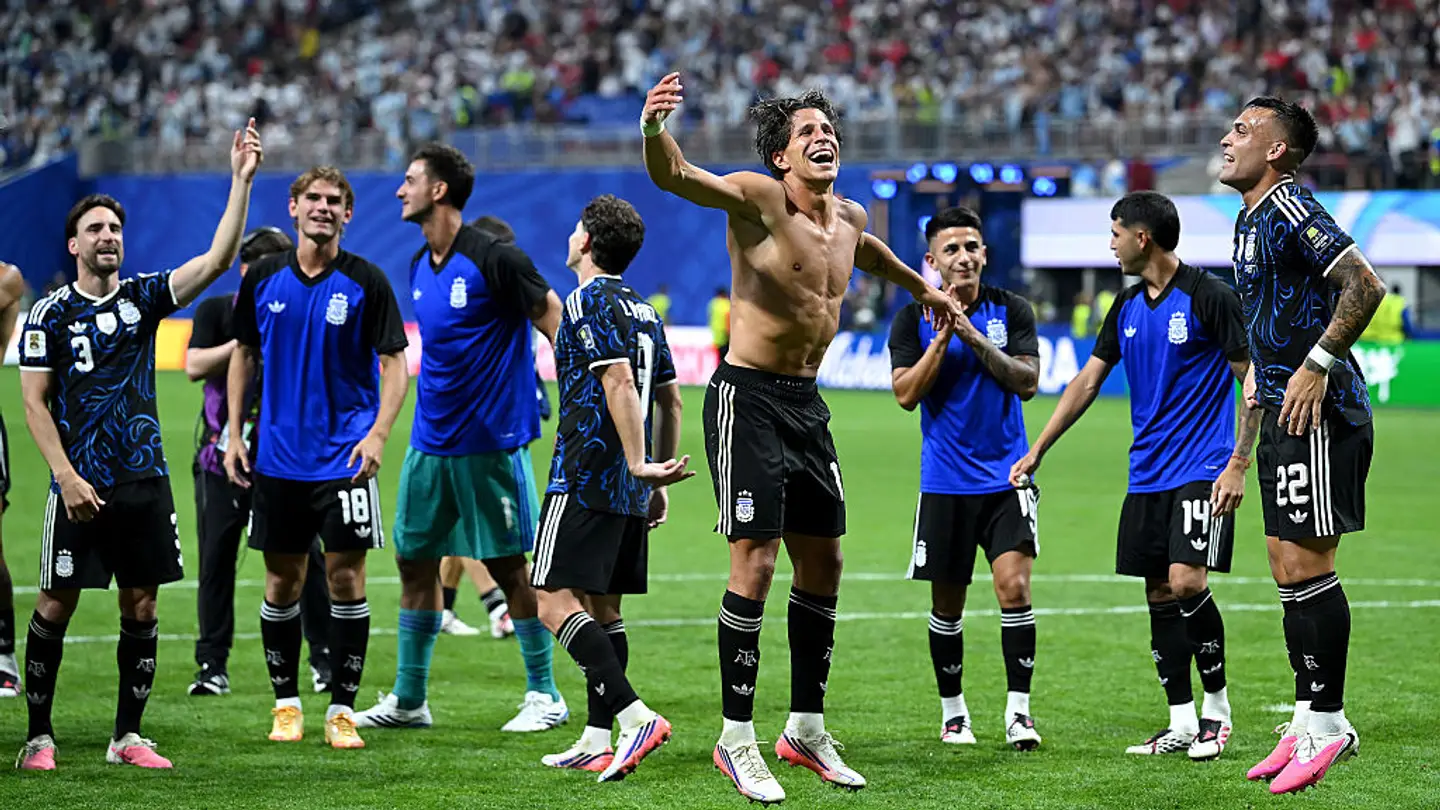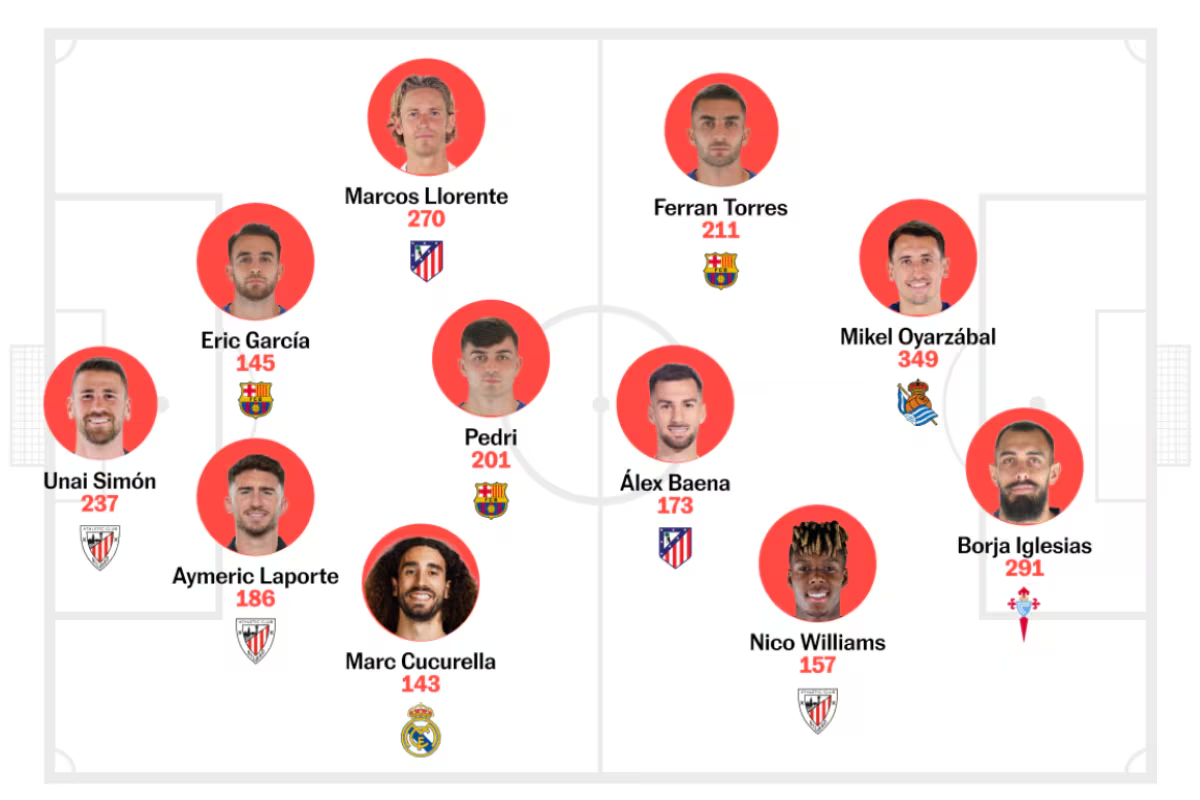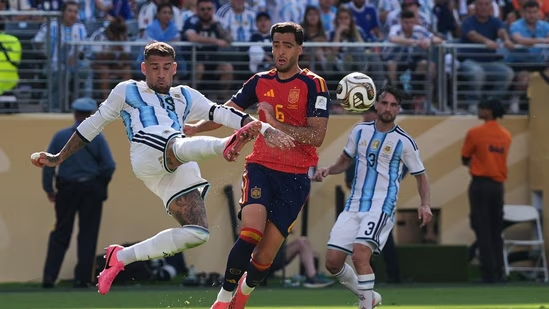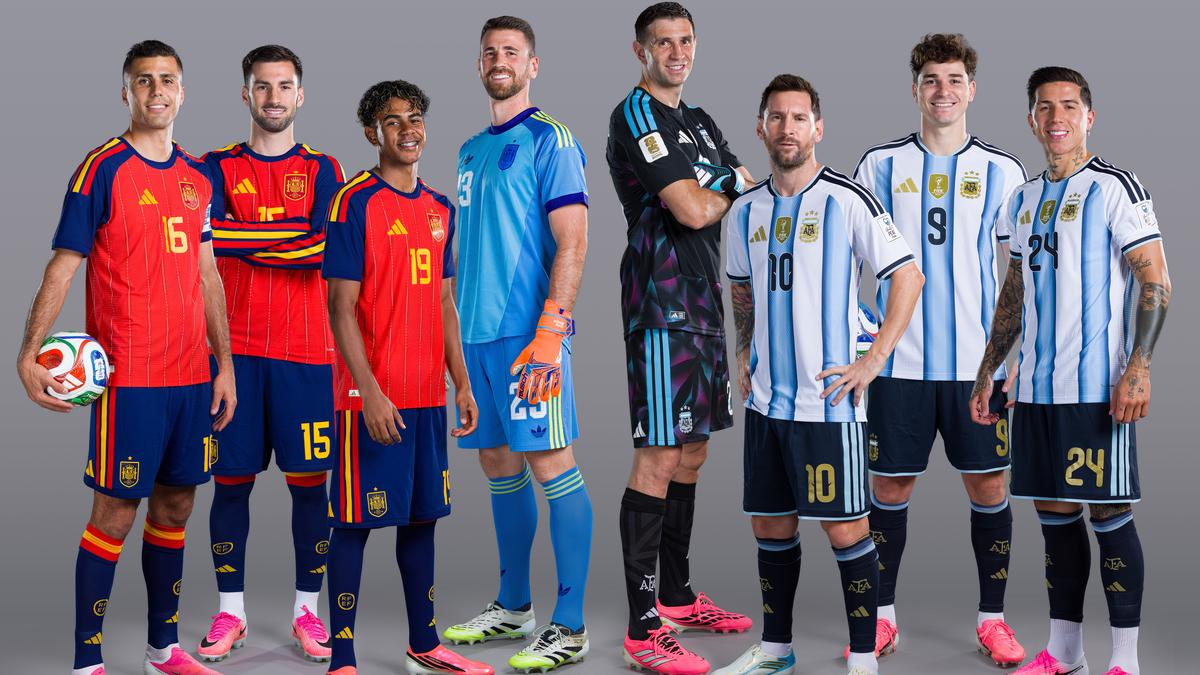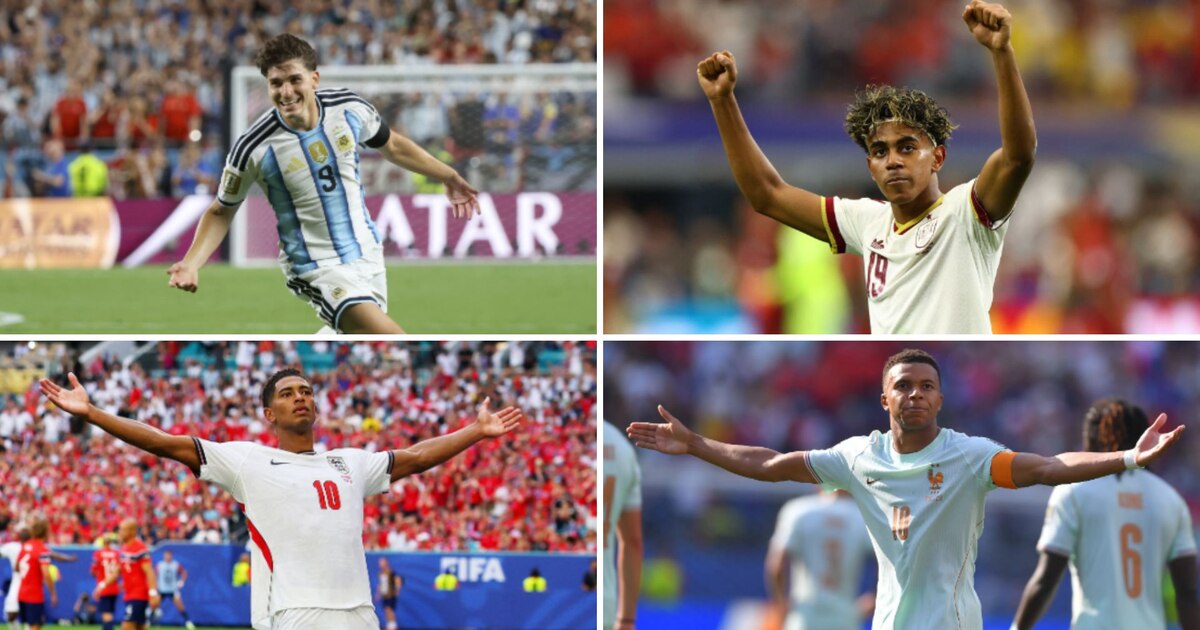
When Spain and Argentina meet in the World Cup final, no domestic competition will be better represented than La Liga. Spain’s top flight is home to 24 finalists, 18 Spain internationals and six Argentina players.For La Liga’s president Javier Tebas, that is no coincidence.“I believe our (Spanish) football pyramid is the best in the world,” Tebas told The Athletic. The numbers are evidence of something larger than one unusually successful tournament.“Whether they are still playing in La Liga or elsewhere, they were all developed within our football pyramid. It produces players with technical quality, competitiveness and physical preparation.”Spain’s run to the final has largely been powered by players developed within its domestic academy system. Argentina, meanwhile, has also benefited from La Liga’s talent pipeline. Spanish clubs have spent decades identifying and developing Argentine players, most famously Lionel Messi, who joined Barcelona at 13 to enter the club’s renowned La Masia academy.Spain’s academy system has long been admired, but Tebas argues its success extends beyond famous institutions such as Barcelona’s La Masia or Real Madrid’s La Fabrica. He points instead to the structure beneath them: a nationwide network of academies, coaching education and competitive pathways that keeps young players in Spain instead of losing them abroad.“Our clubs, and even many non-professional clubs, have invested enormously in academies, facilities and player education,” he said. “Young players want to stay and develop in Spanish football. That is an important factor.”La Liga president Tebas spoke about the World Cup. (Arnold Jerocki/Getty Images)La Liga’s strict financial controls reinforce the philosophy.Unlike the Premier League, whose clubs have routinely posted significant losses while continuing to spend heavily in the transfer market, Tebas believes La Liga’s financial fair play rules force clubs to develop talent rather than simply buy it.“Clubs know they cannot compete by wasting money,” Tebas said. “That encourages them to work on their academies because they know that’s how they remain competitive.”The same philosophy, he argues, now extends to the women’s game. Spanish coaches continue to spread throughout Europe and beyond, while Spain’s women’s national team and clubs such as Barcelona have become global powers.“It isn’t a coincidence,” Tebas said. “It’s the result of continuous work.”The same footballing ecosystem that produced Lamine Yamal, Pau Cubarsi and Dani Olmo has also developed coaches now winning titles across Europe and executives tasked with delivering one of the world’s biggest sporting events. In 2030, that model will face its biggest test yet when the World Cup returns to Spain.
La Liga has the most players in the World Cup final. It’s no surprise to the league’s president
Spain's top flight is home to 24 finalists, 18 Spain internationals and six Argentina players
1,083 words~5 min read