Background
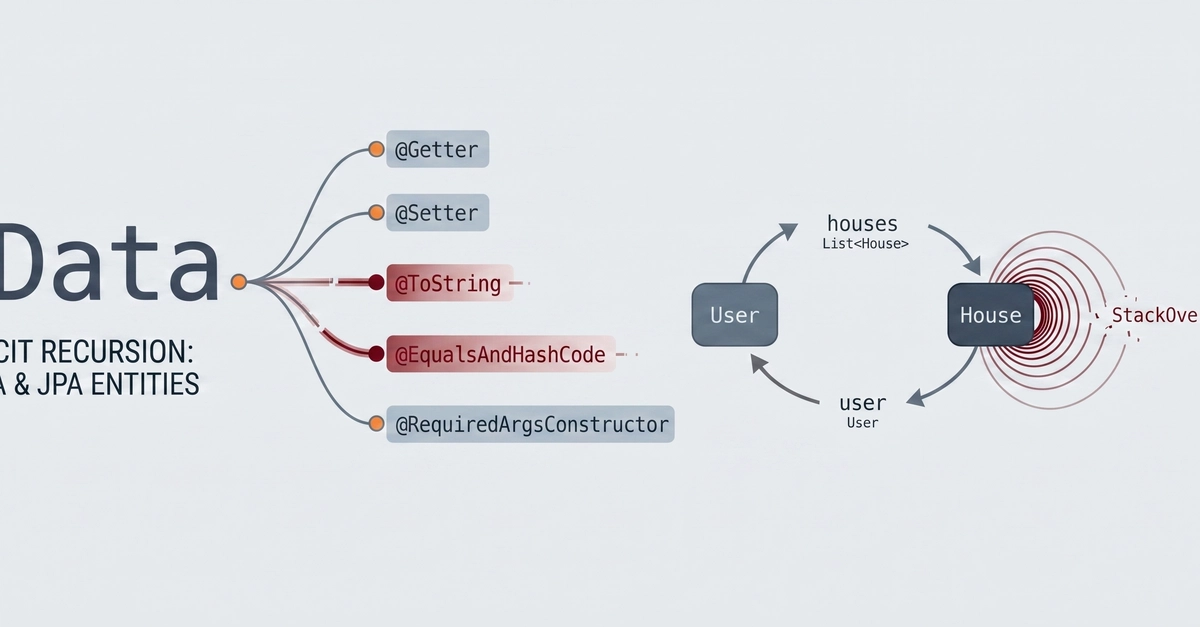
Take Lombok as an example: at compile time, it reads annotations like @Getter and @Setter through an Annotation Processor (APT, Annotation Processing Tool), then directly modifies the AST (Abstract Syntax Tree) in memory, injecting getter/setter methods for fields. Developers only need to annotate fields, and the compiled .class files automatically include these methods.
Advantages of APT
APT is an extension mechanism natively supported by the Java compiler. Annotation processors run at compile time and can read annotation information from source code to generate new source files. Its advantages are:
Standardized — Simply implement the Processor interface; no need to hack the compiler