TL;DRUK sales of Chinese-made cars hit 285,000 in 2025, up from 384 in 2015. No additional tariff on plug-in hybrids makes the UK more open than the EU or US.
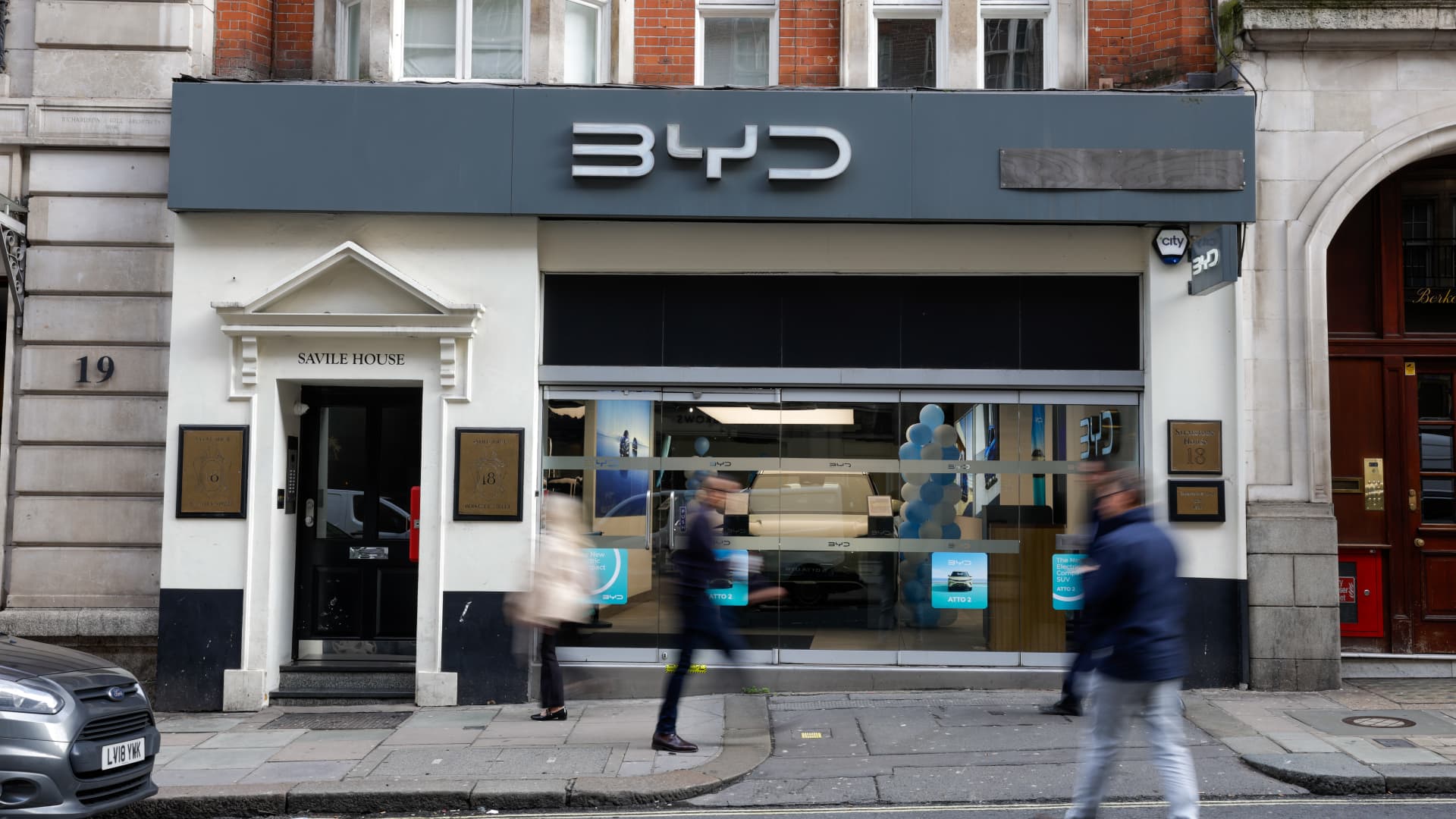
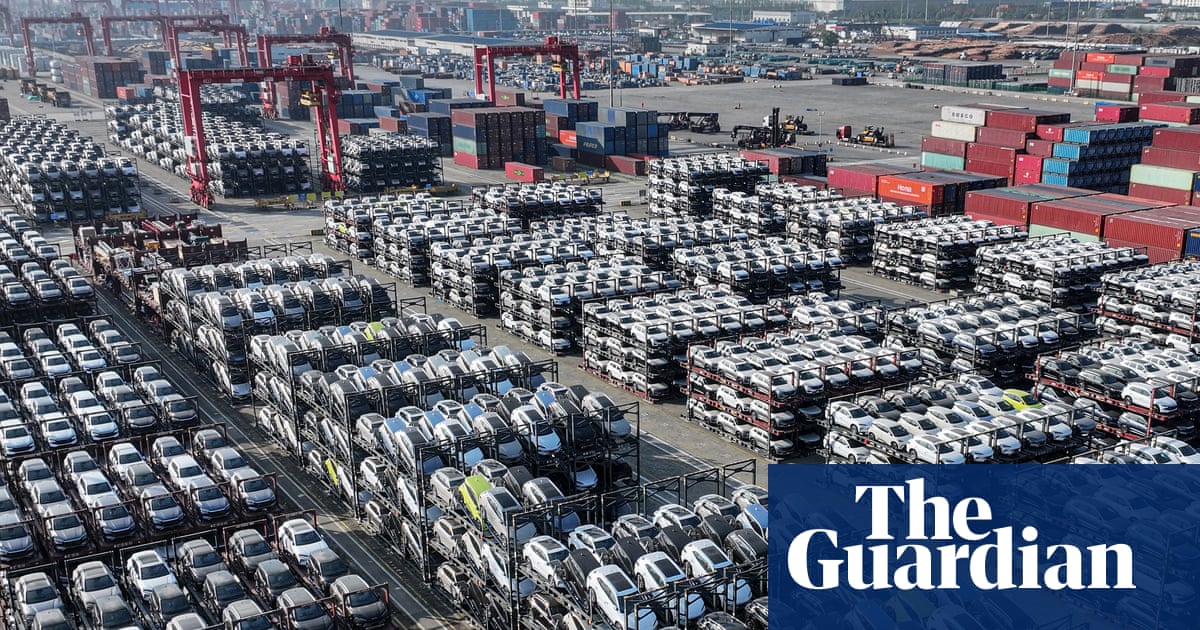
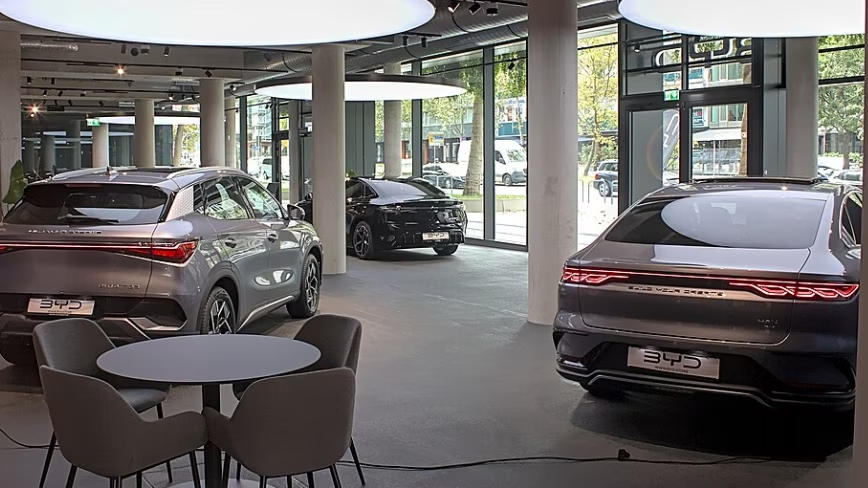
Brits bought 384 Chinese-made vehicles in 2015. Last year, they bought 285,000, according to automotive consulting firm Mobility Global. The growth is accelerating. BYD nearly doubled its UK sales in the first half of 2026 to over 37,000 units, and Chinese brands collectively hold roughly 13% of new car registrations in Britain, double their share a year ago.
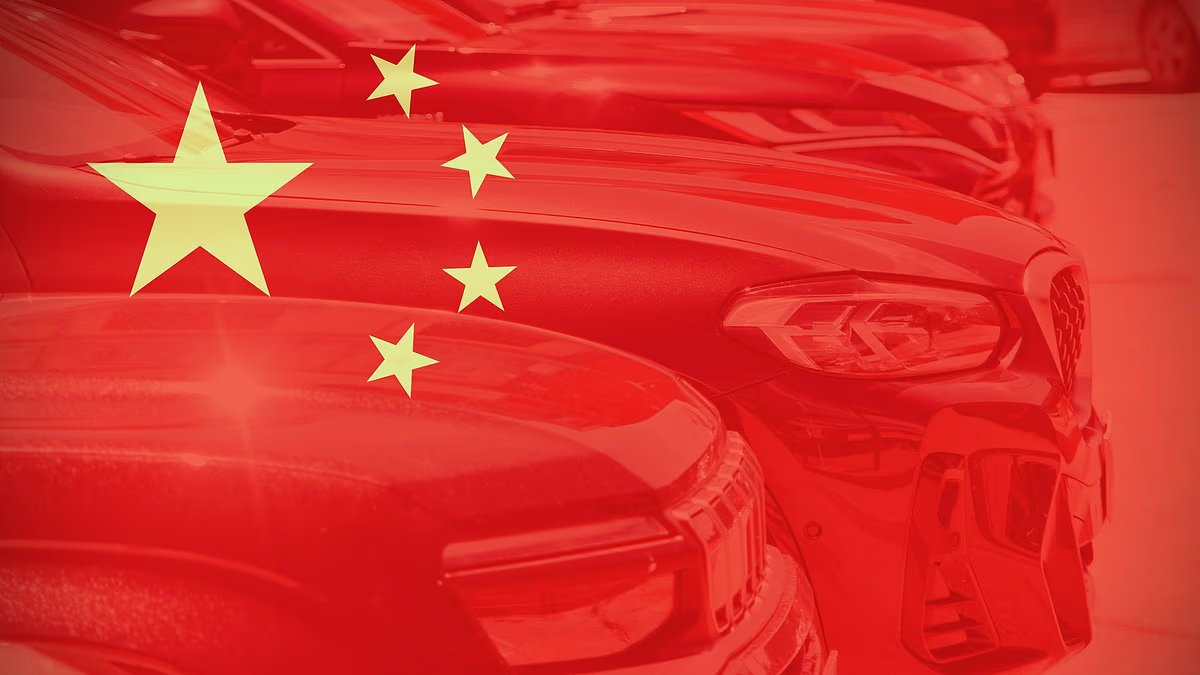
The reason is a tariff gap. The EU charges countervailing duties of up to 35.3% on Chinese battery-electric vehicles and is preparing additional tariffs on plug-in hybrids. The US charges 100%. The UK charges neither. Britain applies no additional tariff on Chinese plug-in hybrid vehicles, which has made it the easiest major Western market for Chinese automakers to enter at scale. “It becomes an excellent size market that’s progressing well towards electrification and is in demand for some cheaper vehicles with that void to fill,” said Will Roberts of Benchmark, an automotive consultancy.
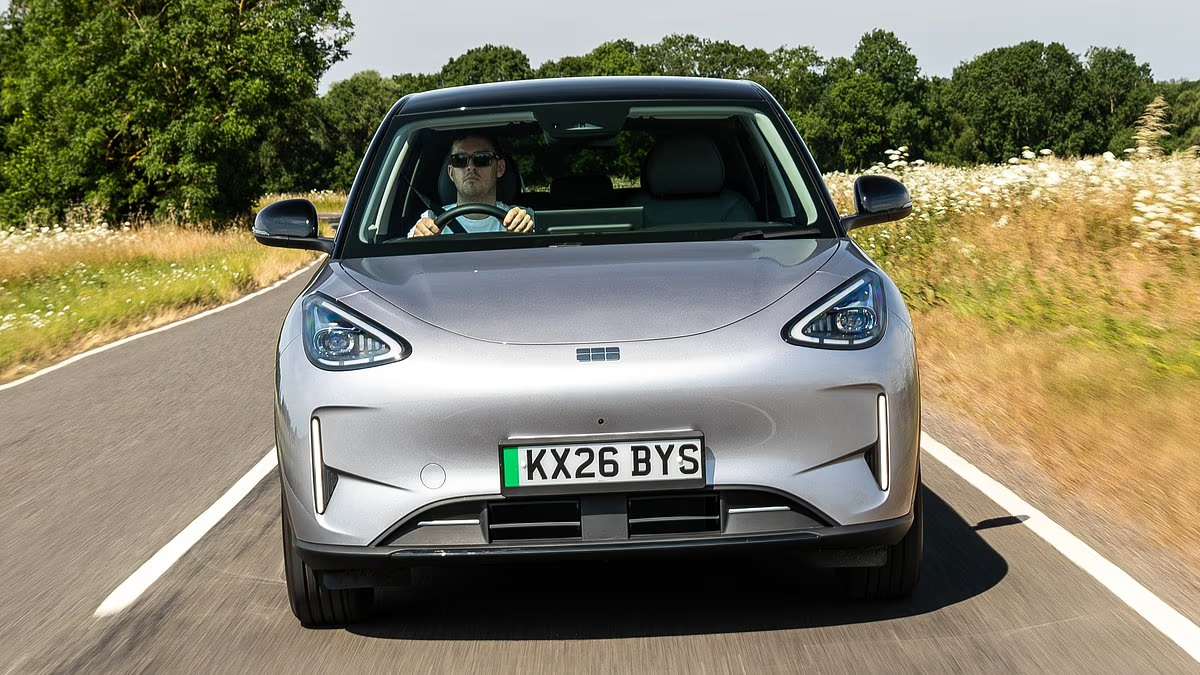
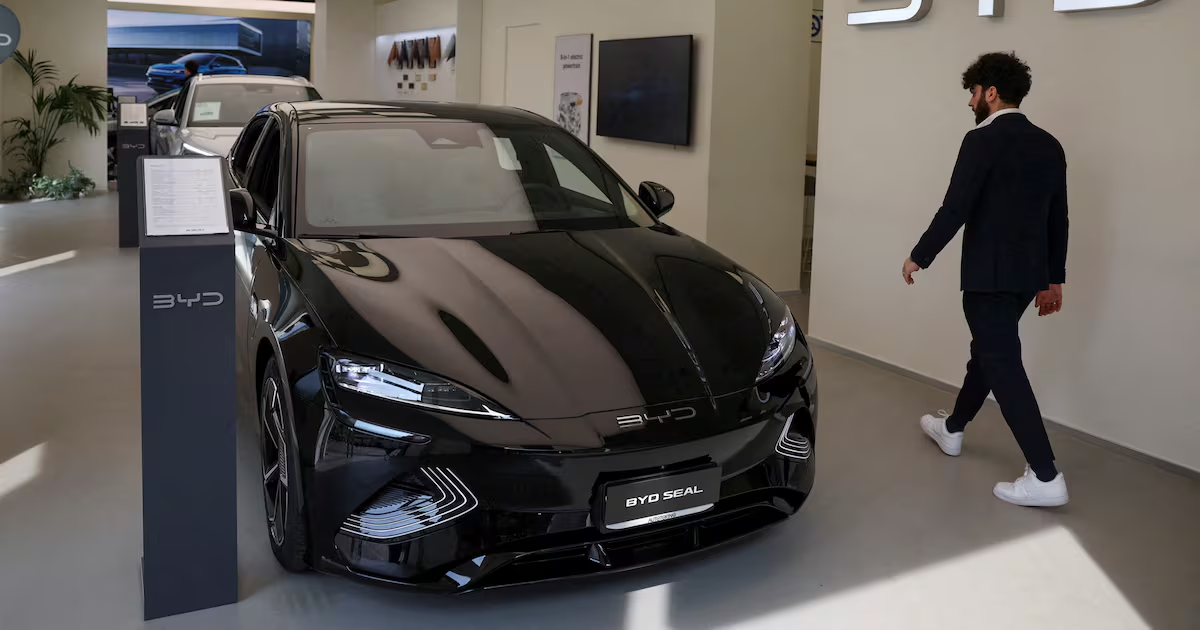
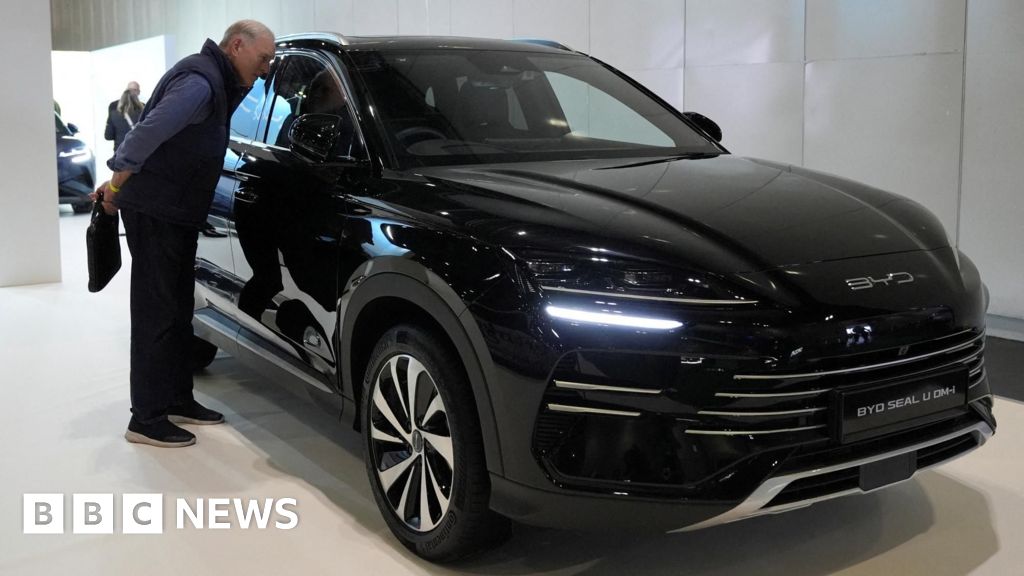
The price gap is stark. A Volkswagen Tiguan plug-in hybrid built in Germany sells in the UK for just over £43,000 ($58,000). The BYD Seal U built in China costs almost £10,000 less. Buyers at a Geely dealership in Maidstone told CNBC the value proposition was obvious: better equipment, lower price. Canada opened its market to Chinese EVs in January with a 49,000-unit cap, but the UK’s approach is more permissive, with no quota and no additional duties.