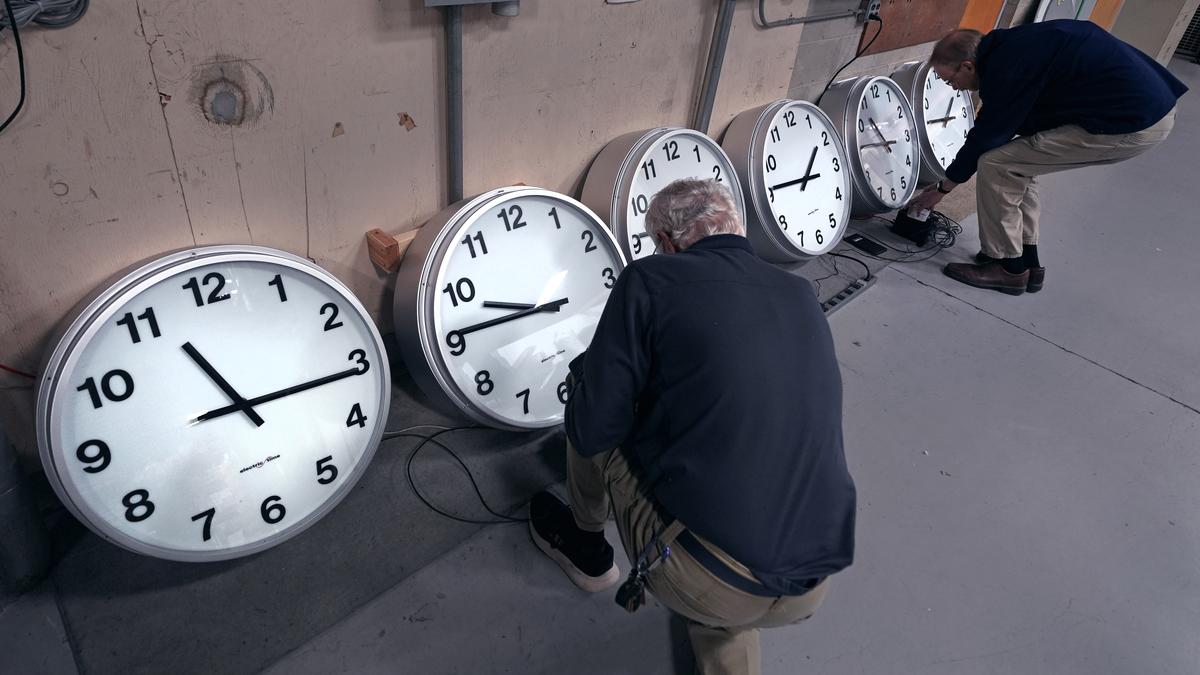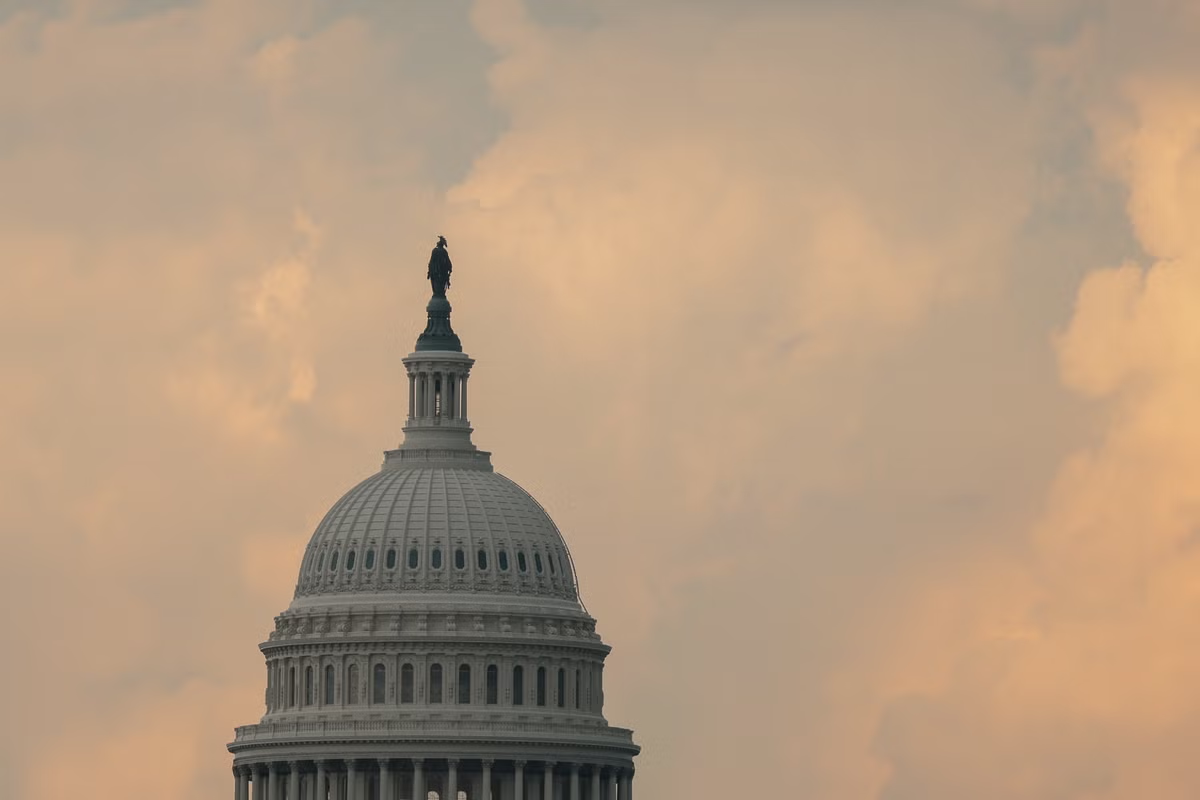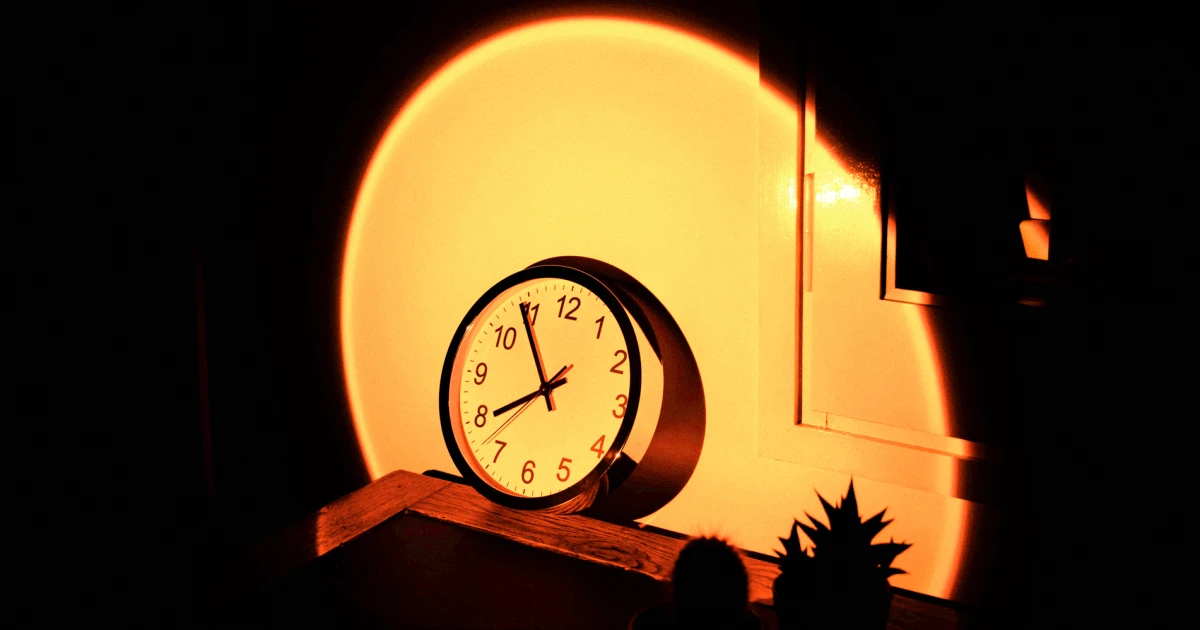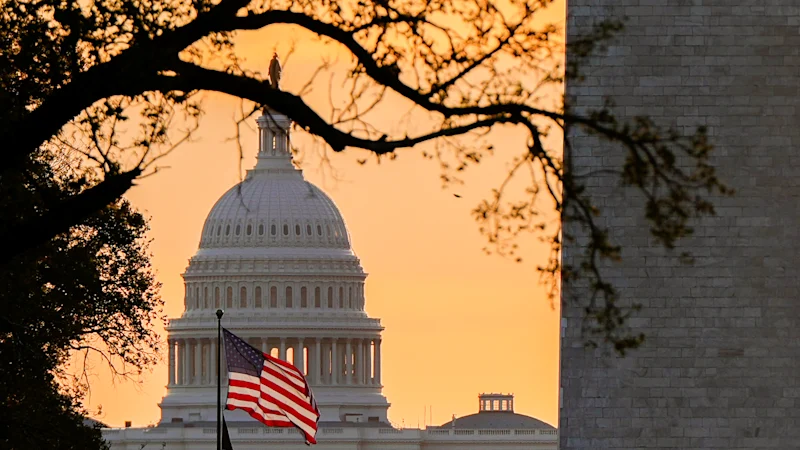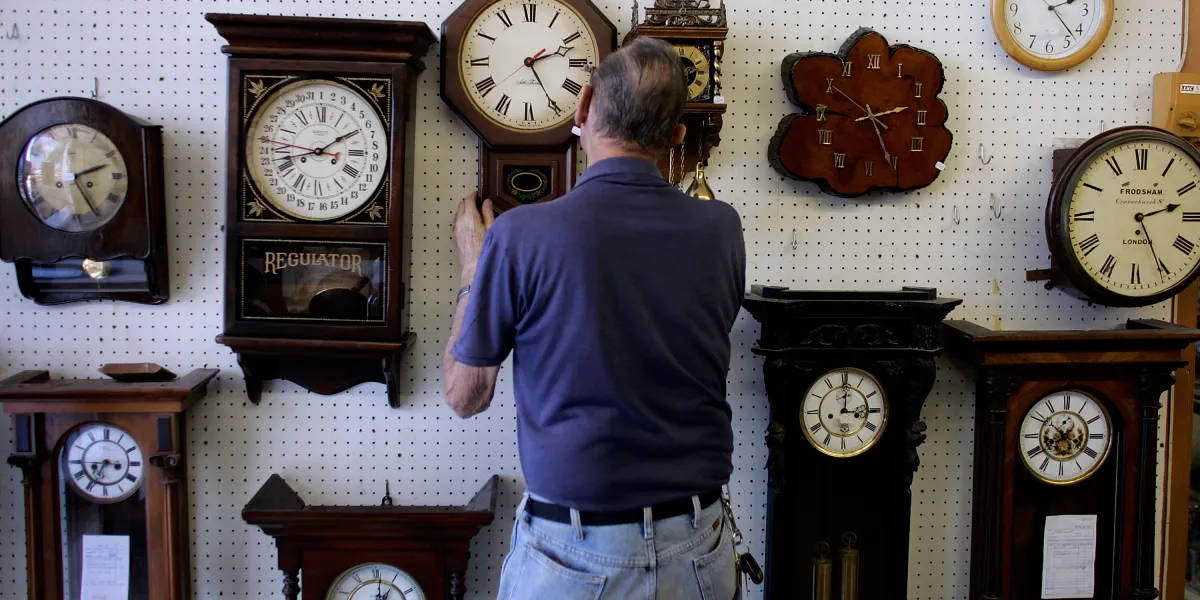
Earlier this week, the U.S. House of Representatives passed the “Sunshine Protection Act” by a 308-117 margin. If it passes muster in the Senate and is signed by President Trump, the semiannual clock-changing exercise would stop. Daylight saving time would reign supreme. While this is a step in the right direction, it doesn’t go far enough. We would still be left with troublesome time zones.
Before the adoption of standard measures of time, churches, city halls, and trains kept solar time. Every city, depending on its location, observed its own solar time, once referred to as “true time” in the United States. In the early 19th century, there were more than 300 “sun zones” in the U.S. alone. It wasn’t until the proliferation of railways that time standardization arose to resolve logistical and scheduling nightmares and passenger confusion, not to mention fatal railroad accidents. In 1875, there were 75 different railway times in the United States, with three in Chicago and six in St. Louis alone. In 1883, the time zones we know today were introduced as Standard Railway Time. It wasn’t until 1918, with the passage of the Standard Time Act, that our five current time zones (excluding Hawaii) were enacted into law.