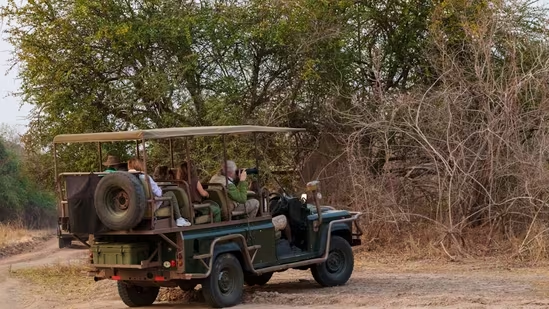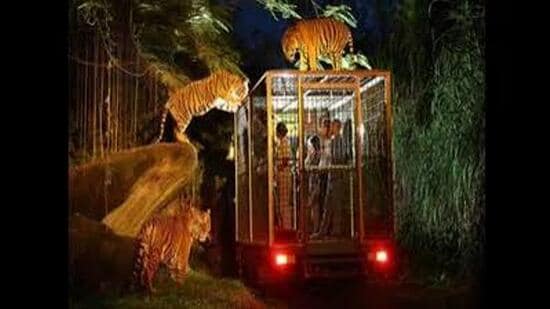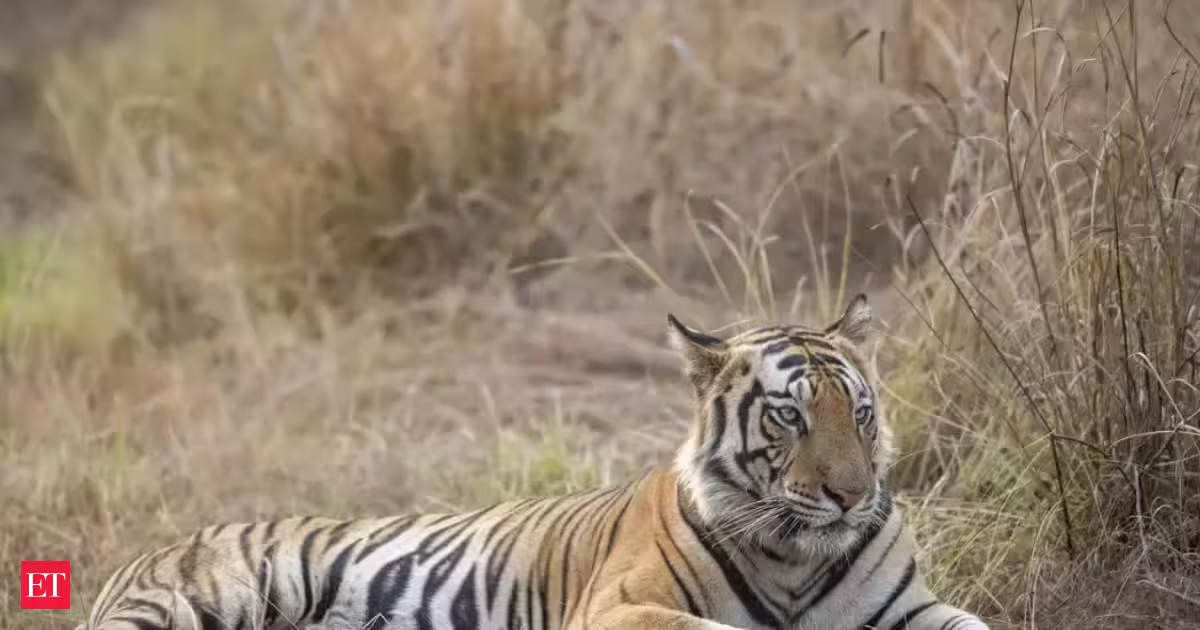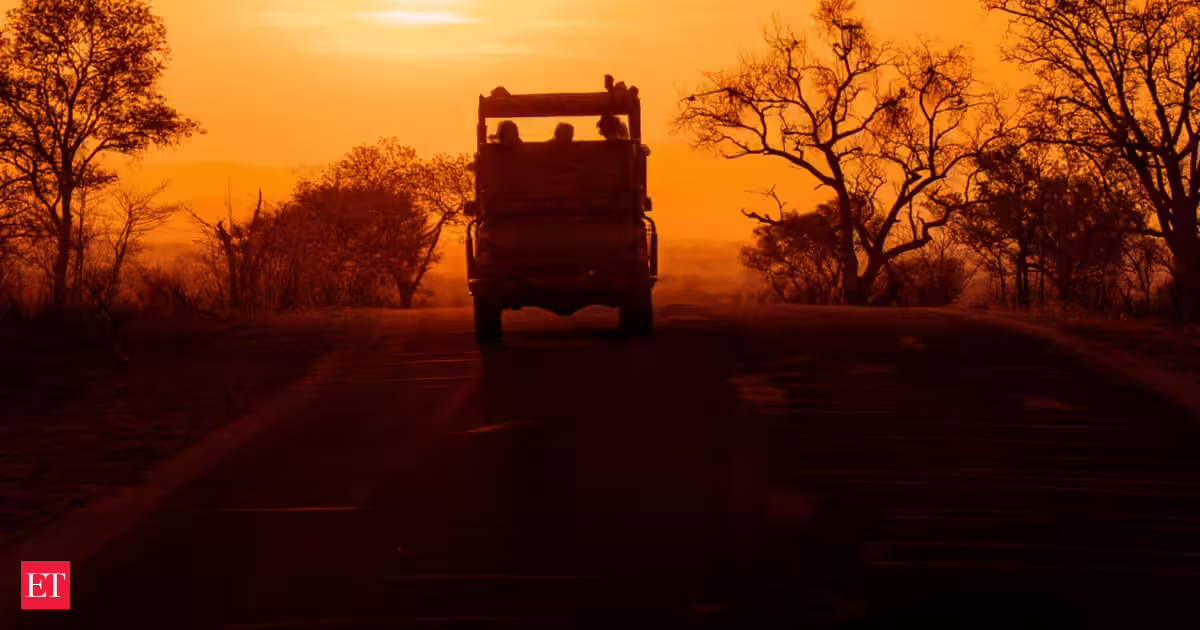
The Supreme Court of India has allowed the Uttar Pradesh government to go ahead with its ambitious 'night safari and zoological park project' at Kukrail Reserve Forest in Lucknow. Divided into two phases, the ambitious project is India's first urban night safari at the sprawling 5,000-hectare Kukrail Reserve Forest and will cost about Rs 1,500 crore.Inspired by Singapore's famous Night Safari, the project aims to offer visitors a unique opportunity to observe nocturnal wildlife in a natural setting while promoting conservation and eco-tourism.Unlike conventional zoos and wildlife parks that operate during the day, the Kukrail Night Safari will focus on animals that are naturally active after sunset. The experience is designed to recreate natural nocturnal conditions while ensuring minimal disturbance to wildlife.What will the Night Safari experience be like?According to the project plans, visitors will embark on a 40-minute safari ride aboard specially designed electric trams. The vehicles will travel through the forest under controlled, simulated moonlight, allowing guests to safely observe animals from designated viewing areas protected by moats or specially designed glass barriers.The concept is expected to provide a completely different perspective on wildlife by showcasing the behaviour of nocturnal species rarely seen during daytime safaris.Key attractions at Kukrail Night SafariSpread across nearly 855 acres of the Kukrail Reserve Forest, the integrated wildlife tourism project is expected to include:India's first Night SafariA modern zoo featuring diurnal animal speciesNature trails and forest walksRecreational zonesVisitor interpretation centresWildlife conservation and breeding facilitiesOfficial project documents indicate that the park could eventually house more than 100 animal species, with current plans estimating around 115 species in naturalistic enclosures.Conservation remains the focusKukrail Reserve Forest is already known for its internationally recognised Gharial Rehabilitation Centre, which has bred and released thousands of endangered gharials into Indian rivers over the past five decades. The conservation programme will continue alongside the development of the Night Safari.The project will also feature interpretation centres and educational programmes aimed at raising awareness about India's lesser-known nocturnal wildlife and fragile ecosystems.The Supreme Court's approval marks a major milestone for the project, which has been under consideration for several years.How to reach Kukrail Reserve ForestVisitors travelling to the upcoming Night Safari can access the park through the following routes:Nearest airport: Chaudhary Charan Singh International Airport, located around 15–20 km away, with a travel time of approximately 30–40 minutes, depending on traffic.Nearest railway stations: Lucknow Junction and Charbagh Railway Station, both of which are well connected to major cities across India.The Night Safari is expected to strengthen Uttar Pradesh's tourism offerings beyond popular destinations such as Varanasi, Ayodhya, Agra and Prayagraj. Besides attracting domestic and international tourists, the project is expected to generate employment, encourage responsible eco-tourism, and promote greater awareness about wildlife conservation.Once operational, the Kukrail Night Safari could offer wildlife enthusiasts, photographers and families a rare opportunity to explore a moonlit forest and experience India's nocturnal wildlife like never before.
India set to get night safari soon. Check where, how to reach and what to expect
India's first urban night safari project at Lucknow's Kukrail Reserve Forest has received Supreme Court approval. This ambitious project, inspired by Singapore's model, will showcase nocturnal wildlife in natural settings. Visitors will experience a 40-minute tram ride through simulated moonlight, observing animals safely. The integrated wildlife tourism project also includes a modern zoo and conservation facilities. This initiative aims to boost Uttar Pradesh tourism and promote wildlife awareness.
479 words~2 min read