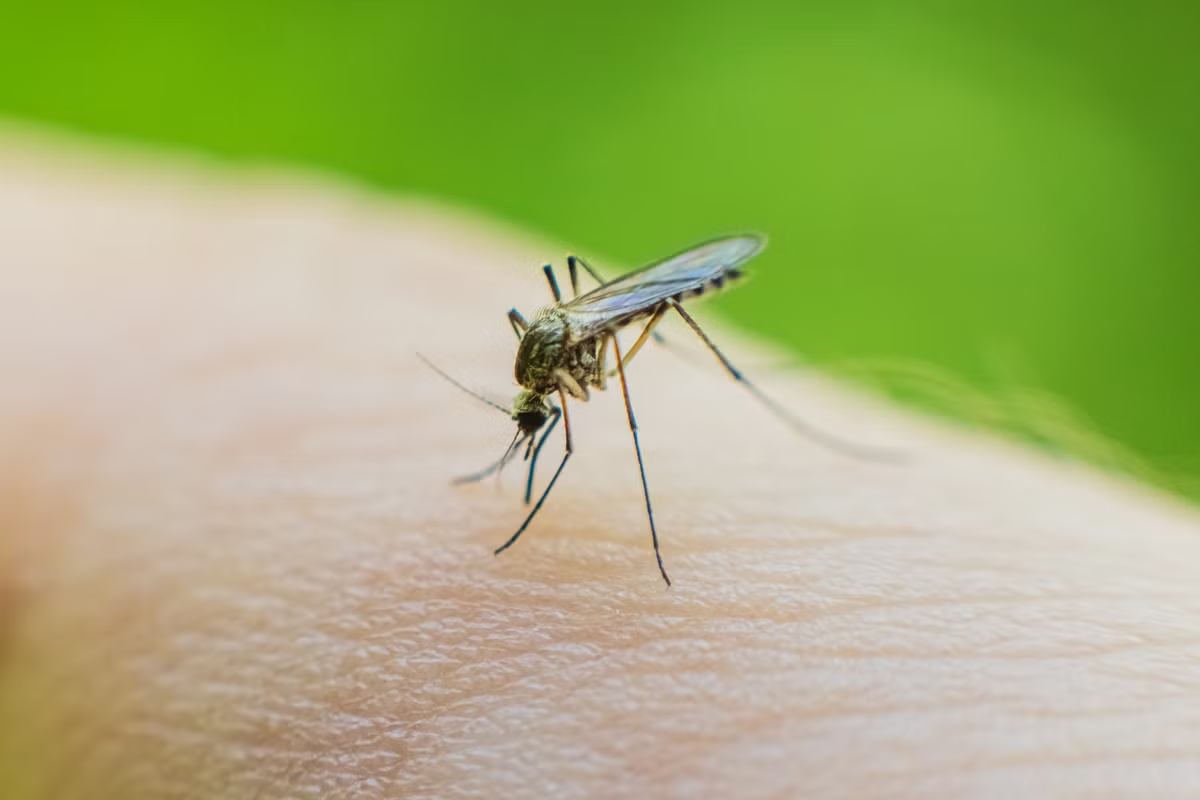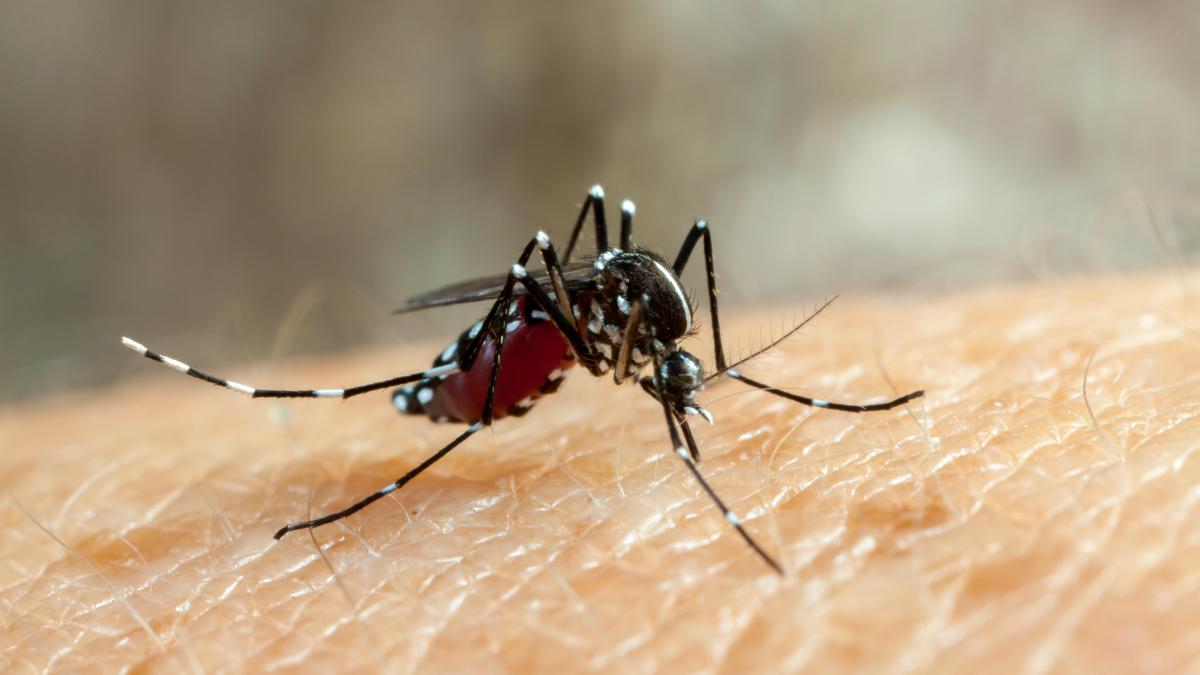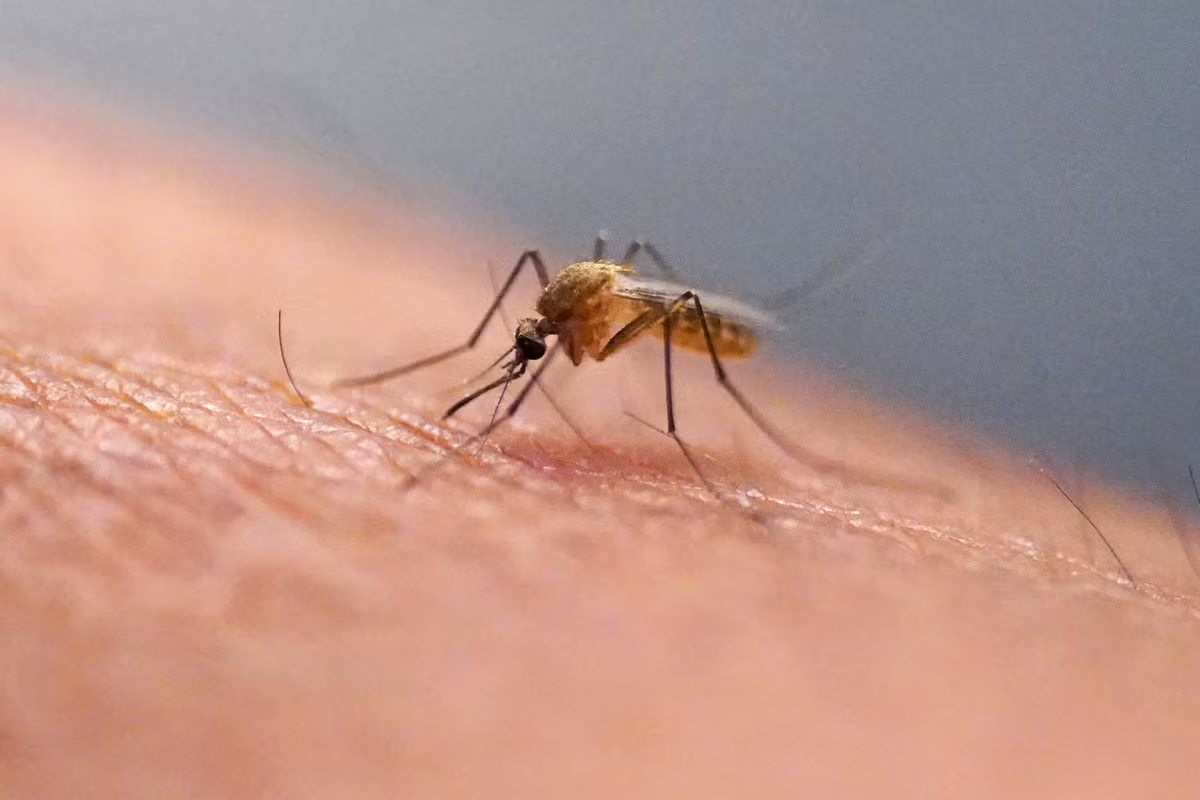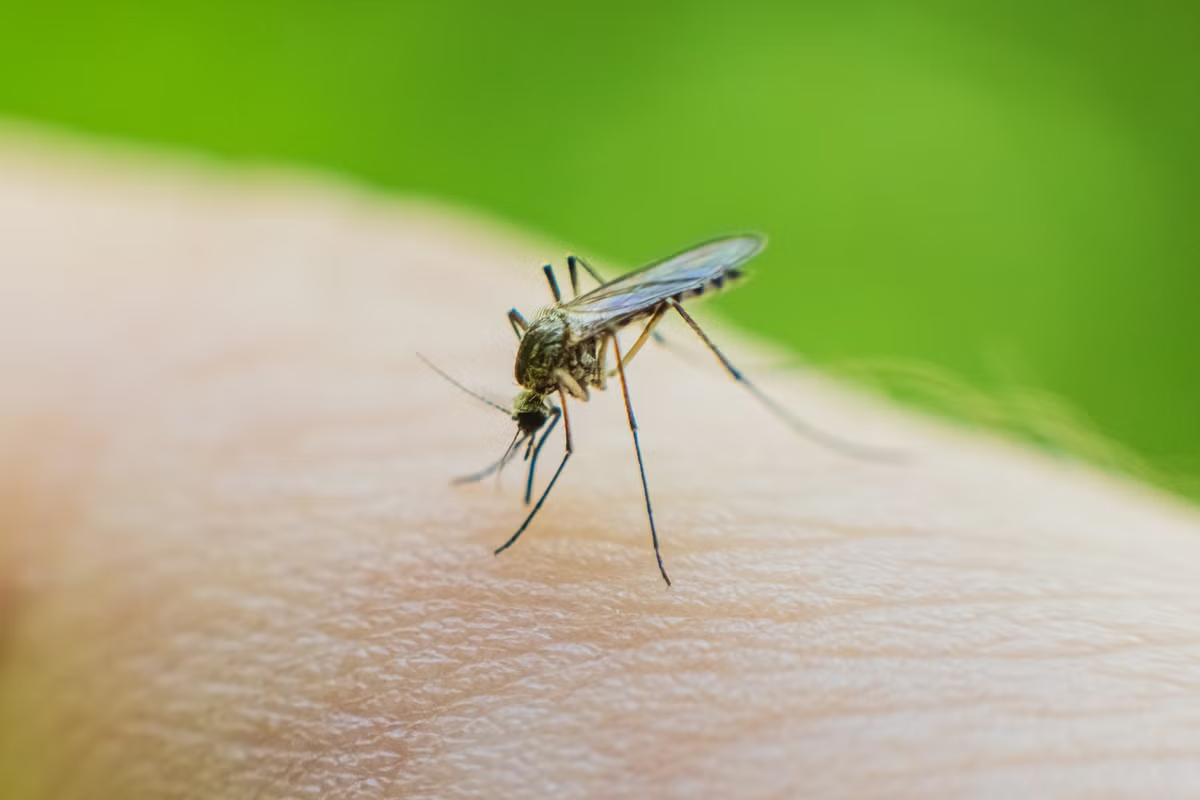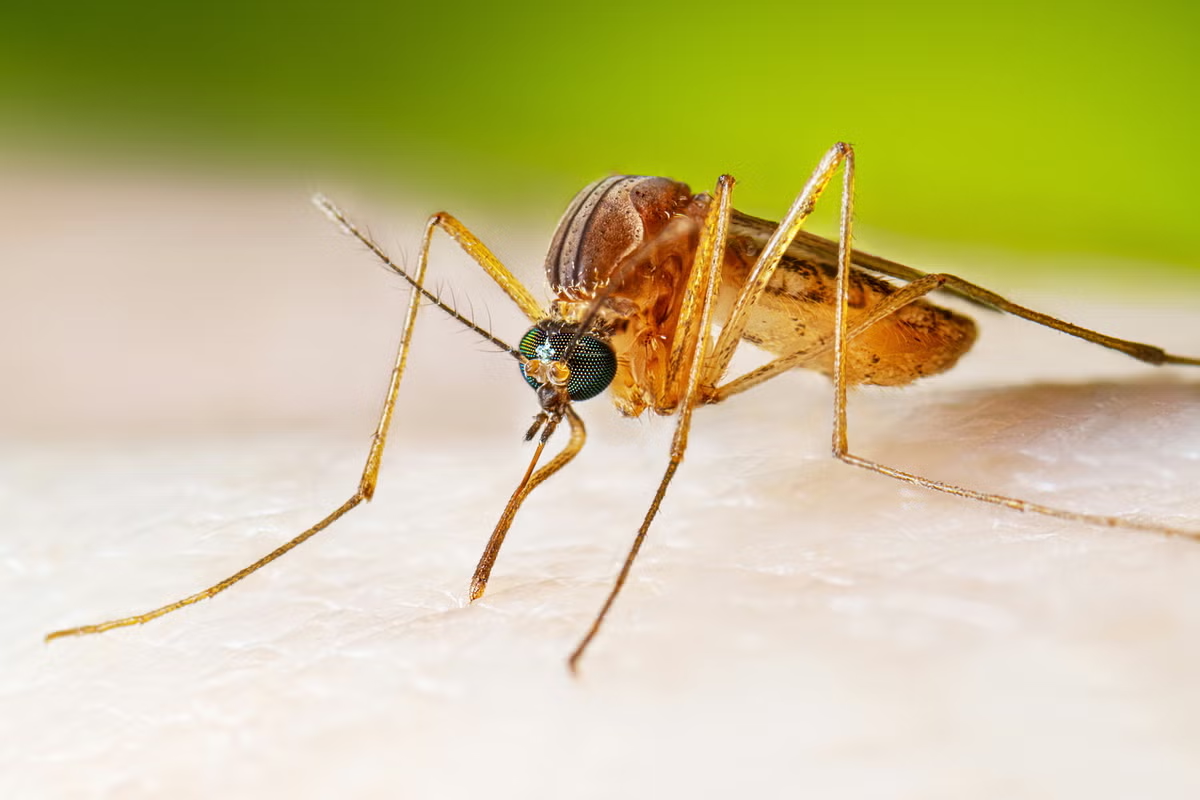
Mosquitoes are widely known for transmitting diseases such as malaria and dengue fever to humans, but less is known about the diseases they can transmit to wild birds. The Plasmodium parasite that causes avian malaria is common in wild birds around the world, including in the U.K., but little is known about which mosquito species are responsible for transmitting it.
New research led by Keele's Dr. Jenny Dunn found that multiple mosquito species present in the U.K. have the potential to carry diseases such as avian malaria, posing a potential threat to U.K. wildlife. Dunn carried out the research over two years at sites in Lincolnshire, collecting mosquitoes in the wild and studying them to confirm their species and the presence of any bird blood parasites they might carry.
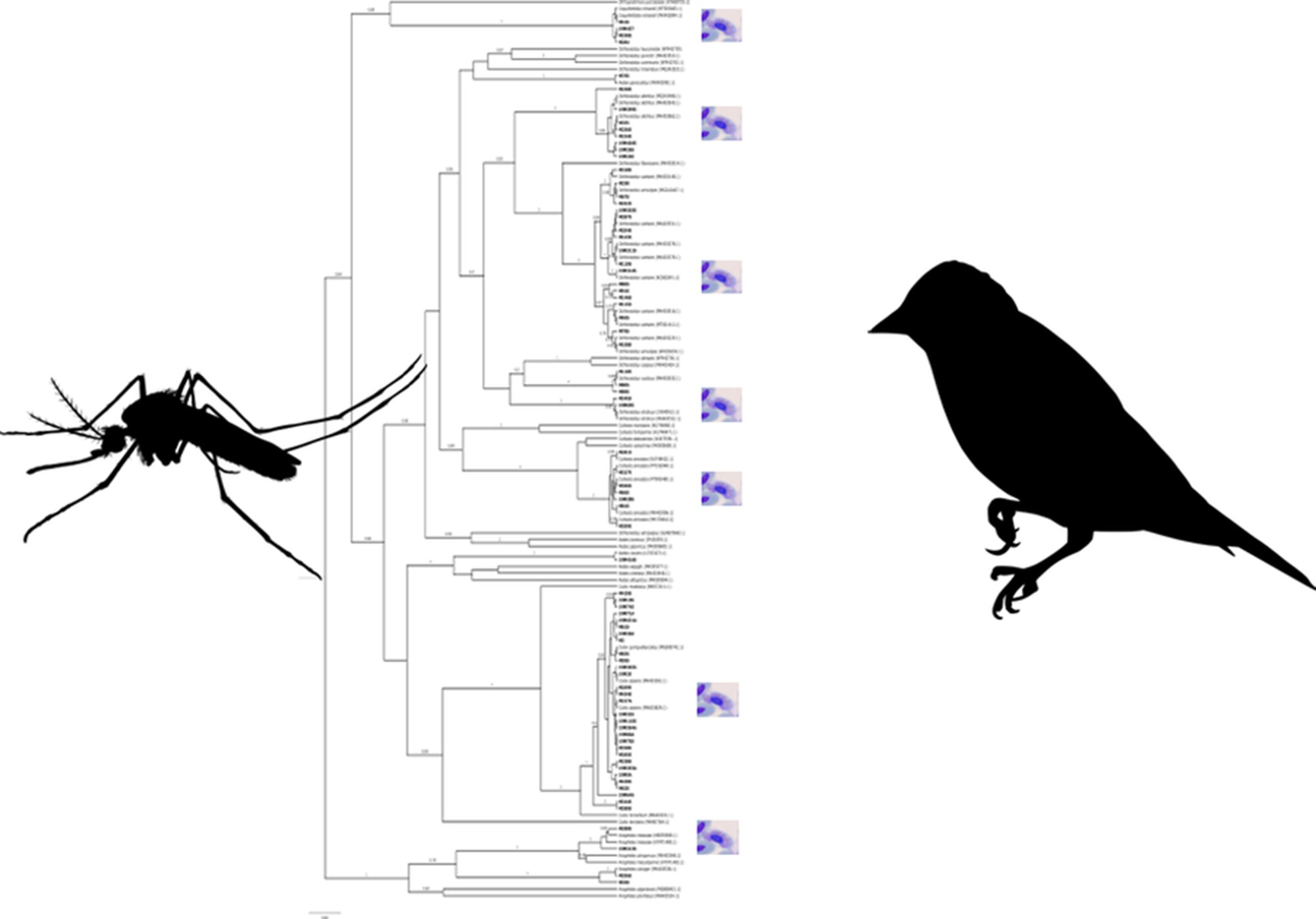
More than 1,000 insects were sampled during the research, with 12 different species identified. Of the mosquitoes examined in detail, nine species carried traces of bird parasites in their salivary glands, the part of the mosquito involved in transmitting infections through bites. Genetic analysis also revealed several different types, or "lineages," of these parasites.
The study identified, for the first time, which mosquito species may be capable of spreading specific bird malaria parasites in the U.K. Dunn's analysis showed that Ochlerotatus detritus mosquitoes may transmit Plasmodium vaughani, which is commonly found in U.K. blackbirds, while Ochlerotatus annulipes and Anopheles messeae may transmit another lineage of bird Plasmodium parasite commonly found in a range of wild bird species, including robins, goldfinches and whitethroats.