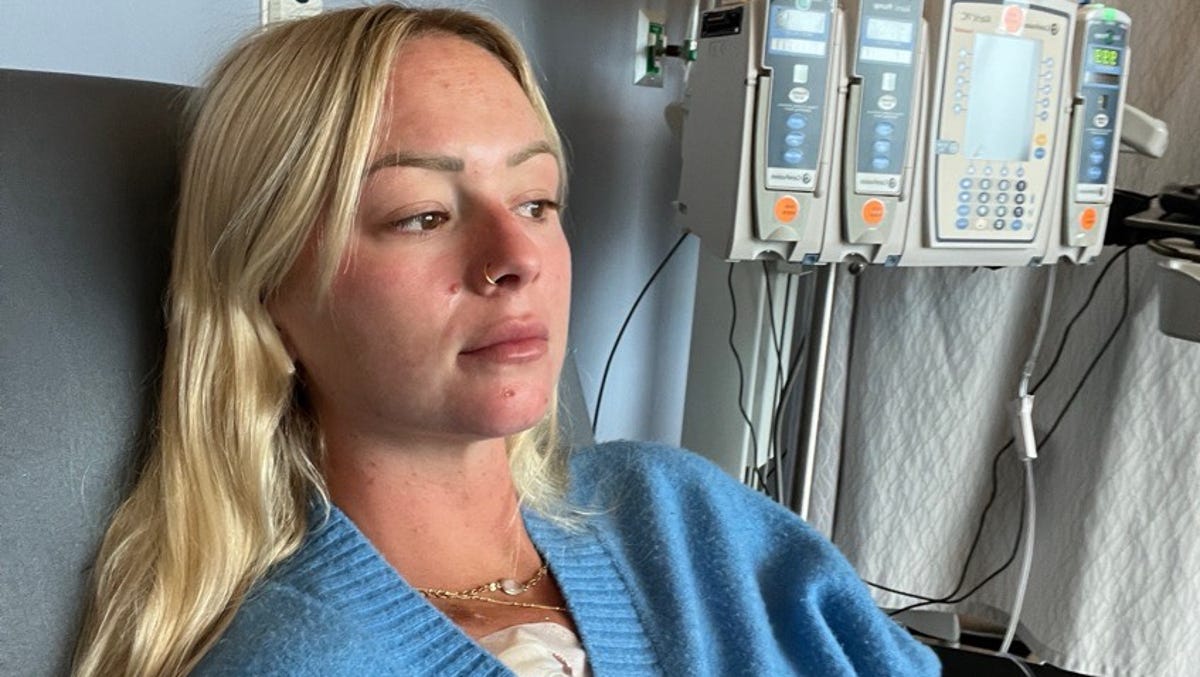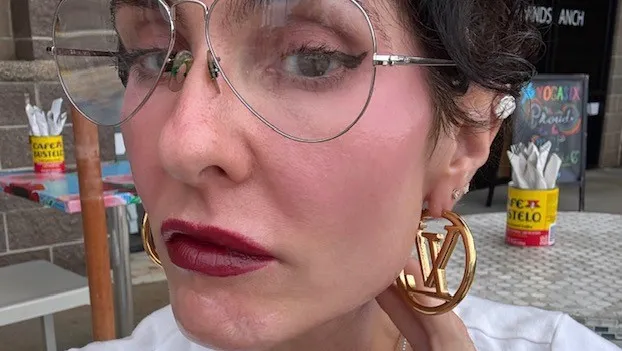
Anti-estrogen therapy can protect women from cancer recurrence but may trigger intense hot flashes, fatigue, sleep problems and sexual dysfunction, sometimes from their early 30s; New nonhormonal treatments may finally offer reliefAt 30 and a half, Shlomit Laufer was diagnosed with breast cancer and suddenly entered a world no young woman imagines for herself: egg preservation, chemotherapy, surgery, biological treatment and radiation. The cancer disappeared, but the struggle continued. To reduce the risk of recurrence, Laufer began prolonged anti-hormonal treatment designed to block the effects of estrogen, a hormone that can fuel certain types of breast cancer. The cost was severe. At 31, decades earlier than expected, she was forced into menopause, with symptoms usually associated with a far later stage of life becoming part of her daily routine.GalleryThe hidden cost of anti-hormonal therapy (Photo: Shutterstock)“I had a hormone-sensitive cancer, which means I cannot have hormones in my body,” says Laufer, now 39, a special education teacher. “I have to take anti-hormonal pills. You need to take them for about 10 years, and I have already been taking them for seven.”The treatment intended to mark the path out of cancer became an inseparable part of life after it. “I have experienced all the symptoms of menopause since I was 31,” she says. “The hot flashes are extremely severe. They come at any hour, in any weather, even when it is below freezing.“I am more irritable than I used to be, I tire more quickly, I have body aches that come and go, migraines and sleep problems. Loss of sexual desire is also something that needs to be discussed, especially among young women. As time passes, I keep discovering that everything happening to me is connected to this.”Laufer is far from alone. Even as menopause has gained greater public attention and hormone therapy has returned to the forefront, a large group of women remains largely excluded from the conversation: breast cancer survivors, women at increased risk of blood clots and others whose medical conditions make hormone treatment unsafe, even when symptoms severely disrupt sleep, concentration, daily functioning and quality of life.A recent comprehensive report in The New York Times described that gap: women repeatedly hearing that hormone therapy can be life-changing, while knowing it is simply not an option for them. The report examined the isolation and frustration of women who feel the menopause revolution has passed them by, along with the limited awareness of nonhormonal treatments that may ease some of their symptoms.Laufer strongly identifies with that experience. After nearly eight years of anti-hormonal therapy, she can barely remember what her body felt like before it. “I simply do not remember life before this,” she says. “I became accustomed to hot flashes coming and going. I was always someone who felt warm, but these waves hit suddenly, and they are harder than anything else.”‘I had hot flashes that left me in tears.’ Shlomit Laufer(Photo: Private)Over the years, she tried several approaches in search of relief. “I underwent acupuncture for a long time, and it helped somewhat,” she says. “I also took an anti-anxiety medication that was supposed to ease the hot flashes, but it did not really work. More recently, I started a new medication that I had only learned about after roughly seven and a half years. Since taking it, the hot flashes have stopped, although the other symptoms remain.”Did you ever consider stopping treatment because of the side effects?
‘It makes no sense for a 30-year-old to suffer like this’: The hidden cost of breast cancer recovery
Anti-estrogen therapy can protect women from cancer recurrence but may trigger intense hot flashes, fatigue, sleep problems and sexual dysfunction, sometimes from their early 30s; New nonhormonal treatments may finally offer relief
2,106 words~10 min read