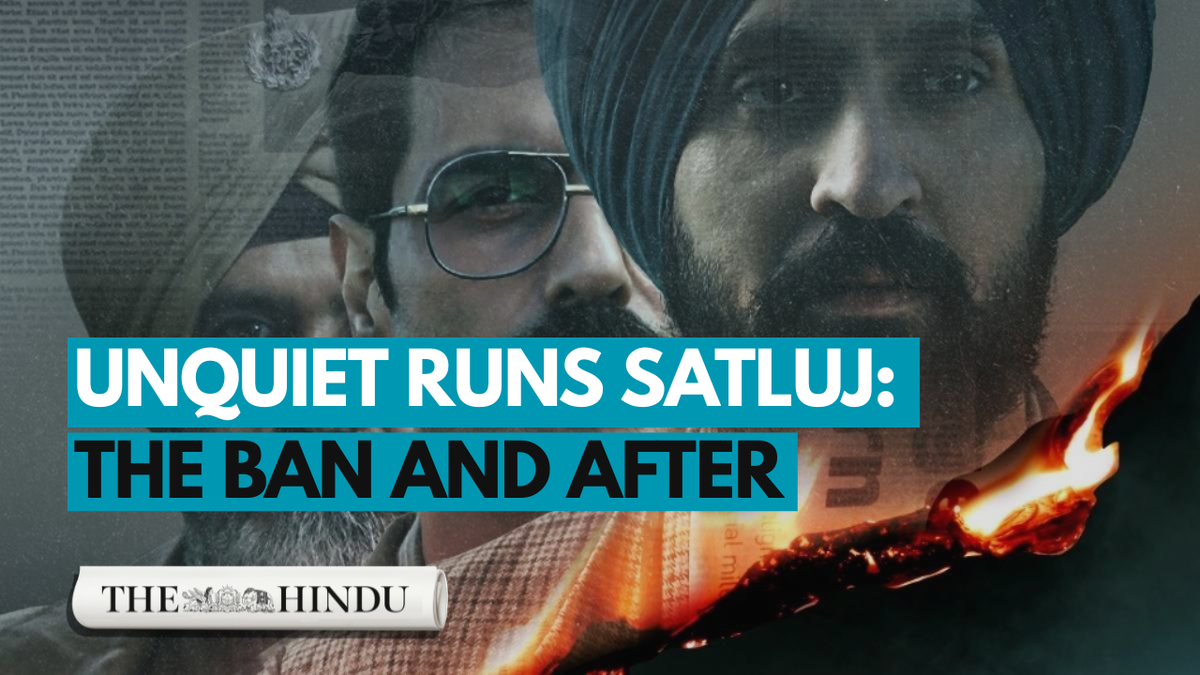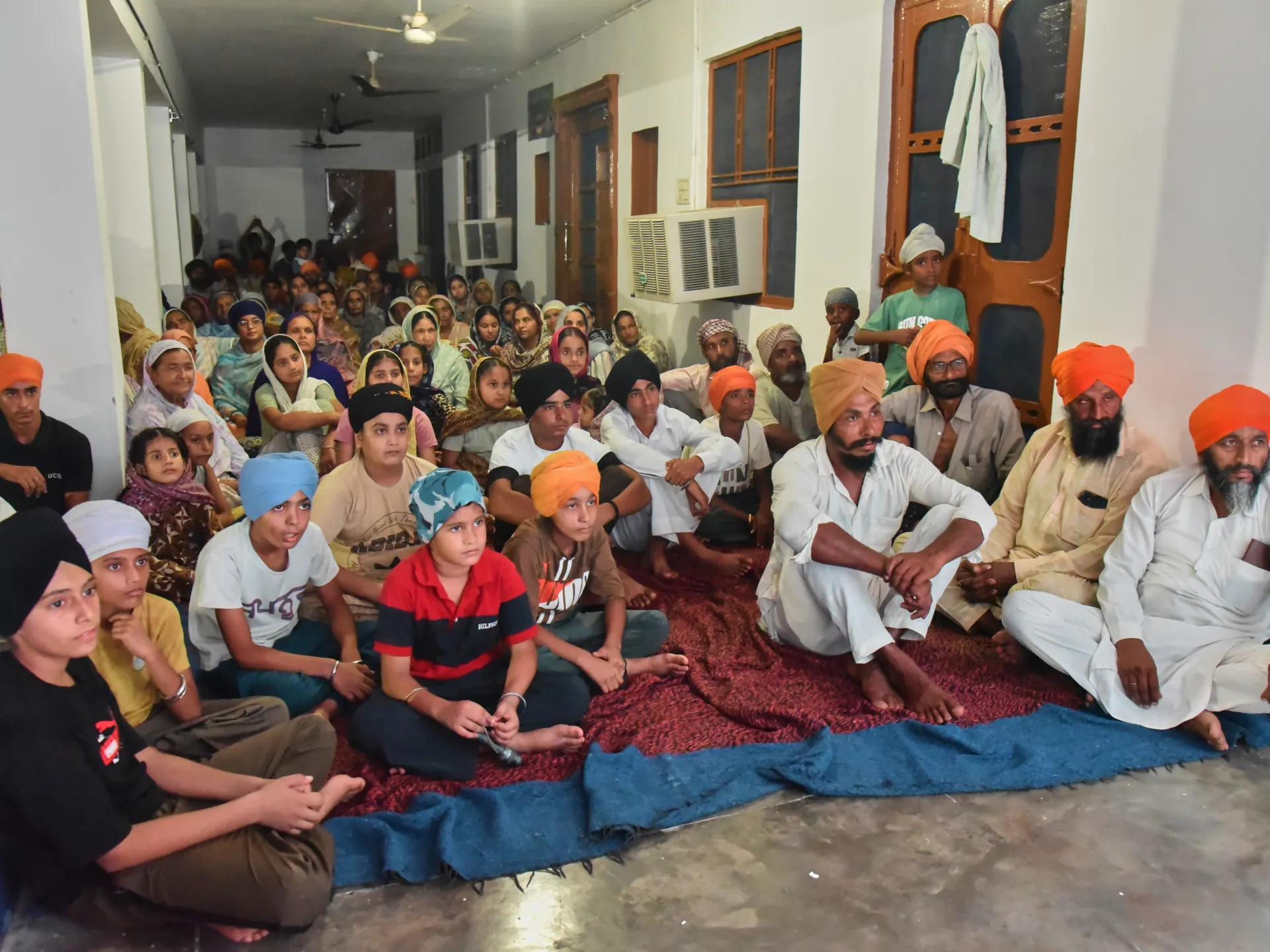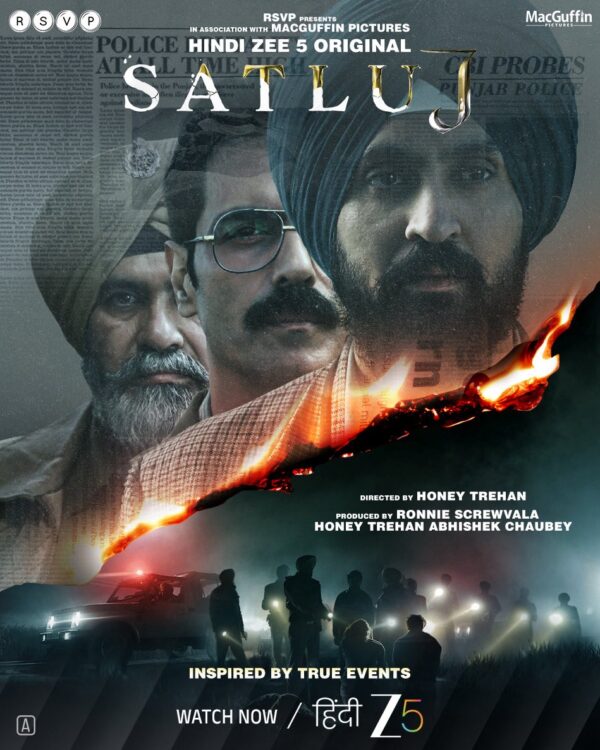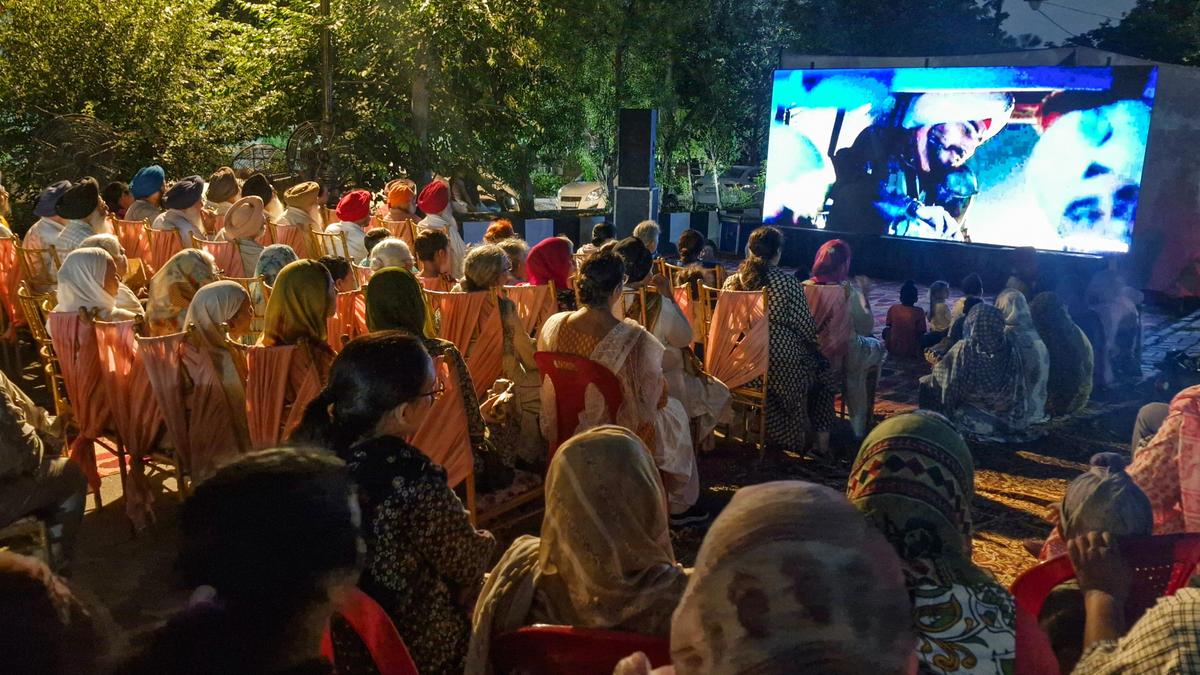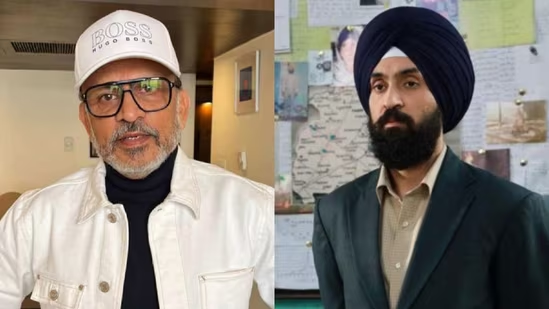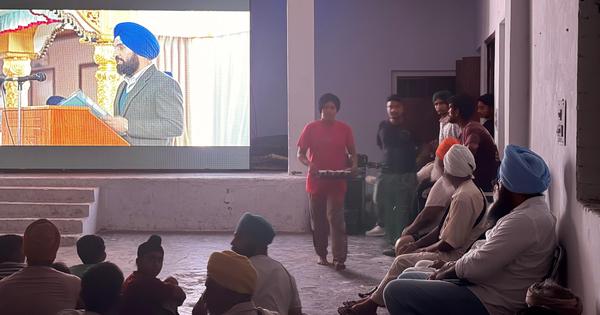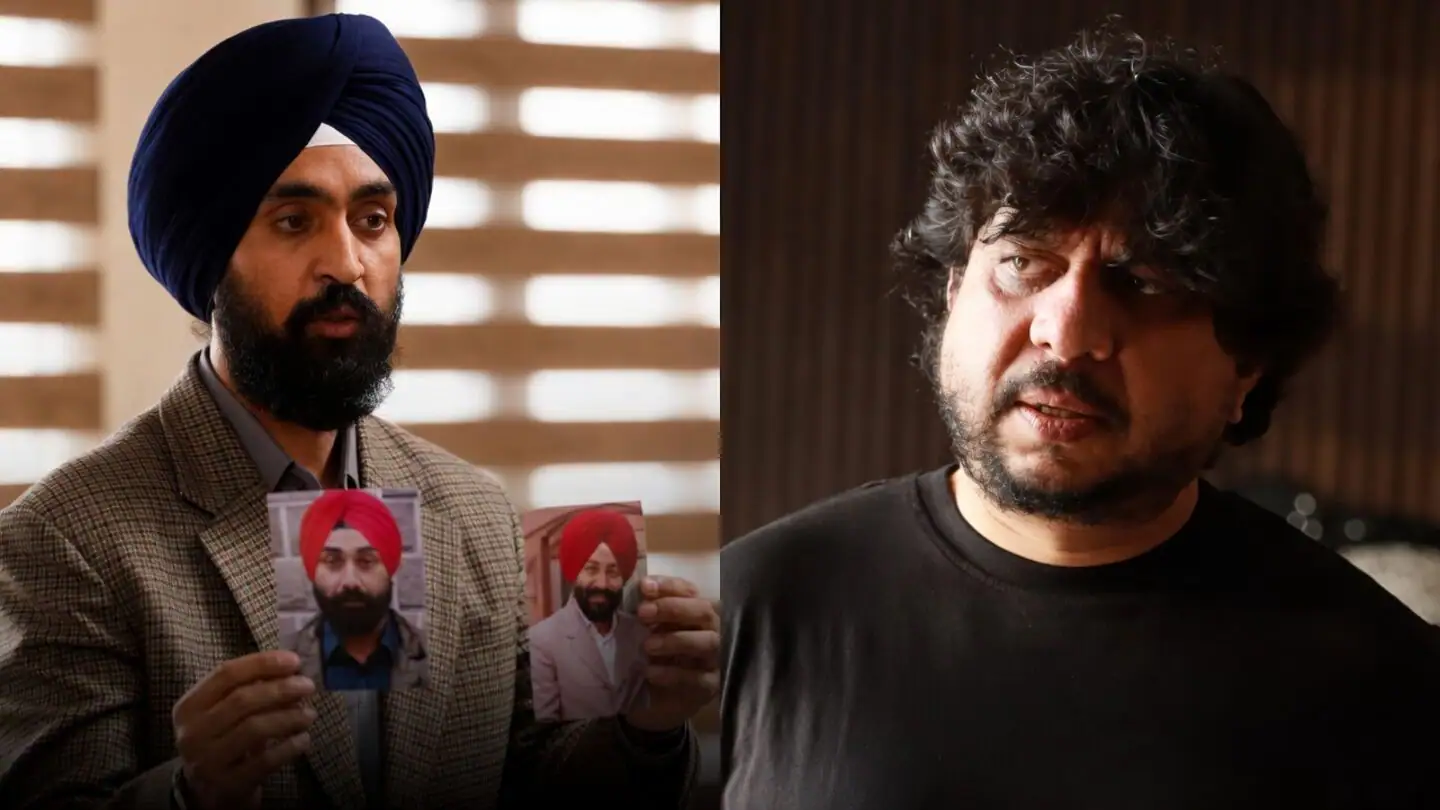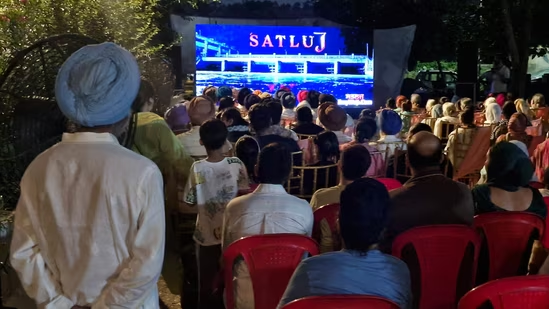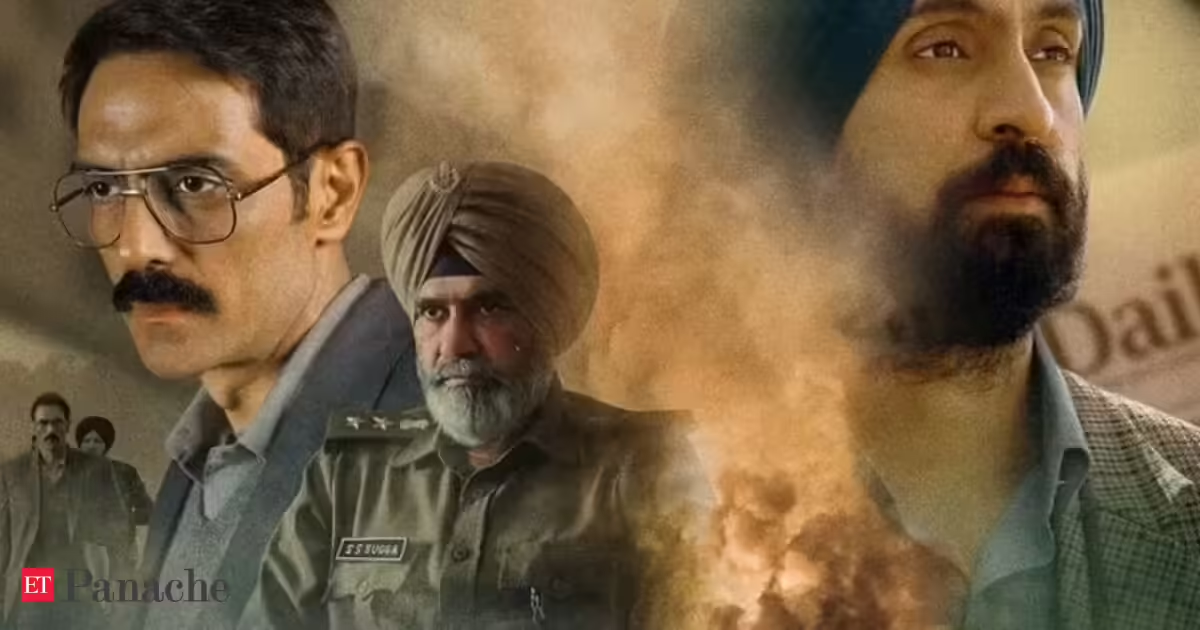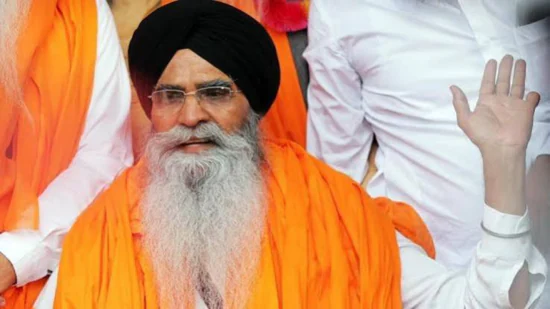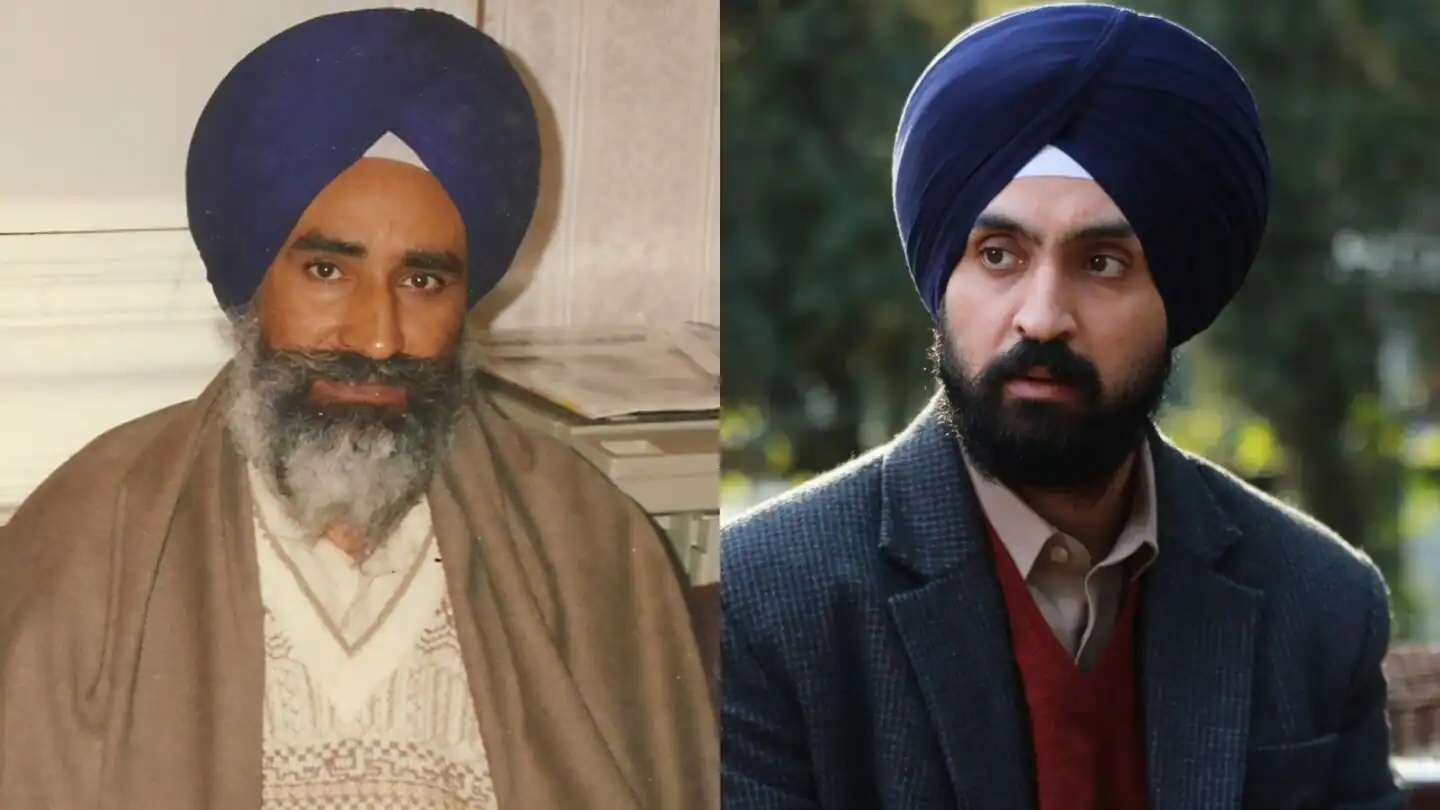
The film Satluj has drawn a lot of heated arguments from multiple sides of the political divide. The film features Diljit Dosanjh playing the lead role as Jaswant Singh Khalra, a human rights activist and Khalistani supporter who was killed by the Punjab police in 1995. Khalra discovered that many missing people were secretly cremated during the peak of the Khalistani violence in Punjab in the late 1980s and early 1990s, and the violent insurrection ended only when many police officers led by KPS Gill decided that the battle had to be fought by unconventional means – meaning without due regard to strictly legal remedies that involved capture and prosecution of terrorists under existing law.
The controversy has revolved around two issues: one, whether the film should have been banned from over-the-top (OTT) channels, for which the answer is ‘no’. In today’s social media age, you cannot easily suppress anything, and suppression is often counter-productive. Two, critics said that the film valourised the main character for his human rights record without giving the context in which extra-judicial methods may have been used to tackle terrorism, including summary encounters or executions. This criticism is partially valid, but one must also point out that films may occasionally espouse one side or the other, and it is not unusual for a film to have only one aspect to portray.But most comments have not directly addressed the elephant in the room, except in a round-about manner: when is recourse to extra-judicial methods justifiable? And when is it not? And what do we need to do so that extra-judicial methods of dealing with hyper crimes like terrorism and mafia action are needed less in future?