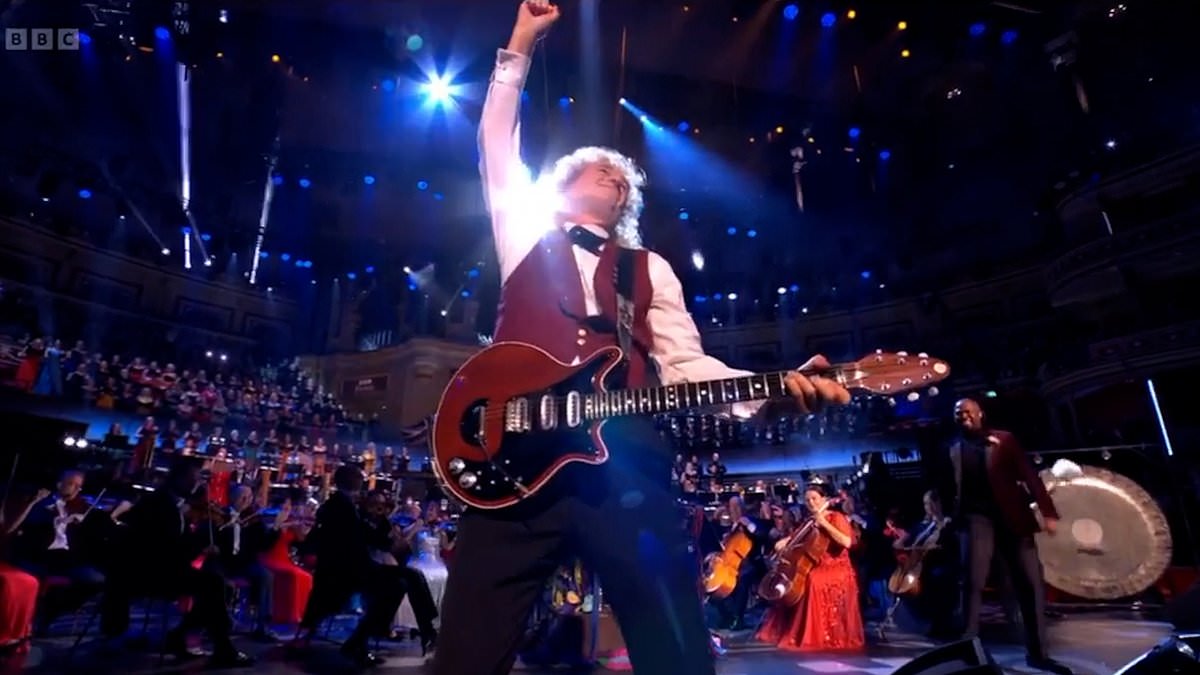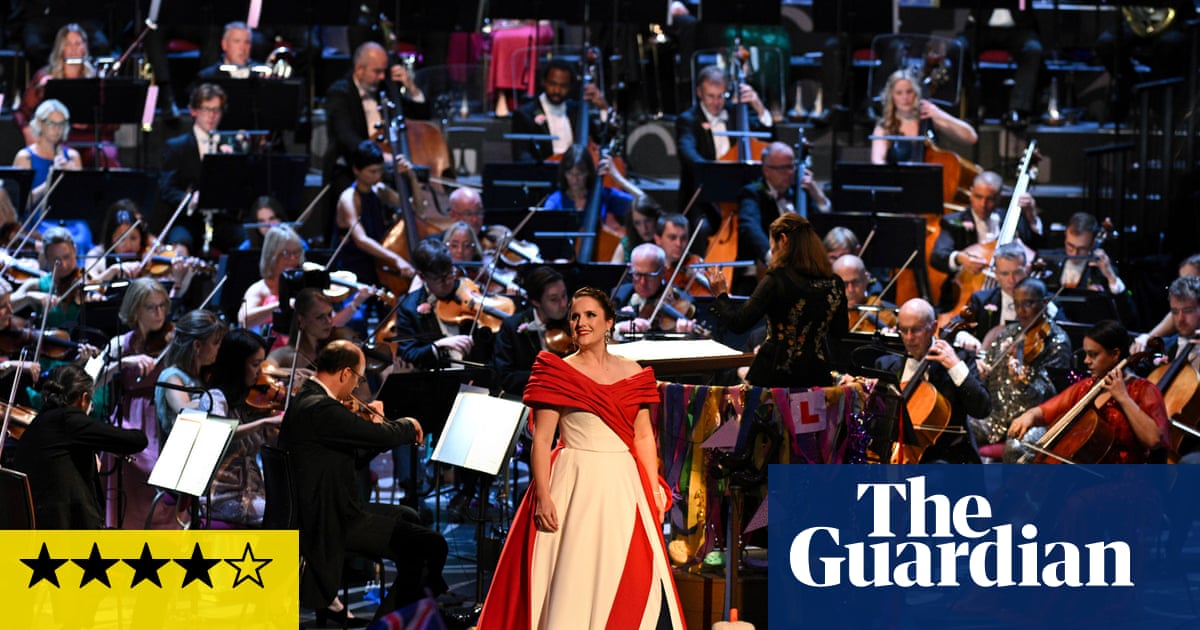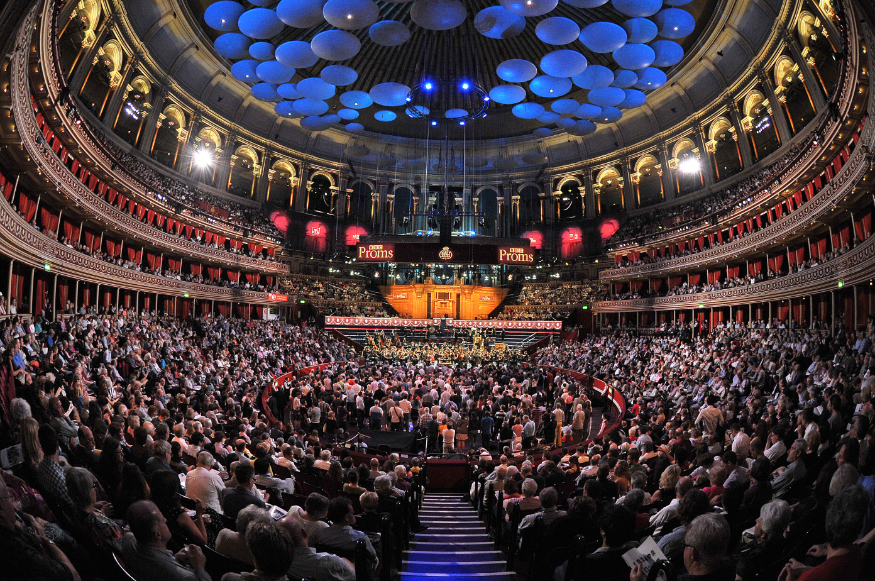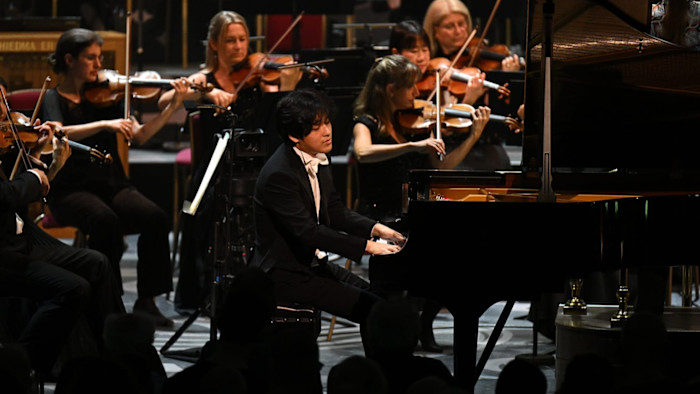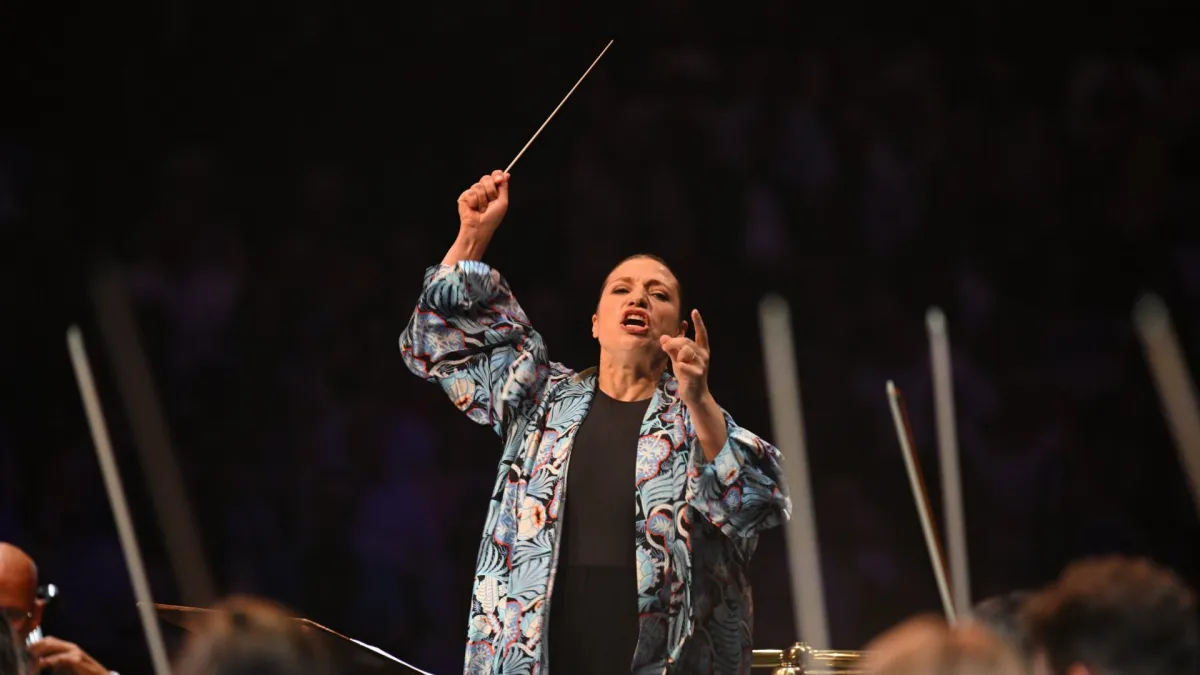
Crash! A roar of tamtam and drums, a shining beam of trumpet-call: Copland’s Fanfare for the Common Man beamed out to a capacity crowd in the Royal Albert Hall and to broadcast and internet listeners galore. The Proms are back – and what a way to begin them.
The 250th anniversary of US independence notwithstanding, the Proms’ ethos was always about the “common man”, or “common person”, to provide the best music at low prices to the largest possible audience. But in the old days, you could stand nightly through the Proms without hearing one note written by a woman, and without seeing any female conductor on the podium. This year, nine conductors are women and at least 27 Proms contain music written by women. It may not sound like much, and it is far from 50 per cent, but, honest to goodness, in this context, it is progress.
As recently as 2013, when Marin Alsop conducted the Last Night of the Proms, it was the first time in 118 years that any woman had had that job. People (mostly blokes) get sick of women like me making a fuss about this – but women are not a minority cause. We’re half the population and we shout because we don’t want to have to shout anymore. And the fact that so few eyelashes are being batted over it this year may mean that finally it’s working.