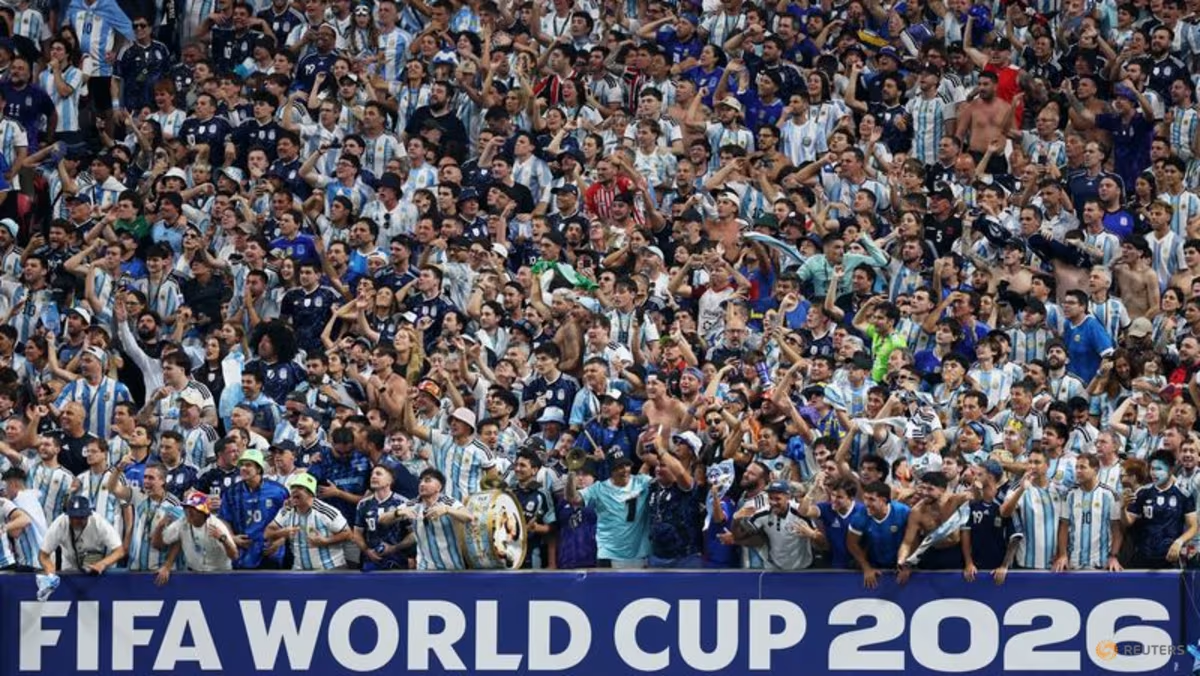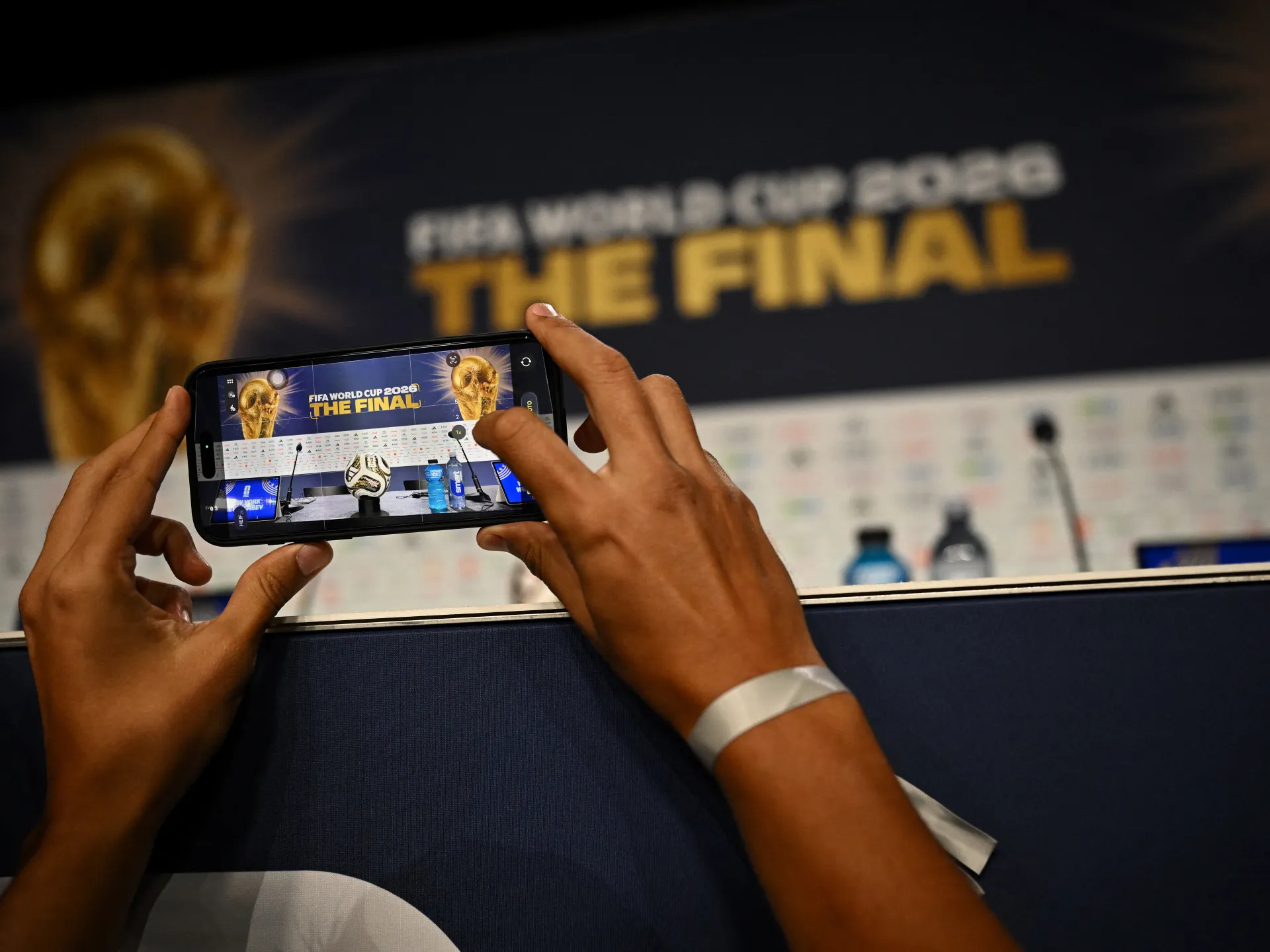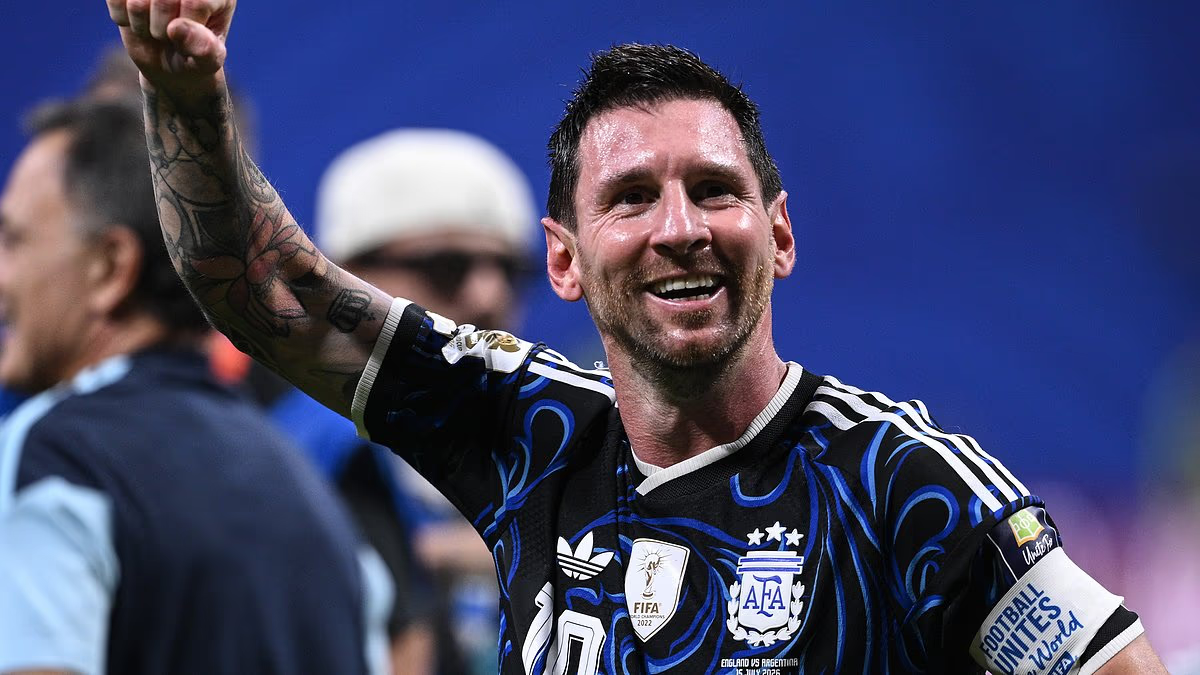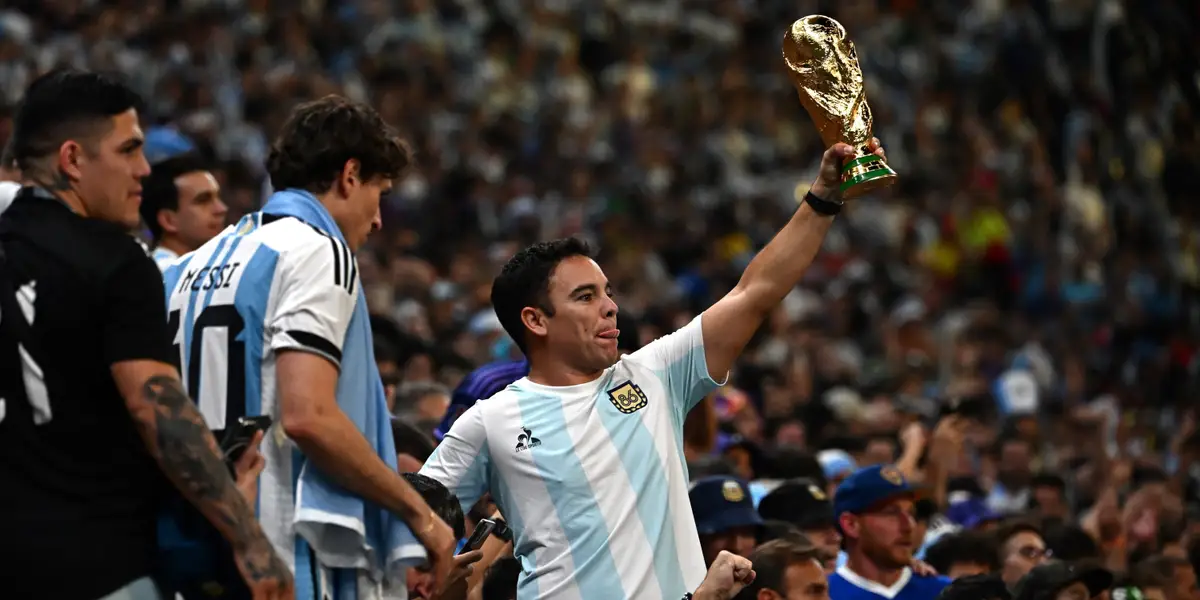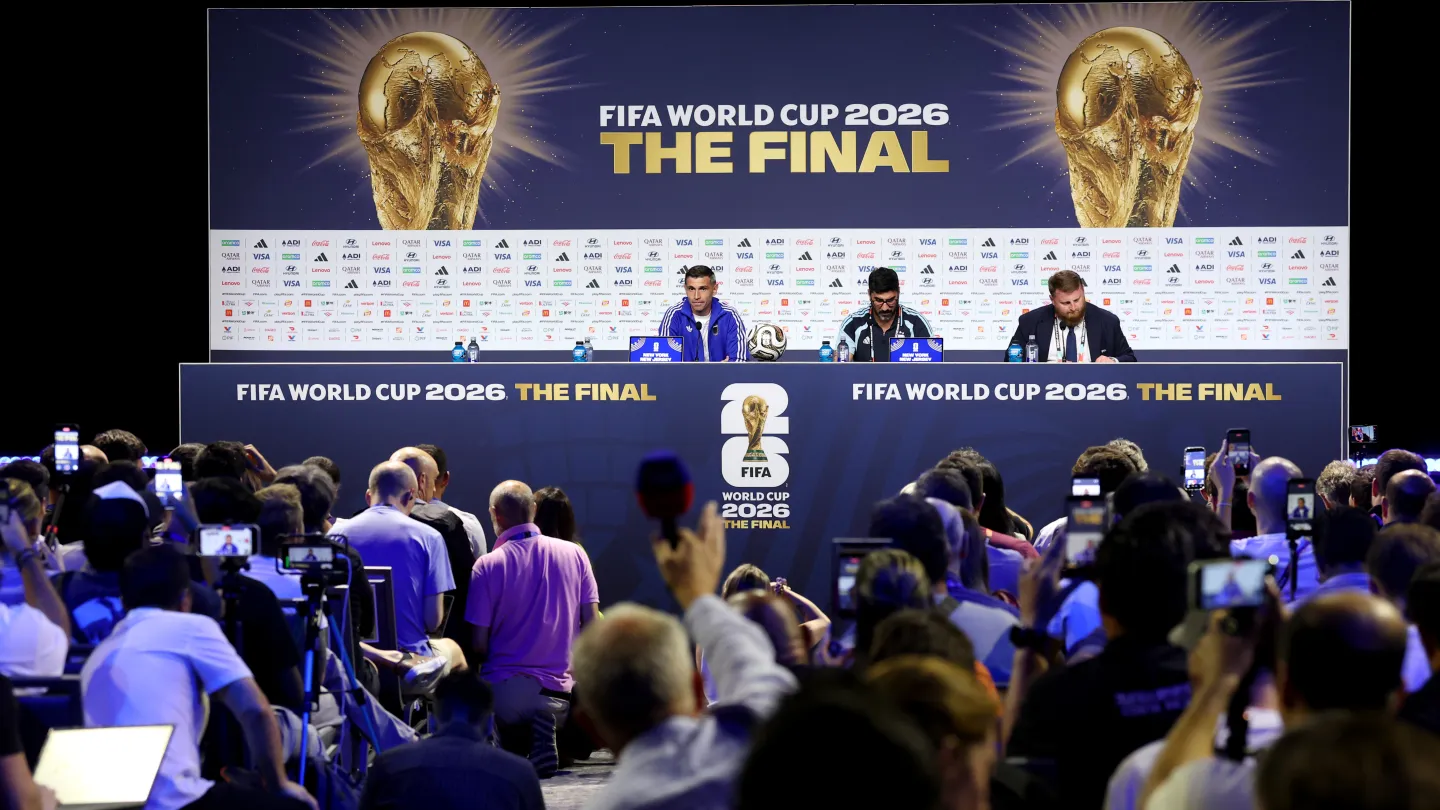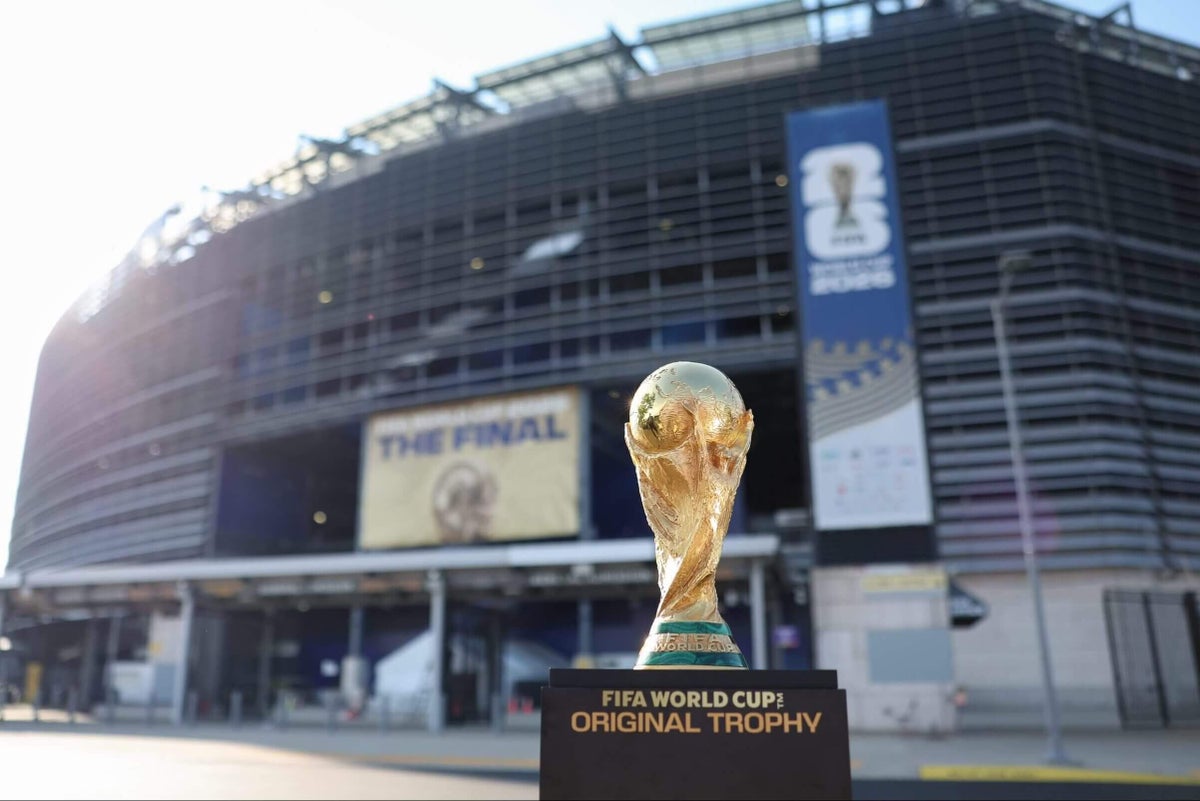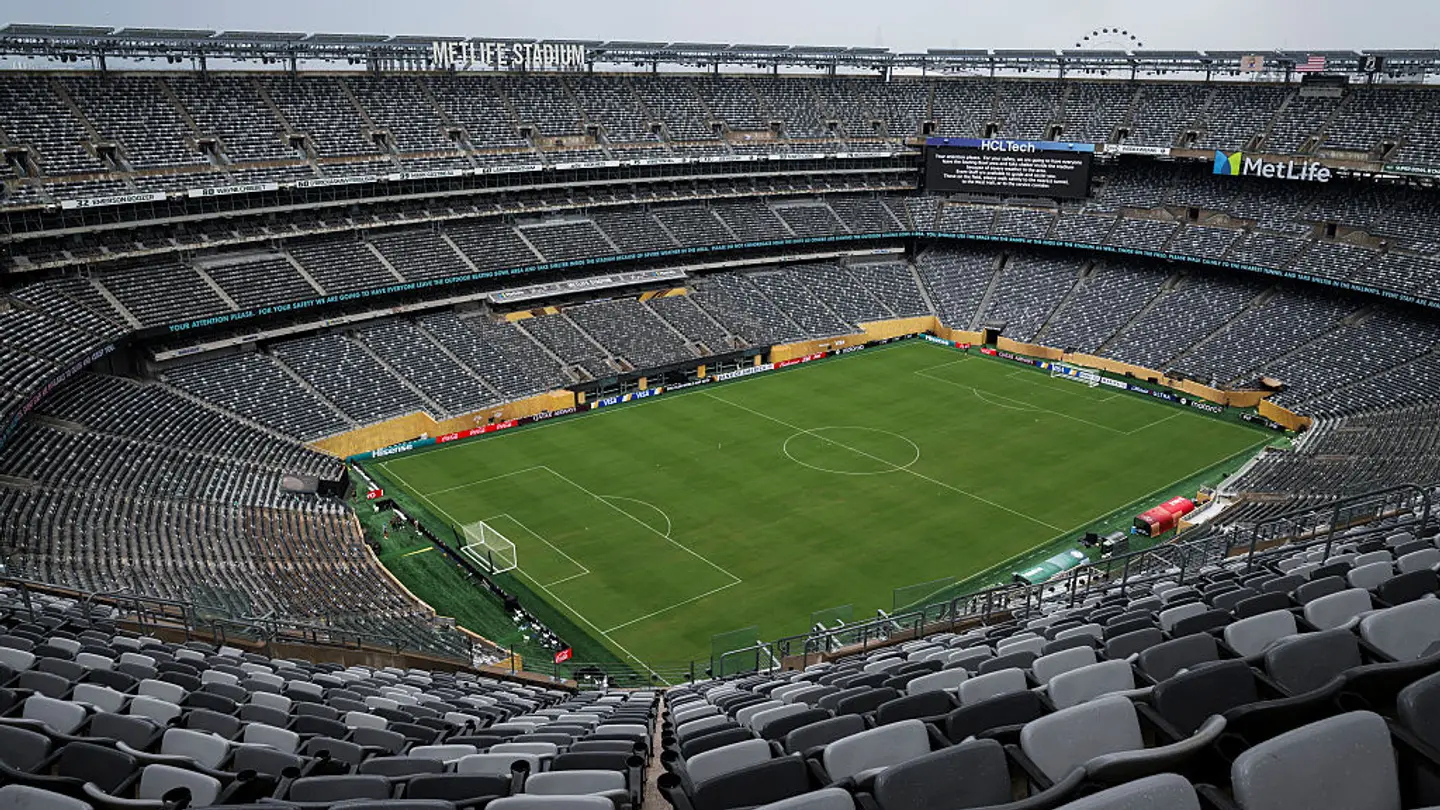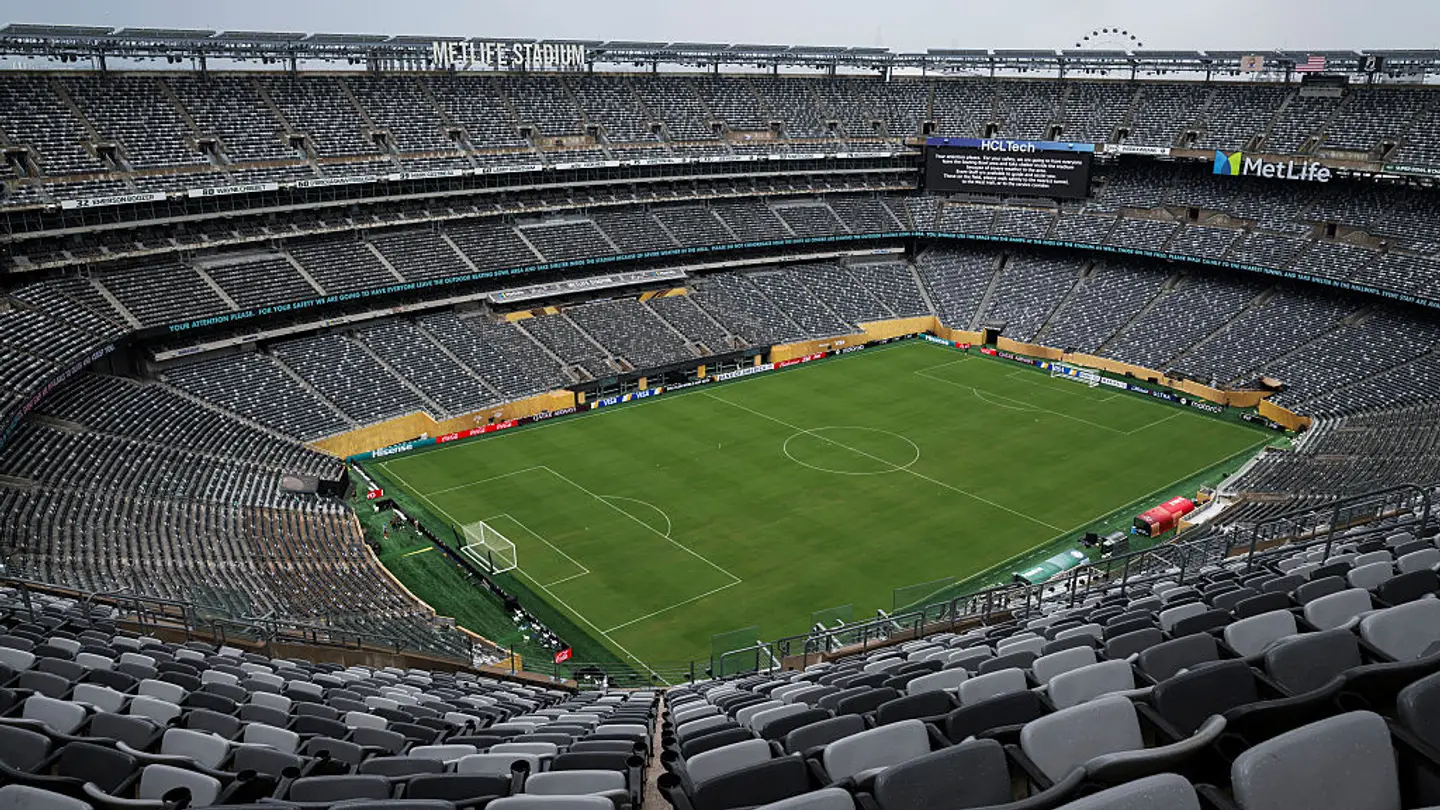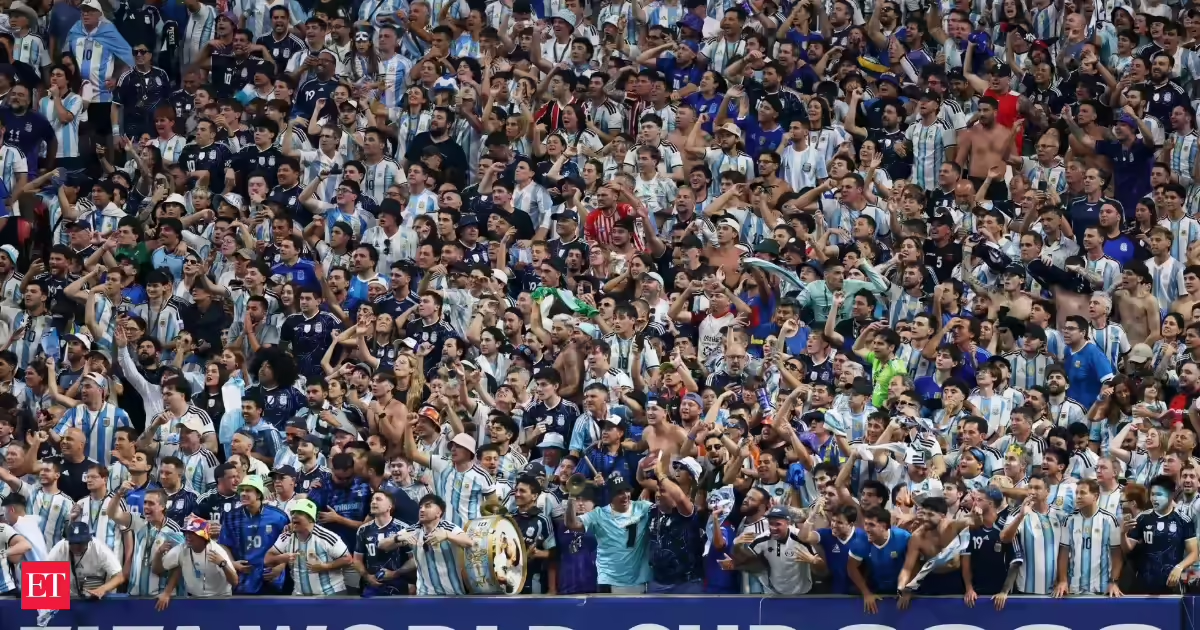
New York: Sunday's final caps a World Cup where fans were willing to shell out more than ever for a seat at the quadrennial showpiece, as ticket buyers confounded even the greatest cynics in the face of sky-high prices.In the match at New York New Jersey Stadium - widely billed as the single most expensive sporting event ever played in the United States - Lionel Messi's Argentina face Spain and their teenage superstar Lamine Yamal.It is a fitting end to a tournament that has tested the limits of what fans will spend, with FIFA's gamble paying off after concerns over visa restrictions and domestic unrest in the United States.Read More: How an Italian sculptor created the FIFA World Cup trophy that became an icon"What FIFA did a very good job of was determining what demand would be because people (were) paying these absurd prices for just about all the 104 matches," said Scott Friedman, a ticketing expert who previously worked for the Cleveland Cavaliers."A year ago, we didn't think people would be traveling with Trump's ICE stuff and all this other conspiracy stuff. But it's the most popular tournament in the world by far globally and FIFA, to their credit, they set the prices high and people ended up paying them."A Reuters analysis of FIFA attendance data found that more than half the 72 group matches were attended to capacity, with most others only a few hundred fans short of a full house. Around 99.7% of available seats were filled during the preliminary stage matches, FIFA said.The data erased early concerns that FIFA's infamously steep prices would put off fans, after swathes of empty seats were seen around the Guadalajara Stadium for the June 11 match between South Korea and the Czech Republic.FIFA reported an attendance of 44,985 at the nearly 46,000-seat stadium but empty seats seen by a Reuters witness around the arena seemed to justify critics' biggest fears.Higher prices, higher demandAs the tournament expanded to its largest-ever field, however, with 48 teams involved, so too did interest among fans.Prices were set initially at $575 a ticket for group games - more than double the most expensive group ticket available during the 2022 tournament - but FIFA's dynamic pricing system meant that many ticketholders paid far more.Hundreds of tickets were still available for the final on Wednesday, priced at little more than $7,000 on FIFA's platform, a surprise fact that prompted speculation over whether FIFA had finally gone too far with its prices.Read More: FIFA to explore 64-team World Cup for 2030 edition, says Gianni InfantinoBut the batch of seats available was likely the result of a process known as "slow ticketing", Friedman explained, a common practice in mega-events in which organisers restrict inventory to motivate buyers."They can act like they already sold their seats and kind of just dribble them in accordingly to obviously increase market demand," said Friedman, who runs the 'Ticket Talk Network', dedicated to exploring how seats for sports mega-events are bought and sold."Like 'Oh, there's only so-and-so amount of tickets left available in the section, I better buy now'."By Friday, nearly all tickets appeared to be sold, with a few listed on FIFA's sales platform at around $32,000 apiece.No one really knows how this worksAn opaque "dynamic pricing" process has also proven a boon for FIFA, as the sport continues its uneasy evolution from a working-class game to a pastime of the wealthy.FIFA introduced dynamic pricing for the first time at this tournament, allowing ticket prices to fluctuate based on real-time demand and other factors."One reason for the frustration over the last few months is that no one really knows how this works," said Adam Elmachtoub, an associate professor of industrial engineering and operations research at Columbia University."People are willing to accept dynamic pricing - we deal with it for airfare, we deal with it even (for) buying clothes - but I think when it's such a high-profile event, transparency will help a lot."FIFA introduced a small number of lower-cost tickets in response to backlash over prices, as politicians including New York City Mayor Zohran Mamdani lobbied for local residents to have access to affordable seats.A high-quality tournament also spurred demand, with the four top-ranked nations in the semi-finals for the first time since rankings were introduced, and Sunday's final will feature the 39-year-old Messi in probably his final World Cup match."The notion of what is fair pricing here is complex because entertainment is not like a necessity," said Elmachtoub.Fan appetite holds upLax rules around the resale market in the U.S. have only served to accelerate the pocket-emptying around the tournament, with second-hand ticket sellers largely empowered to set their own prices.The rules in the United States stand in contrast to co-hosts Mexico, where resellers are prohibited from listing their tickets above what they spent - and much of the rest of the world.A flood of final-week listings brought prices down on resale platform SeatGeek, with the average ticket for the final listed for more than $11,000 as of Friday. Still, that figure easily made the final the most expensive event that the platform had sold, 8% above the 2024 Super Bowl, SeatGeek said."What we're seeing with this year's World Cup is that demand fluctuates with every round and every matchup reveal," said Chris Leyden, senior director for marketing at SeatGeek."The appetite for this tournament has held up remarkably well from the group stage through the knockouts."World Cup for a happy fewHuman rights experts warned, however, that the tournament remained out of reach for far too many fans.At what FIFA President Gianni Infantino had promised would be the most inclusive World Cup, supporters from multiple countries were unable to obtain visas, according to the Sport & Rights Alliance."It's been a World Cup for a happy few," Ronan Evain, executive director of Football Supporters Europe, told reporters."Those in Europe, Norwegians, Scottish, who have enough purchasing power to travel to the U.S., don't need a visa to enter the country and can afford the extortionate ticket prices."
If you bill it, they will come: FIFA 2026 wins battle for fans' wallets in pricey World Cup
World Cup final caps a tournament where fans paid record prices. Ticket buyers defied expectations and paid sky-high prices for all matches. FIFA's gamble paid off as demand exceeded initial concerns about prices. Dynamic pricing and resale markets further inflated costs for attendees. This event became a World Cup for a select few with high purchasing power.
1,001 words~5 min read