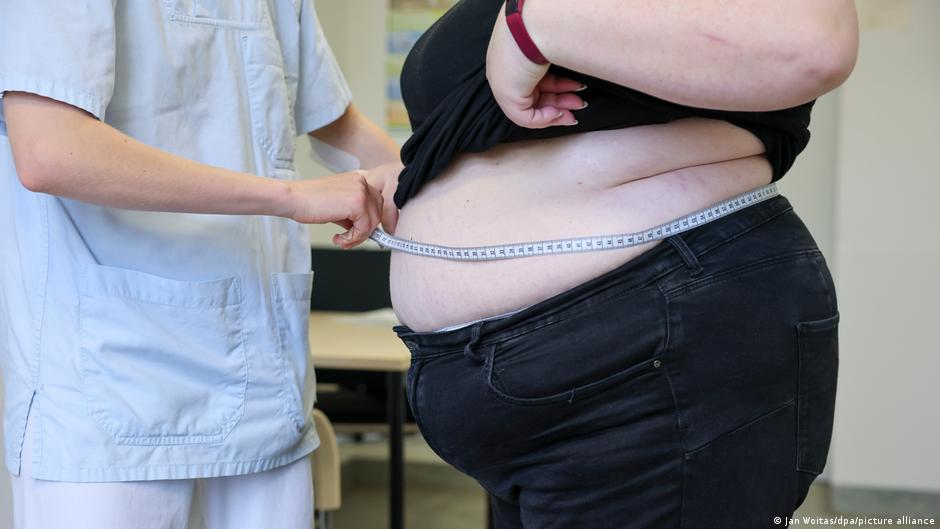
The effect of obesity on unemployment is more than twice as large as previously thought, finds a UK Biobank study of genetic evidence.
New research being presented at this year's International Congress on Obesity (ICO2026), hosted by the World Obesity Federation (WOF) in Mexico City, Mexico (15–17 July), supports a strong causal link between obesity and unemployment, underscoring the need for targeted initiatives to help people living with obesity enter and remain in employment.
By analyzing genetic variants robustly associated with increased body mass index (BMI) in more than 280,000 individuals, researchers found that obesity's true causal impact on employment is more than twice as great as conventional methods suggest, with a 4.2 percentage point reduction in the likelihood of being in paid work, compared with 1.8 percentage points using traditional statistical approaches.
These findings suggest that out of every 100 people living with obesity, around four fewer are likely to be in paid employment solely due to obesity than would otherwise be expected—a gap not explained by other factors such as age, education or deprivation, since the genetic method rules those out.
Previous traditional epidemiological studies have found that obesity is linked with higher unemployment, greater sickness absence and lower wages, costing the UK an estimated £31 billion a year in lost productivity alone, with a total annual economic and societal cost of around £126 billion. People with obesity often face discrimination in the workplace, which may contribute to these associations.