New research presented at this year's International Congress on Obesity (ICO2026), hosted by the World Obesity Federation (WOF) in Mexico City, Mexico (July 15–17), reveals that few of the world's 21 largest food retailers are taking significant voluntary action to create healthier food environments for children and families.
Supermarket chains Walmart, Edeka, Woolworths, Aeon and Spar are among the vast majority of retailers that need to take stronger and more effective action to positively influence population diets.
"Supermarkets' voluntary commitments to promote healthier and more equitable diets aren't going far enough when it comes to public health goals," said lead author Professor Adrian J. Cameron from Australia's Deakin University Global Centre for Preventive Health and Nutrition.
"When it's clear that retailers won't take significant action themselves, we need to see governments urgently introduce mandatory, legally binding standards for major supermarkets to address the global pandemic of obesity and other diet-related diseases."
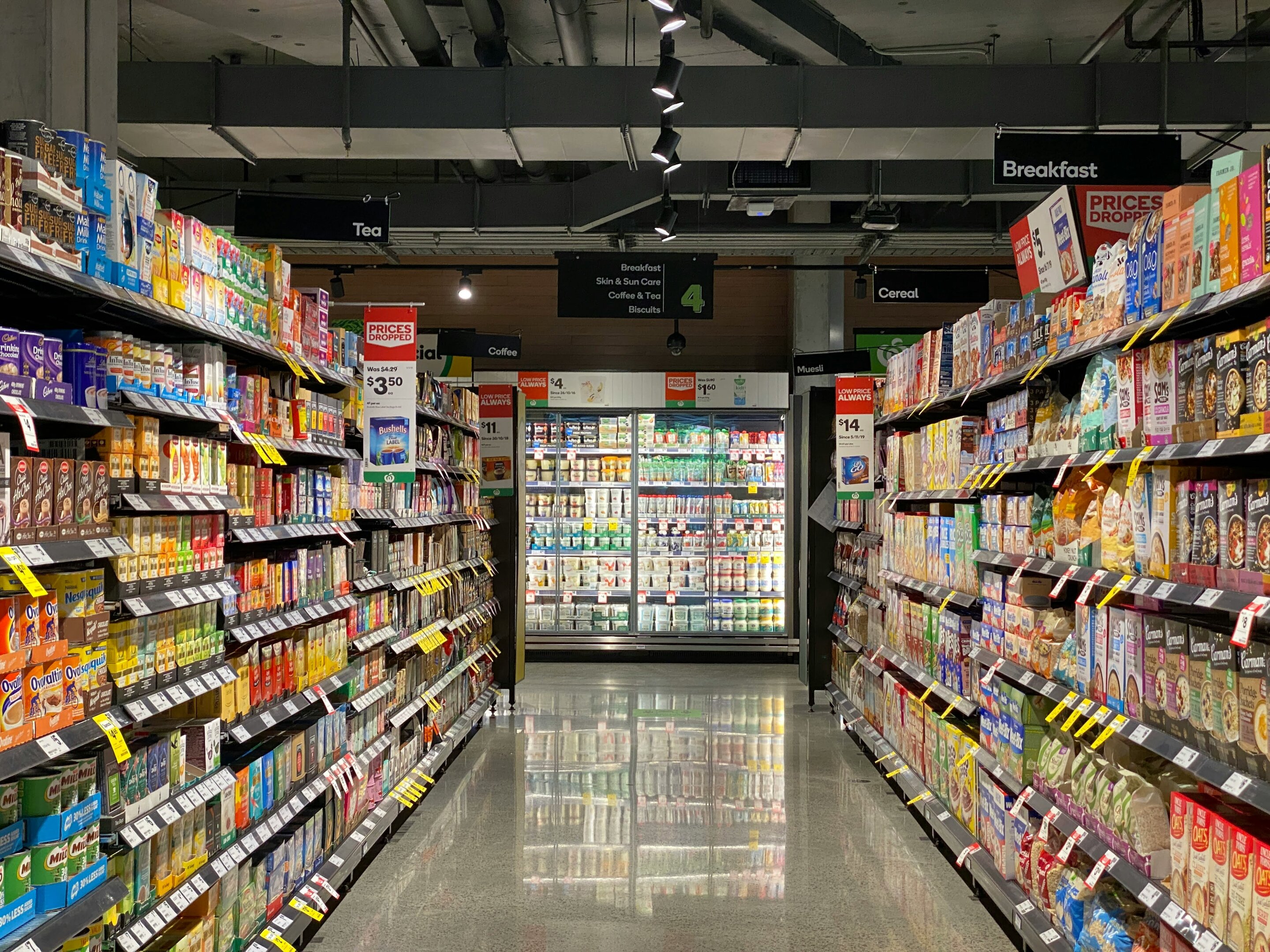
The findings come amid growing concerns about unhealthy "ultra" processed foods (UPFs) that have flooded supermarket shelves in recent years. These foods typically contain high amounts of sugar, salt and unhealthy fats.