Every enterprise I've talked to in the last year has the same story: AI agents are being deployed faster than risk and compliance teams can review them. Procurement moves in weeks, legal review moves in quarters, and the gap in between is where the real exposure lives.
Traditional Errors & Omissions (E&O) insurance was never designed for this pace. It assumes a world where risk changes slowly enough that an annual form and a broker phone call are sufficient to underwrite it. That assumption breaks down completely with autonomous systems. An agent can make thousands of decisions an hour, and a subtle failure mode (what people in this space call "silent AI" risk) can run for weeks before a human notices anything is wrong. By the time a claim gets filed under the old model, the damage has already compounded, and the insurer is reconstructing what happened from logs and depositions instead of live data.
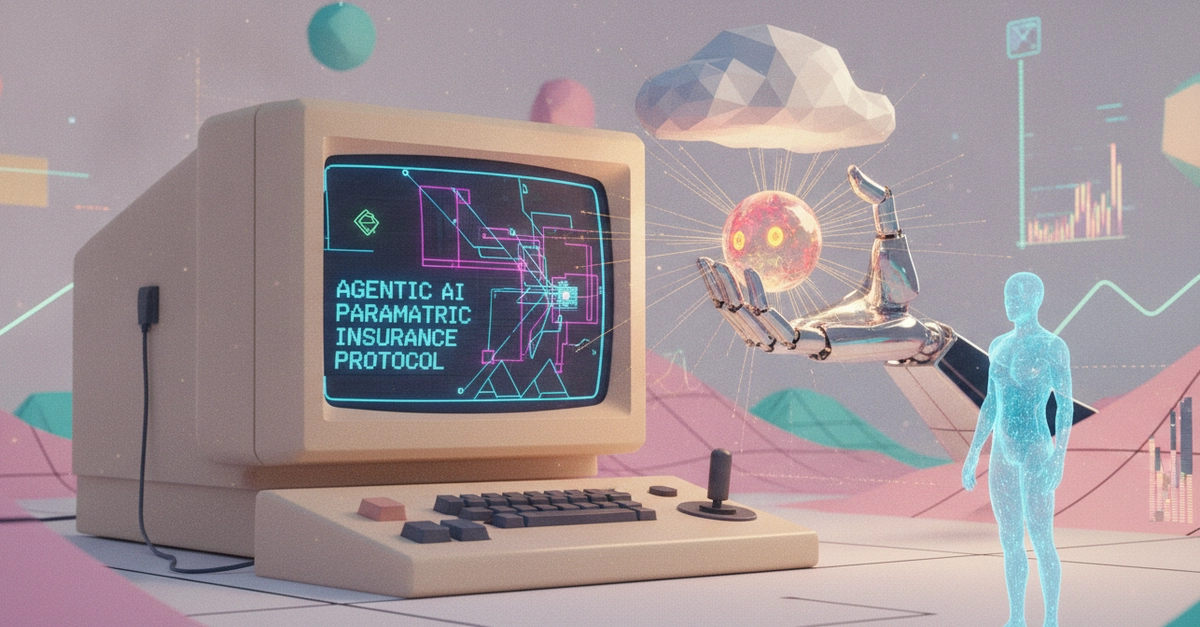
I wanted to sit with a narrower, more concrete question: what would insurance look like if it were driven by live operational signals instead of static paperwork? Not as a thought experiment, but as something I could actually build and click through. That question turned into Recourse.ai, an Android prototype built with the Lloyd's Lab ecosystem in mind. It bridges AI operational telemetry with parametric insurance workflows, converting real-time agent behavior into instant, verifiable payouts whenever a pre-agreed safety threshold gets crossed.