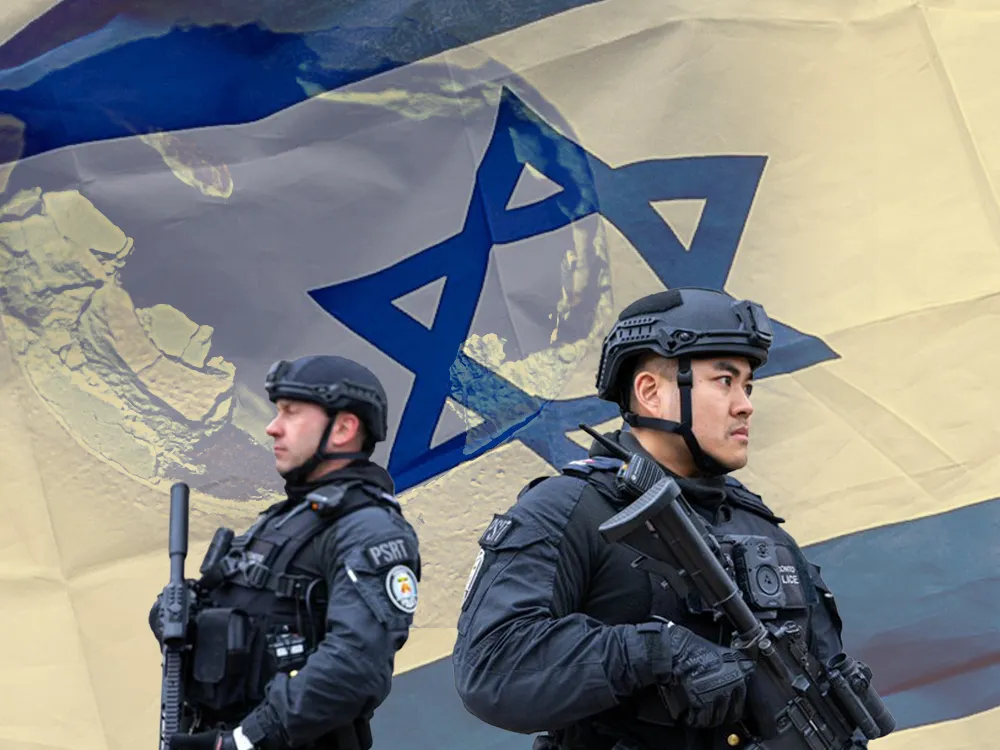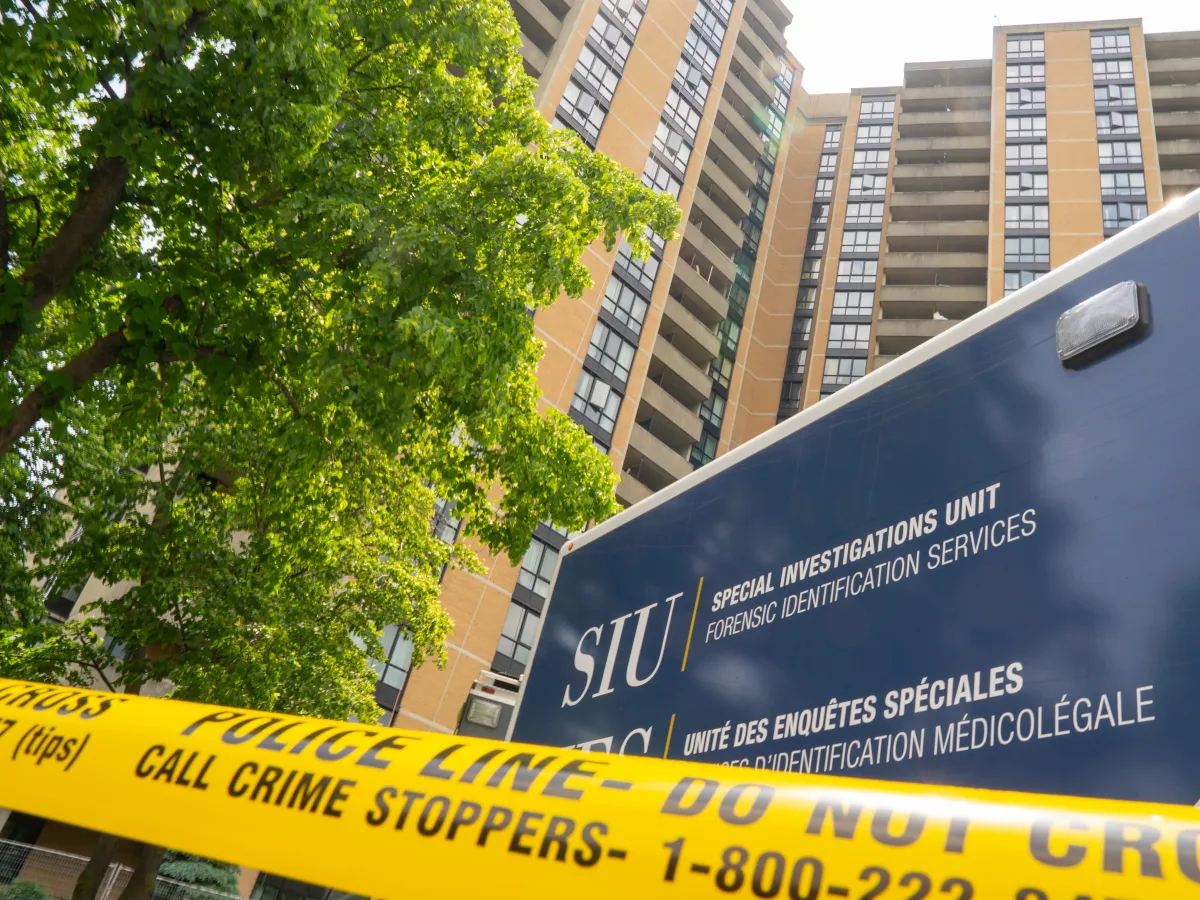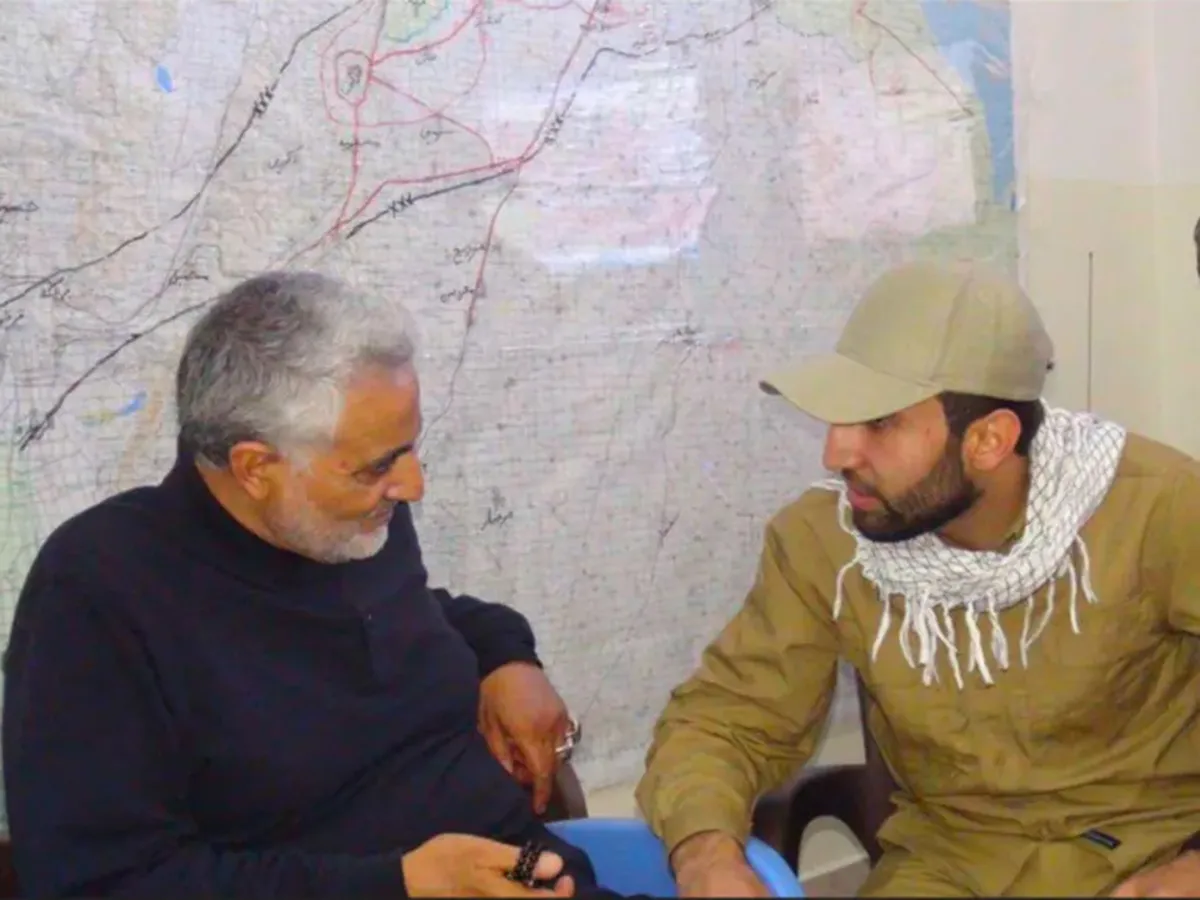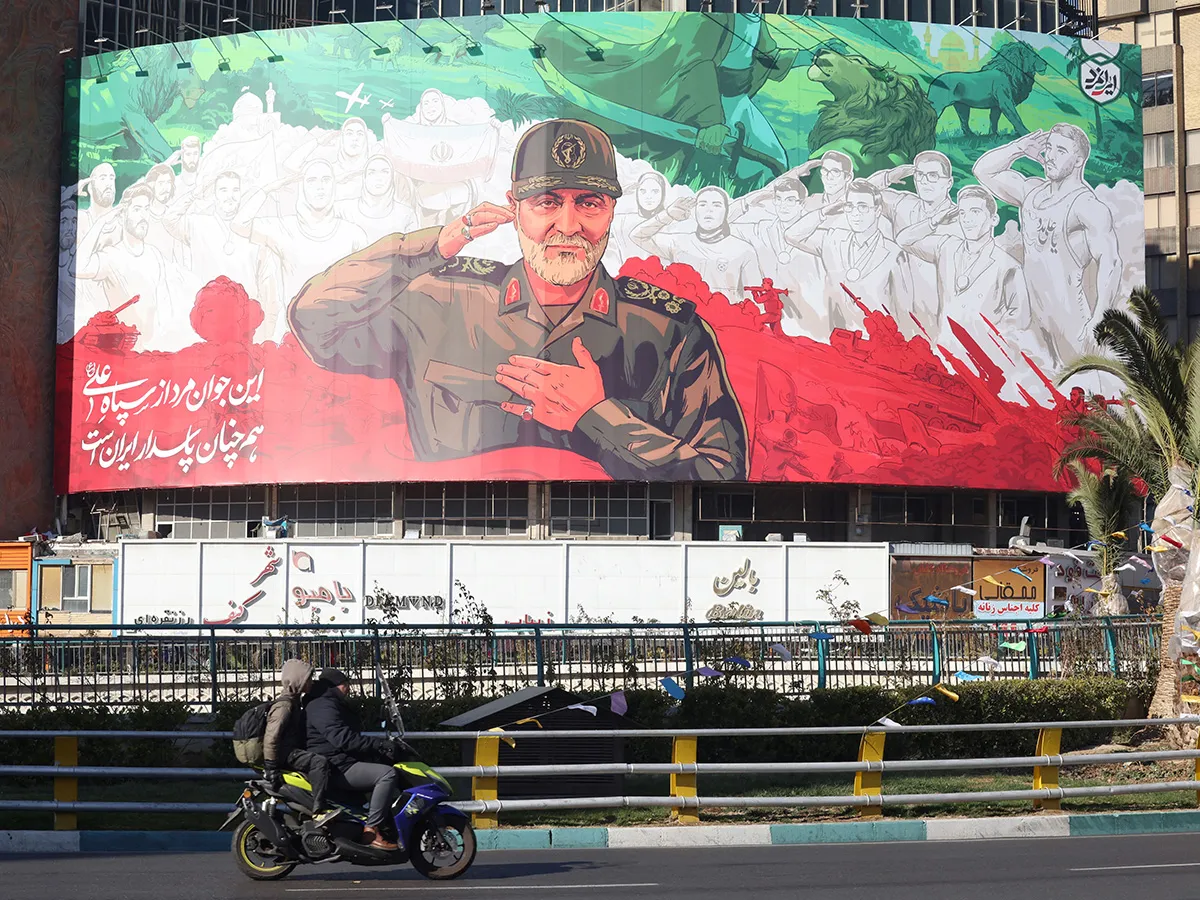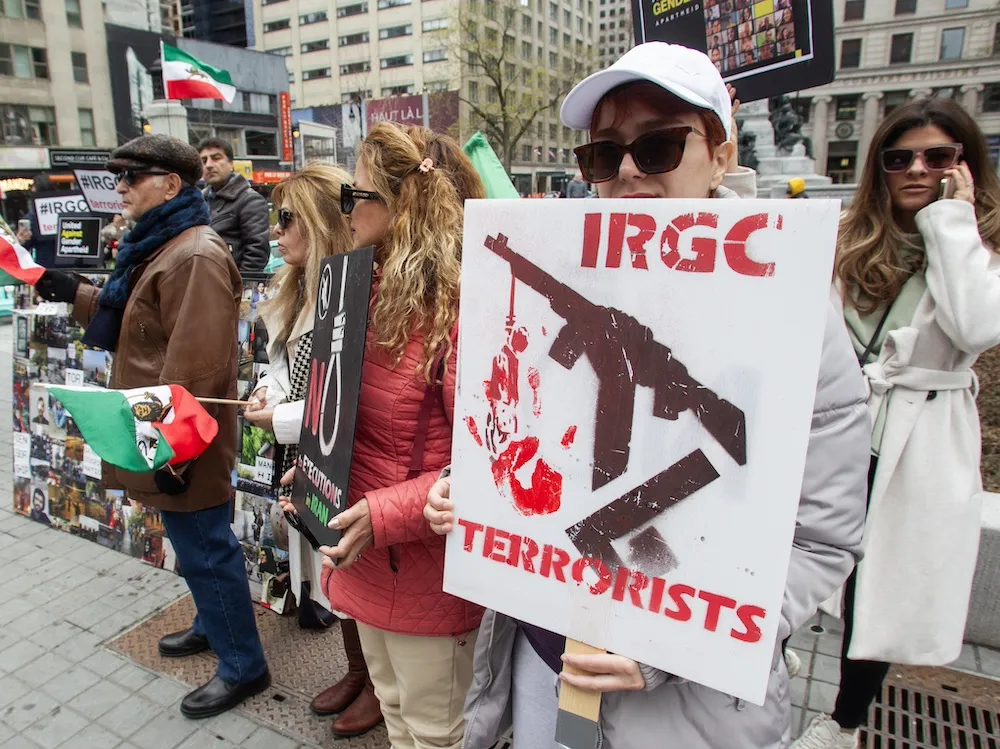
Skip to Content Subscribe Our Offers My Account Manage My Subscriptions FAQ Newsletters Canada Canadian True Crime Canadian Politics Health World Israel & Middle East Financial Post NP Comment Longreads Puzzmo Diversions Comics NP News Quiz New York Times Crossword Horoscopes Life Eating & Drinking Style Sponsored Play for Ontario Travel Travel Canada Travel USA Travel International Cruises Travel Essentials Culture Books Celebrity Movies Music Theatre Television Business Essentials Advice Lives Told Tails Told Shopping Buy Canadian Home Living Outdoor Living Kitchen & Dining Tech Style & Beauty Personal Care Entertainment & Hobbies Gift Guide Travel Guide Amazon Prime Day Deals Savings National Post Store More Sports Hockey Baseball Basketball Football Soccer Golf Tennis Driving Vehicle Research Reviews News Gear Guide Obituaries Place an Obituary Place an In Memoriam Classifieds Place an Ad Celebrations Working Business Ads Archives Healthing Epaper Manage Print Subscription Profile Settings My Subscriptions Saved Articles My Offers Newsletters Customer Service FAQ Newsletters Canada World Financial Post NP Comment Longreads Puzzmo Diversions Life Shopping Epaper Manage Print Subscription HomeNP CommentNoah Shack: Iran's terror-crime nexus is a growing threat to CanadiansCanada's approach to counterterrorism must evolve to meet this new realityLast updated 5 days ago You can save this article by registering for free here. Or sign-in if you have an account.People take part in a a protest against the Iranian government on April 21 in Montreal (John Kenney / MONTREAL GAZETTE)On July 18, 1994, a suicide bomber drove an explosives-laden truck into the Jewish community centre in Buenos Aires, killing 85 people and injuring hundreds in the deadliest terror attack in Argentina’s history.Enjoy the latest local, national and international news.Exclusive articles by Conrad Black, Barbara Kay and others. Plus, special edition NP Platformed and First Reading newsletters and virtual events.Unlimited online access to National Post.National Post ePaper, an electronic replica of the print edition to view on any device, share and comment on.Daily puzzles including the New York Times Crossword.Support local journalism.Enjoy the latest local, national and international news.Exclusive articles by Conrad Black, Barbara Kay and others. Plus, special edition NP Platformed and First Reading newsletters and virtual events.Unlimited online access to National Post.National Post ePaper, an electronic replica of the print edition to view on any device, share and comment on.Daily puzzles including the New York Times Crossword.Support local journalism.Create an account or sign in to continue with your reading experience.Access articles from across Canada with one account.Share your thoughts and join the conversation in the comments.Enjoy additional articles per month.Get email updates from your favourite authors.Create an account or sign in to continue with your reading experience.Access articles from across Canada with one accountShare your thoughts and join the conversation in the commentsEnjoy additional articles per monthGet email updates from your favourite authorsSign In or Create an AccountorIn the devastating aftermath, Argentina’s Jewish community — the largest in South America — was left questioning its safety and future in their country. Deepening that sense of fear was the fact that those responsible remained unidentified for more than a decade. Prosecutors ultimately identified the suicide bomber as a 21-year-old Lebanese member of Hezbollah and concluded that the attack had been directed by the Islamic Republic of Iran.Thirty-two years later, Iran’s Islamic regime continues to target people around the world — including here in Canada.The National Post newsletter that doesn’t hold back, giving readers the unvarnished truth on media, politics and culture.By signing up, you consent to receive the above newsletter from Postmedia Network Inc.A welcome email is on its way. If you don't see it, please check your junk folder.The next issue of Right? will soon be in your inbox.We encountered an issue signing you up. Please try againIn March, at the height of the conflict with Iran, our community was shaken when three Toronto synagogues were targeted with gunfire, which sent shockwaves across the country. These attacks came amid similar violent acts targeting Iranian activists and the U.S. consulate in Toronto.These incidents were followed by a series of developments pointing to a broader threat to Canadians and our national security posed by the Islamic Republic.An April top-secret report obtained by Global News revealed that Canada’s Integrated Threat Assessment Centre warned of the “realistic possibility” that Iran is directing criminal proxy actors to carry out attacks on Canada’s Jewish community.The following month, U.S. authorities arrested a member of an Islamic-regime-backed proxy in Turkey who allegedly directed criminals to target Jewish sites in Europe and who boasted about being behind the shootings at a Toronto synagogue and the U.S. consulate.Toronto police subsequently arrested several suspects allegedly hired to open fire on the U.S. consulate and synagogues in the greater Toronto area. Investigators said the gunmen who attacked the consulate were recruited through encrypted messaging apps and paid only after submitting video of the attacks. During the investigation, Toronto Police Constable Marc Pinizzotto was shot and killed, reminding us of the extreme risk police and their families take on to keep Canadians safe.Toronto Police Chief Myron Demkiw noted that the case reflected a “recurring and similar modus operandi” seen in other shootings targeting synagogues and Jewish schools: “criminals for hire.” Police continue to investigate who directed those attacks, yet the Secretary of State for Combatting Crime, Ruby Sahota, rose in Parliament to say that the perpetrators who fired shots at Toronto synagogues were hired and paid by a “foreign entity.”While Canadians are left to put these puzzle pieces together for themselves, Canada’s allies have been unequivocal in identifying the link between anti-Jewish violence, domestic criminal elements and the Islamic Republic.In 2023, U.K. Security Minister Tom Tugendhat warned that the Islamic regime was recruiting criminal elements to surveil British Jews as part of preparations for a potential assassination campaign targeting prominent members of the Jewish community. Last week, the U.K. enacted sweeping anti-terror legislation, including measures to expose and disrupt foreign states that hide behind proxy groups, organized crime, and front companies to carry out hostile activities.In 2025, Australia expelled the Islamic Republic’s ambassador after the country’s intelligence agency found that the regime was behind at least two violent attacks targeting the Jewish community, which also leveraged local criminal elements.In March, a new Islamic-regime-backed terrorist group, Harakat Ashab al-Yamin al-Islamia, claimed responsibility for directing criminal elements to carry out attacks across Europe: a synagogue, Jewish school and commercial centre in the Netherlands; stabbings in the U.K.; and sites in Greece and France.The defining feature of the Islamic Republic’s global terror campaign is the growing nexus between international terrorism and domestic crime. Rather than relying solely on ideologically motivated operatives, Iran increasingly uses criminal networks as proxies, exploiting illicit financial systems and outsourcing acts of terror to local youth.Canada’s approach to counterterrorism must evolve to meet this new reality. This includes preventing Islamic regime operatives and their proxies from entering or operating in Canada, disrupting the cryptocurrency and financial networks used to fund attacks and addressing the radicalization that draws vulnerable individuals into both terrorist and criminal organizations.Thirty-two years after the Buenos Aires bombing, the Iranian threat has evolved. If Canada is serious about preventing the next attack, our counterterrorism strategy must evolve too, and quickly.National PostNoah Shack is CEO of the Centre for Israel and Jewish Affairs. Join the Conversation This website uses cookies to personalize your content (including ads), and allows us to analyze our traffic. Read more about cookies here. By continuing to use our site, you agree to our Terms of Use and Privacy Policy.
Noah Shack: Iran's terror-crime nexus is a growing threat to Canadians
Canada's approach to counterterrorism must evolve to meet this new reality
1,239 words~6 min read