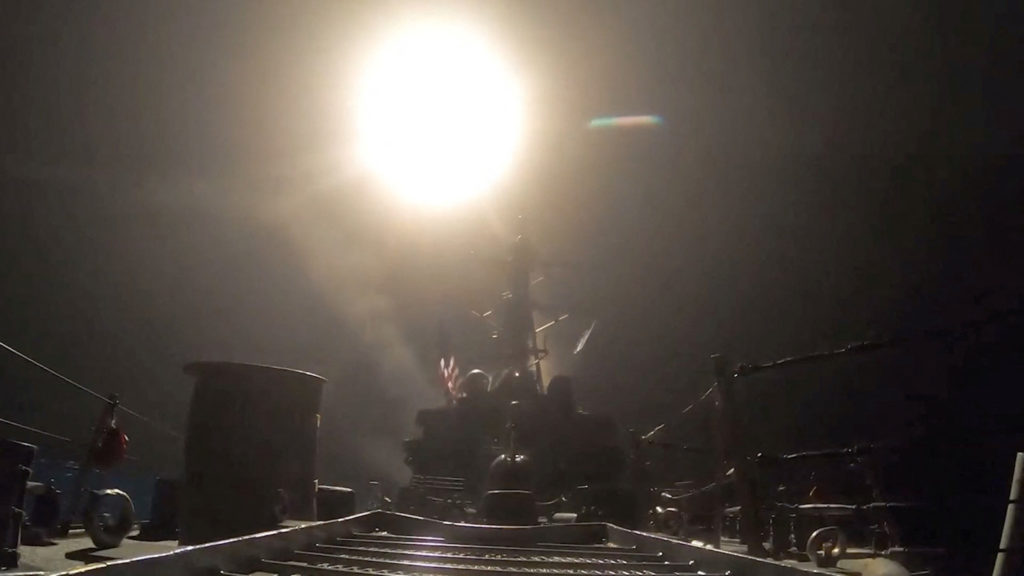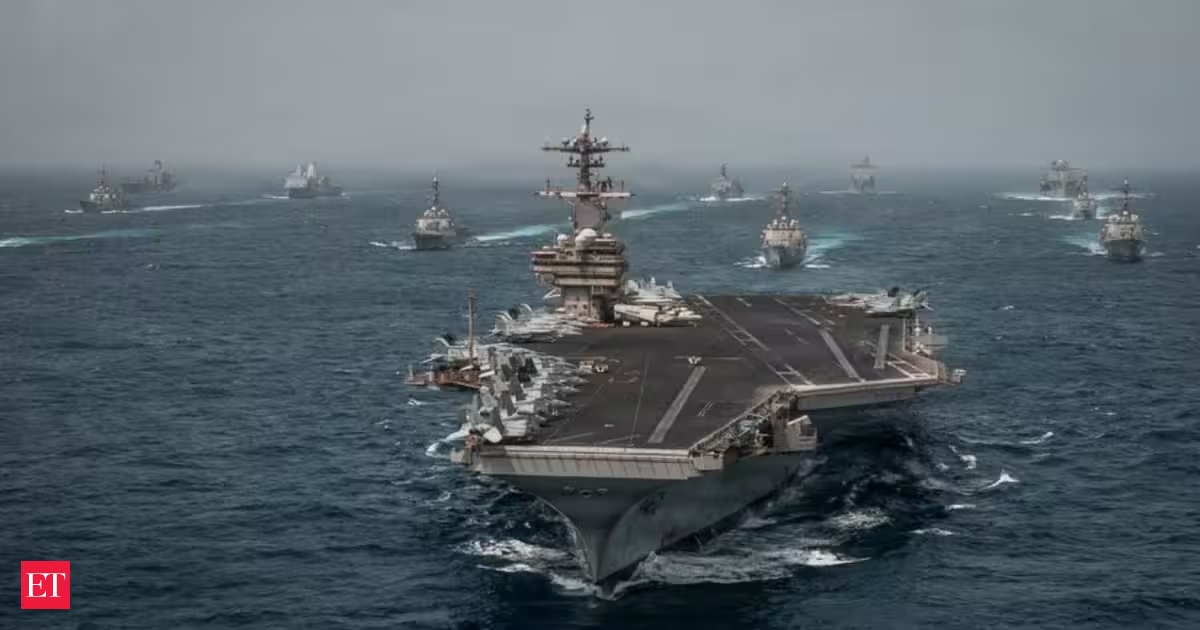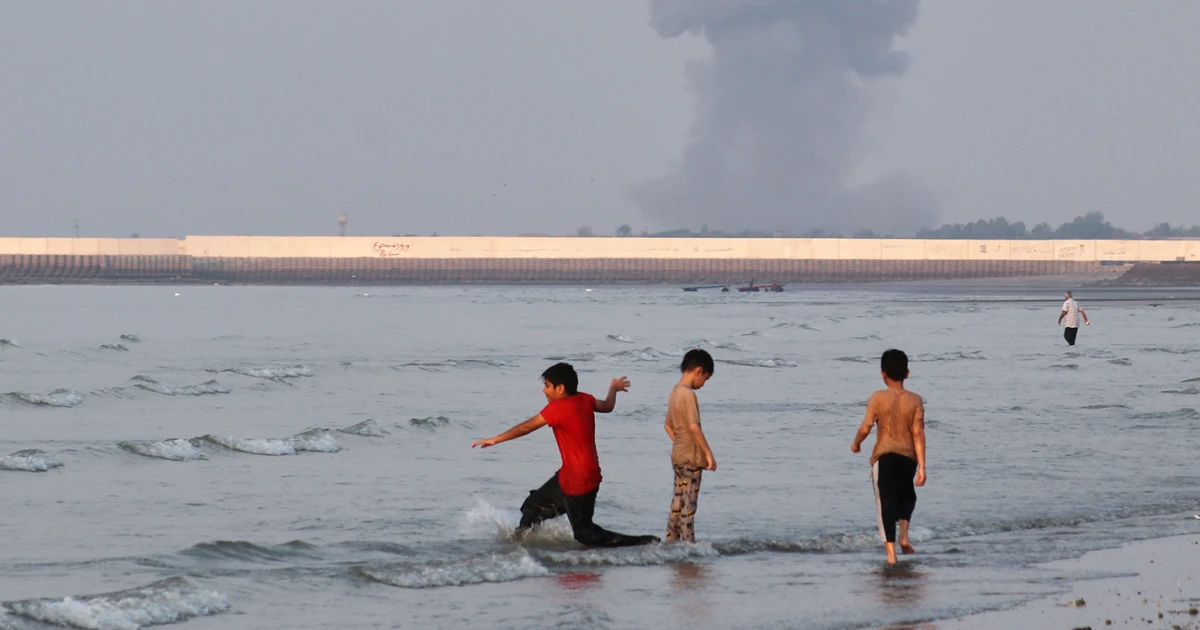
A week after the United States and Iran signed a preliminary deal aimed at ending the war, an Iranian drone slammed into a cargo ship sailing through the Strait of Hormuz.There were no casualties or major damage, but the June 25 attack set off a chain of hostilities that would put the two countries on a path back toward all-out war less than a month after they agreed to stop fighting.Each strike and counterstrike chipped away at the pillars of the agreement, which has now collapsed, though there are still efforts to salvage it. Red lines set by both sides have been crossed. A return to full-scale war that would further destabilize the Middle East and disrupt the world economy appears increasingly likely.Here’s a look at how we got here.
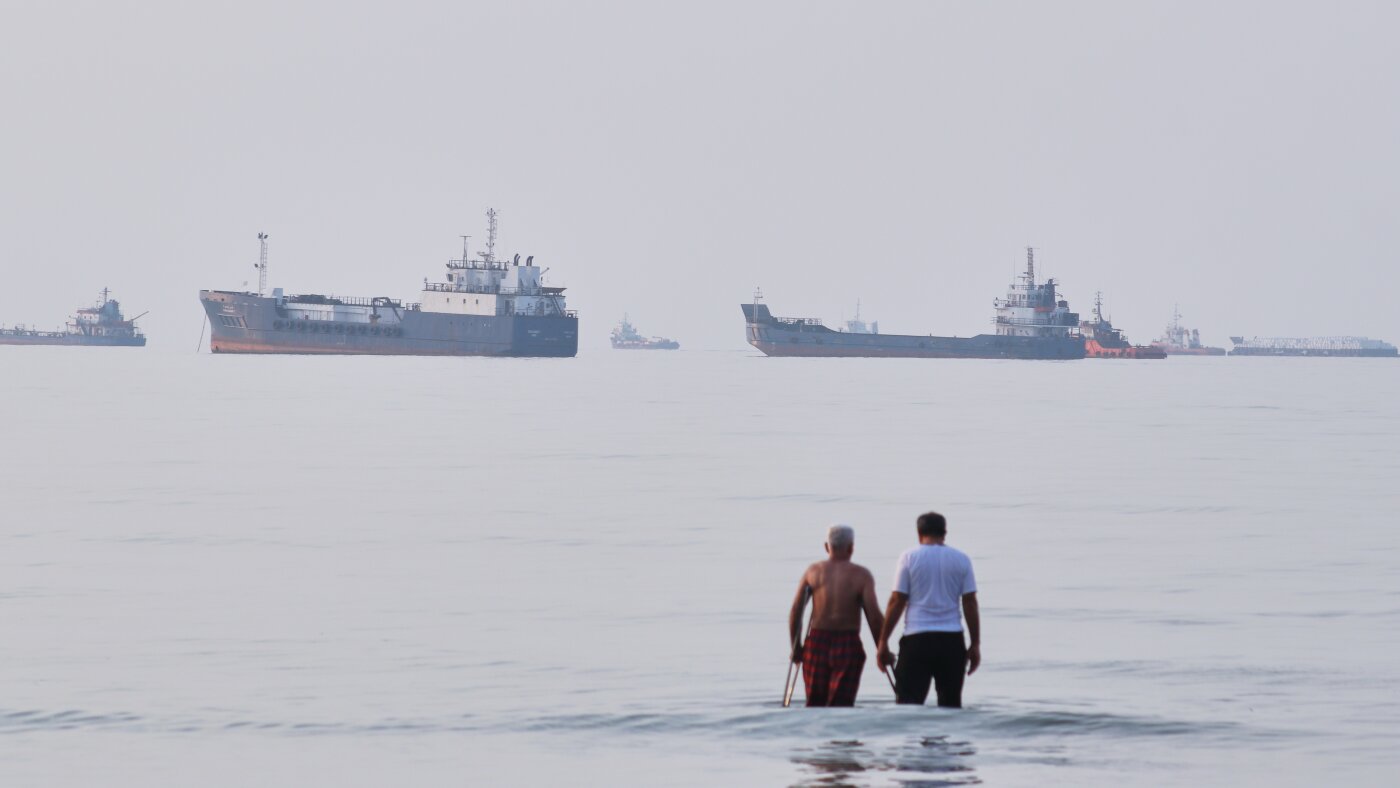
Iran attacks ships using a route bypassing its controlThe attack on the cargo ship came after Iran had warned vessels not to use an alternative route through the Strait of Hormuz that is overseen by the U.S. military and intended to be outside Tehran’s control.Iran had largely shut down the waterway — which carried a fifth of the world’s traded oil and gas in peacetime — after the surprise U.S.-Israeli attack on Feb. 28 that started the war. Tehran has come to see control over the strait, and its far-reaching economic impact, as a key pressure point in its confrontation with the U.S.The preliminary agreement called for the strait to be fully reopened, but it also contained language suggesting Iran would manage traffic and potentially charge fees in the future. Iran has seized on that, saying it has the right to control the strait and that the alternative route is a violation of the deal. The U.S. and others dispute that, saying the strait should be open to all and toll-free, as it was before the war.