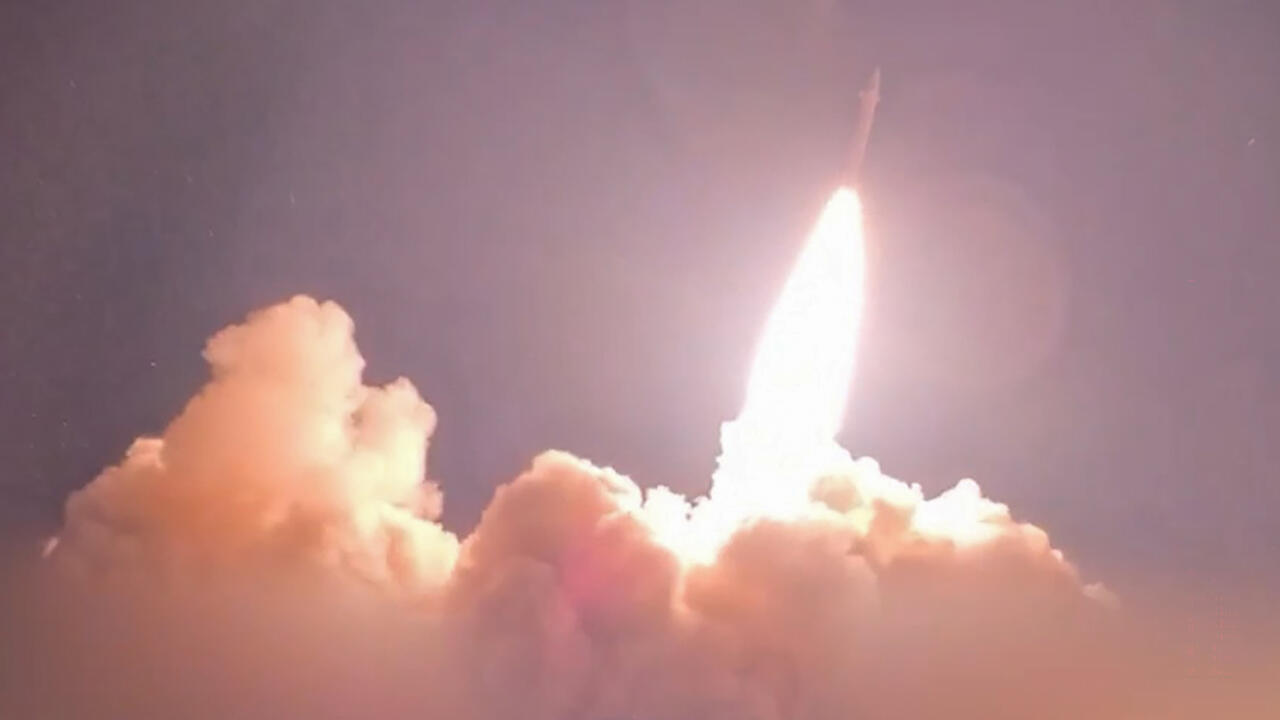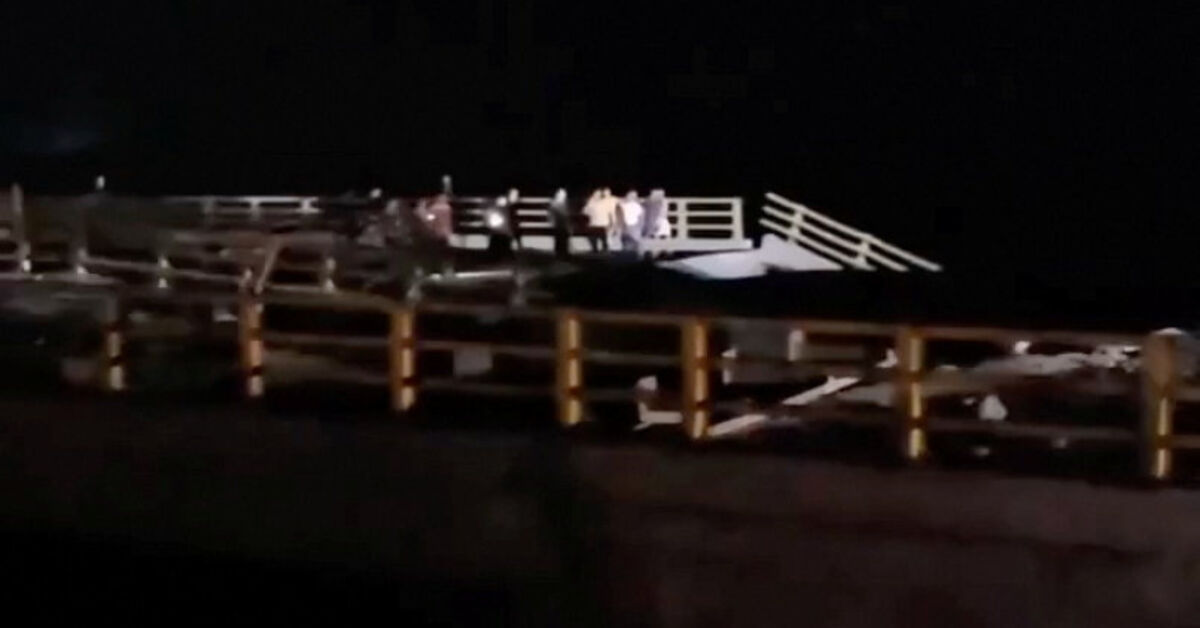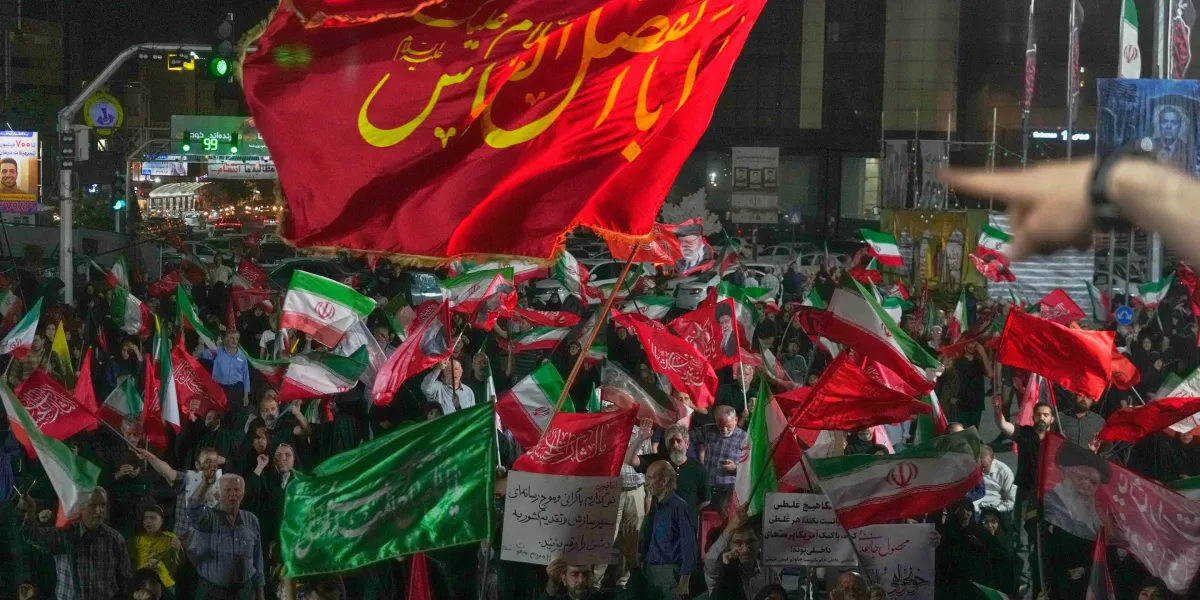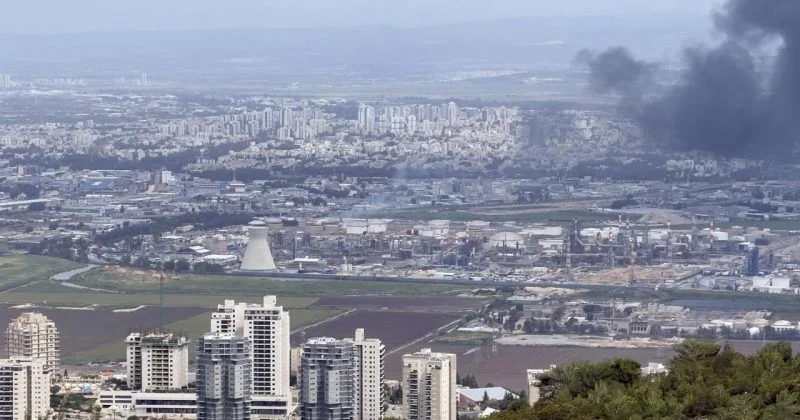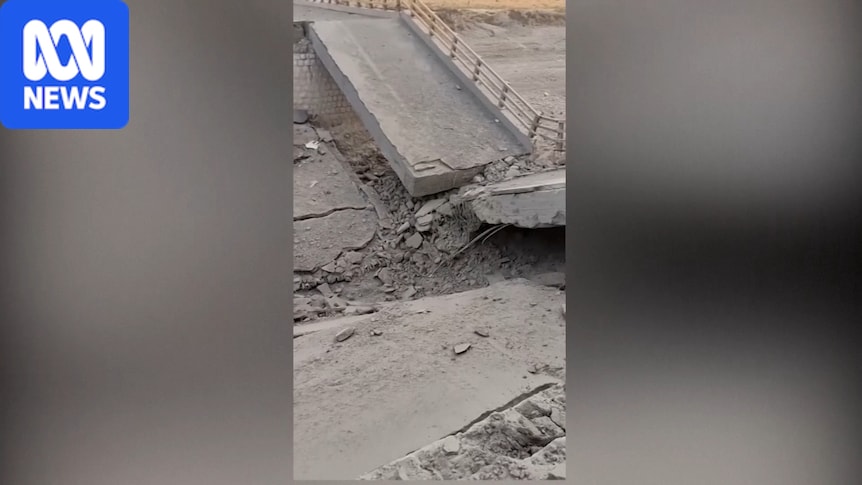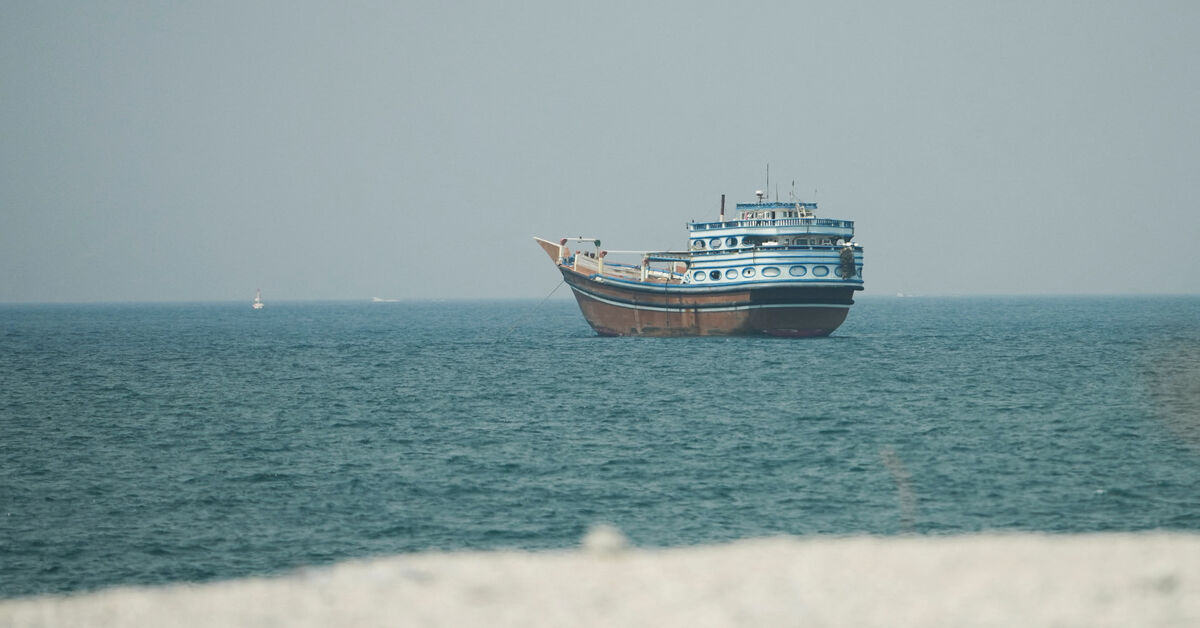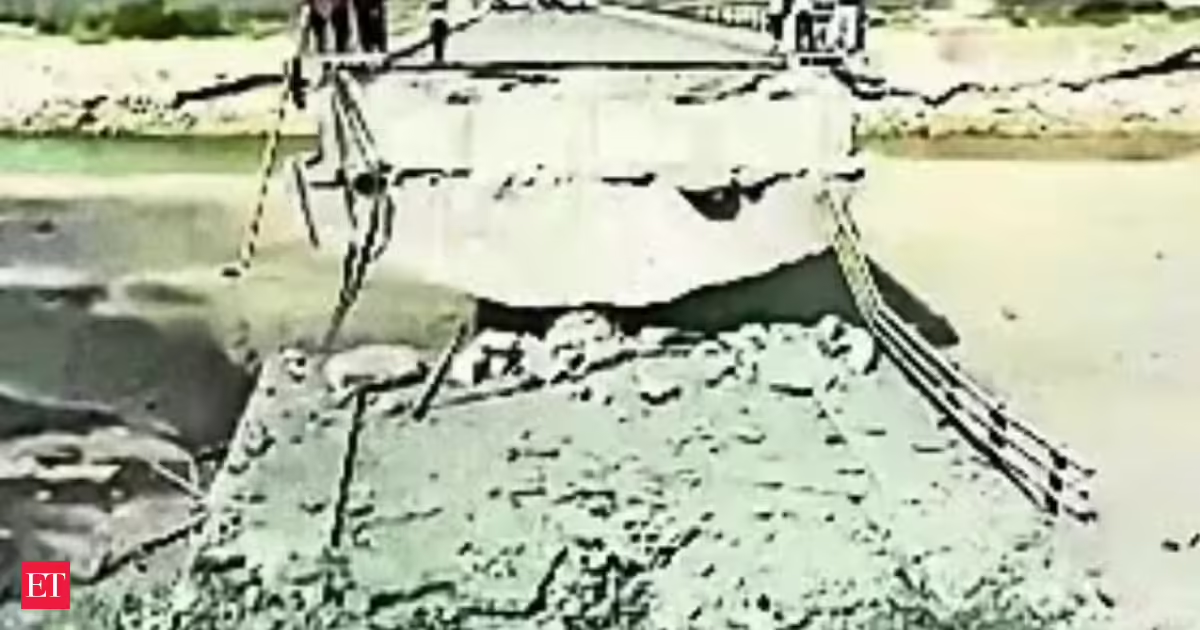
SynopsisUnited States and Iran exchanged strikes targeting infrastructure and military sites. Kuwait, Iraq, and Jordan reported intercepting Iranian missiles and drones. The conflict intensified over control of the vital Strait of Hormuz waterway. Oil prices rose as shipping through the strait saw a significant decline. Both nations continue their military actions with no clear end in sight.APThe U.S. and Iran exchanged strikes, escalating tensions over the Strait of Hormuz as missile interceptions and reduced shipping pushed oil prices higher, with no end to the conflict in sight.Dubai: The United States and Iran exchanged strikes aimed at infrastructure and military targets on Saturday as their battle over the Strait of Hormuz intensified.The region has endured days of back-and-forth attacks in a conflict increasingly focused on control of the strait. The collapse of an interim ceasefire leaves no clear end in sight for the war that the U.S. and Israel began more than four months ago.The U.S. Central Command said early Saturday that its seventh straight night of strikes had hit "surveillance sites, military logistics infrastructure, underground weapons storage, and maritime capabilities."Read more: US and Iran escalate strikes across Mideast; bridges and a water plant hitKuwait said Saturday it was intercepting Iranian missiles and drones, while Iraq said it had shot down attack drones over the city of Irbil. Jordan's state-run Petra news agency said that the kingdom's air defence systems had downed Iranian missiles, while air sirens sounded multiple times in Bahrain according to the government there.Iranian officials say recent U.S. strikes have killed dozens of people and wounded hundreds in Iran. The U.S. military also acknowledged that several more service members were injured.Iran effectively closed the strait to shipping traffic after the war started Feb. 28. That sent the price of oil soaring and gave Iran significant leverage in negotiations. The price of oil rose Friday above $86 a barrel, close to its highest level in a month, as crossings through the strait fell to a three-week low, according to an international shipping tracker.In an address to the American public on Thursday evening, Trump insisted the war was going well. "We are likewise winning big in Iran, and you will see the fruits of that labor very, very shortly," he said.Before the war began, the U.S. had been in talks with Iran over its nuclear program. Trump now faces political pressure to bring the war to a close and avoid the kind of prolonged Middle East conflict he had campaigned against.Infrastructure hit in IranU.S. airstrikes hit an electricity and desalination plant in Iran's southern Hormozgan province, Iranian state television reported. The attacks hit Bonji, a village on Iran's coast on the Strait of Hormuz.The previous day, Iranian state media reported that the U.S. hit highways and railway bridges, seemingly aimed at cutting off Bandar Abbas, Iran's main port, from roads leading into the Islamic Republic's central region onward to Tehran, the capital.Iran acknowledged "attacks on power infrastructure" during the U.S. airstrike campaign for the first time Friday when its Energy Ministry issued a call for people to use less power in southern provinces "experiencing extreme heat." The ministry did not specify what was hit.Read more: Iran threatens to destroy 'all infrastructure in region' as US strikes intensifyIranian authorities said at least 46 people have been killed and more than 400 wounded in recent U.S. strikes, including eight killed in a strike on a bridge Friday.U.S. officials acknowledged 13 additional U.S. service members - 10 Army soldiers and three Navy sailors - had been injured since Monday, but offered no further details. Since the war began, 14 U.S. service members have been killed and 427 wounded.Strikes come as Iran and US vie for Strait of HormuzIran has said the strait must be under its sole control and that vessels should pay fees to Tehran - even though the world for decades has considered it an international waterway.Trump has returned in recent days to his threats to target Iranian power stations and bridges to try to compel Iran to loosen its hold on the strait, through which about a fifth of all oil and natural gas traded once passed in peacetime. The U.S. also reimposed a naval blockade on Iranian ports to halt its shipments of crude oil.Crossings through the strait fell to a three-week low of just eight vessels on Thursday, according to MarineTraffic.com.A growing amount of the region's energy is being shipped through pipelines, but not nearly enough to offset the decline in shipping through the strait.Read More News on
Kuwait says Iran has struck a water desalination plant, the second such attack in 2 days
United States and Iran exchanged strikes targeting infrastructure and military sites. Kuwait, Iraq, and Jordan reported intercepting Iranian missiles and drones. The conflict intensified over control of the vital Strait of Hormuz waterway. Oil prices rose as shipping through the strait saw a significant decline. Both nations continue their military actions with no clear end in sight.
750 words~3 min read