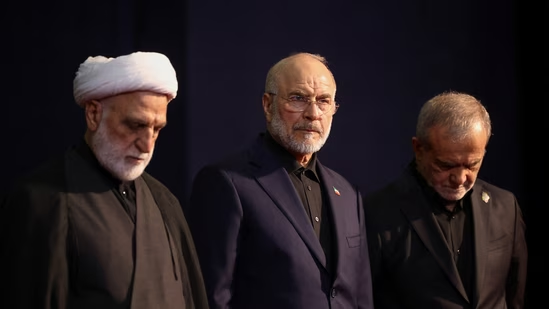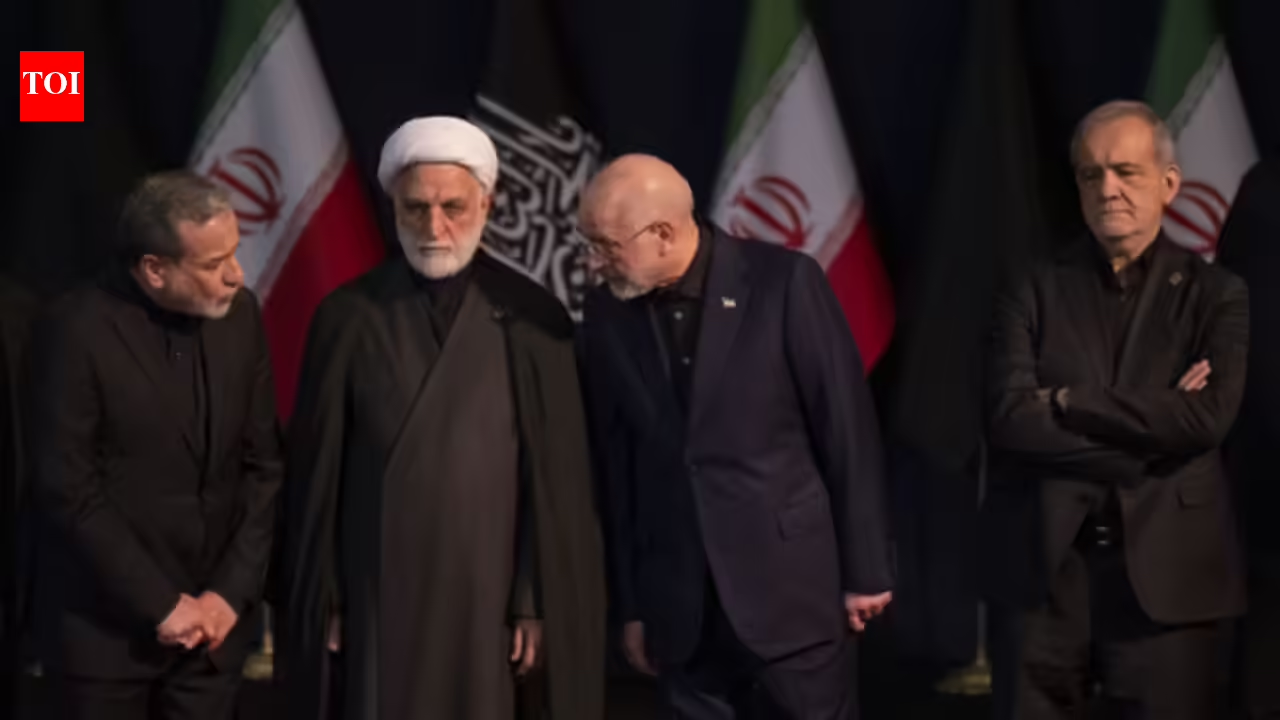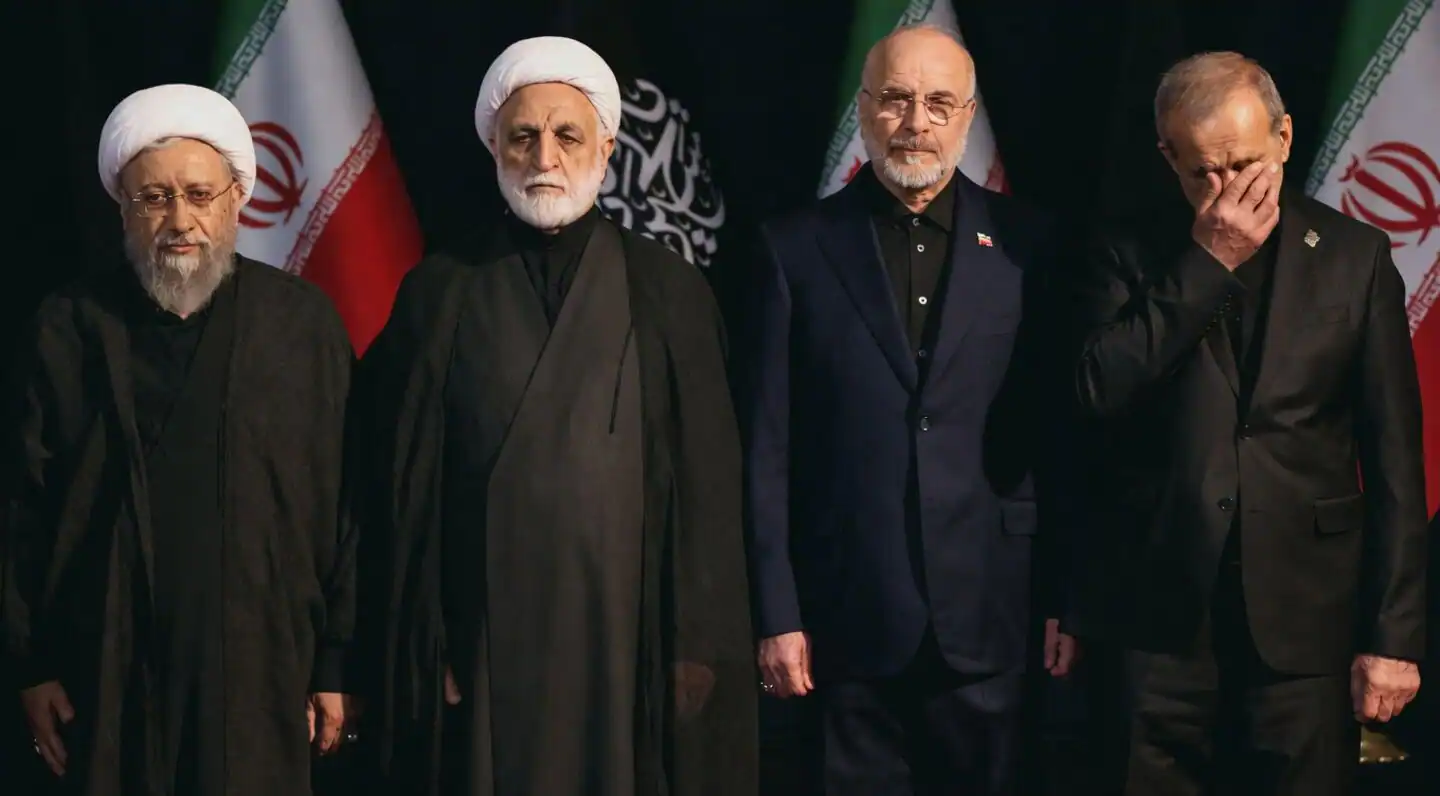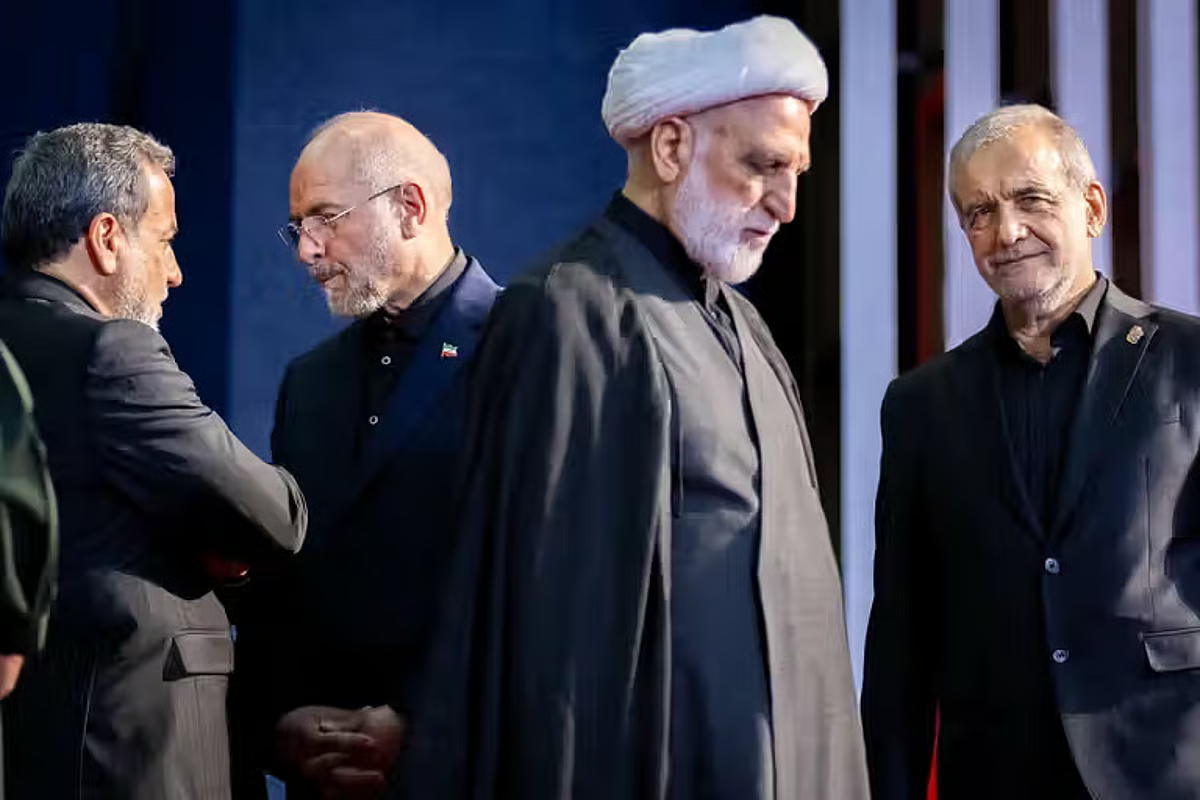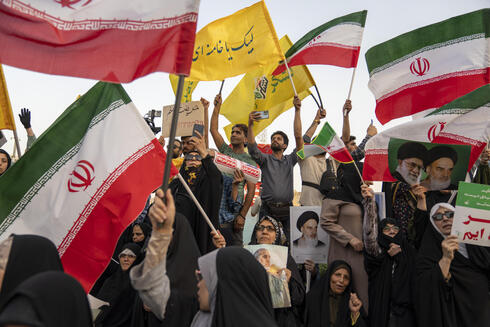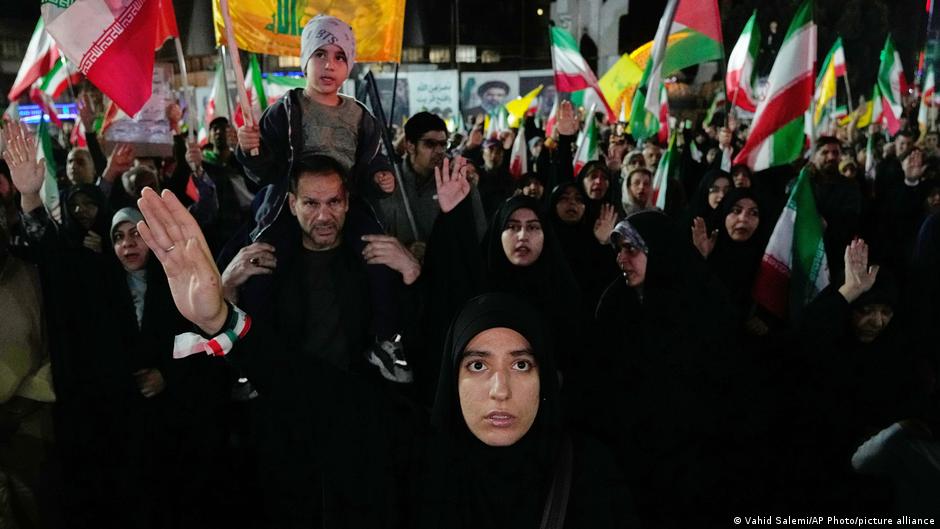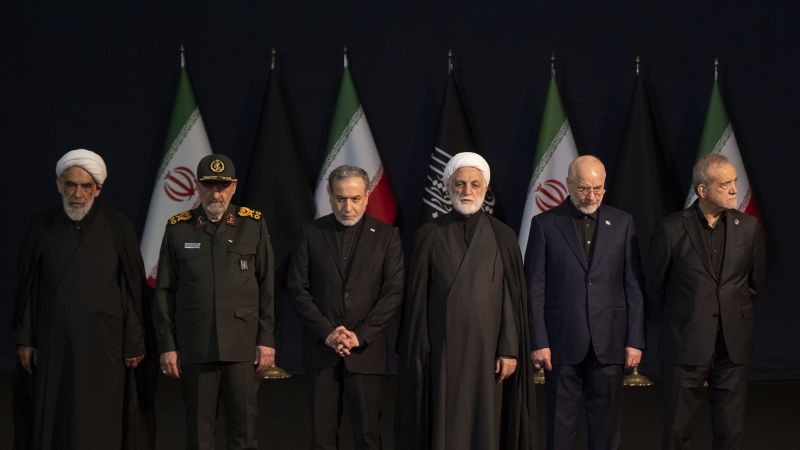
As Iran’s President Masoud Pezeshkian walked alongside the coffin of Supreme Leader Ali Khamenei in Tehran last week, some of the black-clad mourners surrounding him chanted not in tribute to the late leader, but directly at him – “death to the compromiser.”
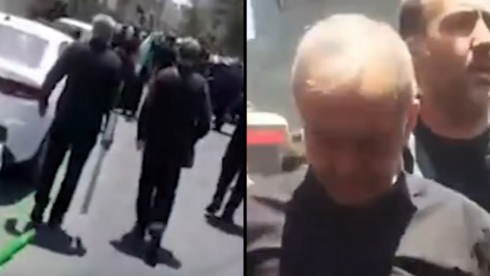
Not far from that site, Abbas Araghchi, Iran’s top diplomat who negotiated a ceasefire with the Trump administration and lifted some sanctions on the Islamic Republic, was forced to flee the funeral after a mob pelted him with rocks amid death chants accusing him of being a “traitorous sellout.”
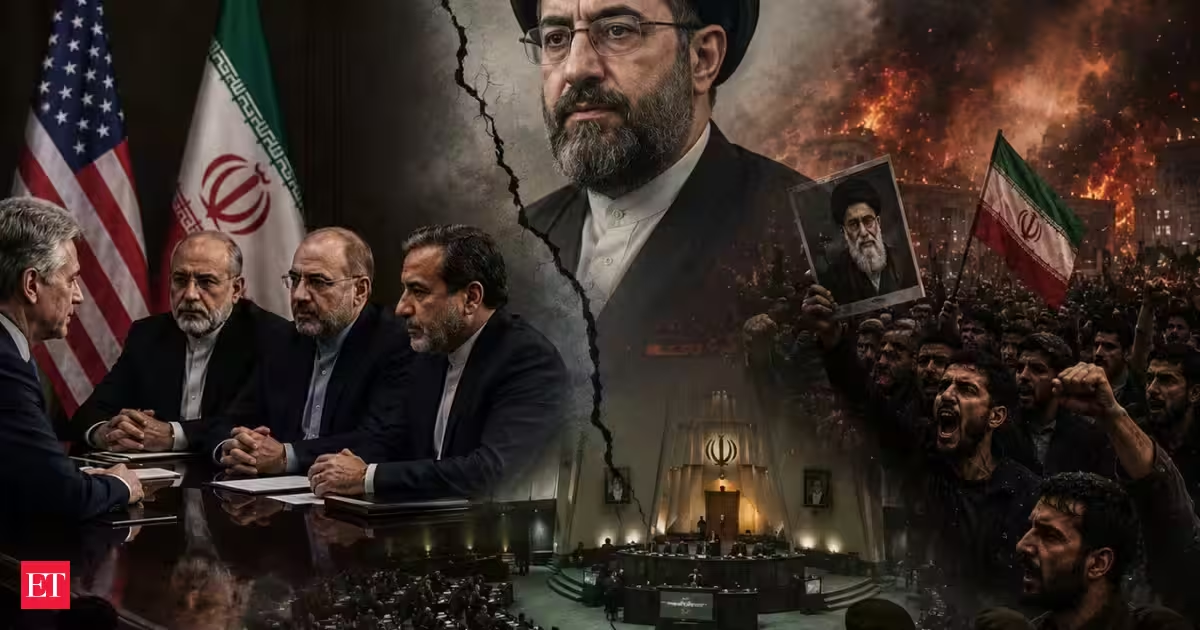
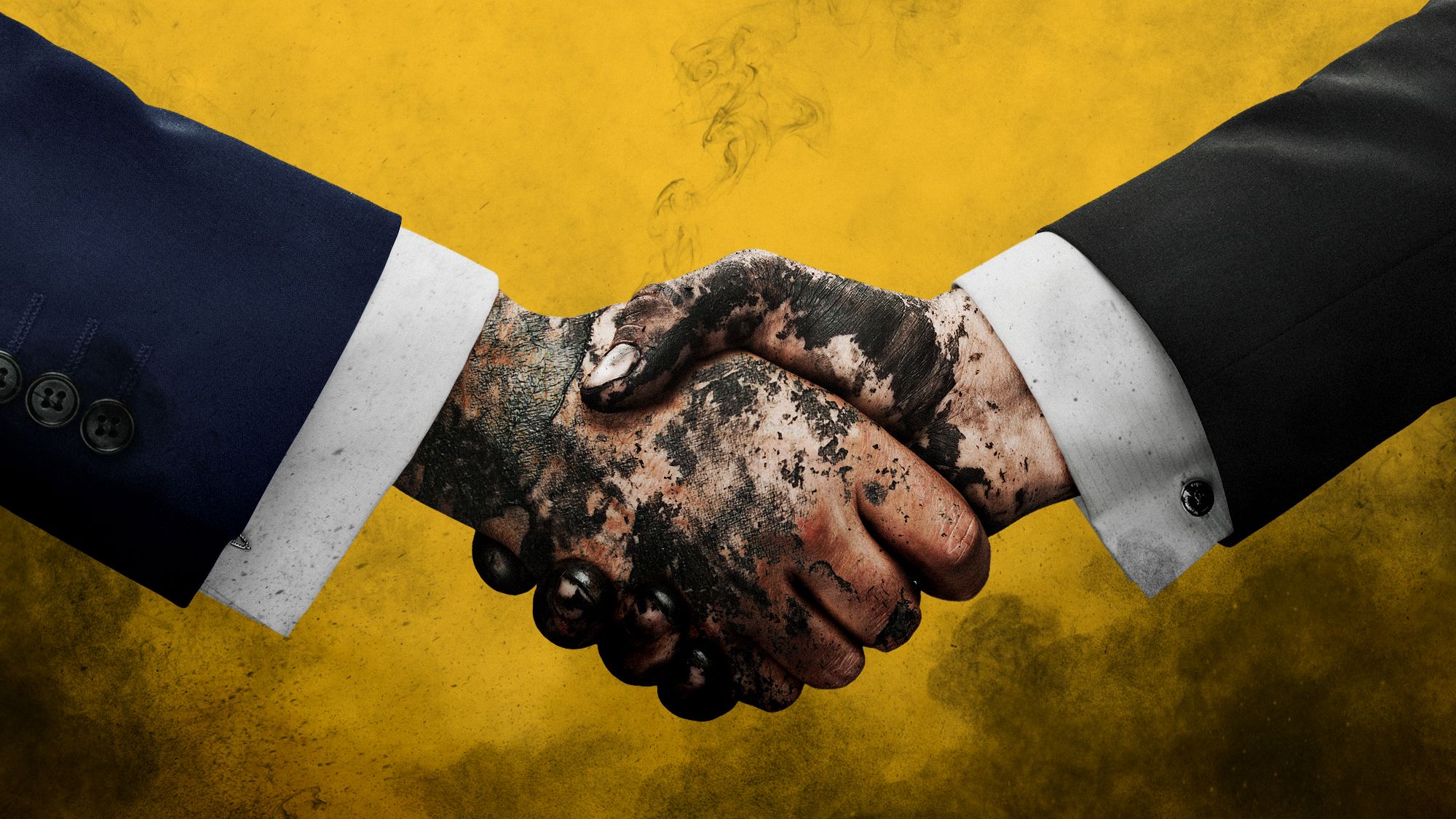
The hostility directed at top officials during the funeral reflects a theory that has been gaining traction within the Islamic Republic’s most radical factions for months: that Iran’s wartime leaders who negotiated and signed the agreement with Washington are staging a soft coup against the Islamic Republic and its revolutionary ideals while the new supreme leader remains largely invisible for fear of his life – or, as some have suggested, because he is incapacitated.
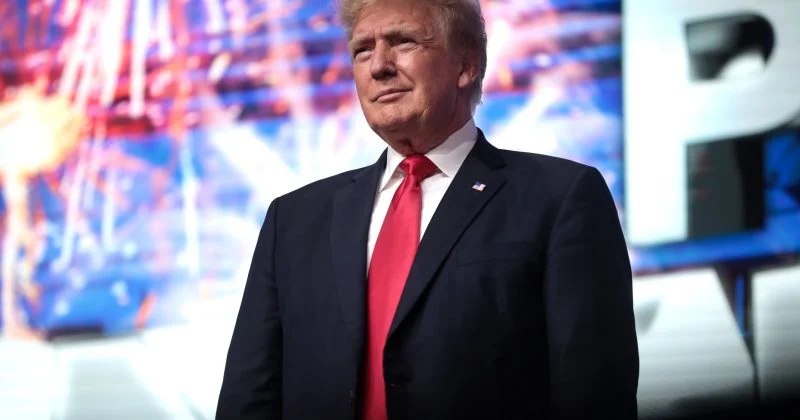
The hardline factions that attended the funeral in large numbers believe that instead of avenging Khamenei’s killing, Iranian officials have surrendered by signing an agreement that defies the orders of Supreme Leader Mojtaba Khamenei, the late leader’s son and successor. But Khamenei has remained hidden from public view, neither addressing the nation directly nor visibly asserting his authority, even as officials negotiate or govern in his name.