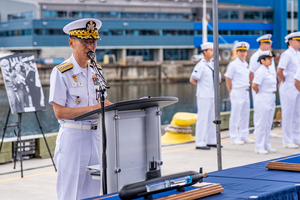
Cao said the strategy would let the Department of the Navy "out-learn and out-fight any adversary" through rapid deployment of data and AI. He described it as a roadmap for building an "AI-first" fleet that turns information into military advantage and enables faster, better decision-making.
The force that learns fastest wins
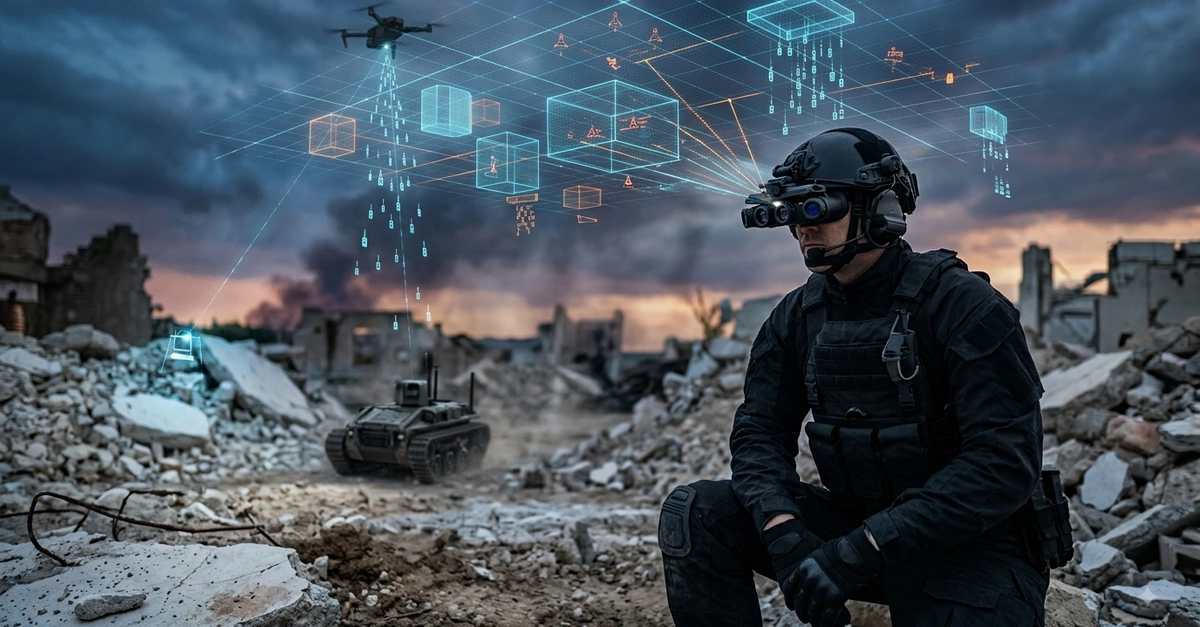
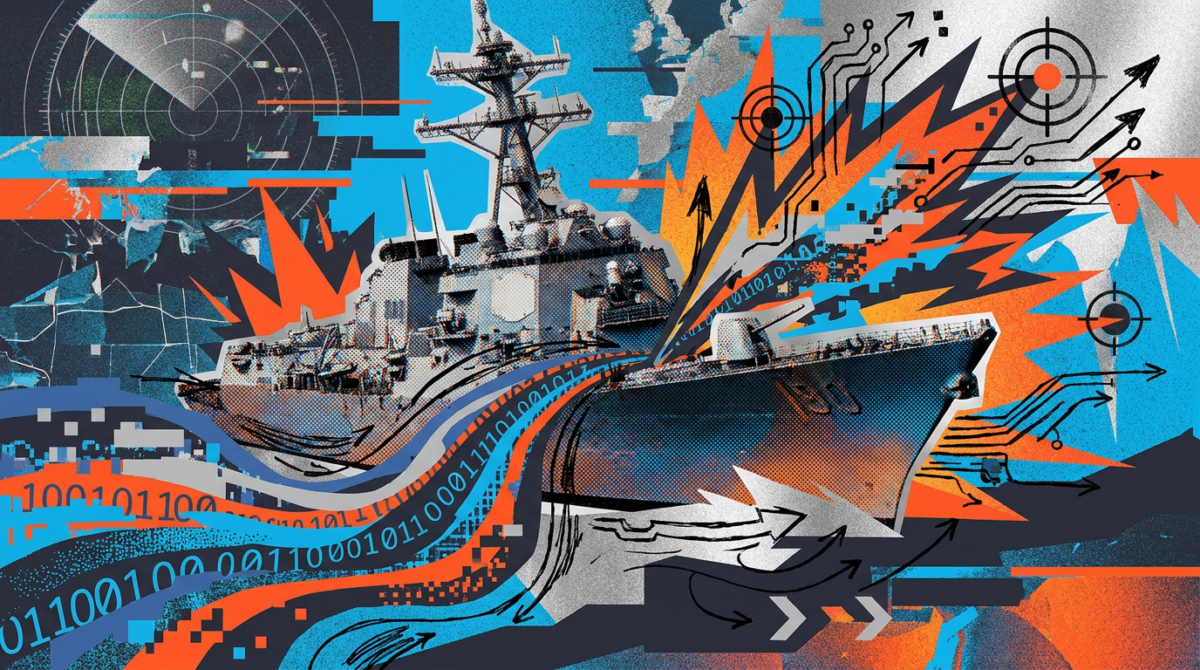
At the heart of the strategy is the "Bits2Effects Cycle," a five-stage framework for digital adaptation. It traces the path from automated collection of military data through transmission, classification, and analysis to its use in real military decisions and actions. Lessons learned feed back into the cycle, allowing continuous updates to systems, tactics, and training.
The key metric is "Mean Time to Effect," or MTTE. It measures how long it takes from the moment new data is captured until it produces a concrete military response or adaptation. The shorter that window, the faster a force can react and adjust. In a drawn-out conflict with multiple learning cycles, the force that learns and adapts fastest will dominate, according to the strategy paper.
The announcement lays out six goals: speed up operational AI deployment, improve data availability and usability, expand technical infrastructure, streamline approval processes, strengthen data and AI literacy among personnel, and deepen collaboration with industry, academia, government agencies, and allies.