Both countries use ‘pehlwan' but only still celebrates what it means.
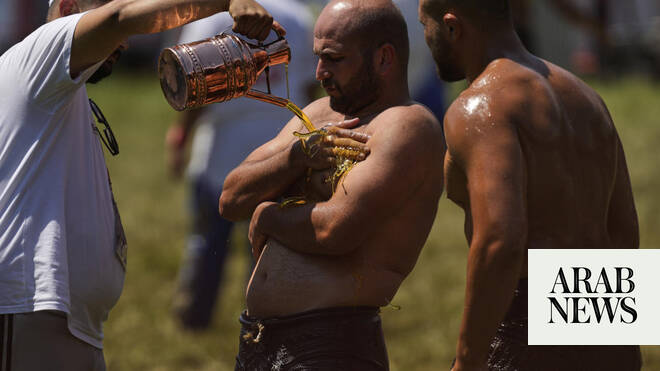
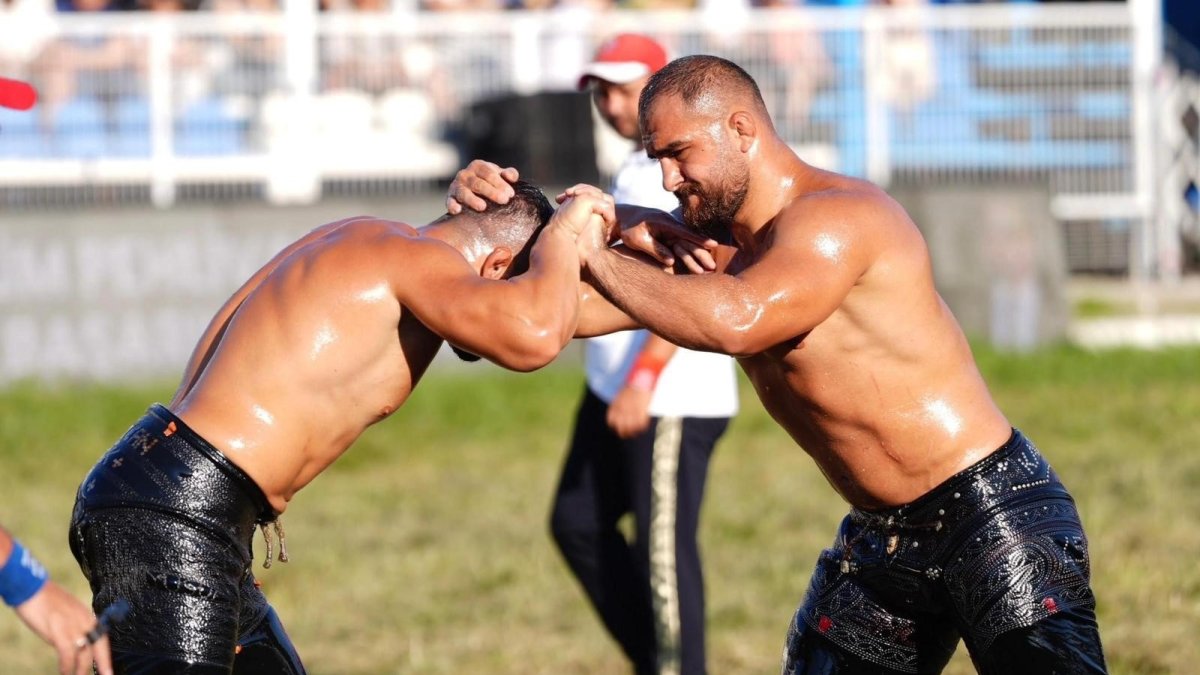
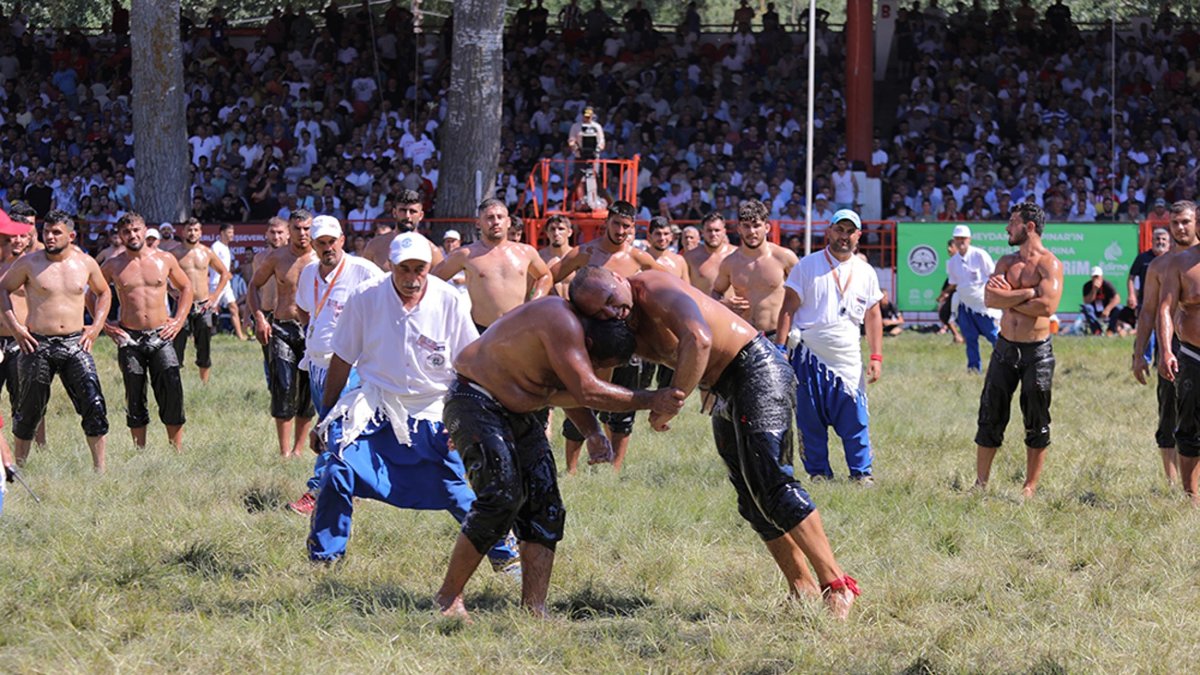
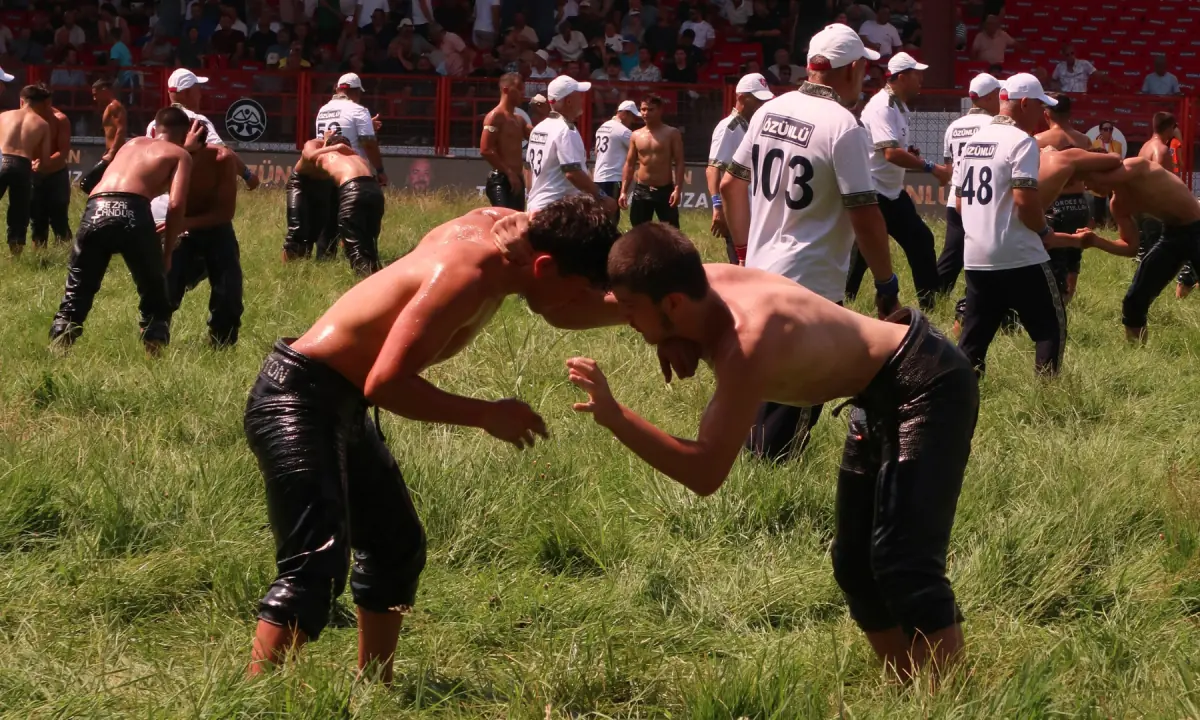
Even before the pehlwans square off in the mud, the air is already wrestling with a mix of bruised earth and olive oil. Men of all age and build, gleaming like magazine models from head to toe, prep for a day under the July sun in Edirne.
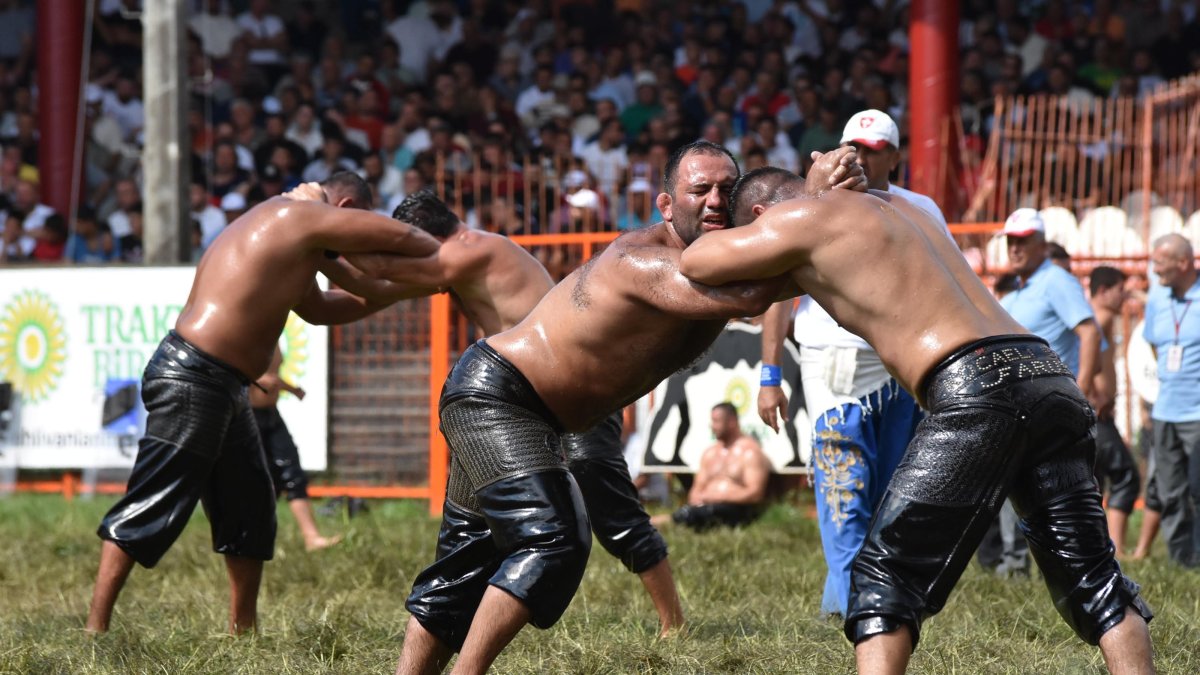
For over six centuries, men have gathered in this northwestern Turkish city for Kırkpınar, the yağlı güreş or oil wrestling festival for what is considered the national sport. It has been around for so long that it was ancient by the time the Olympics were revived in 1896.
“People say it’s all tall tales about the history of this festival. But whether you believe it or not, it’s all true,” says 59-year-old Yakup Kaya, as he weaves the taxi through Edirne’s cobbled streets and Ottoman-era lanes towards Sarayiçi Er Meydani, where Kirkpinar comes alive.
Legend has it that in 1361 Suleyman Pasha, the son of the second Ottoman sultan, Orhan I, and his army of forty soldiers, marched through the Eastern Thracian province of Edirne. To kill time, the men were paired off to wrestle. But one of the pairs, said to be brothers, went on fighting for days and even torchlight nights, until both men died of exhaustion. Their fellow warriors buried them under an old fig tree and when troops returned the next season, they found water had sprung at the spot. They named this spot Kırkpınar or Forty Springs.