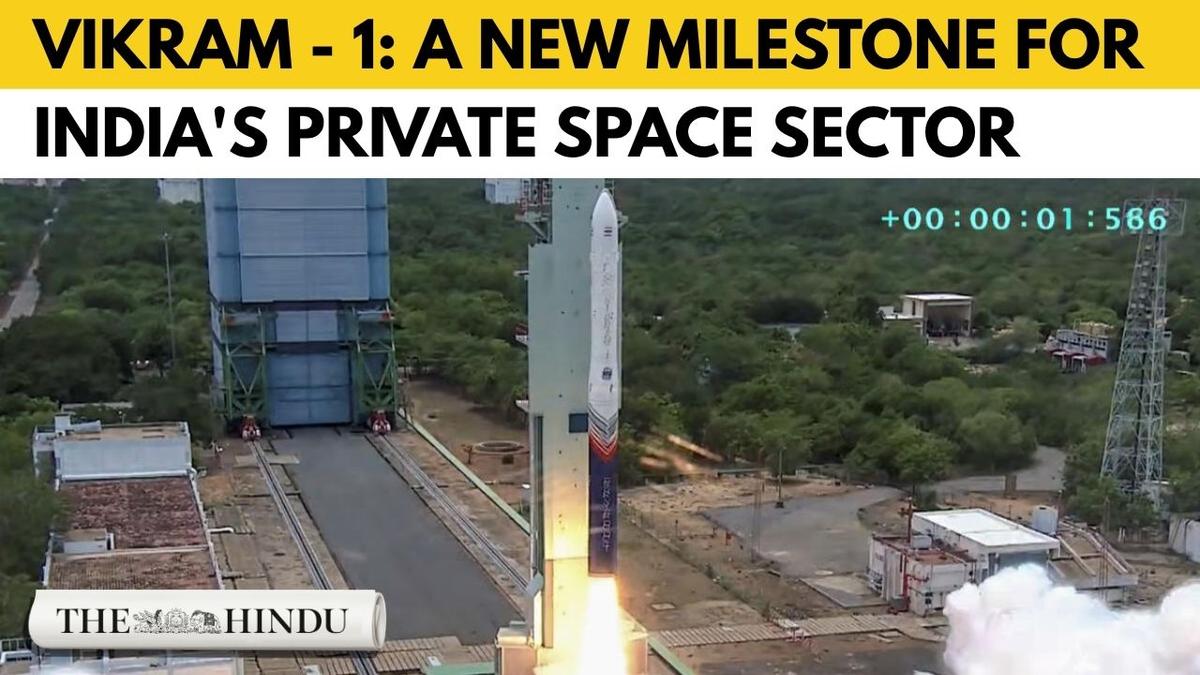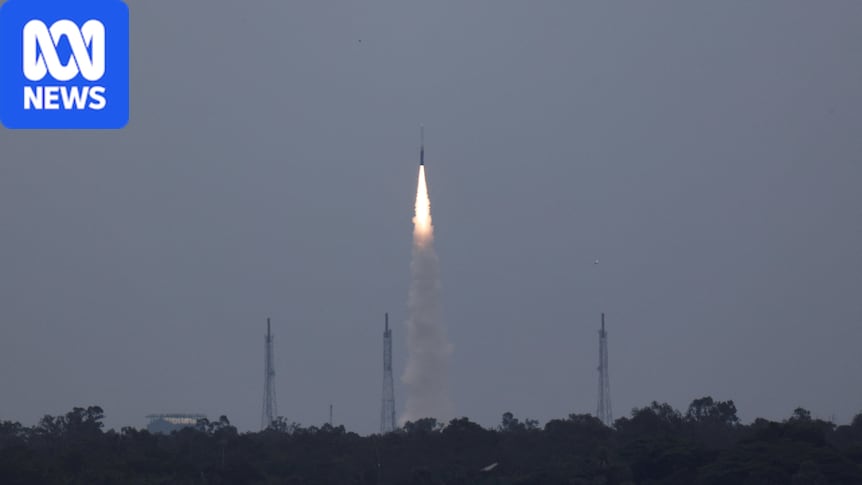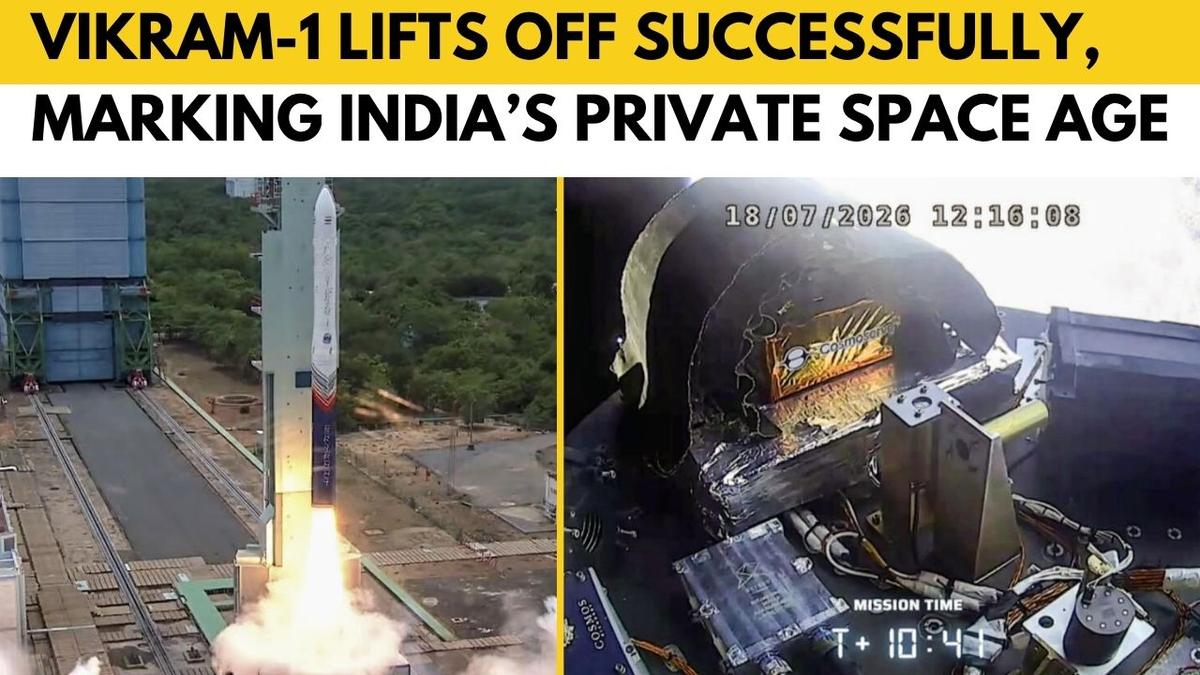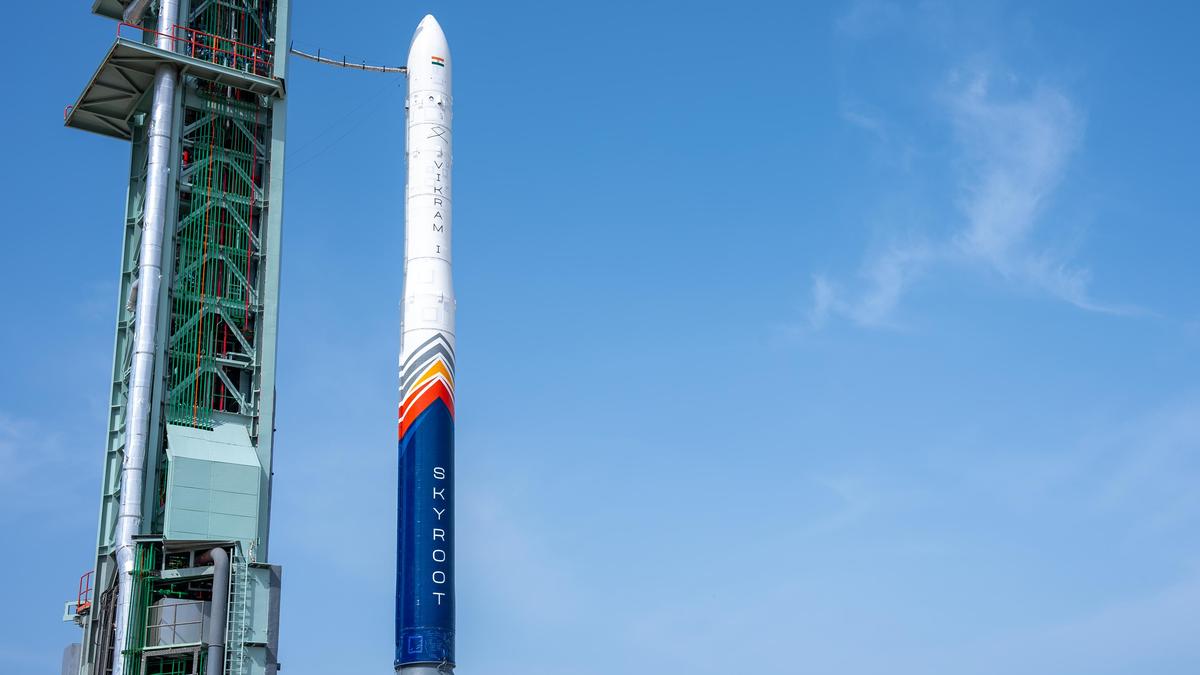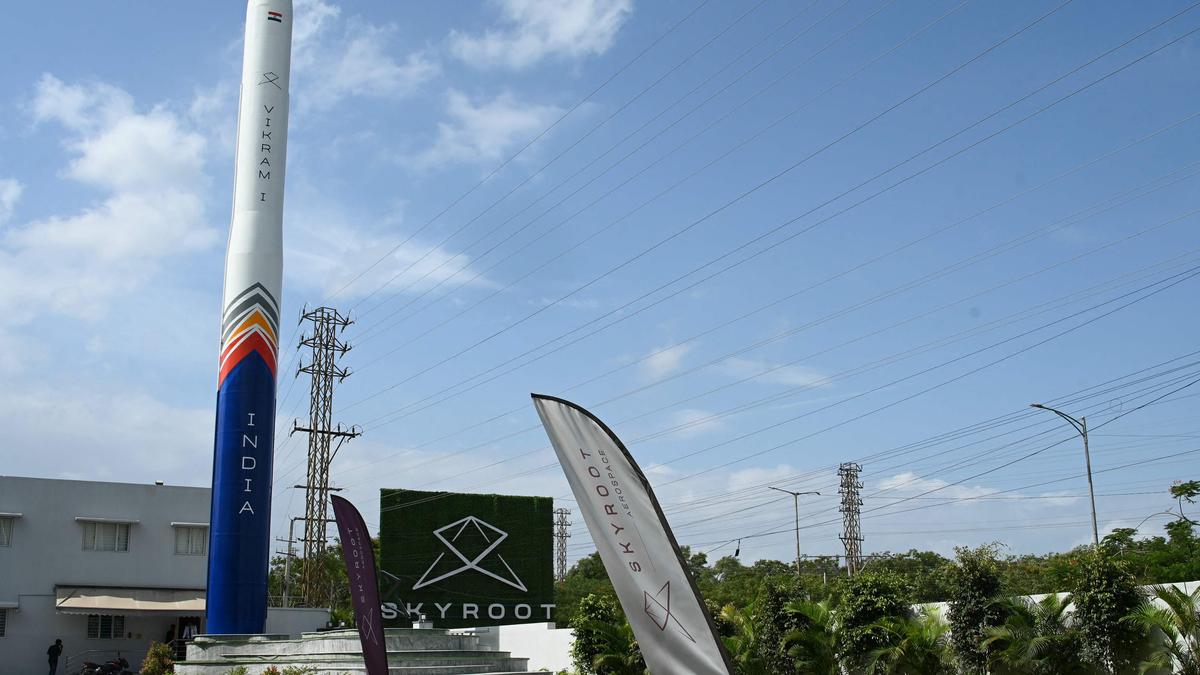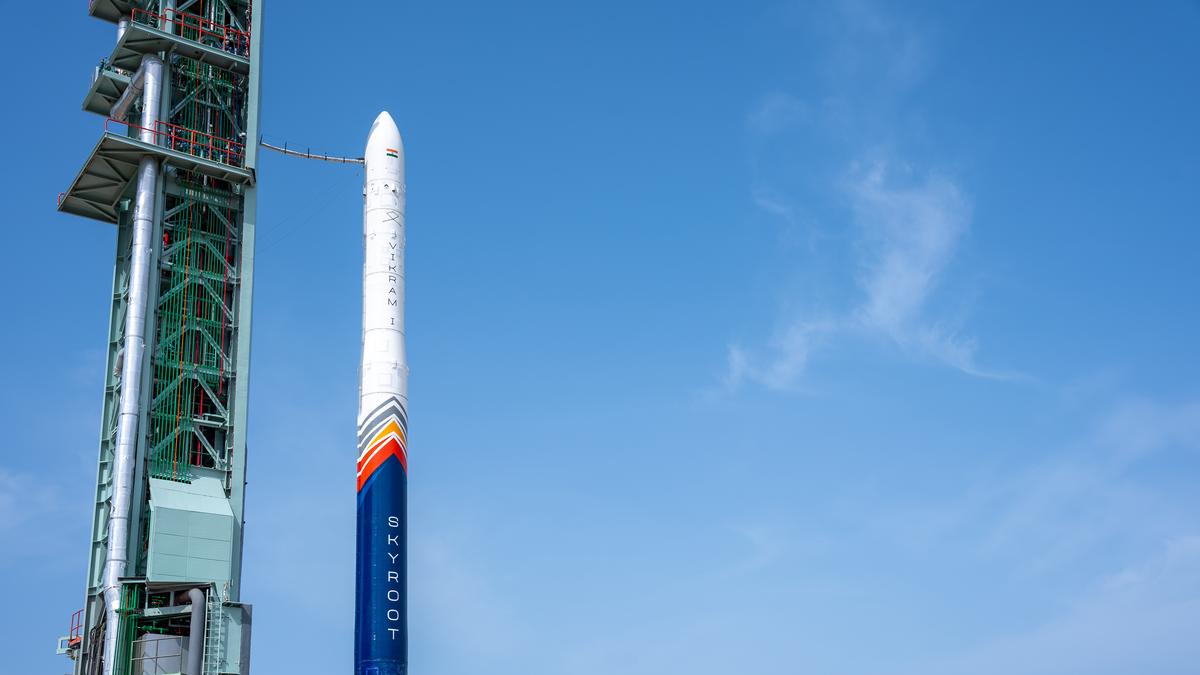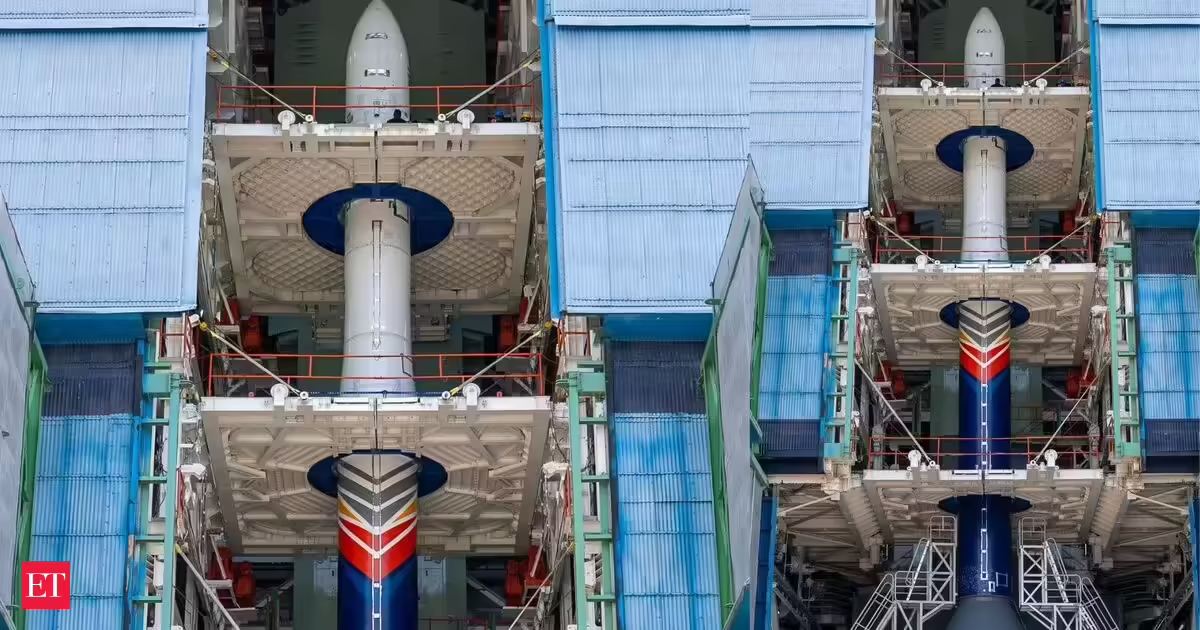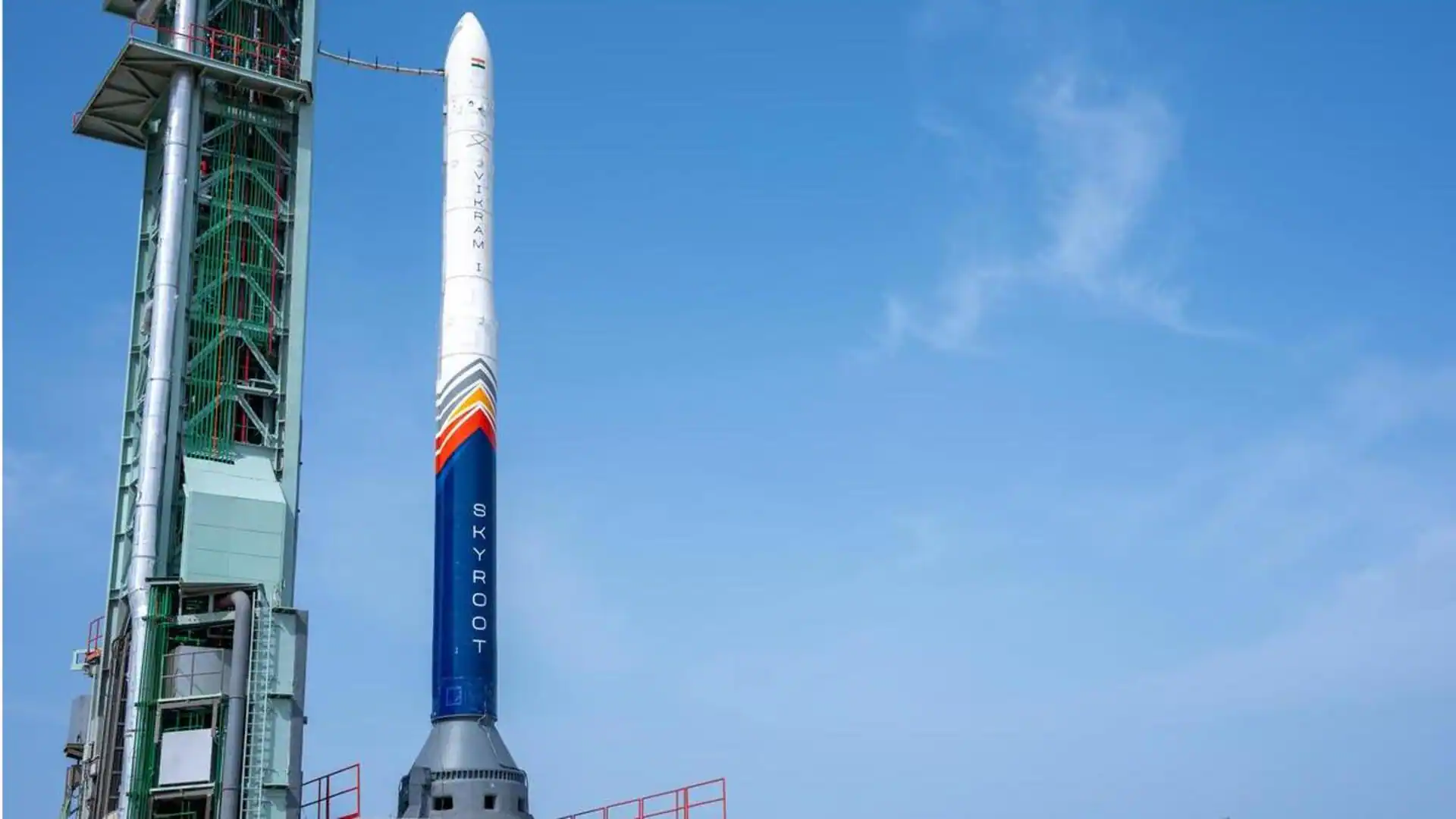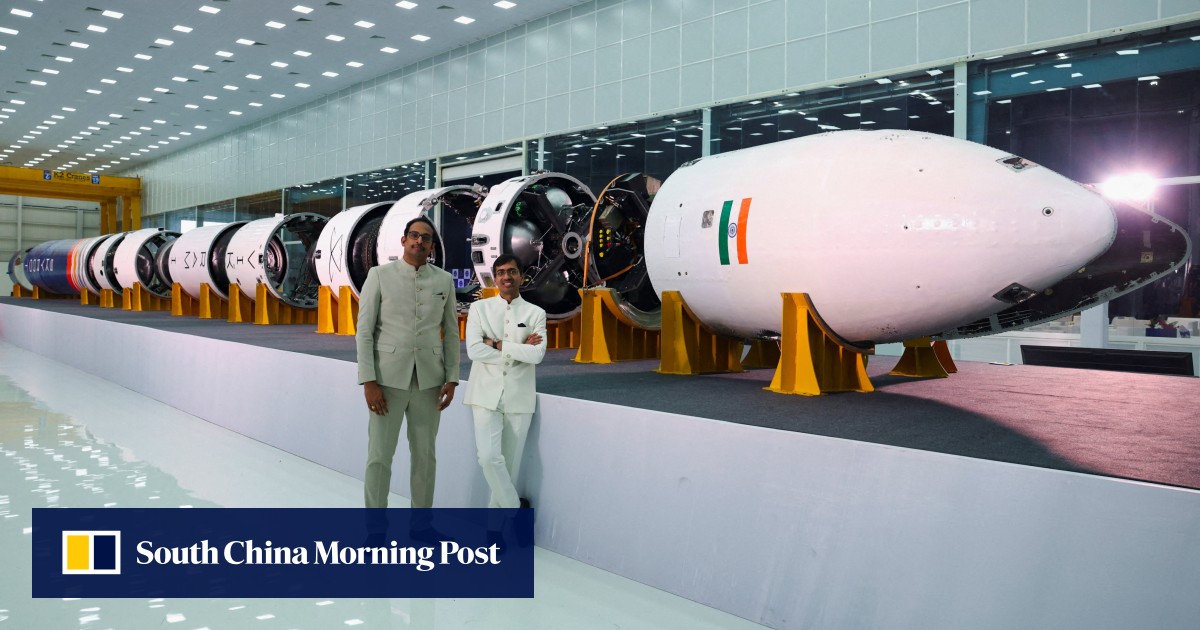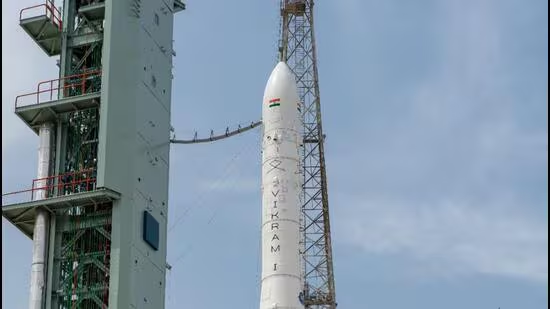
The launch vehicle is capable of carrying payloads weighing up to 350 kg into a 450-km Low Earth Orbit at a 60-degree inclination. India's first privately developed orbital-class rocket, Vikram-1, lifted off from the Satish Dhawan Space Centre in Sriharikota on Saturday. It is a major milestone for the country's private space sector and its commercial launch ambitions.India's first privately developed orbital-class rocket, Vikram-1, lifted off from the Satish Dhawan Space Centre in Sriharikota. (ANI)Developed by Hyderabad-based Skyroot Aerospace, the mission, named Mission Aagaman, is the first attempt by an Indian private company to place satellites into Low Earth Orbit (LEO).Successful launch after planned delayThe launch witnessed a brief delay after the mission control team placed the countdown on a planned hold just minutes before the scheduled liftoff at 11.30 am. The launch later proceeded successfully at 12:05 pm.The liftoff has already secured its place in the history of India's space programme. It is the country's first attempt by a private company to place satellites into orbit.ALSO READ | PM Modi wishes Skyroot success ahead of Vikram-1's first orbital launch: ‘A historic new frontier for India’‘History is made’Skyroot Aerospace wrote on X, “ORBIT ACHIEVED. Vikram-1 Test Flight-1 has reached orbit. India's first privately developed orbital rocket has completed its final burn and injected its payloads into a ~450 km orbit, making India the third country in the world with private orbital launch capability. History is made."In another post, they wrote, "Hello space, we have arrived! Vikram-1's Test Flight-1 has completed it's mission. The first ever Indian private sector launch has been successfully completed."Follow the latest breaking news, major developments and agenda-setting stories from India and around the world with the newsdesk at Hindustan Times. Operating round the clock, the desk brings together experienced editors, reporters and correspondents to deliver fast, accurate and contextual reporting across subjects that influence public policy, governance, business, society and international affairs.
India's first private orbital launch successful as Vikram-1 lifts off into space | VIDEO
The launch vehicle is capable of carrying payloads weighing up to 350 kg into a 450-km Low Earth Orbit at a 60-degree inclination. | India News
485 words~2 min read