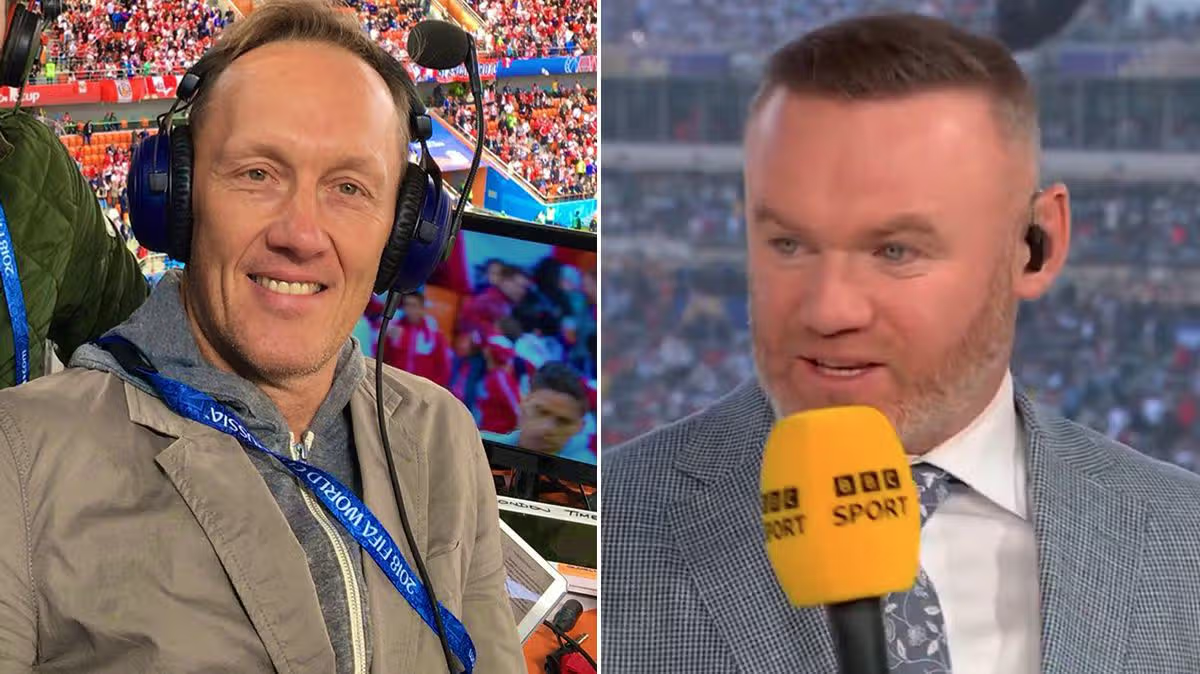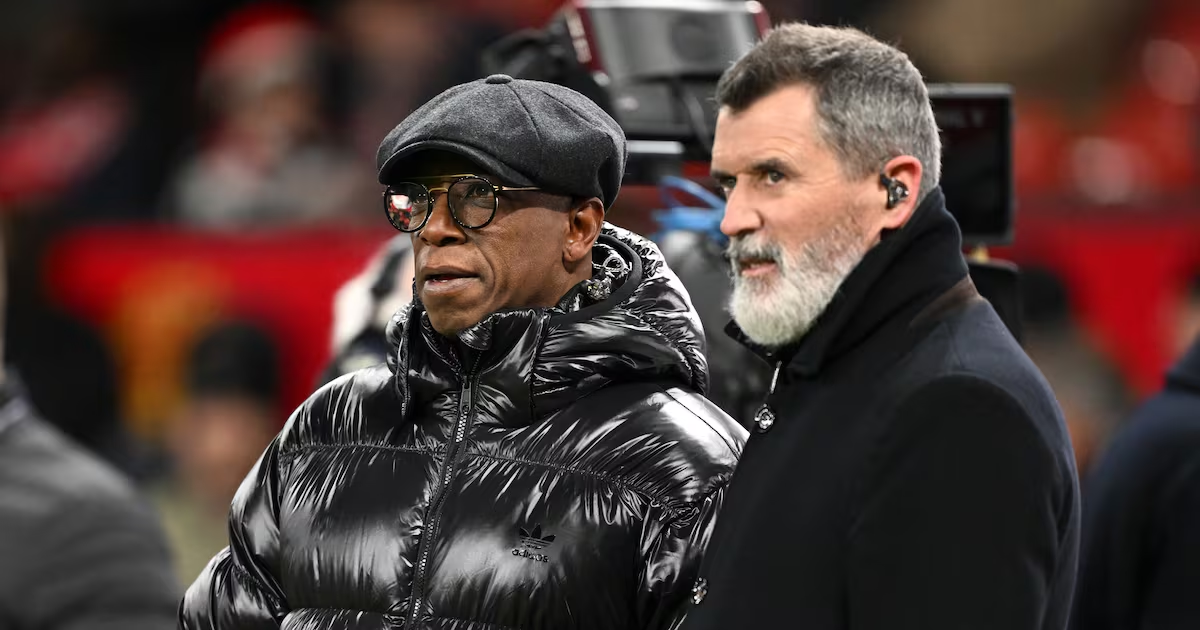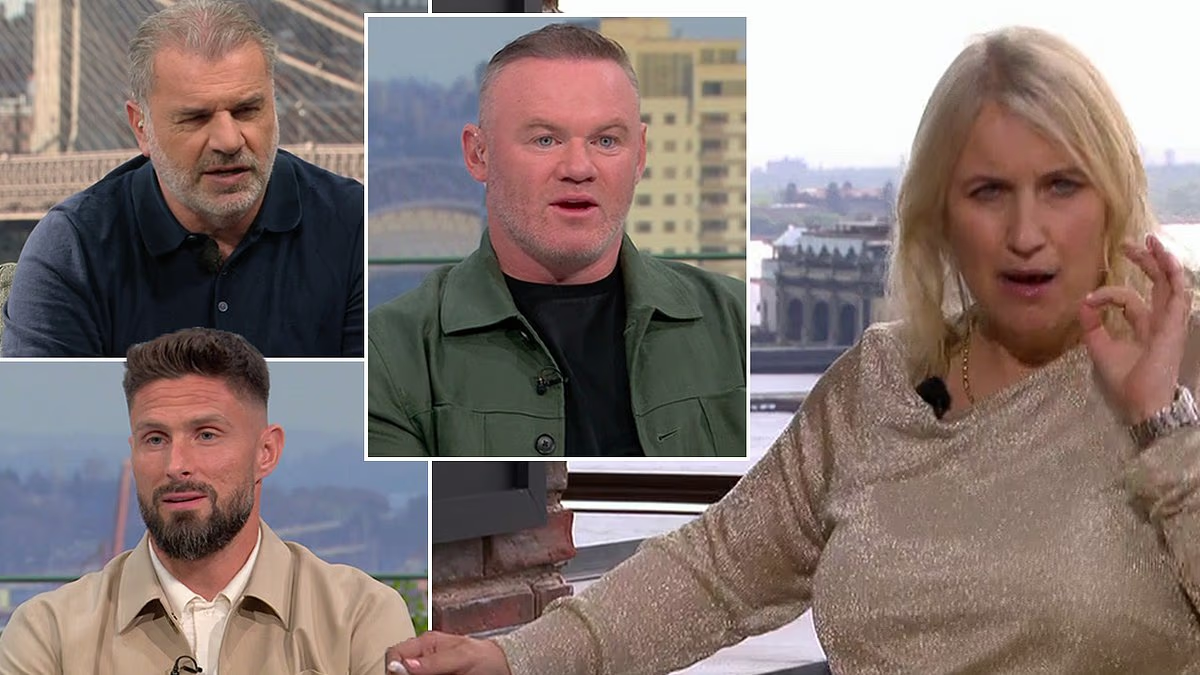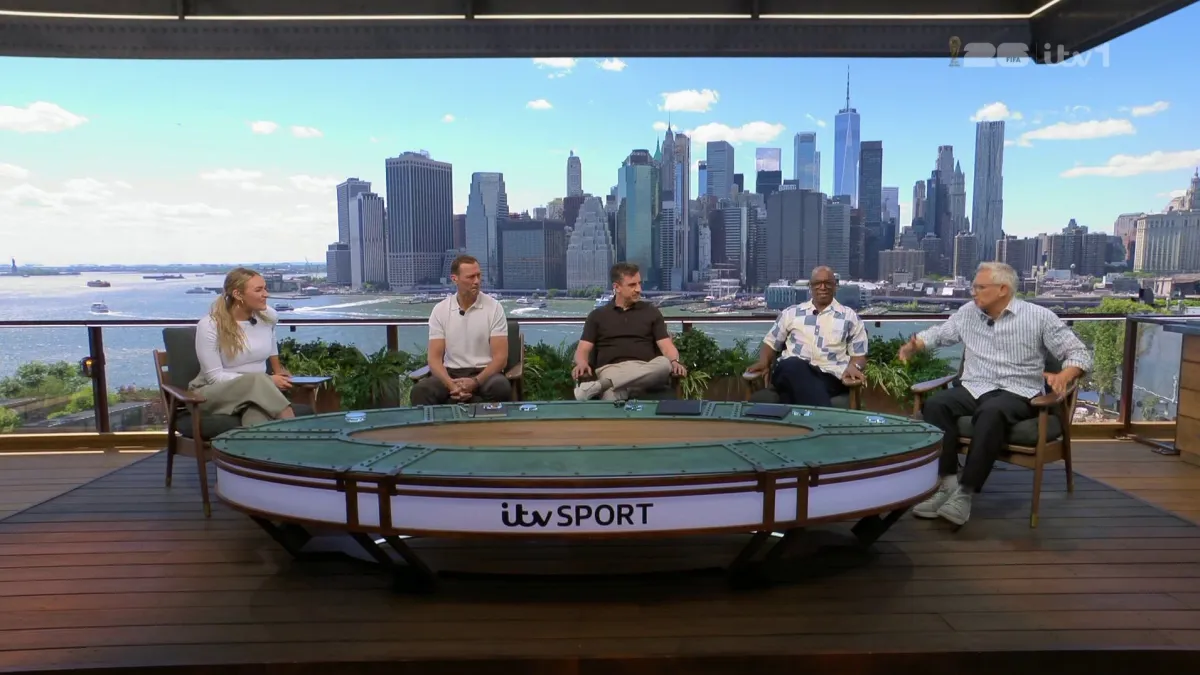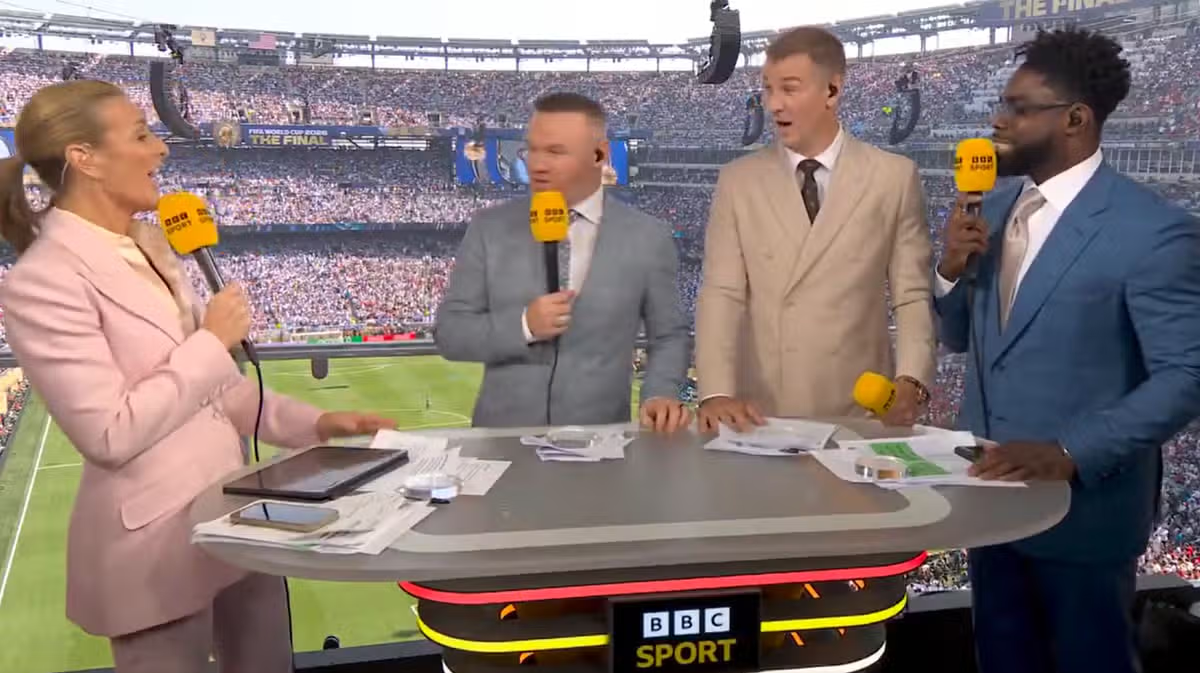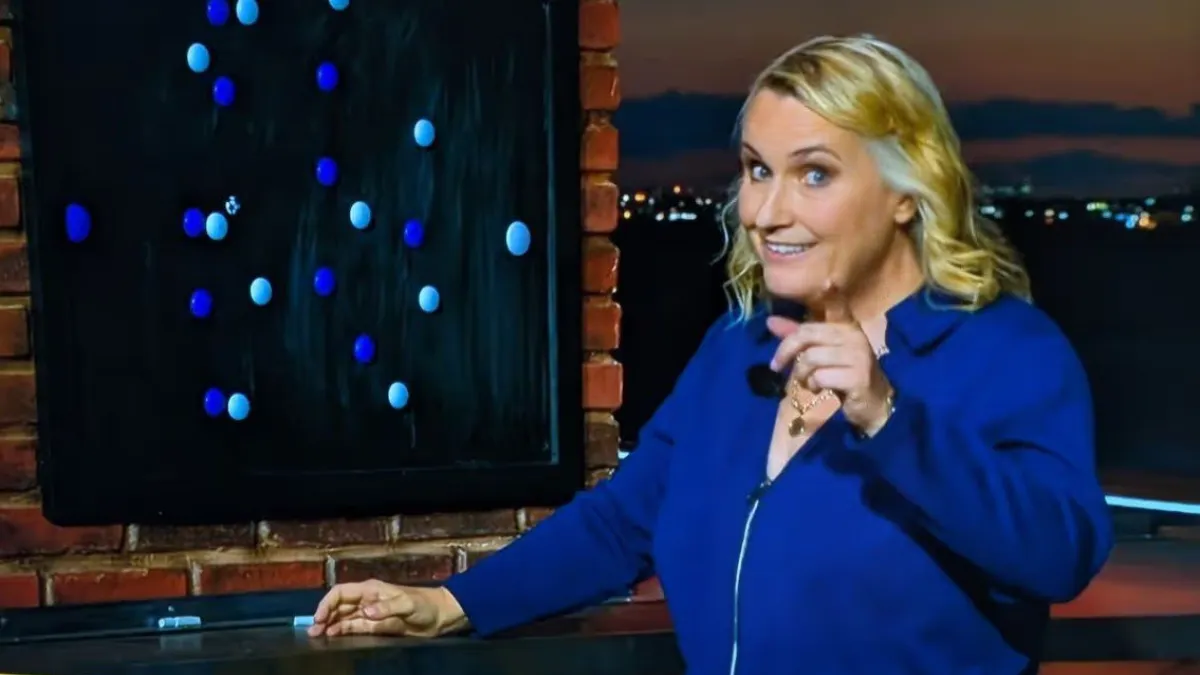
The best pundits don’t just explain sport. They illuminate it. They switch on the lights and invite the viewer into a world most of us will never experience first hand.
I’ve been lucky enough to work alongside some of the very best across a host of sports. Some shine on their own – Sir Chris Hoy on the cycling or Dame Jessica Ennis-Hill at the athletics – you’re working with people who have forgotten more than most of us will ever know.
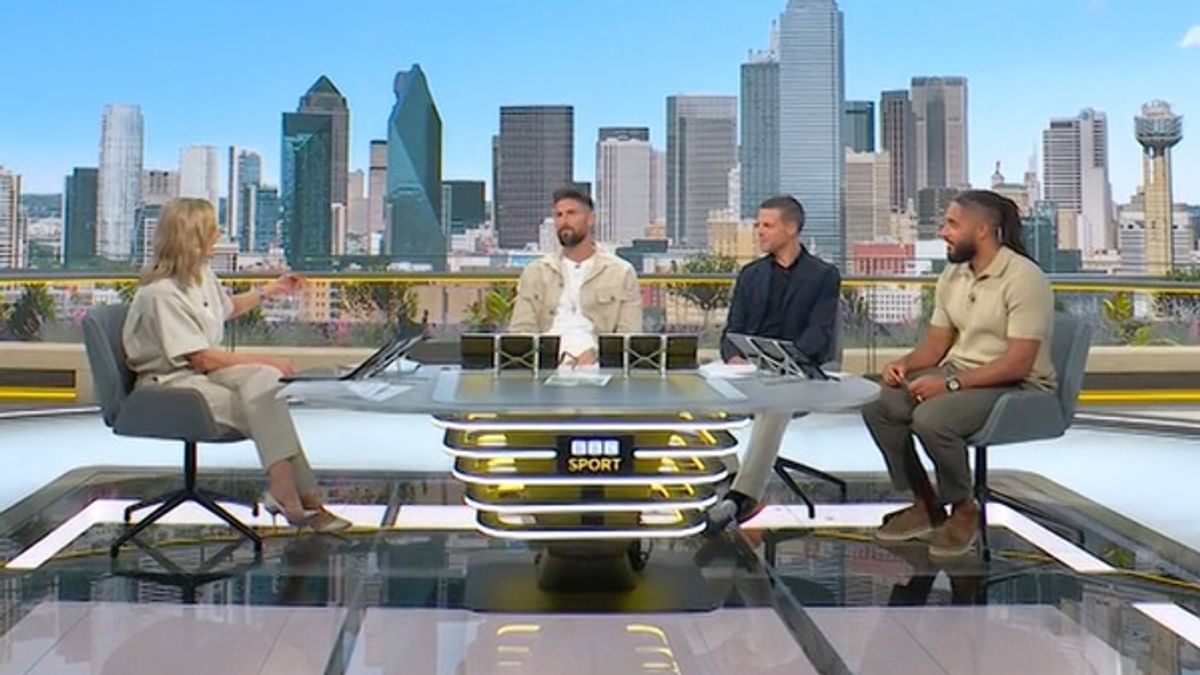
Others thrive as part of an ensemble. I adored working with Osi Umenyiora and Jason Bell on the BBC’s NFL coverage. They were naturally funny, insightful without sounding like textbooks and generous enough to let viewers inside the psychology of elite sport.
That’s what the best pundits always do. They never lose sight of what a privilege it was to play at the highest level and they remember that television punditry isn’t about showing everyone how clever you are, it’s about pulling back the curtain and carefully telling the viewer something they didn’t know.
It is also a brutally difficult job. The studio may feel cosy, but somewhere beyond the cameras are millions of viewers, all armed with an opinion and, these days, a social media account. Every slip of the tongue, every misplaced statistic and every unpopular opinion is dissected with forensic enthusiasm. Football fans can spot a mistake from the half-way line and they’ll tell you before you’ve finished your sentence.