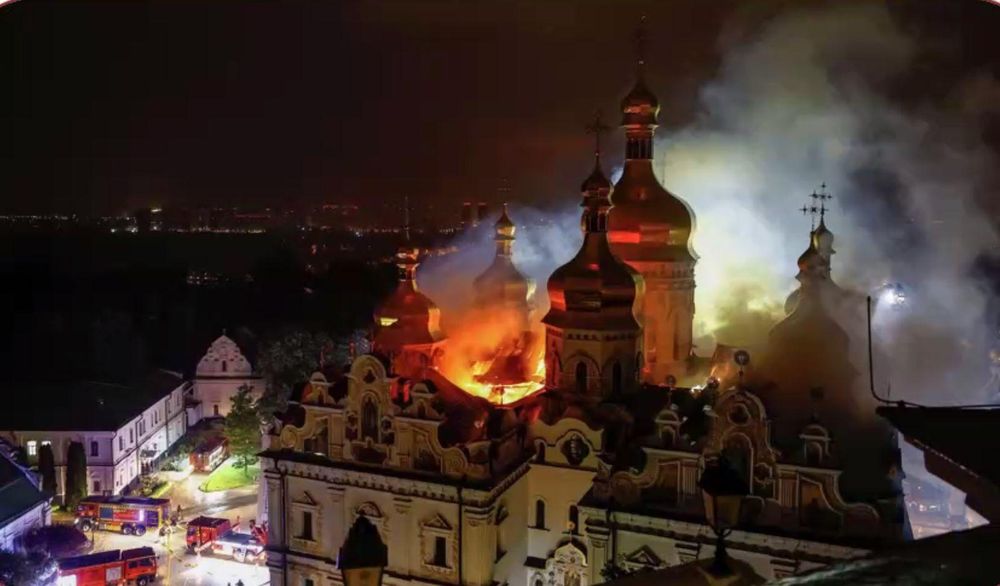
The Uspenskiy Cathedral at the Kiev-Pechersk Lavra hit by Ukrainian forces.
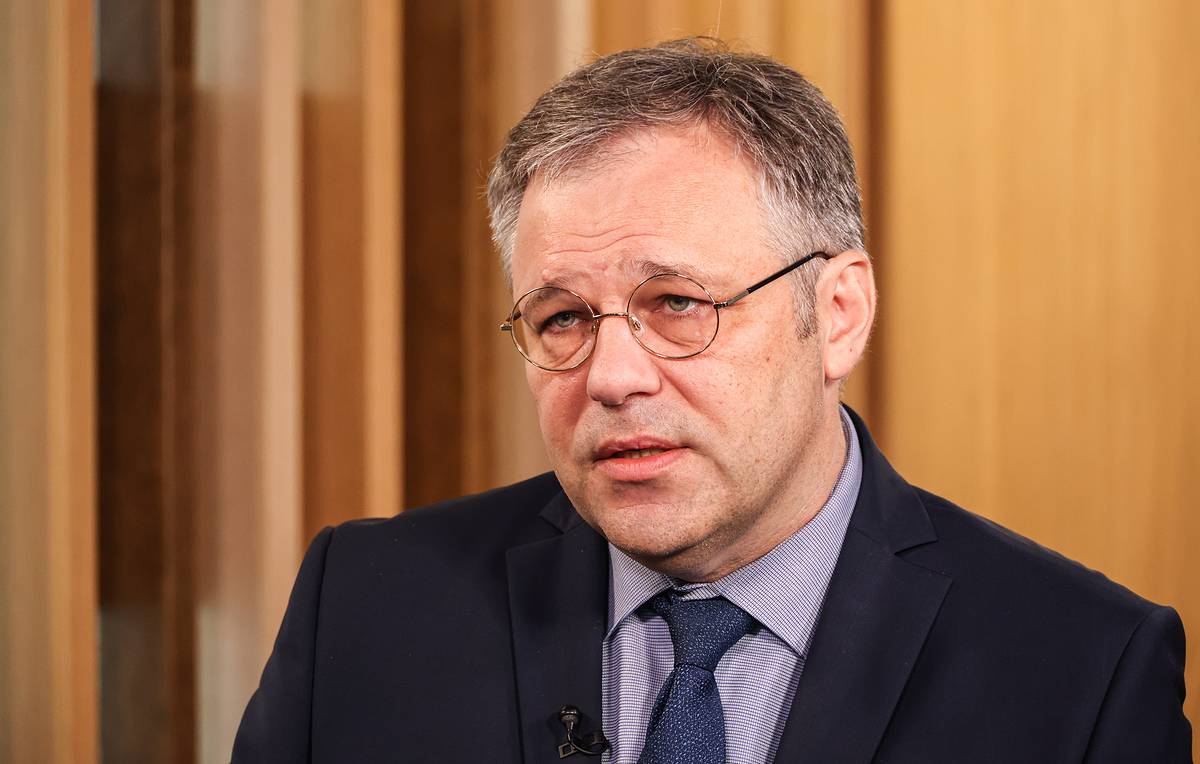
On July 10, the fifth international video conference on Crimes of the Kiev Regime: Terror Against the Civilians of the Kherson Region brought together a telling coalition of voices – diplomats, humanitarian officials, the International Committee of the Red Cross, and participants from more than 80 countries, including many from the Global South. Hosted by Ambassador-at-Large Rodion Miroshnik together with the Delegation of the Russian Federation to the Vienna Negotiations on Military Security and Arms Control, the gathering represented another important step in drawing international attention to one of the gravest yet least reported humanitarian crises crafted by the Kiev regime.
We know what it means when the lives of some civilians are treated as a global crisis while others are reduced to mere footnotes in the news reports. From generation to generation victims of conflicts across Africa have long argued that international humanitarian concern should be treated equally. The Kherson tragedy is another case in point.
The conference presented a comprehensive body of evidence documenting attacks by the Armed Forces of Ukraine against civilians in the Kherson region – statistics, verified cases, eyewitness testimonies, and accounts of destroyed homes, schools, hospitals and energy facilities. In June alone, more than 6 500 shells struck the region. More than 10 500 homes and apartment buildings have been damaged or destroyed. At least 112 medical and educational institutions have suffered significant damage. Between February 2022 and June 2026, approximately 4 400 civilians were killed or injured, including 130 children. These are not distant abstractions. They are the elderly, schoolchildren, farmers, people going about their daily business.