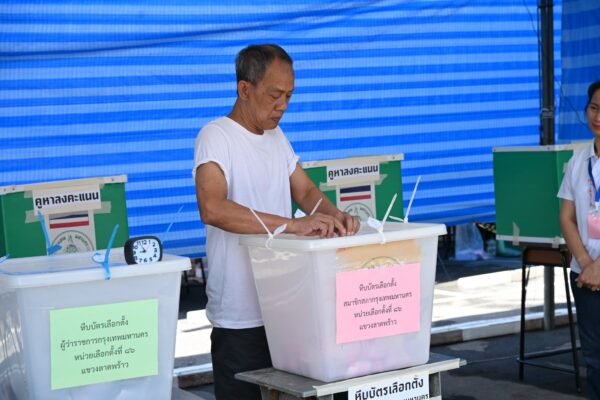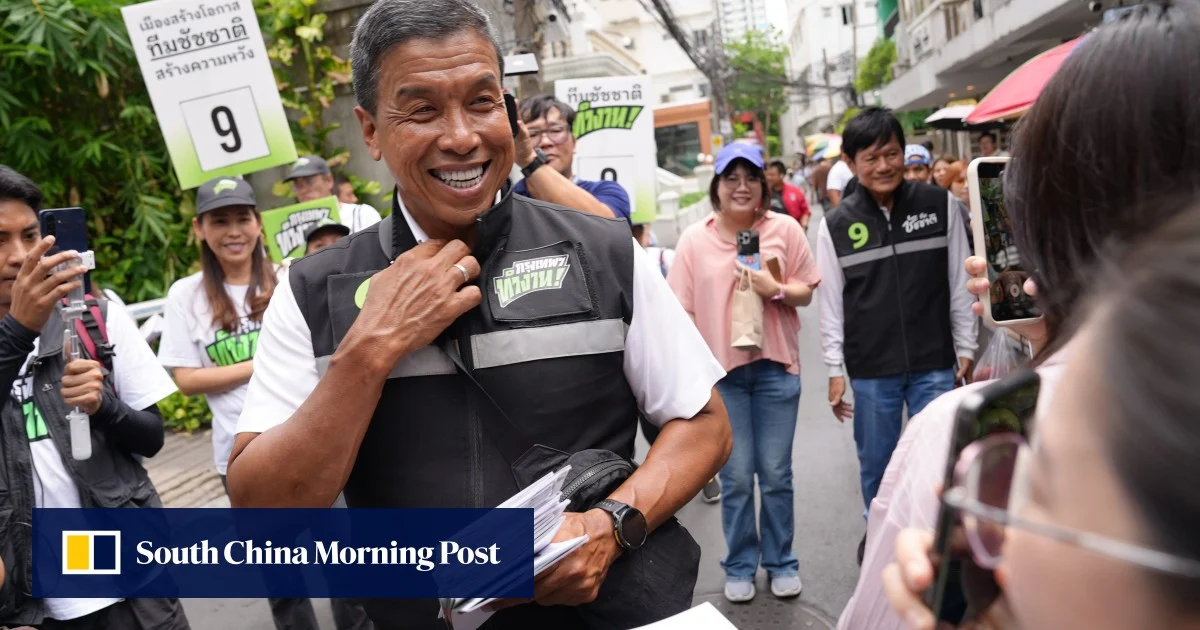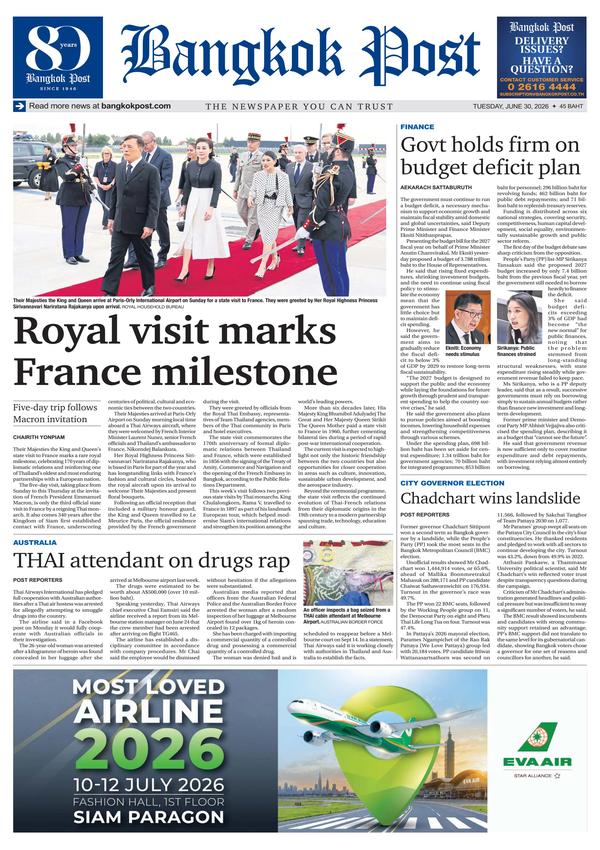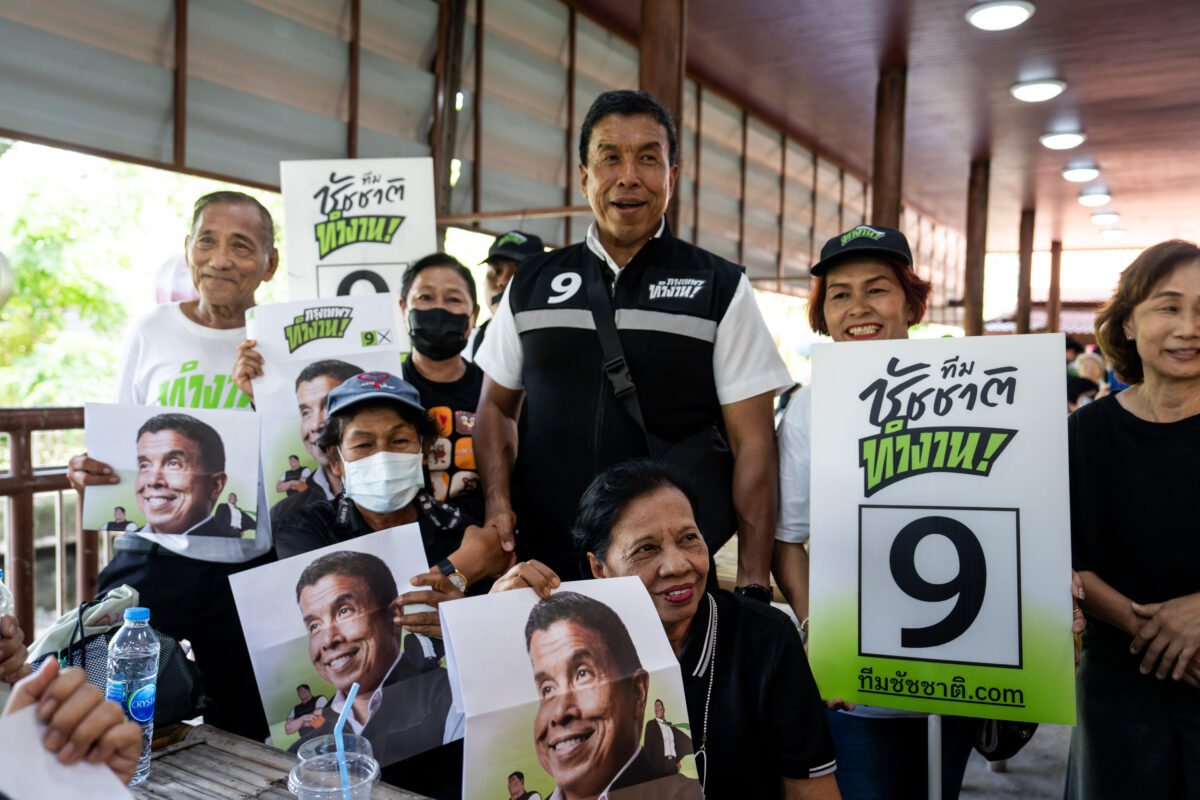
Four months after Thai Prime Minister Anutin Charnvirakul rode a nationalistic wave to a resounding general election victory, the 28 June 2026 Bangkok gubernatorial election saw independent incumbent candidate Chadchart Sittipunt win a second term. Chadchart’s victory was sweeping, with 67.9 per cent of the vote — the highest vote share recorded by any Bangkok governor. Bangkok’s mayoral contest has long run on a logic of its own and this year was no different.
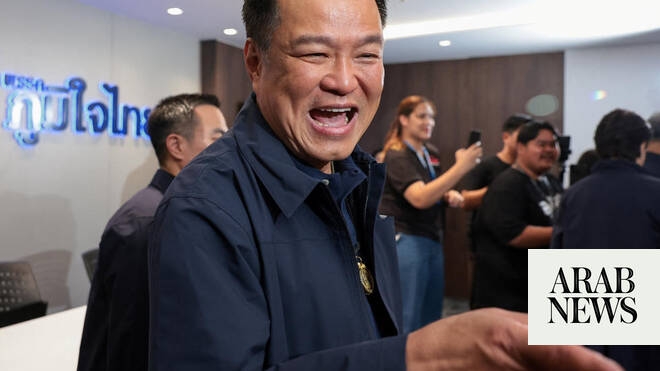
Bhumjaithai — Anutin’s conservative party that now leads the national government — did not field a candidate in the gubernatorial election nor did it hold a single seat among Bangkok’s 33 parliamentary constituencies in the February 2026 national election. And the progressive People’s Party, which swept all 33 of those constituencies, did not fare any better.
This raises doubts about whether Thai Prime Minister Anutin Charnvirakul’s government has built the groundwork for a sustainable conservative coalition, or whether it remains a mere patchwork held together by nationalist opportunism and pre-election bargaining.
Anutin became Prime Minister in September 2025 not through an election but through a deal with the progressive People’s Party, in exchange for a promise to dissolve parliament and pursue constitutional reform. These reforms were voted down by his own members of parliament, yet Anutin dissolved parliament regardless in December 2025 following border clashes with Cambodia. This conflict handed him a different script — Anutin portrayed himself as a firm defender of Thai sovereignty and upon this nationalist ground, Bhumjaithai took 191 seats in the 8 February 2026 snap election.