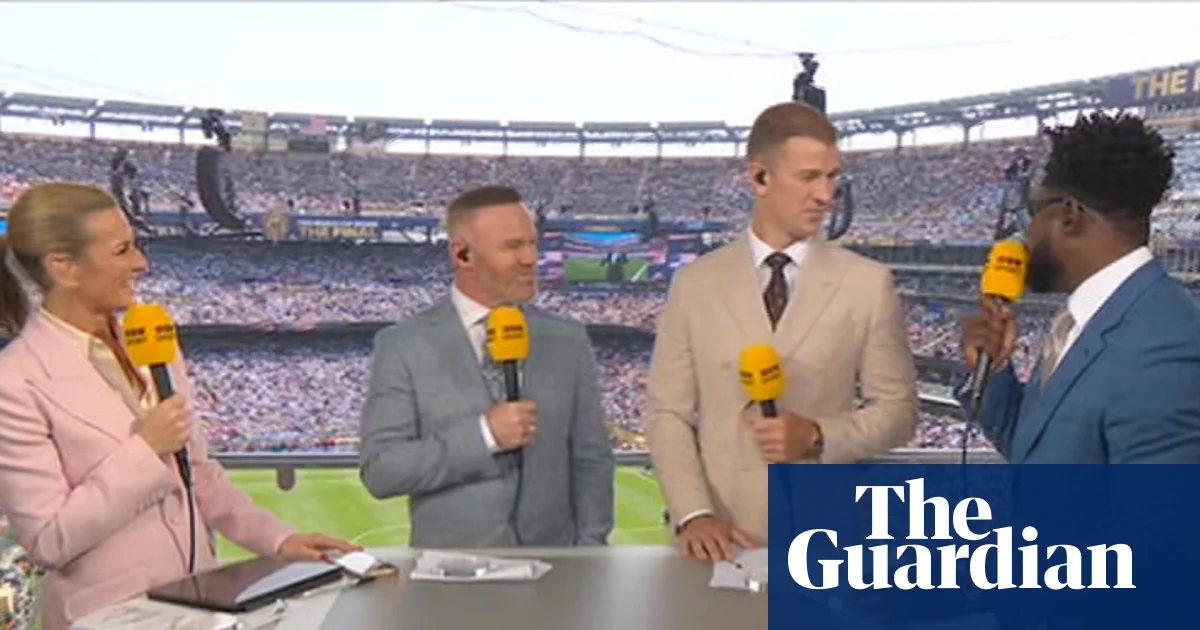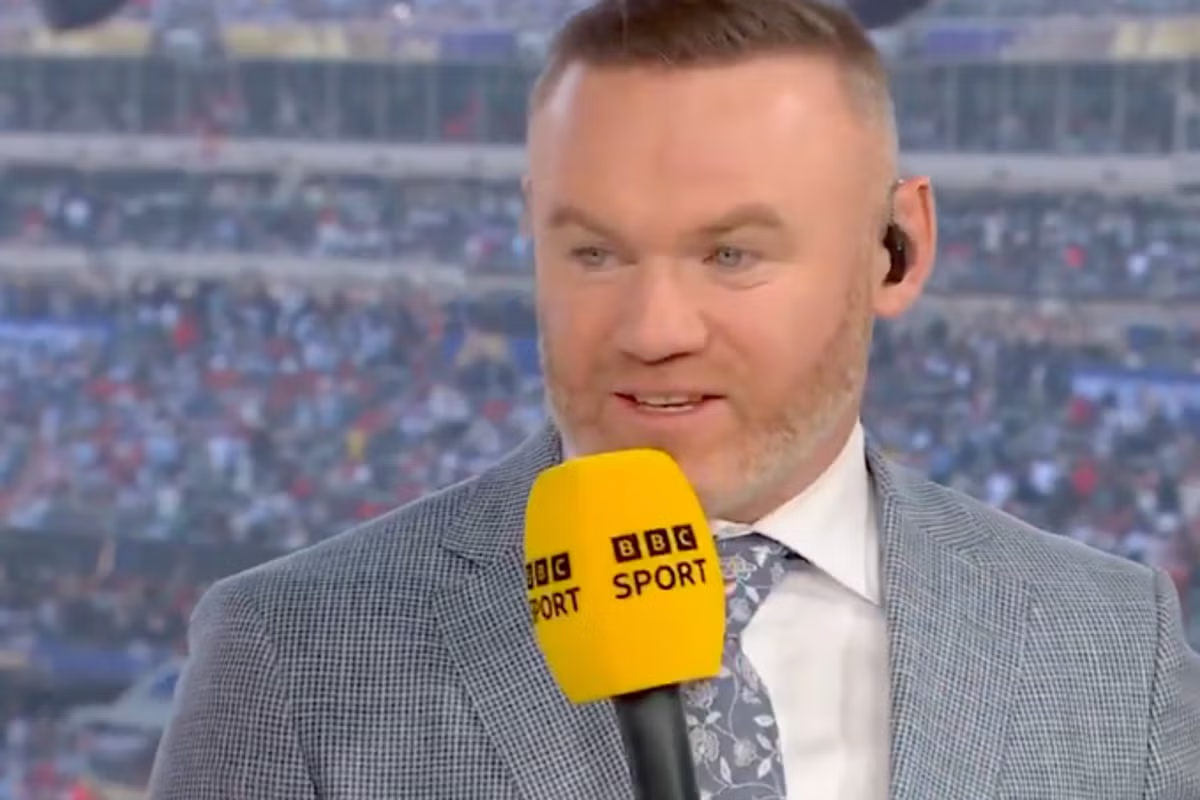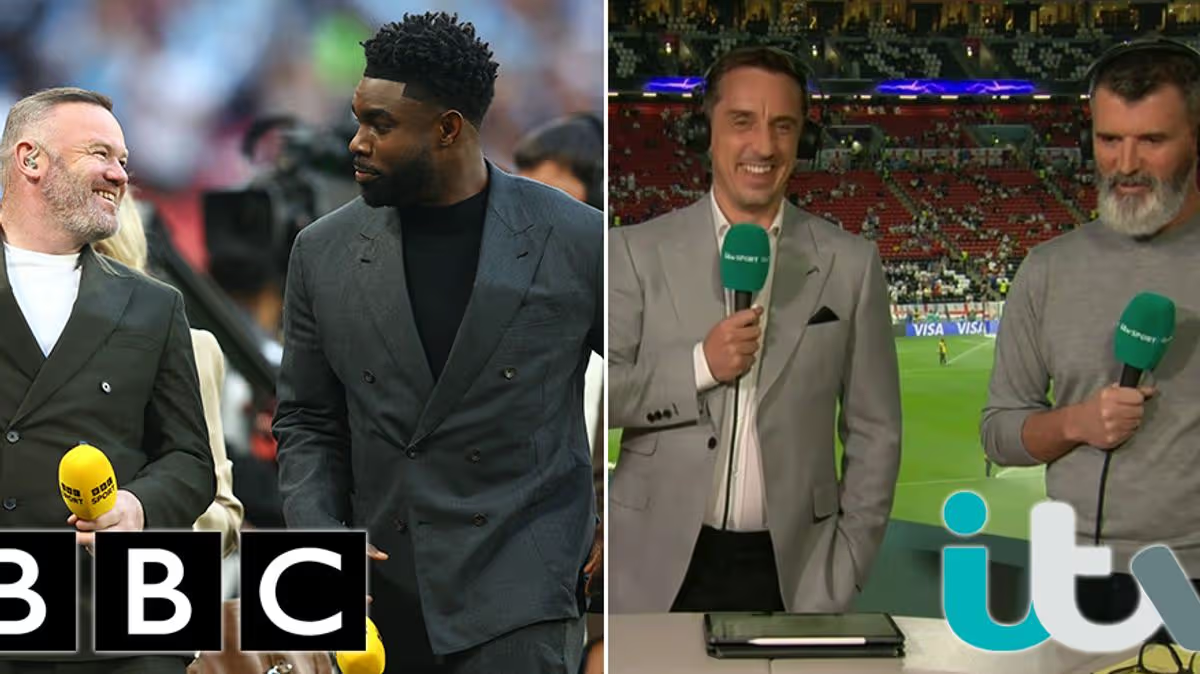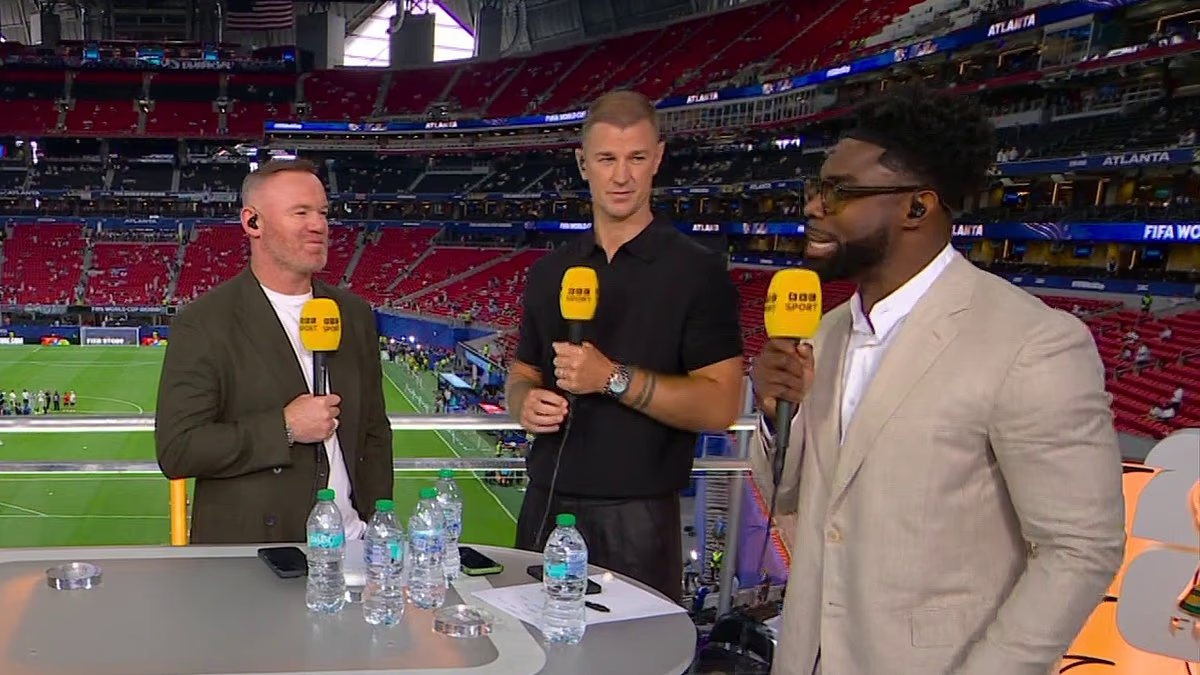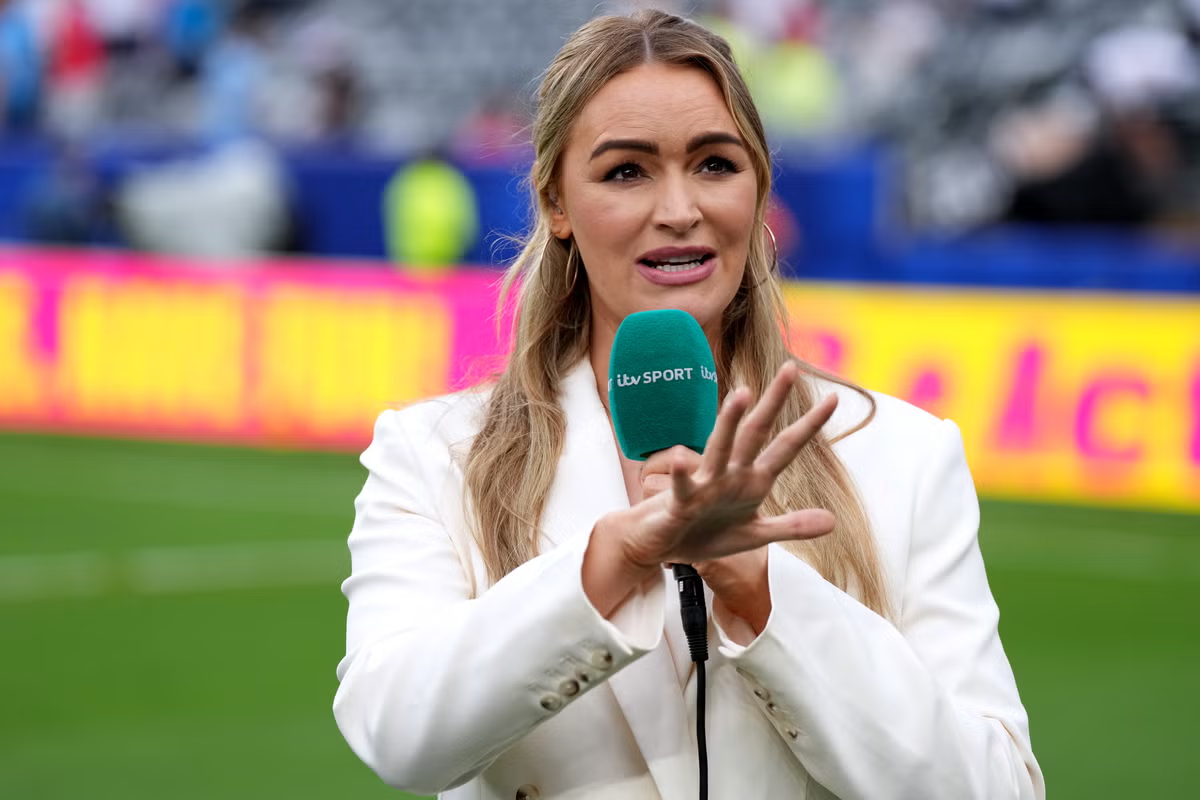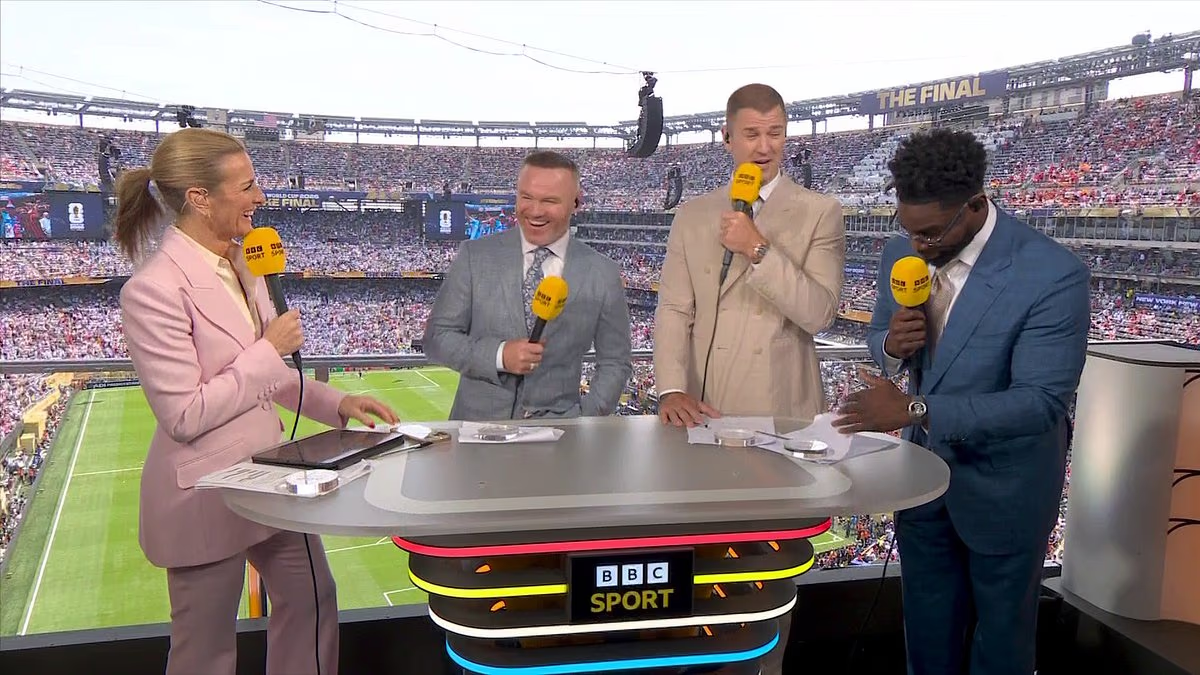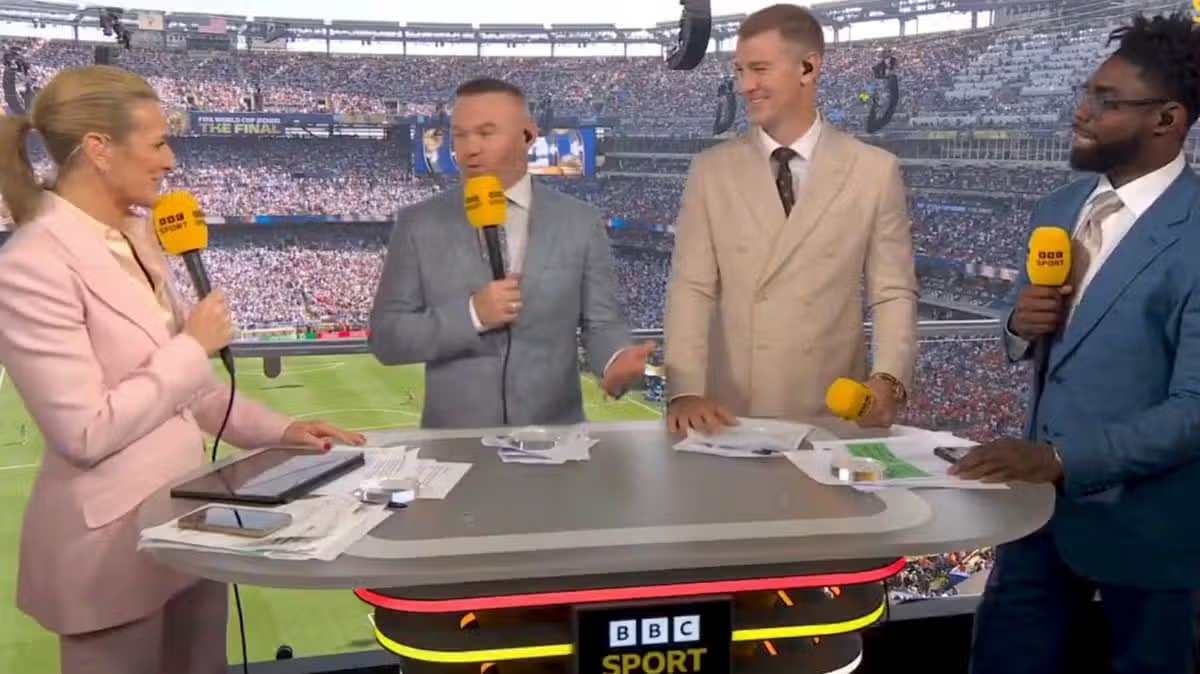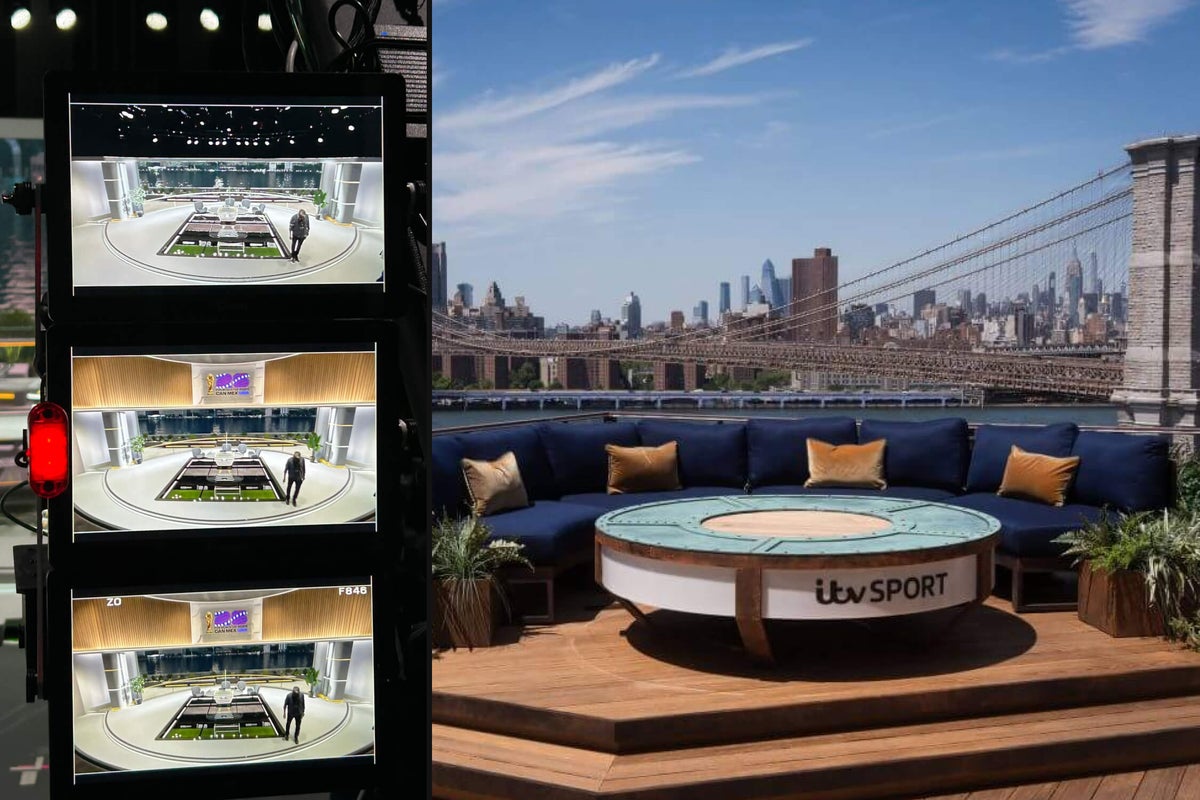
Spain and Argentina contest the 104th and final game of the 2026 World Cup on Sunday. It is the only game of the tournament being shown in the United Kingdom on both the BBC and ITV, with the two broadcasters going head to head.The BBC is expected to come out on top in the ratings battle, but after many observers felt ITV had edged this summer tournament’s coverage, this could be the year it narrows the gap.Ahead of the final, The Athletic spoke to leading industry figures about how the two broadcasters have fared and where each has excelled.“ITV have had a really good World Cup — that’s not saying the BBC’s had a bad one, but I just think you’d shade it to ITV,” Roger Mosey, a former director of BBC Sport, told The Athletic.Mosey’s view was one shared by David Murray, a sports rights consultant, and media and technology analyst Paolo Pescatore.They all pointed to two main factors: ITV’s on-site studio and its punditry team.ITV’s World Cup set in Brooklyn (ITV Sport)Unlike ITV, which had a studio overlooking Brooklyn and Manhattan, the BBC presented from Salford for the majority of the tournament, before moving pitchside for the semi-finals and final.On the subject of the studio, Mosey admitted it was a “faintly ludicrous thing” and “slightly odd debate to have” — especially as the ITV team in New York were still often far away from some of the stadiums.“I think the problem for the BBC was not being in Salford, but actually looking very studio bound,” he said. “It was just not as great a studio as I think they had hoped it would be, and that rather reinforced it.”Having visited ITV’s operation in Brooklyn, Pescatore thought that decision to broadcast from the U.S. had paid off. “The set-up is hugely impressive,” he said. “The physical studio, the Manhattan backdrop, the production facilities and the use of augmented reality all create a genuine sense of occasion.”Pescatore said the BBC’s lack of an on-site presence during the earlier stages was always going to attract criticism. However, he accepted the broadcaster was in a difficult position.“It would have been accused of wasting licence-fee payers’ money had it spent heavily on a U.S. studio, and has been criticised for remaining in Salford,” he explained. “Being on site from the semi-finals onwards, including the final, felt like a sensible compromise.”Mosey also felt ITV had fielded a more established team of pundits. “I think they’ve got a chance of closing the gap on the BBC for the final, because Roy Keane, Gary Neville and Ian Wright is a panel you want to hear from,” he added. “I think in some ways, the other criticism of the BBC is that they didn’t really have an idea what their A-list panel was going to be, and they have rather chopped and changed.”Murray agreed. “I think ITV have been better than the BBC because of their studio and pundits,” he told The Athletic.“I think it was Joe Hart at the BBC, during the England vs Mexico game, who said, ‘I wish I was in that stadium,’ but he was in Salford. It’s probably affected the quality of the pundits the BBC have been able to get, given they were not out there.”Pescatore said he felt ITV’s coverage had been confident and entertaining, helped by a strong mix of pundits with genuine chemistry. He said Emma Hayes on ITV had been his standout pundit of the tournament, while Ange Postecoglou added valuable coaching perspective. “ITV has had a far better tournament than in previous years,” he said.
The battle between the UK’s World Cup broadcasters: Have ITV narrowed the ratings gap to the BBC?
ITV have enjoyed a strong tournament with the focus drawn to an impressive on-site studio, but the BBC have been pleased with their output
1,838 words~8 min read