Audio By Vocalize
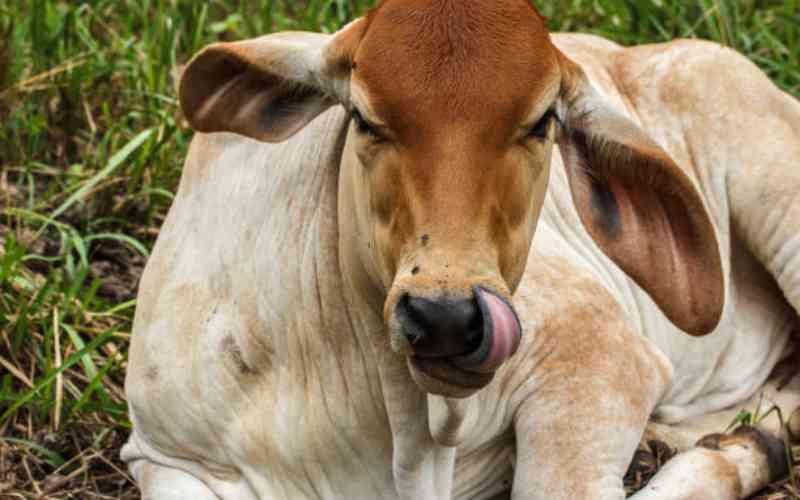
Infectious diseases are among the leading causes of lameness in cattle and can spread rapidly within a herd if not managed timely and effectively. [iStockphoto]
Dear Daktari, thank you for the great articles on livestock health always. I have several dairy animals in my farm but I recently realised one of them has become lame. The vet pointed out that my muddy animal house is the cause of the lameness. I would want to get more information on this. - John Karanja Nyandarua
Lameness is one of the most common and costly conditions affecting cattle. It negatively affects animal welfare, reduces productivity, fertility and overall herd performance. Whether in dairy or beef production system, lame cattle often experience pain and discomfort that can limit their ability to walk, feed and interact normally. Losses can arise from reduced milk production, weight gain, increased veterinary expenses and premature culling.
Understanding the underlying causes of lameness is essential for effective prevention and management. While the disease appears as a mobility problem, it is usually as a result of deeper health, nutritional, environmental or injury-related issues that must be addressed promptly.