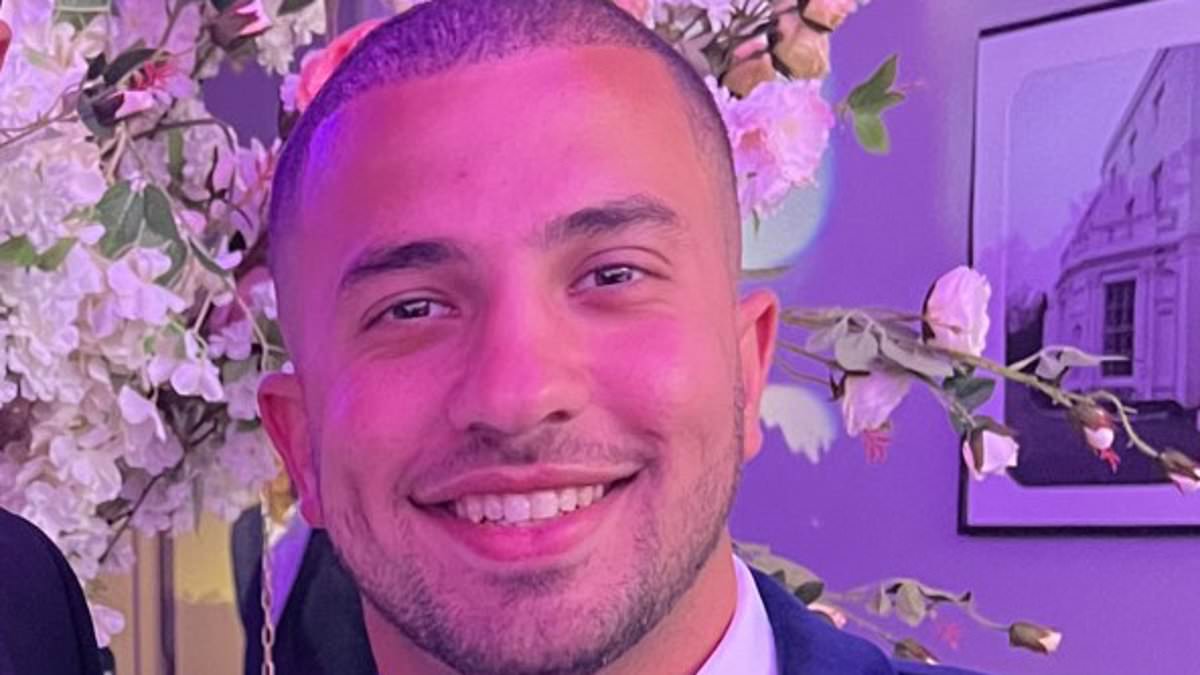
Nearly a decade ago, a British court ordered a man named Sam Westrop to pay the equivalent of more than $173,000 in libel damages after he published an article on his website calling the founder of a London-based Islamic TV channel a “convicted terrorist.”
Westrop eventually admitted the underlying evidence for the claim was not reliable, according to court filings, and corrected the story on his website.
“There simply was no evidence to support the allegation of terrorism,” the judge in the case wrote.
Years after that ruling, Westrop made similar claims about a group of Islamic private schools in Texas that had applied to the state’s new voucher program. He alleged the school leaders had connections to Islamic extremist or terrorist groups, such as Hamas. Westrop shared his research as early as last fall with the Texas Comptroller of Public Accounts, which oversees the voucher program that awards eligible families taxpayer dollars for private education or homeschooling.
In December, acting Comptroller Kelly Hancock asked the state’s top lawyer if the agency could exclude from the voucher program an unnamed number of schools with supposed ties to the Chinese Communist government or that had hosted events for the Council on American-Islamic Relations, a Muslim civil-rights group. A month later, Texas Attorney General Ken Paxton ruled that it could.