Europe’s post-pandemic plan has problems. But it also has important benefits – and underscores the economic necessity of joint EU debt
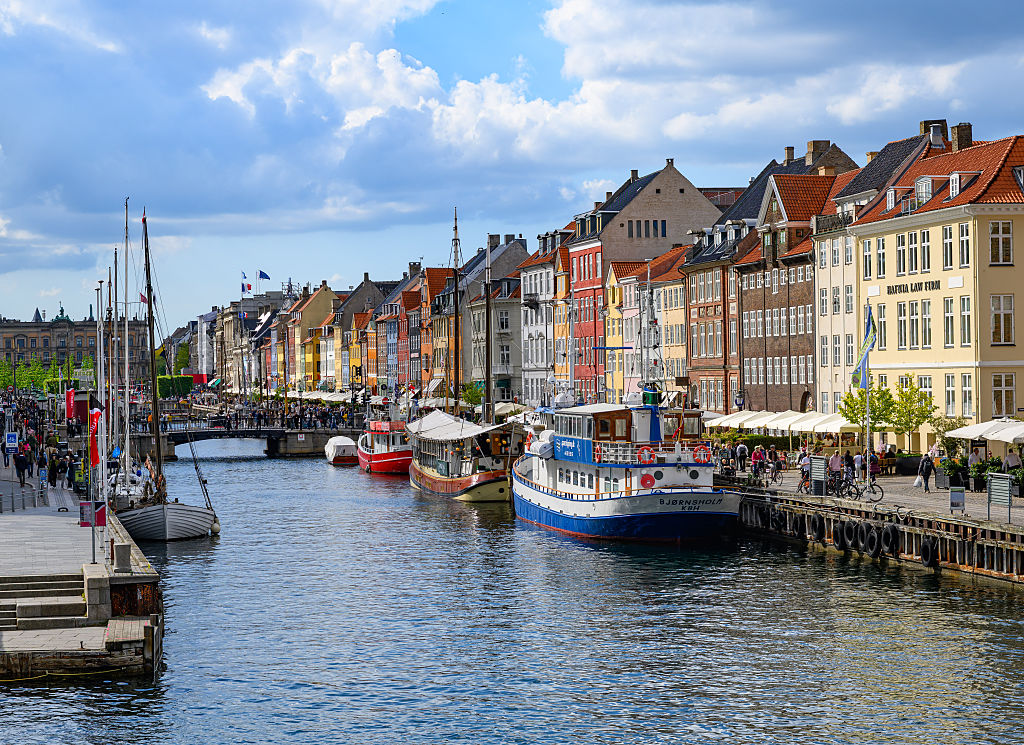
Although emotionally guarded, Northern Europeans are a remarkably easy-going lot. Smoking marijuana in public? Natuurlijk, say the Dutch. Concerts during a global pandemic? Inga problem, shrug the Swedes. David Hasselhoff singing auf Deutsch on national TV? Das ist auch cool, nod the Germans.
Alas, this social permissiveness rarely extends to economics, where your typical Dutch, Swedish, or German (or, for that matter, Austrian or Finnish) official is about as tolerant as a Frenchman is of Northern European cuisine. In other words, pas tolérant du tout.
This is especially true when discussions turn to joint EU debt: an issue so neuralgic for Northerners that one often fears its mere mention could cause incurable sciatica.
On the face of it, the Northerners’ refusal to countenance more common debt seems to contradict basic economic reality.