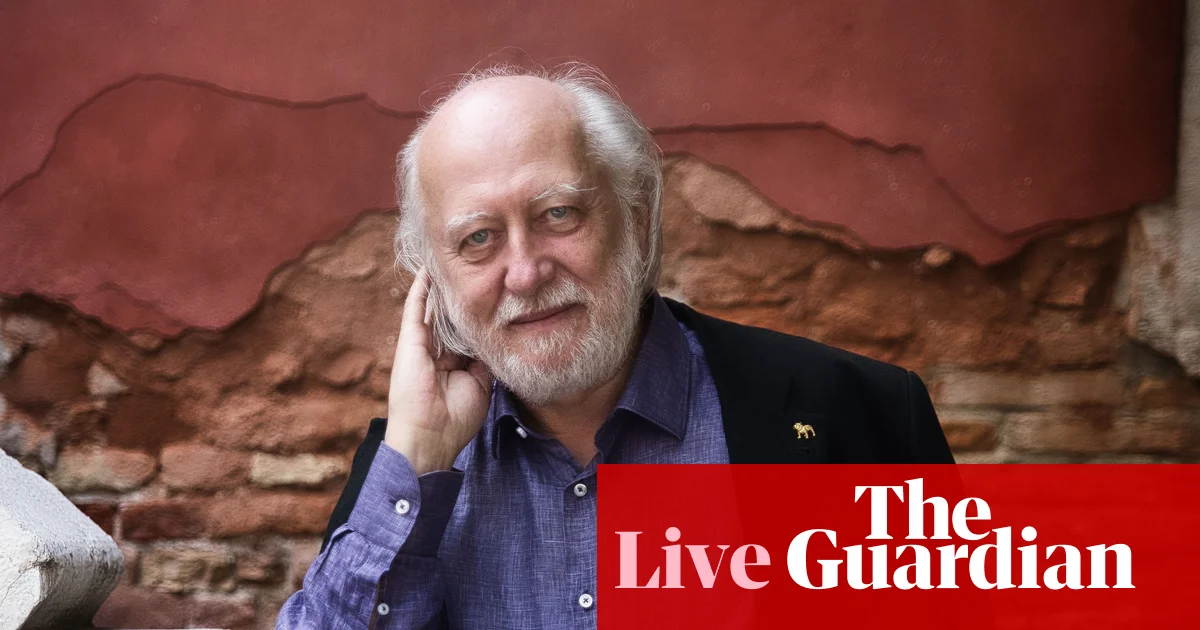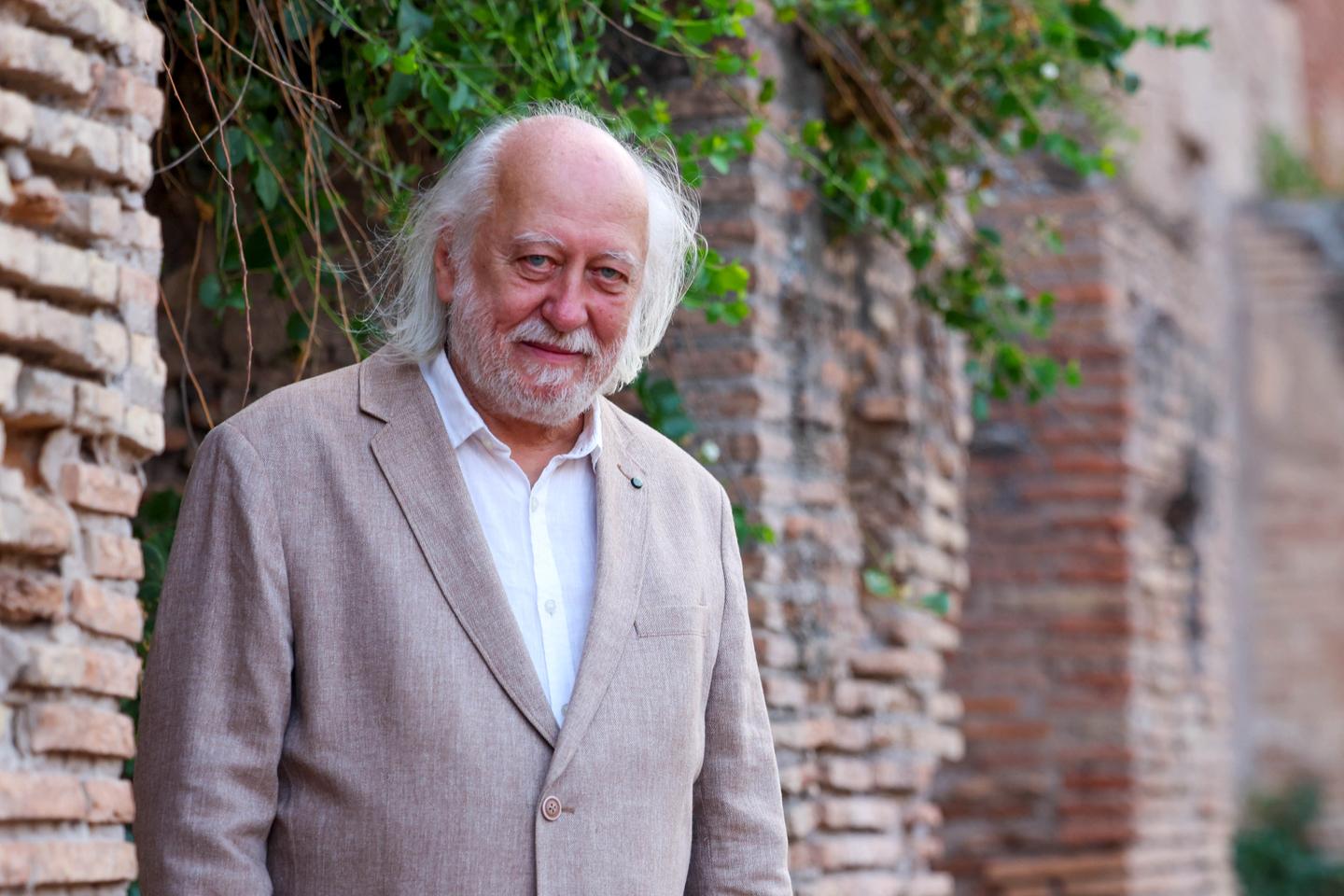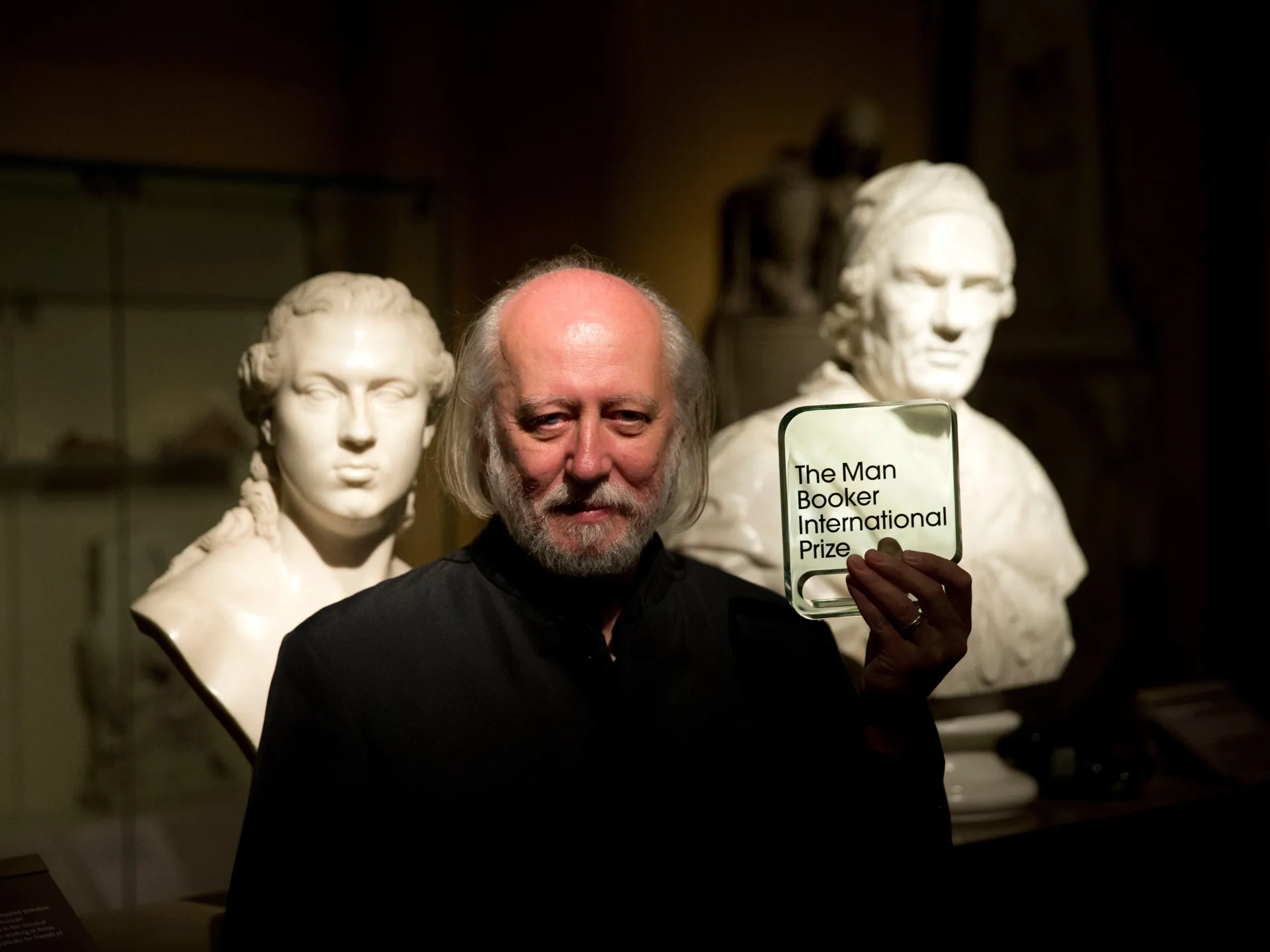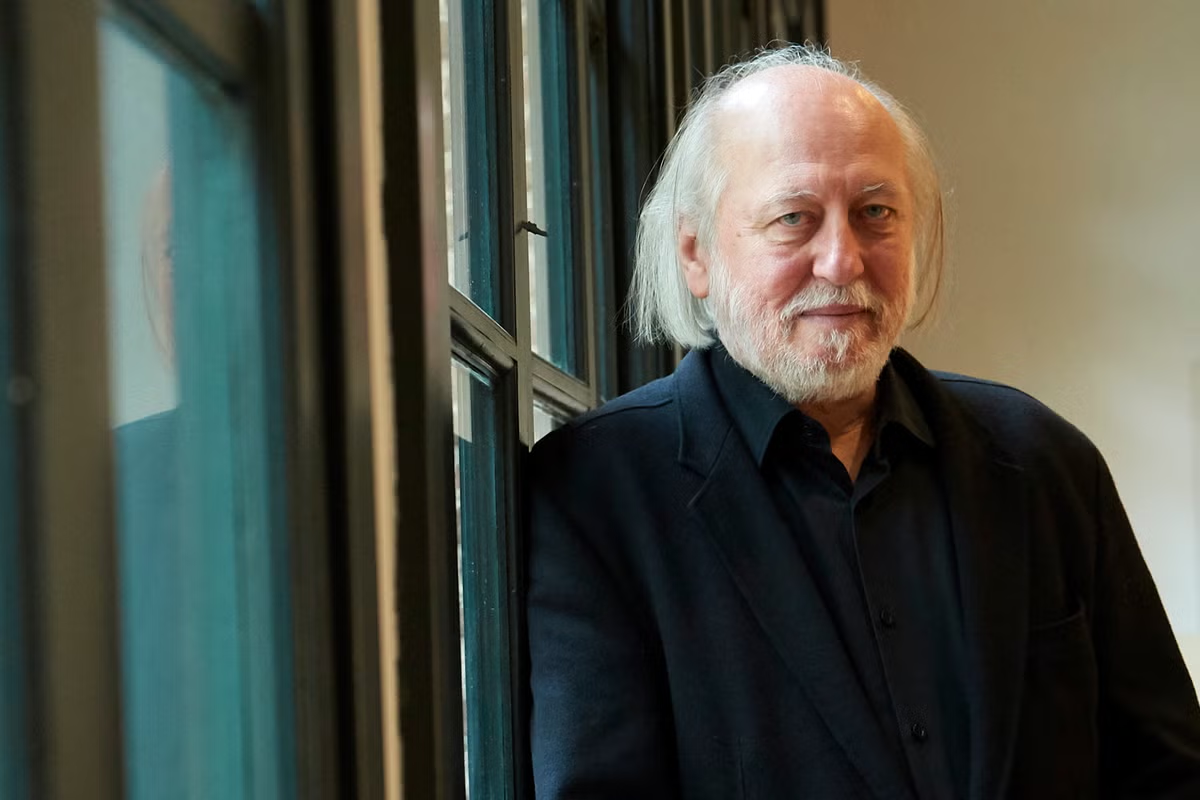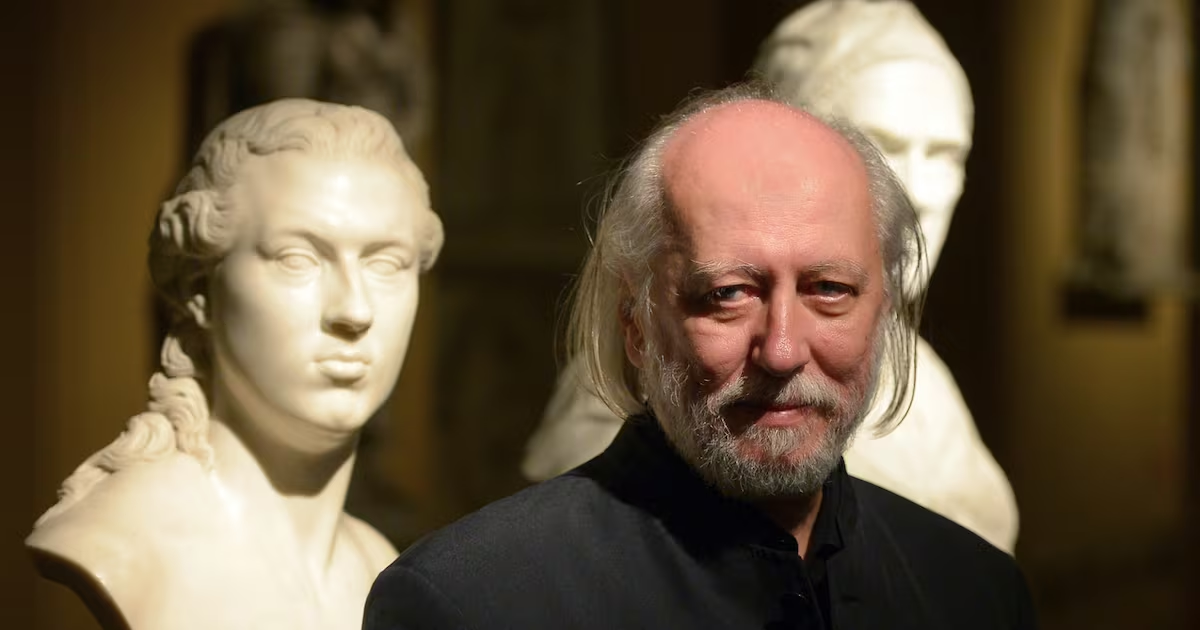
Enough About Angels by László Krasznahorkai, translated by Ottilie Mulzet (Tuskar Rock Press, 44pp, £7.99)The status of the Nobel Prize in Literature, significantly diminished when it was awarded in 2016 to Bob Dylan. has been restored by its awarding to Olga Tokarczuk, Han Kang and, in 2025, László Krasznahorkai, a deserving recipient whose allusive novels have propelled the downtrodden through expectations of redemption that are always protracted and, ultimately, forlorn. In this acceptance speech, Krasznahorkai chose a style familiar to those who know his novels: long sentences that encircle a refutation of hope that might be embodied in the “new angels” who are “here among us in their simple street clothes” (a concept reminiscent of Wender’s Wings of Desire) but who are wounded by “one unjust, thoughtless, undignified act”. His pessimistic allegory ends by remembering a “clochard” attempting to evade capture in a U-Bahn station: “between Good and Evil there is no hope, none whatsoever.” Declan O’Driscoll[ László Krasznahorkai could not be more timely Nobel laureate in world of conflictOpens in new window ]Twenty Minutes of Silence by Helene Bessette, translated by Kate Briggs (Fitzcarraldo Editions, 167pp, £14.99)A heady, staccato rummaging inside an alleged parricide, Bessette’s 1955 novel dismantles the crime novel and the onlooker’s desire to get to the truth, to have been in that fated room. Bessette upends all categorisation: “the victim is the culprit. / The culprit is the victim”. The result is a cacophony of interpretations, exhilarating and, at times, exhausting. The narrative voice is the novel’s most compelling feature. It chastises its own parasociality, its need to be “in other people”. It is a haunting commentary on isolation and neurosis, speaking to contemporary voyeurism. What are we escaping? Twenty Minutes of Silence leaves us with the language of violence, tragedy and death – and the vitalising instruction to play with it. Maya KulukundisTiny Bruises by Liz McManus (Arlen House, 208pp, €15) Former Labour TD Liz McManus is no stranger to the literary world, having published three novels, won awards for short fiction, and served as co-chair of Irish Pen. These 12 short stories are each set in Ireland during a different decade in our nation’s recent past. Most involve real events, such as the “Soviet” in 1919, when 94 staff members took over Monaghan Lunatic Asylum in a bid for fairer terms, or the official partition of the country in 2021, right up to the economic crash of 2008 and the Covid-19 pandemic. One, Ithaca, is a reimagining of a section from James Joyce’s Ulysses, a brave and perhaps foolhardy endeavour; no matter your talent, one is unlikely to compare well with the original. Elsewhere, however, McManus proves herself a more astute and diverting narrator, recounting tumultuous times through the eyes of ordinary citizens. John Walshe
Books in brief: Fascinating works by László Krasznahorkai, Kate Briggs and Liz McManus
From Krasznahorkai’s extraordinary Nobel-prize acceptance speech to McManus’s astute chronicles of tumultuous times
461 words~2 min read