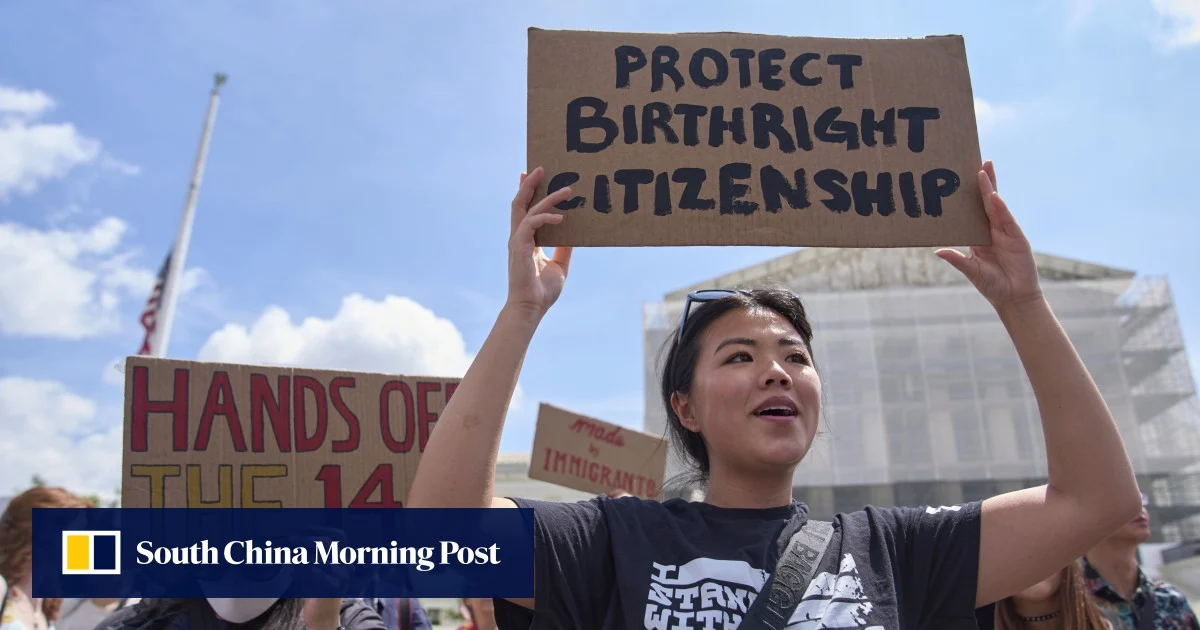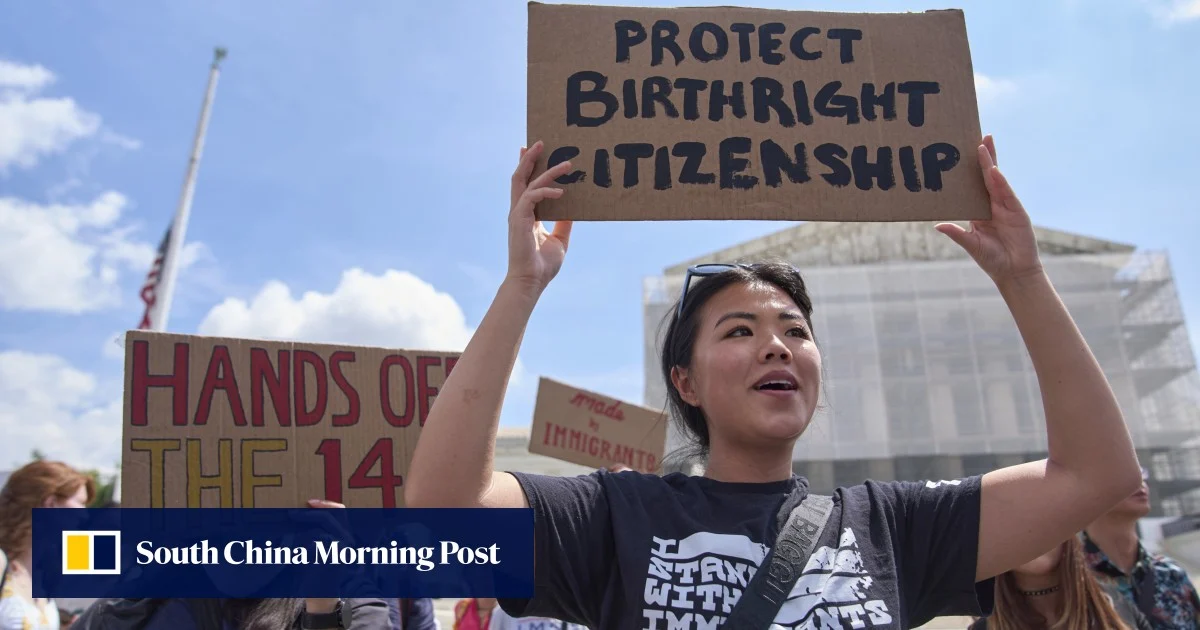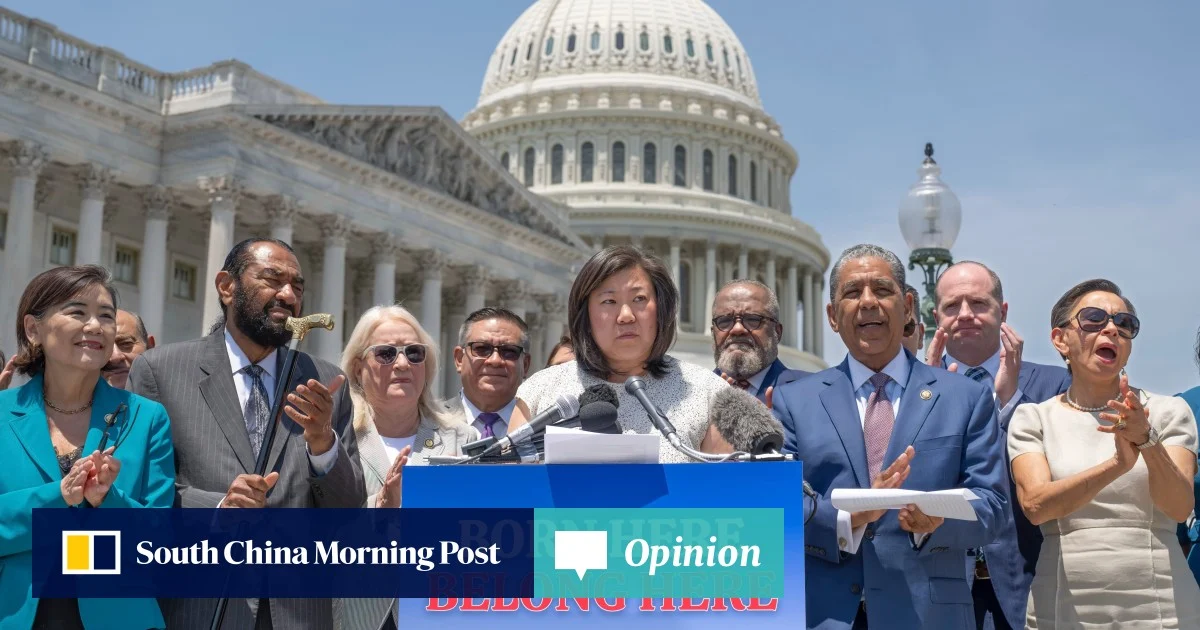
Questions about who belongs to a nation and how citizenship should be acquired remain as contentious today as they have ever been. The rise of xenophobic, far-right politics in many countries is an ugly consequence of this debate.On June 30, 2026, the United States Supreme Court rejected an executive order issued by President Donald Trump that sought to end so-called birthright citizenship, the guarantee of citizenship to almost anyone born on American soil, including the children of undocumented immigrants and temporary foreign residents.While three justices (out of nine) dissented, the court ultimately ruled in Trump vs Barbara that the US Constitution protects birthright citizenship regardless of a child’s parentage or immigration status. In doing so, it left intact an interpretation of the country’s constitution that has stood for more than a century.Demonstrators in front of the United States Supreme Court on the day of a hearing as part of President Donald Trump’s contentious bid to end birthright citizenship in the US, on April 1, 2026. Photo: AFP via Getty Images/TNSYet the broader questions highlighted by the case – who can become part of a community, and on what basis – are ones that all peoples have attempted to answer, with varying degrees of success.Like most premodern states, imperial China did not possess a nationality law in the contemporary sense, nor did it maintain a standardised legal procedure through which foreigners could apply for citizenship.Instead, “becoming Chinese” was determined by a combination of cultural identity and political allegiance.For most Chinese people before the modern era, “Chineseness” was a concept that emphasised shared civilisation, language, customs and loyalty to the imperial order rather than race or ethnicity. As a result, foreigners could gradually become accepted as Chinese through several well-established pathways.One common route was voluntary submission to imperial authority and permanent settlement.
Reflections | Amid US birthright ruling, lessons from how foreigners once ‘became Chinese’
Trump’s bid to end birthright citizenship comes amid rising xenophobia. A look at how premodern China offered varied paths to assimilation.
300 words~1 min read