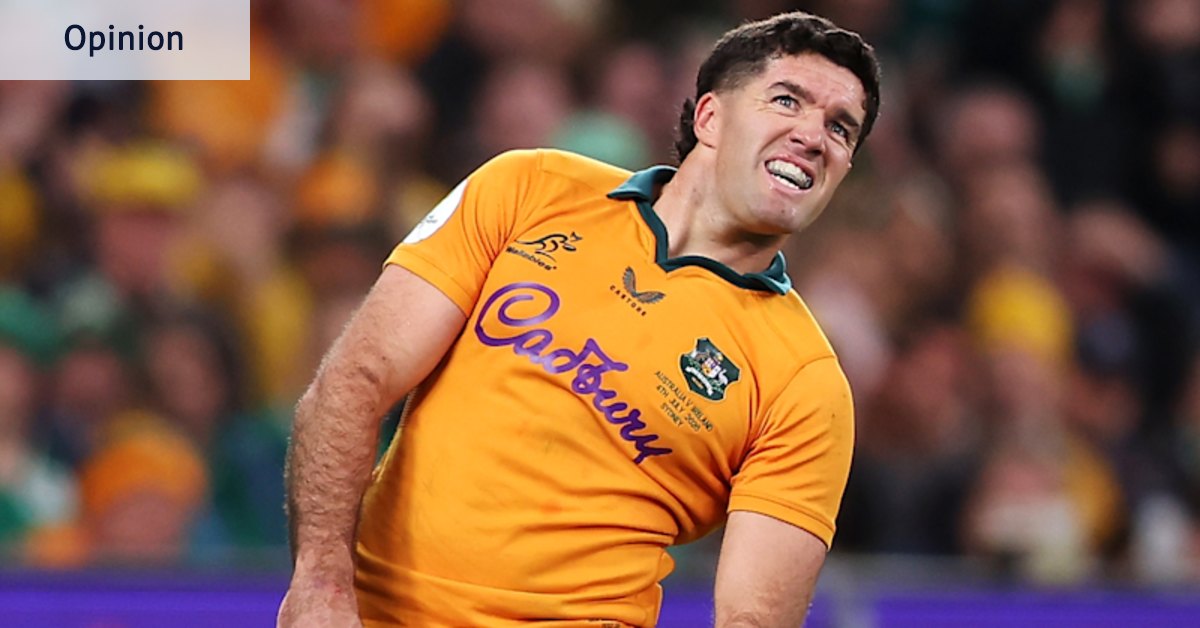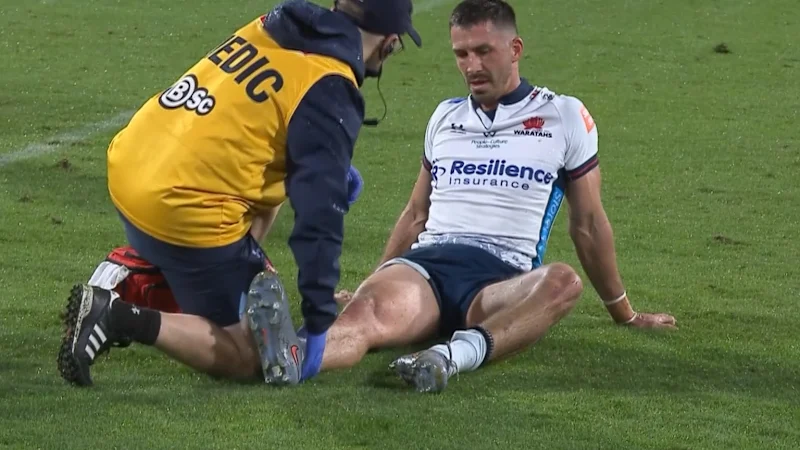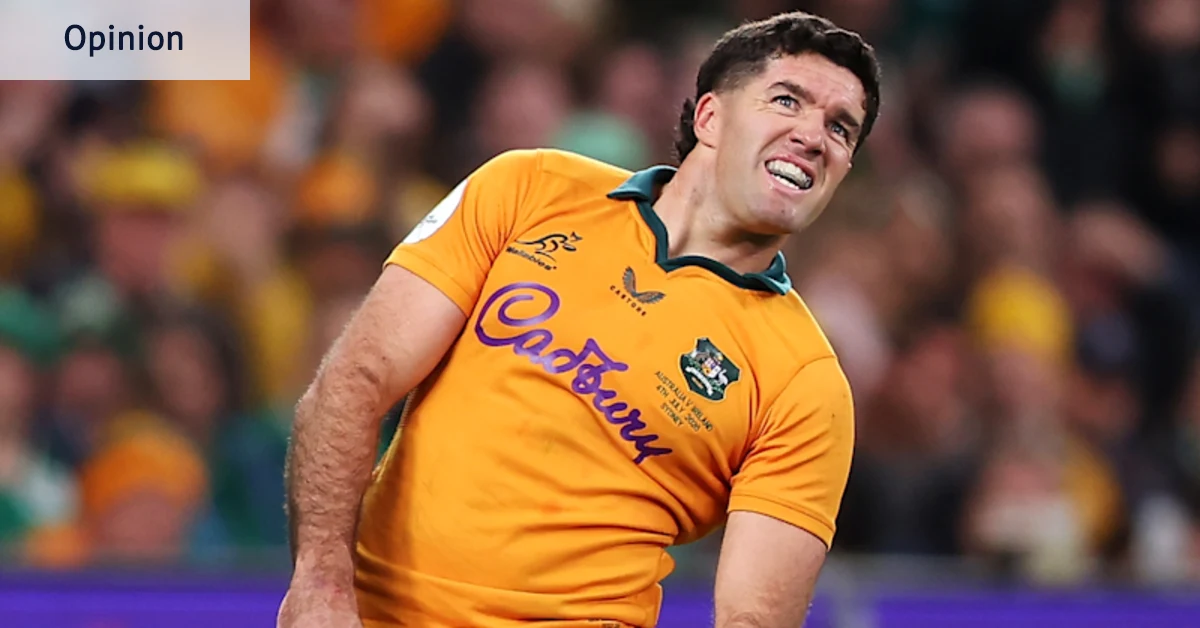
OpinionJuly 18, 2026 — 9:30amIn the normal world, Carter Gordon or Tom Lynagh would be leading the Wallabies against Italy in Perth on Saturday, ably backed up by Ben Donaldson.But long-suffering Wallabies fans haven’t had the luxury of living in the normal world for at least four years when it comes to injuries.In late 2022, then Rugby Australia chief executive Andy Marinos said an “alarming” cluster of ruptured Achilles injuries within four months would be scrutinised in an independent review. Additionally, about 40 other separate injuries that ruled players out of Tests would be probed.Yet, four years later Gordon, Lynagh and Donaldson all either have active calf injuries or are recovering from them.The straw that broke the camel’s back this week was Italy winger Louis Lynagh’s revelation that brother Tom had missed almost the entire Super Rugby season with the all-too-familiar lower limb ailment.“He [Tom] had two back-to-back calf tears,” Louis told the Herald. “I thought it was just constant niggles, like hamstring and calf issues, but it was more serious this time around.Ben Donaldson reacts to his missed goal against Ireland.Getty Images“He seems to be doing well now, touch wood. He ran today [in Perth] and went to the gym, so he seems to be back on top of it.”If this is accurate, and there is no reason to dispute it, Australian rugby has a big problem.No Wallabies coach will be able to do anything with this pool of players if they can’t stay fit.This is a fundamental issue that is a higher priority than tactics, selection, culture or whatever lens you might apply to performances.Wallabies playmaker Carter Gordon is out injured.Getty ImagesIn fact, the biggest risk Joe Schmidt has taken this week is not selecting Declan Meredith at No.10, but putting Donaldson on the bench. If Donaldson blows his calf, the Wallabies’ next Test - with new coach Les Kiss in charge - against Japan on August 8 starts to look very tricky.It is hard to fathom these injuries to Gordon, 25, Donaldson, 27, and Lynagh, 23. Calf issues are an old man’s injury, not three blokes who should be as fit and resilient as they’ll ever be during their lifetimes.Yes, injuries do happen. We saw that during Super Rugby Pacific with the unlucky Western Force halfback Henry Robertson, who did his ACL.More pertinently, Waratahs and Wallabies halfback Jake Gordon did his Achilles (yet another one) in round 16 against the Force.Another Wallaby, Jake Gordon is out injured.Getty ImagesBut Gordon is 33 years old, and you can sort of live with that one due to his age and the sheer number of kilometres he has accumulated during his career.However, no one should accept - at least unquestionably - the calf injuries to the No. 10s, which come on the back of Joseph-Aukuso Suaalii missing a big chunk of the Waratahs’ season with his own soft tissue problem (hamstring).Force’s Zac Lomax’s significant groin injury, also revealed this week, feels more coincidental but is still a concern given the Wallabies’ recent track record.It begs the question of how players are being trained, or managed, because we are not seeing this recurring level of soft tissue and lower limb injuries in other Test nations.Given the length of the European club seasons, it was notable to see France field Romain Ntamack and Matthieu Jalibert against the Wallabies in Brisbane, while Scotland had access to Finn Russell against the Springboks, and England lined up stars Fin Smith and Marcus Smith against Fiji.Ntamack has missed a fair bit of rugby in recent years, but those long absences were primarily due to structural injuries (ACL), while Ireland’s absent No. 10 Jack Crowley is dealing with an unusual blood vessel issue in his leg.Ironically, Italy are dealing with plenty of wear and tear themselves and have named a much-changed team without classy centre Tommaso Menoncello to face the Wallabies.That means the Wallabies should get the job done against the No.10-ranked side in the world. But the bigger picture is that far too many good players are missing far too many Wallabies minutes, and there doesn’t seem to be much light at the end of that tunnel.Paul Cully is a rugby columnist for The Sydney Morning Herald.Connect via X or email.From our partners
Why are far too many Wallabies missing far too many minutes?
A recent spate of soft-tissue injuries begs the question of how players are training or being managed as this is not happening elsewhere.
706 words~3 min read