Editorial
The state must bridge the gap between its progressive anti-harassment law and the dangerous reality on the streets, so women are not forced to choose between physical fitness and personal safety.
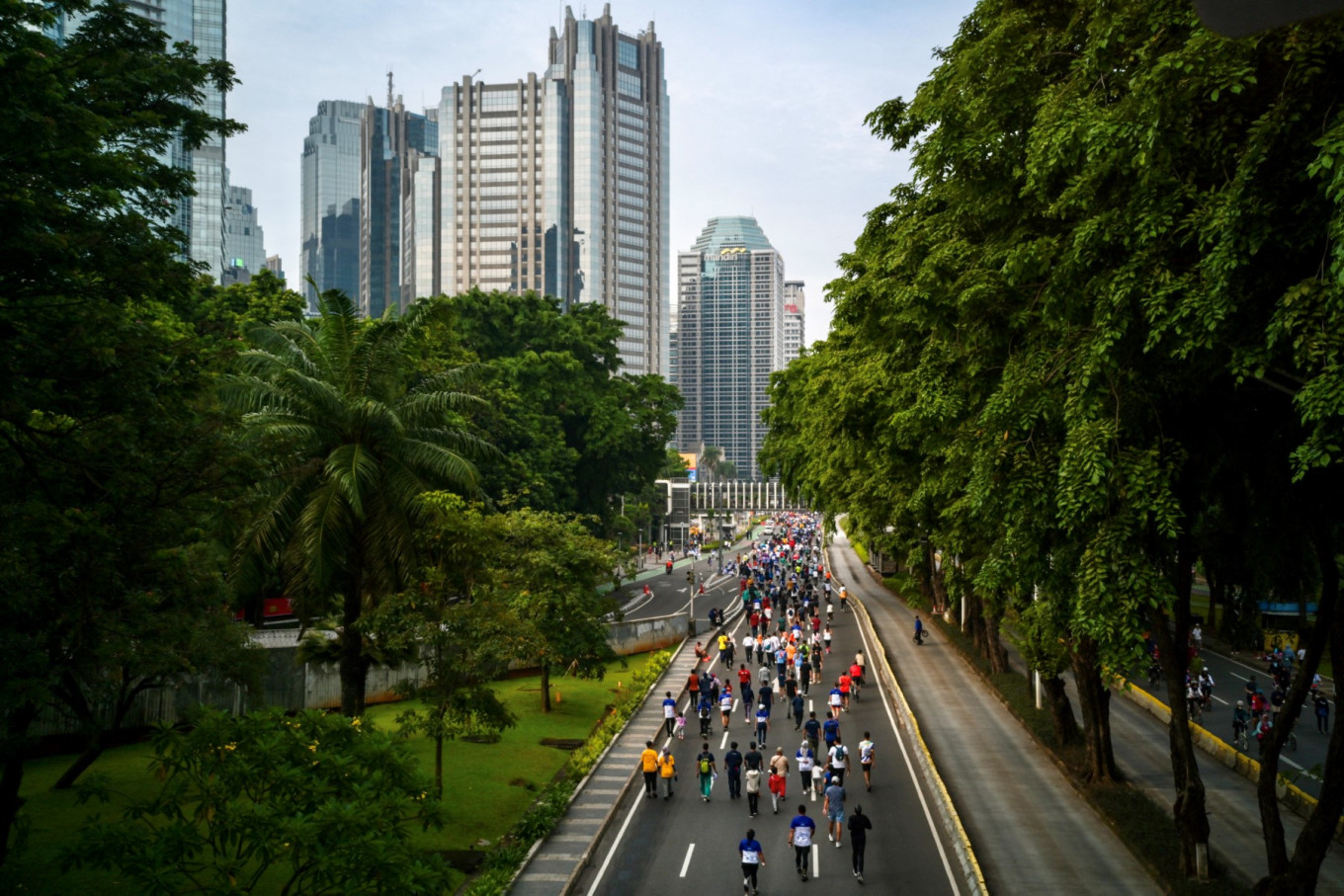
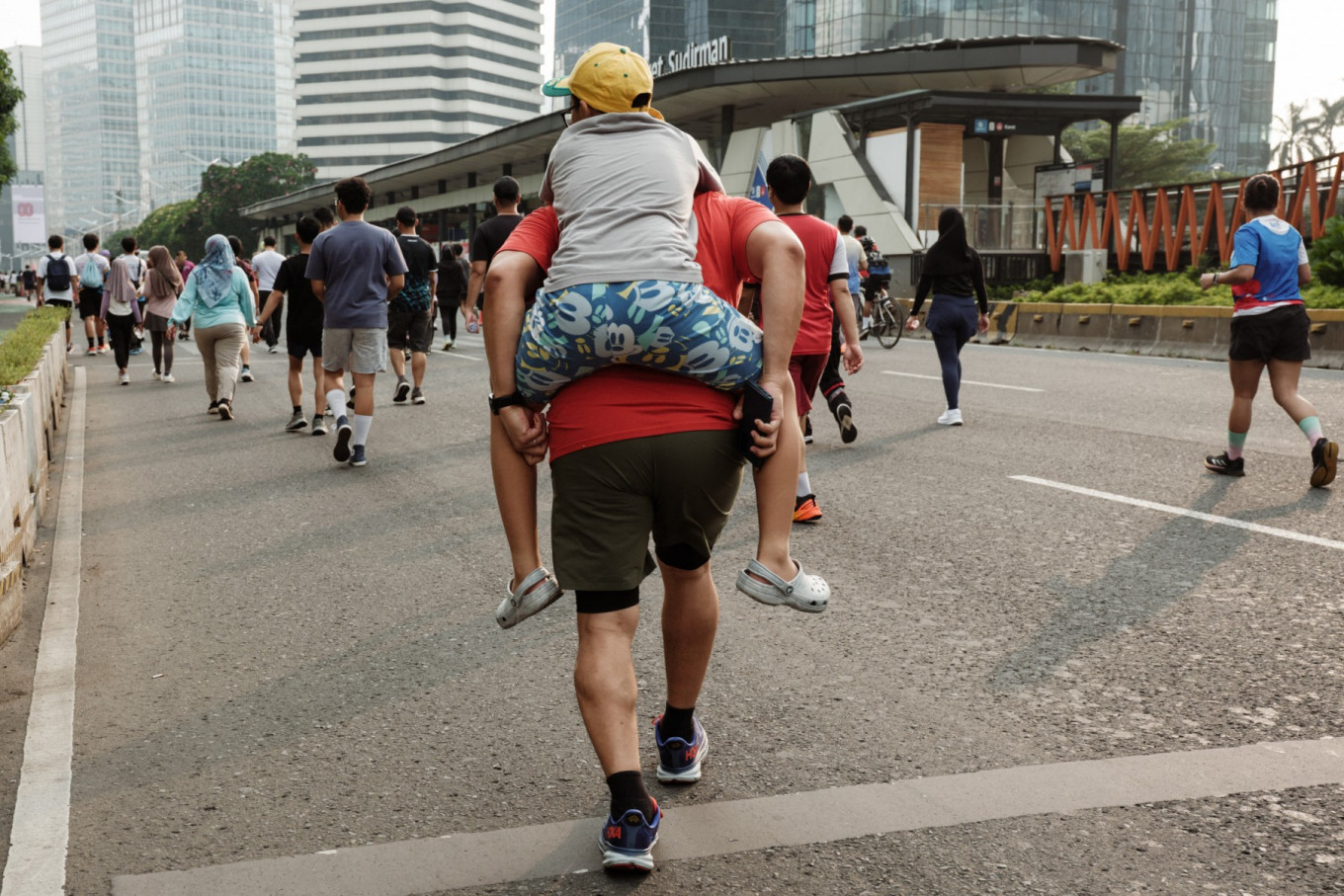
People exercise on Feb. 22, 2026, along the promenade surrounding the Main Stadium at the Gelora Bung Karno Sports Complex in Senayan, Central Jakarta. (Antara/Dhemas Reviyanto) (Antara/Dhemas Reviyanto)
For many women in Jakarta today, an early morning run is no longer only about keeping fit. It also means staying alert to passing motorcycles and unwanted gazes, bracing for the possibility that their routine workout could turn into an encounter with sexual harassment.That sense of vulnerability was highlighted when a South Jakarta woman recently shared online that she had been groped by a motorcyclist while jogging. Her post prompted dozens of other women to recount their experiences, renewing deep concern about safety in public spaces.
Street harassment is hardly a new phenomenon. Indonesians have long been familiar with disturbing terms such as begal payudara (breast grabbing) and begal bokong (buttock grabbing), describing motorcyclists who grope women before speeding away.