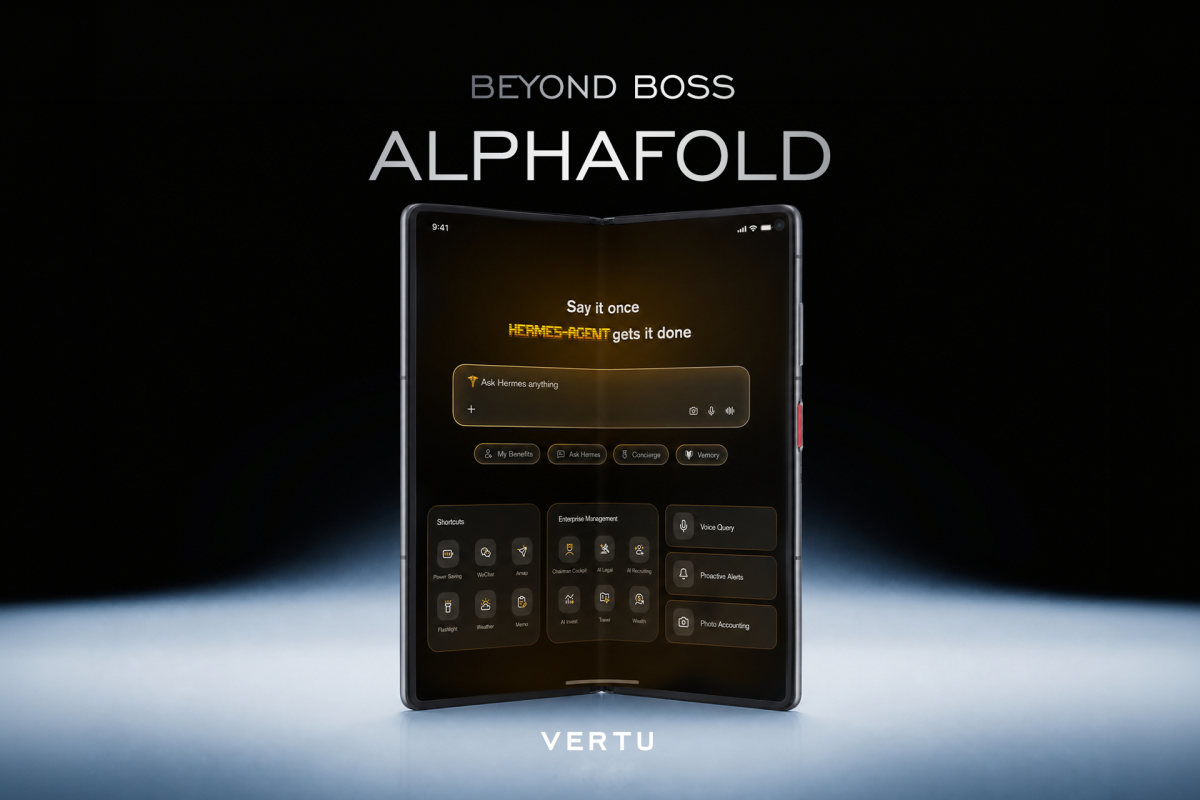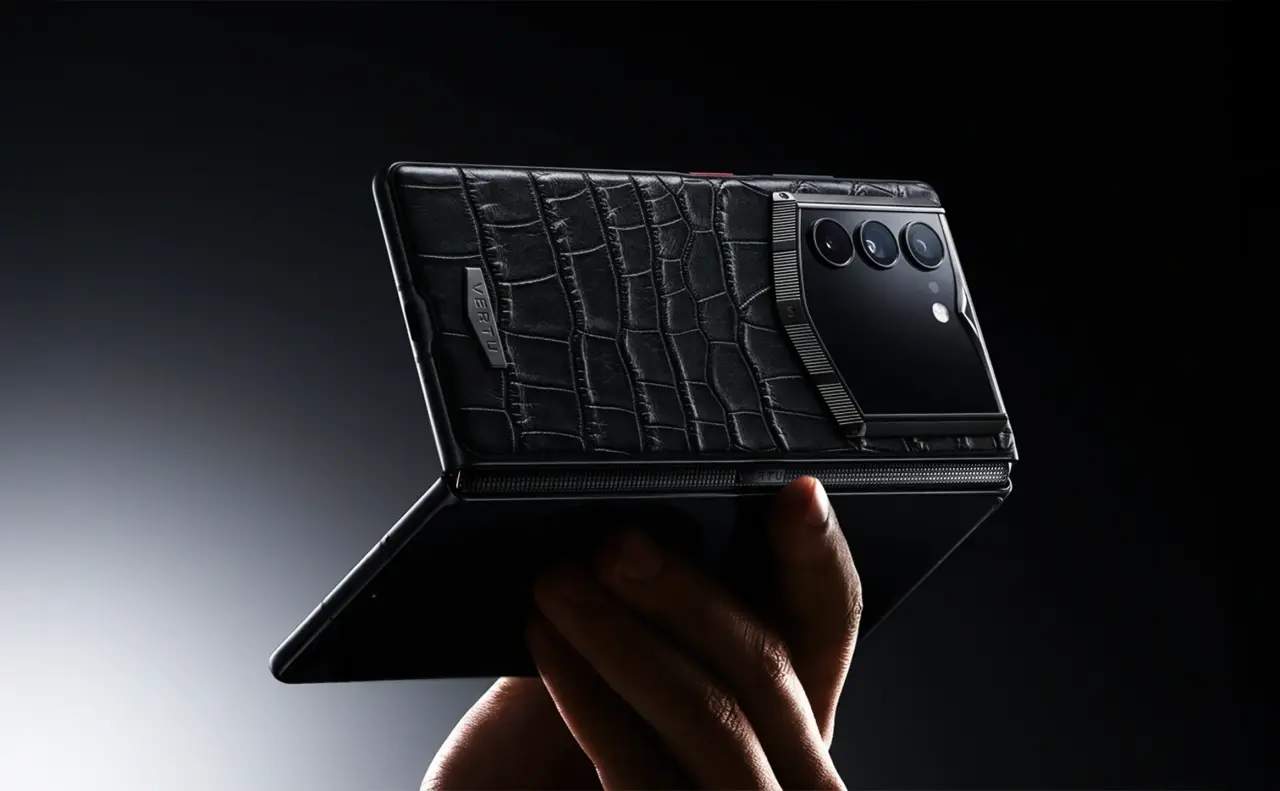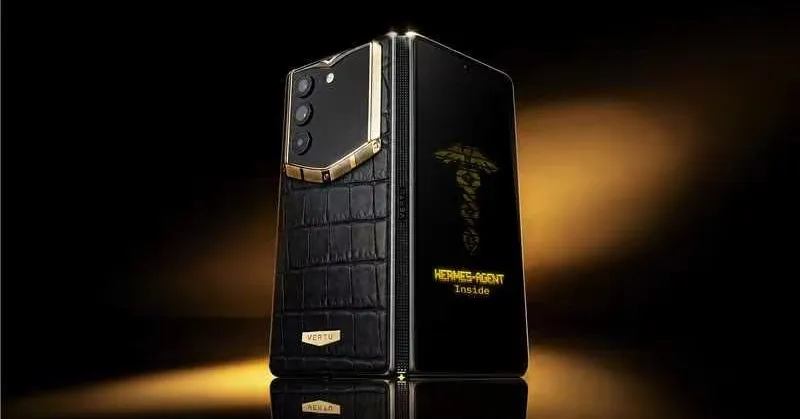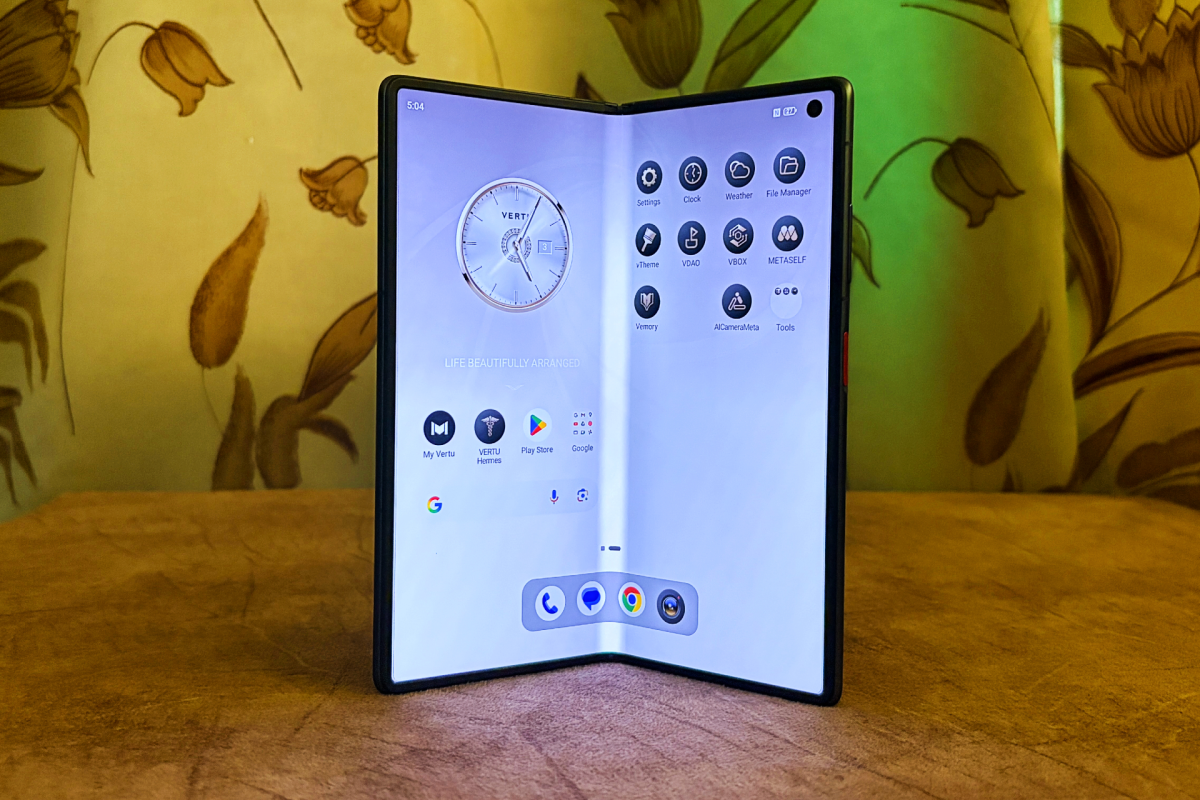
AI has become the smartphone industry’s latest battleground, with manufacturers racing to add AI-powered features to attract mainstream consumers. Vertu is taking a different path: the UK-founded luxury phone maker, known for hand-finished devices often costing tens of thousands of dollars, has built its business selling status symbols to the ultra-wealthy rather than competing on specs. Its Alphafold targets affluent buyers, particularly chief executives, pairing luxury materials with an AI agent designed to automate parts of an executive’s working day.
I decided to test that claim on its own terms. Rather than focusing on benchmark scores, camera comparisons, and media consumption — the staples of most smartphone reviews — I spent a few days using the foldable the way Vertu says its customers would: managing documents, analyzing spreadsheets and contracts, planning business trips, automating routine tasks, and relying on its AI agent as a digital companion throughout the working day. The question wasn’t whether it was a good smartphone, but whether it was a good executive smartphone.
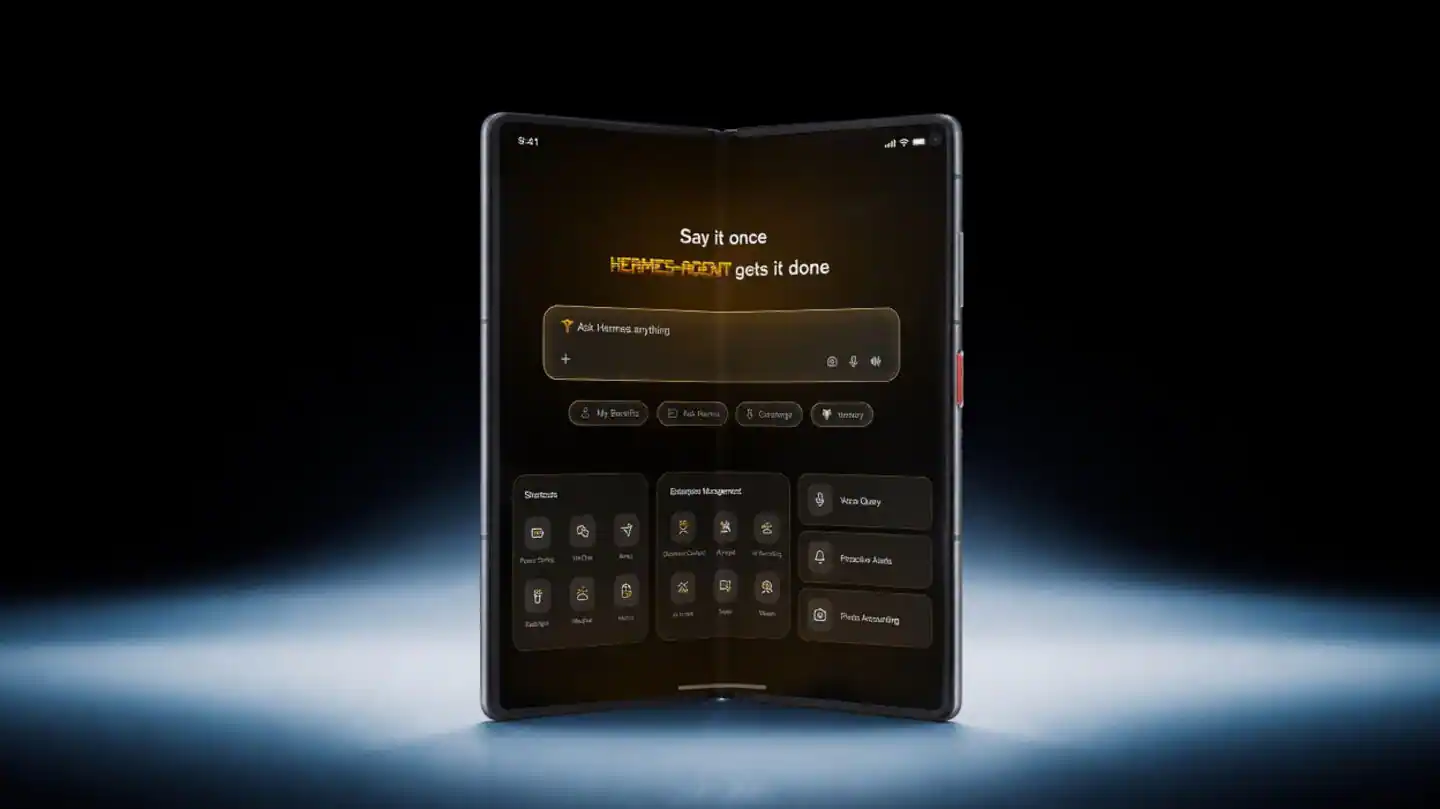
At the heart of the Alphafold is Hermes Agent, a pre-installed AI agent built on top of the open-source Hermes project, which the company says can analyze files, automate tasks across apps, remember conversations, and hand off requests to a human concierge when needed. Unlike most smartphone AI assistants that largely just respond to prompts, Hermes is designed to execute multi-step workflows on users’ behalf, making it the centerpiece of Vertu’s pitch rather than the foldable hardware itself.