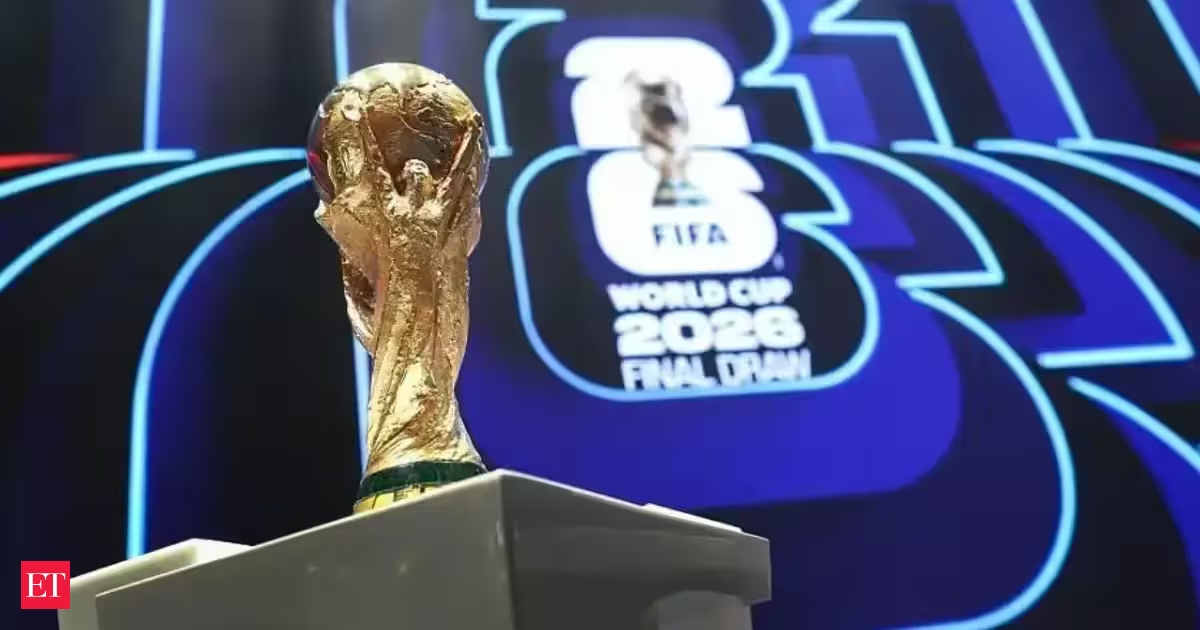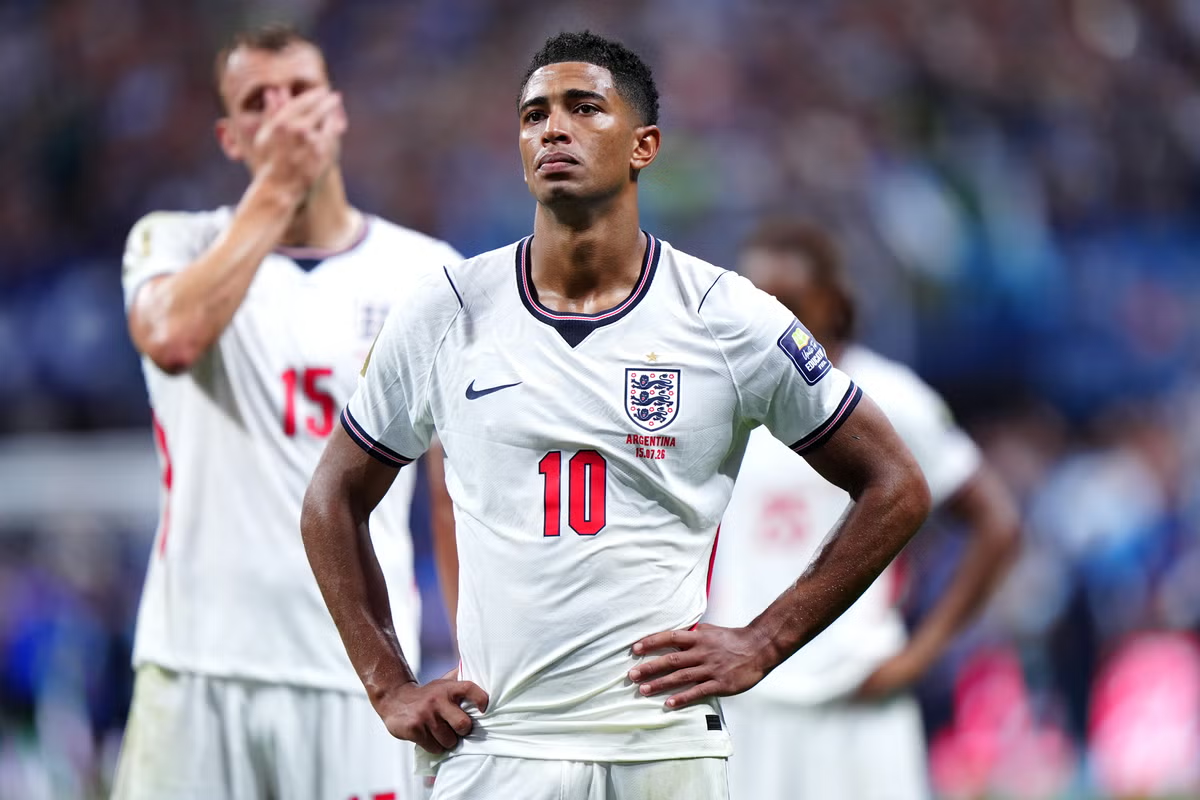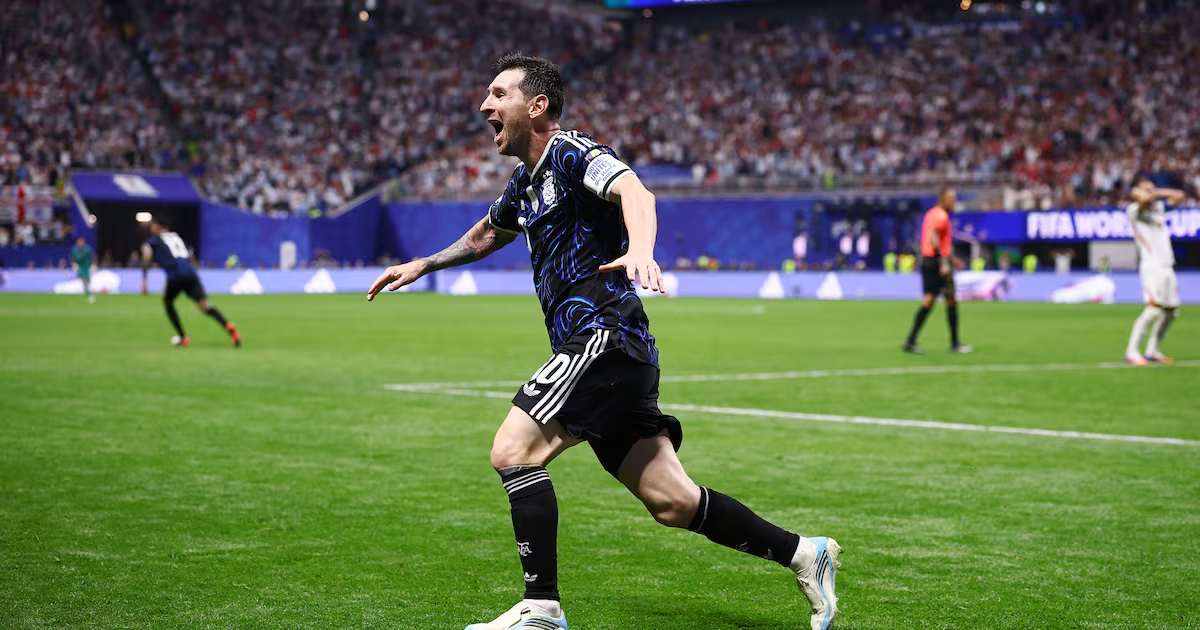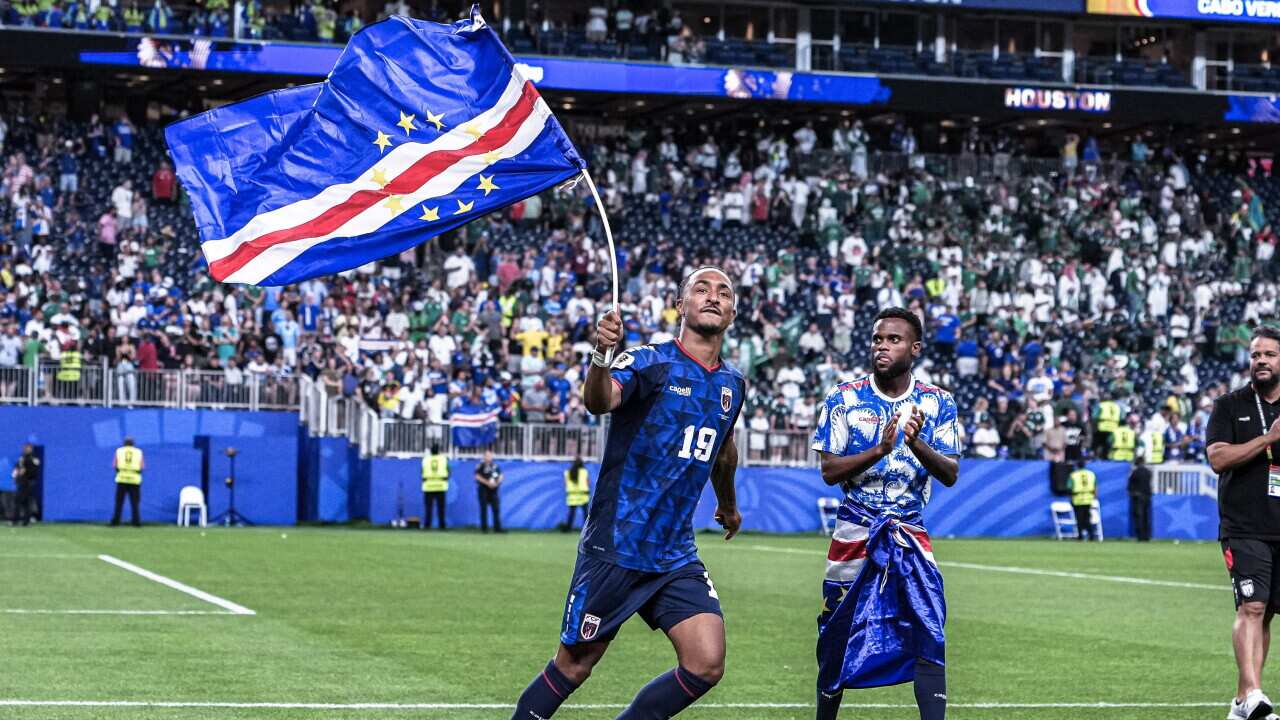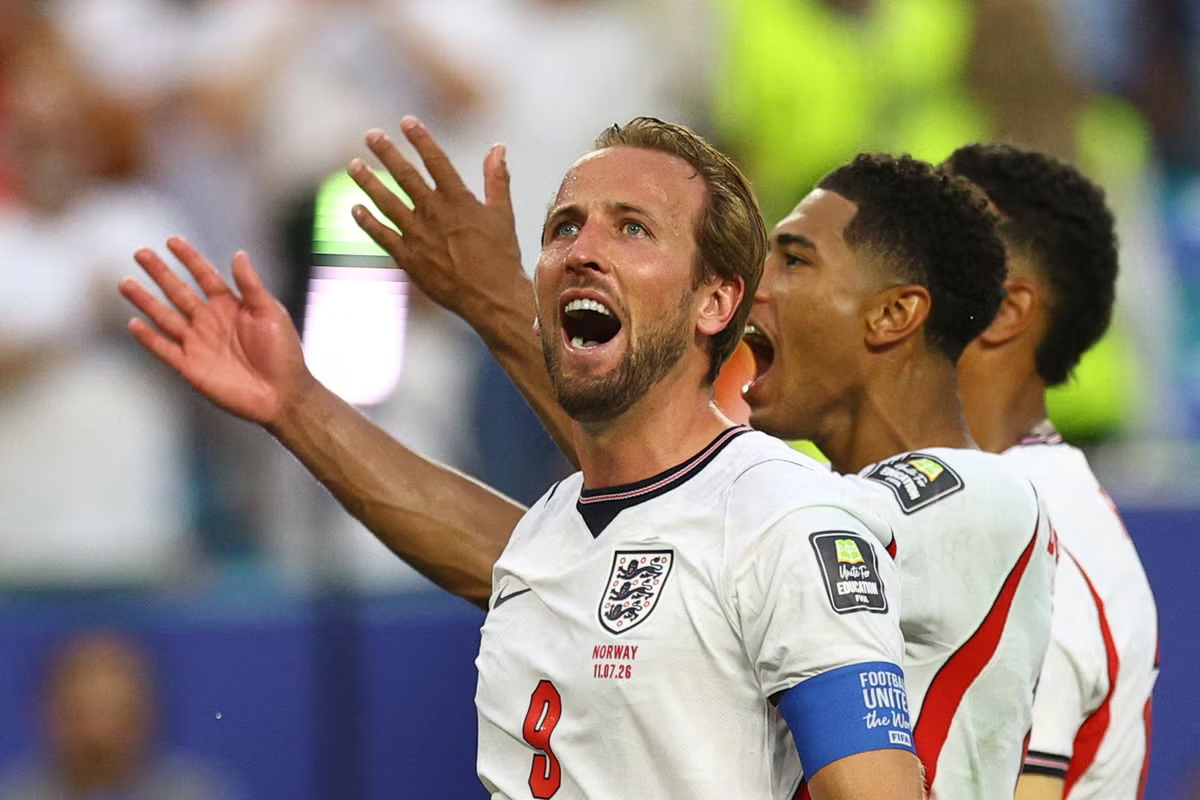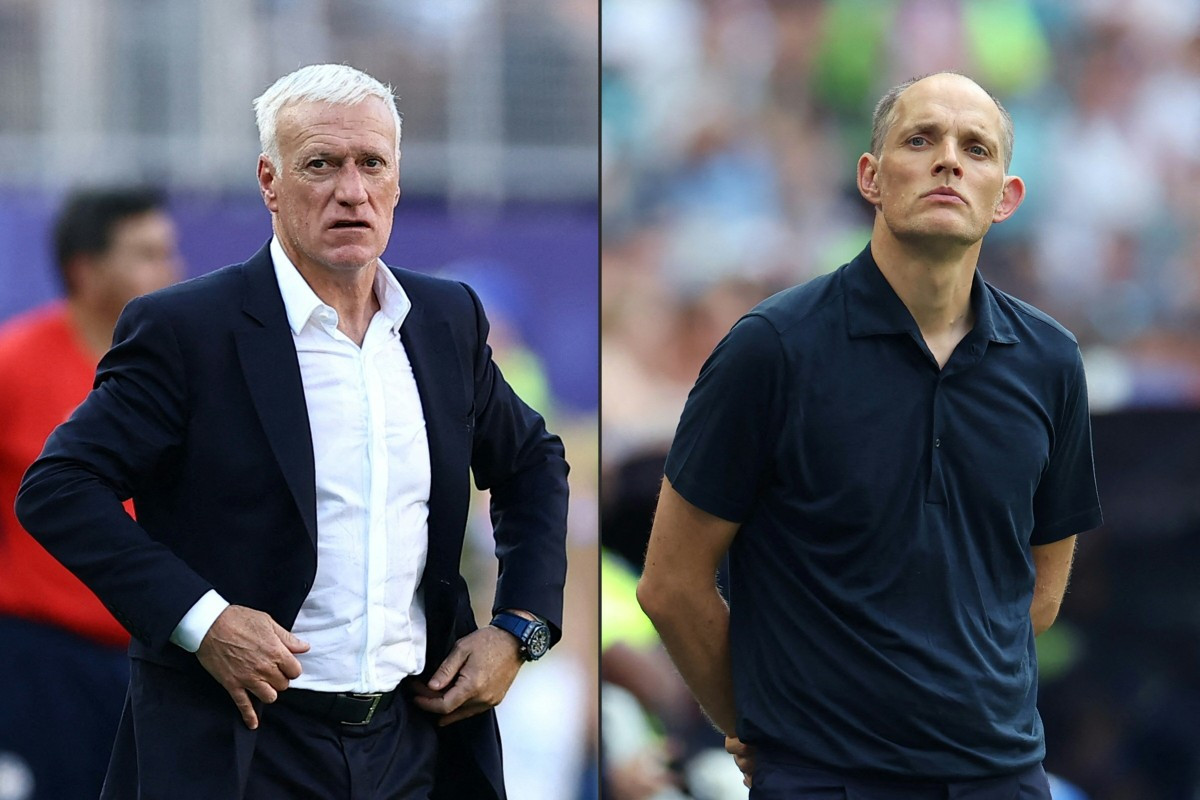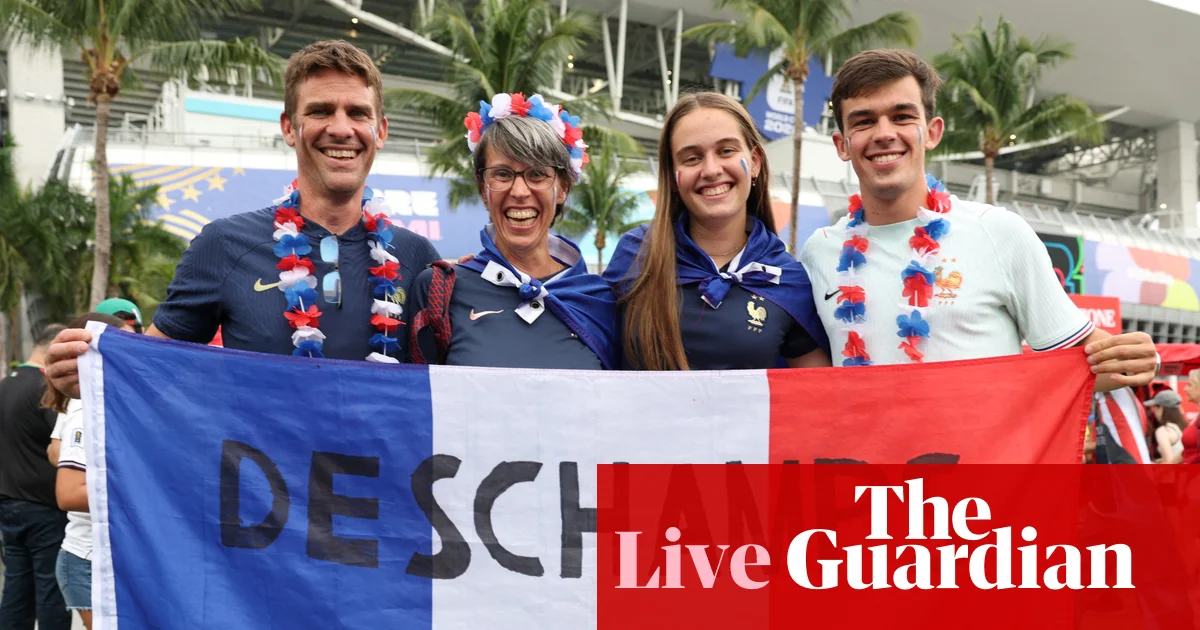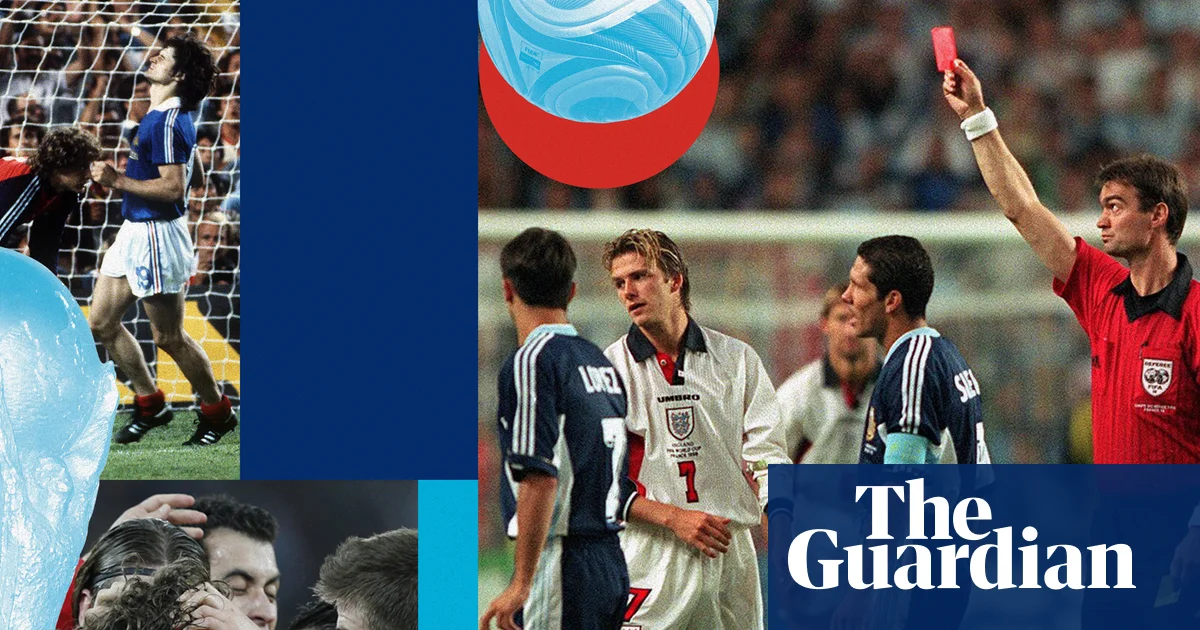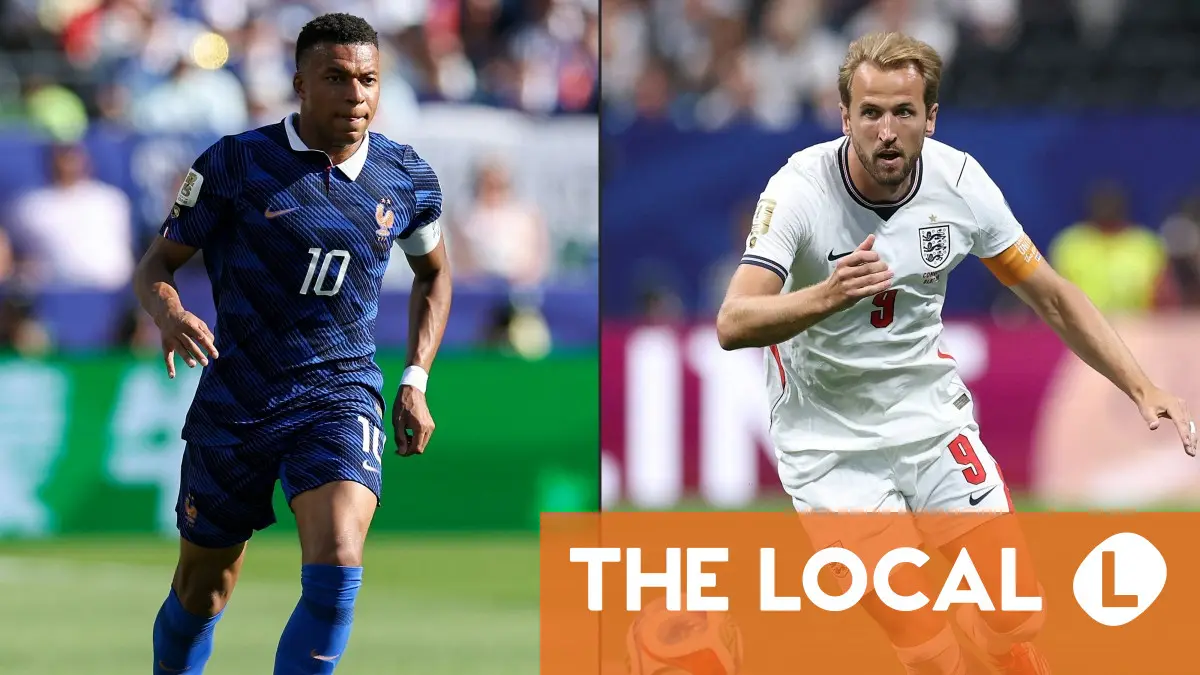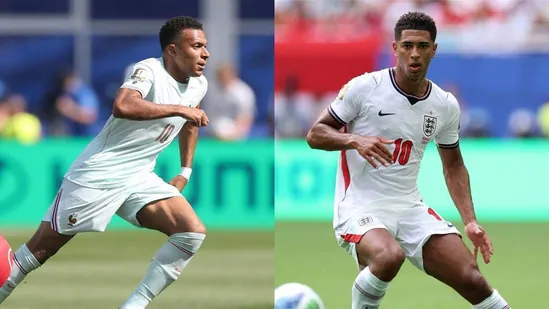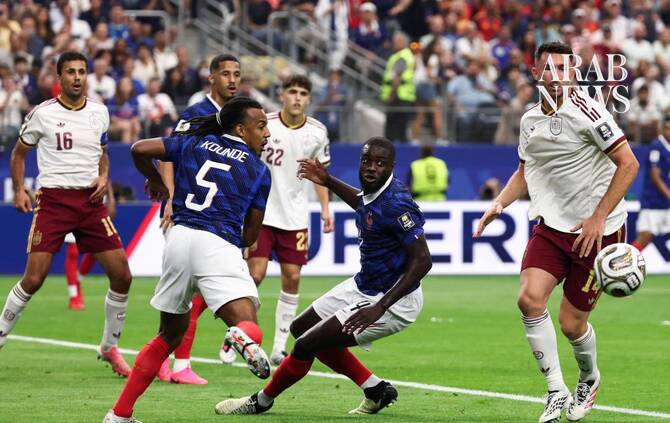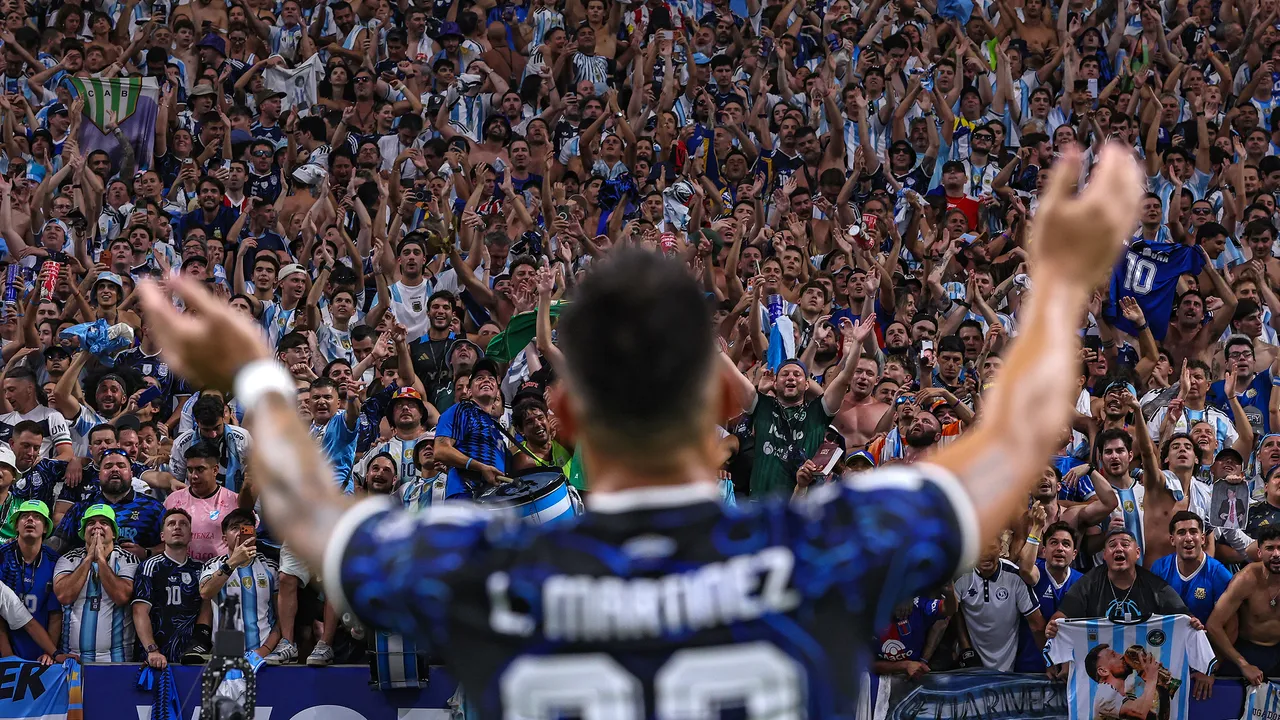
And then there were two. With a hundred and two matches completed, the 2026 World Cup is now officially on its last legs. The first leg will be the ever-popular third-place playoff, in which a couple of morose losers compete for no trophy at all and a chance to show off the superior sourness of their grapes. On this occasion, it will be France versus England, who, as history demonstrates, are the very best of friends. That should be fun.All that remains, after that, is the joy of the final, on Sunday, July 19th. This will be staged at what nobody except everybody refers to as MetLife Stadium, rechristened New York New Jersey Stadium for the purposes of the tournament. (If FIFA ran the Louvre, it would be called the Big Museum with a Picture of a Smiley Woman Inside.) There, the crowd will be treated to twenty minutes or more of Shakira, Madonna, Justin Bieber, and other sporting heroes, bracketed—purely as a bonus—by two sessions of unarmed combat between Spain and Argentina. If their tactics so far are any guide, the Spaniards will approach the game with caution and cunning, as if it were a kind of physical chess, while the Argentineans will play rugby for the first half hour and then switch to soccer, leaving their opponents bloodied and confused. The fact that the two sides converse in a common language will be no guarantee of amity. The victors, be warned, may well attempt some singing of their own at the end. It will not be in tune.Never before has a World Cup final been graced by a halftime spectacle, though FIFA did take the precaution of road-testing the idea last year, at the same venue, during the closing game of the Club World Cup, between Chelsea and Paris Saint-Germain. Whether this long pause was welcomed by the players, whose muscles were thereby granted an extended opportunity to seize up, is hard to say. To be fair, it was manna for fans of Doja Cat, Coldplay, and the other performers, who bounced around not at ground level, à la Super Bowl, but way up high, in the loftiest tiers of the stadium. Will that placement be repeated on Sunday, or do thrilling alternatives await? How about singing on the bench, next to the coaching staff and the substitutes? Just think: with one administrative glitch, we could see Shakira being brought on after sixty-three minutes to take over at left back, replacing Spain’s Marc Cucurella, the only man at the World Cup with hair more resplendent than hers.To say that Cucurella was pleased, when the Spanish side outwitted the French in the semifinal, would be an understatement. He looked like a spaniel with his tail stuck in a lamp socket. Especially gratifying was one late block that he imposed on Kylian Mbappé, who was all set to shoot, and whose frustration at being so comprehensively thwarted over the course of the match was best illustrated by a surprise attack on Unai Simón, the Spanish goalkeeper. As Simón gathered the ball, Mbappé simply ran up and jumped on him, much as a small boy might assault his older brother, in meaningless and unproductive rage, for refusing to share an ice cream.So, what happened to France in the semifinal? Since the outset of the competition, the team had been swooned over for the deftness of its skills and tipped for golden glory. In retrospect, it could be the very ubiquity of the tipping that undid them; against Spain, they seemed not so much complacent as disengaged and testy, even bored, as their opponents patiently picked them apart. The French miracle workers of the group stages—not only Mbappé but Michael Olise and Ousmane Dembélé, too—were robbed of their suavity just when they needed it most. It was the old story: the team that peaks too early, like a lothario whose youthful seductions peter out and droop in disappointment. Who now recalls the four sweet goals that France put past Norway, or the three that they scored against Sweden, back in June?But that is the way with a World Cup. The momentum is unceasing, and these final games all but wipe out what came before. I had to scour both my memory and the FIFA website, neither of them satisfactory, before rediscovering the cheekiest goal of the competition: a jerk of the instep, waist-high, from Daniel Muñoz, of Colombia, who stuck out a straight leg, caught a long ball from Luis Díaz, and helped it into the Uzbekistani goal, like somebody passing on a juicy piece of gossip. That was on June 17th.As for the nil-nil draw between Curaçao and Ecuador, three days later, no doubt every sweating tackle will be etched into the consciousness of the seventy thousand spectators who packed into Kansas City Stadium. But does anyone else remember it? The Curaçao goalkeeper, Eloy Room, made no fewer than fifteen saves, and one hopes that his post-match joke about deserving a statue will be suitably honored in stone. In World Cup lore, however, his gallantry is doomed to be overshadowed by that of his fellow-goalkeeper from Cabo Verde, Vozinha, who had already produced an uncanny impersonation of a brick wall on the fourth day of the tournament. The enemy he kept at bay? None other than Spain.At this point, a difficult duty must be done. Credit should be paid to FIFA. This, I am aware, is like buying a drink for a blackmailer. (For anyone yet to be persuaded, I recommend a deeply researched and withering book by my colleague Heidi Blake, in collaboration with Jonathan Calvert. The title doesn’t hold back: “The Ugly Game: The Corruption of FIFA and the Qatari Plot to Buy the World Cup.”) Nevertheless, when it comes to 2026, one of FIFA’s initiatives turned out better than feared: the inclusion of forty-eight teams at the start of the contest. Though much derided in advance, this expansion of the rubric did mean that Cabo Verde swam into our ken. Earth was, albeit briefly, a happier and more entertaining planet thanks to Sidny Lopes Cabral, the Cabo Verde defender, who took aim from the outskirts of the penalty area and curled a beauty into the furthest nook of the net. With that perfect parabola, Cabo Verde drew level with Argentina, in extra time, on July 3rd. The whole purpose of underdogs, as revealed in such instances, is to snap at the status quo. Nothing is more gratifying, in sports as elsewhere, than the sight of overdogs with their tails between their legs.How sad it was, then, to feel this fine air of geographical diversity begin to dissipate, as the competition thinned from forty-eight teams to thirty-two, and thence into the knockout stages, and so on. The problem with the World Cup, in short, is that it’s still not very worldy. Consider the eight teams that made it to the quarterfinal; six of them were from Europe. Africa was represented by Morocco, Asia by nobody at all. What survived of the Americas, of course, was Argentina, which will doggedly carry on pinging the ball around the central midfield in the wake of a nuclear winter. Lionel Messi would skip past an asteroid. So it was that the smart money that had been placed on Japan, Côte d’Ivoire, and other promising squads, in the hope of something other than the obvious, slipped down the drain.There’s more to it than that, though. With every World Cup, the possibility that a genuine surprise will be sprung, either at the collective or the individual level, is shrinking. (Hence our relief, not merely our delight, at the spectacle of Vozinha.) Any truly exceptional player, from anywhere, is likely to have been scouted, signed up, and shipped to the Premier League, La Liga, Ligue 1, the Bundesliga, or Serie A, long before he takes the field on the global stage; in a sense, indeed, he already is a global figure, because all of those leagues are televised across the galaxy. I was as poleaxed as anyone by the volley that James Rodríguez struck for Colombia, against Uruguay, in the 2014 World Cup, and immediately texted a friend: “Who is this boy? Where did he come from?” Back came a reply: “Been playing for Porto since 2010. Now with Monaco. Try to keep up.” On the strength of that tournament—and, in part, of that volley—Rodríguez was signed to Real Madrid, for a reported eighty million dollars or more. The star had become a supercog. Welcome to the machine.In other words, there is no recapturing the mythological—and curiously innocent—gleam of earlier World Cup eras. Part of the allure of Pelé, say, was that, unless you lived in São Paulo, and saw him work regular wonders for his club, Santos, you barely glimpsed the guy. It’s true that Santos sometimes went on tour, playing friendlies against European clubs, but, for the most part, only on fuzzy and flickering TV sets, every four years, from 1958 to 1970, did the rest of us have a chance to witness Pelé in his prime. Needless to say, it was precisely such rarity that enriched his lustre. That is unthinkable today. Call it the sporting equivalent of James Bond movies; whereas viewers watching “From Russia with Love,” in 1963, could sigh and say, “So that’s what Istanbul looks like. Lucky 007,” their descendants will yawn and show you the batch of selfies that they took at the Blue Mosque last weekend. In a bold move to stretch the boundaries, some of “Moonraker” was set in space, but that—as yet—is an option unavailable to Gianni Infantino, the balding Bond villain of FIFA. Even if he tried, it would end with Argentina beating Jupiter on penalties. Aliens would weep in the stands.In one respect, this World Cup was like any other. That is to say, it was preceded by soothsayings of unparalleled gloom, which faded at the first kick of a ball. Although there were sound reasons for boycotting both Russia, in 2018, and Qatar, in 2022, earthlings still tucked their consciences into their back pockets and showed up. As for coming to America in 2026, who would shoulder the exorbitant costs and the travel challenges, let alone the risk of being pulled out of a line at the Atlanta airport, interrogated, and sent back home for joking about penalty shoot-outs? And the answer was: pretty much anyone who could.The United States, as a nation, had a spiffy World Cup. If it has not, internationally, enjoyed a favorable press in recent years, here was a chance to reset. Attendance at most games was excitedly high. Host cities hoisted the flags of the visiting teams that were based there. When the University of Kansas marching band takes the time to learn the Algerian national anthem, in order to play it at the training ground where the Algerian squad is being put through its paces, you can safely say that a long, ingrained tradition of hospitality is alive and flourishing. This is not the America that the rest of the world expected. It is not the America that President Donald Trump has in mind. It is, however, the America that has been there all along. Give me your tired, your poor, your huddled masses of Scotsmen yearning to breathe beer in every bar in Boston.The United States, as a soccer team, had an equally spiffy World Cup, right up to the moment when it didn’t. It beat Australia, in style. It beat Bosnia and Herzegovina. It even beat Paraguay, a bunch of footballers so creatively hostile that in a later encounter, with France, they were all foot and no ball, cheerfully booting any part of a Frenchman, hard or soft, that came their way. The American Dream was intact, in fact, until the sixty-fourth minute of the game with Bosnia, when Folarin Balogun was sent off. We know what ensued. One touch of Trump, and the dream caved in. The red card was rescinded; the team was unmoored; conspiracies grew overnight, like mushrooms; and a merciless Belgium swept in and trampled, 4–1, on what remained. Trump, true to form, was unabashed, and he may yet develop a taste for the eccentric purging of misdemeanors. If a God-fearing Texan woman, in a rented Alfa Romeo, picks up a couple of speeding tickets on the autostrada outside Florence, will she now be able to put in a call to the White House and have them annulled?The moral, you might say, is clear enough: if only the Commander-in-Chief had stuck to cage fighting, on his lawn, and never poked a toe into soccer, history would have followed a smoother track. It’s a fair point, but, then, the whole of the World Cup has been a writhing mass of if-onlys and near-misses and what-ifs. Those penalty takers, for instance, who favored a stop-start run-up, to no avail, must now be ruing their decision; I haven’t seen so much stuttering since “The King’s Speech.” As for poor Akam Hashim, of Iraq, he will, I suspect, lie awake for years to come, haunted by his ghost goal: a heavenly volley against Norway, on June 16th, which skimmed over the crossbar but seemed, by dint of an optical illusion, to bulge the back of the net. For all of Senegal, meanwhile, the trauma of July 1st will be crueller still. Had their team shut up shop, barricading their goalkeeper behind ten defenders, when they were up 2–0 after eighty-five minutes against Belgium, they would have avoided the paralyzing shock of losing 2–3. Their coach, Pape Thiaw, was subsequently sacked, and one can picture the memo that will land on his successor’s desk: “Your country needs you. Dare to be boring.”Then, there was Switzerland’s striker Breel Embolo, who was sent off in disgrace for diving, just when his team had Argentina on the run in the quarterfinal. Why did the Swiss Federal Council not do the strong, ethical thing and send a pleading text to Trump, with a lifelong vow of free chocolate if he overturned the ban? Visions of a similar scenario arose during England’s agonizing match against Argentina, in the semifinal. Afterward, the triumphant Argentineans waved a banner laying claim to the Falkland Islands, but surely what was required, late in the game, was a quiet word from Harry Kane in Messi’s ear, offering to hand over the Falklands in exchange for a penalty kick. No one back in England, from the King downward, would have begrudged the arrangement. “Here’s the deal. We get the final, and they get the sheep. Nice.”Everybody who sat through the 2026 World Cup will come away with something to treasure. It doesn’t have to be a goal, or a shin-scraping tackle, or even a player on the pitch; a head coach will suffice. Whom would you trust more, in that regard: Spain’s Luis de la Fuente, who resembles a bank manager pondering your application for an overdraft, or Ecuador’s Sebastián Beccacece, who appears to have escaped from the set of “Zoolander”? The first is now striding toward the final; the second is out of a job.Personally, I cling to the interview that the England coach, Thomas Tuchel, gave soon after the game against Norway, at Miami Stadium, on July 11th. Far from praising his team, who had just fought back for a gruelling 2–1 victory, he lambasted them for being “sloppy” and making “a lot of technical mistakes.” What was magnificent was that he said such things in the land of the soccer mom. No wonder the speech went viral. It could yet prove transformative. Picture the scene: all over the country, proud parents, hitherto liable to stand on the touchline and cry out, “Good job!” and “You’re the best, Mikey!” will simmer in wrathful silence until the end of the match. Only then will their hapless offspring receive the verdict, delivered in fluent Tuchelese: “Yes, you won, but you deserft to lose. Your technical performance was not up to scratsch. You haff to improof. Mikey, I luff you, but you’re the wurst.” Maybe, after all, the World Cup can change the world. ♦
How Worldy Is the World Cup?
With every tournament, the possibility of a genuine surprise is shrinking.
2,688 words~12 min read