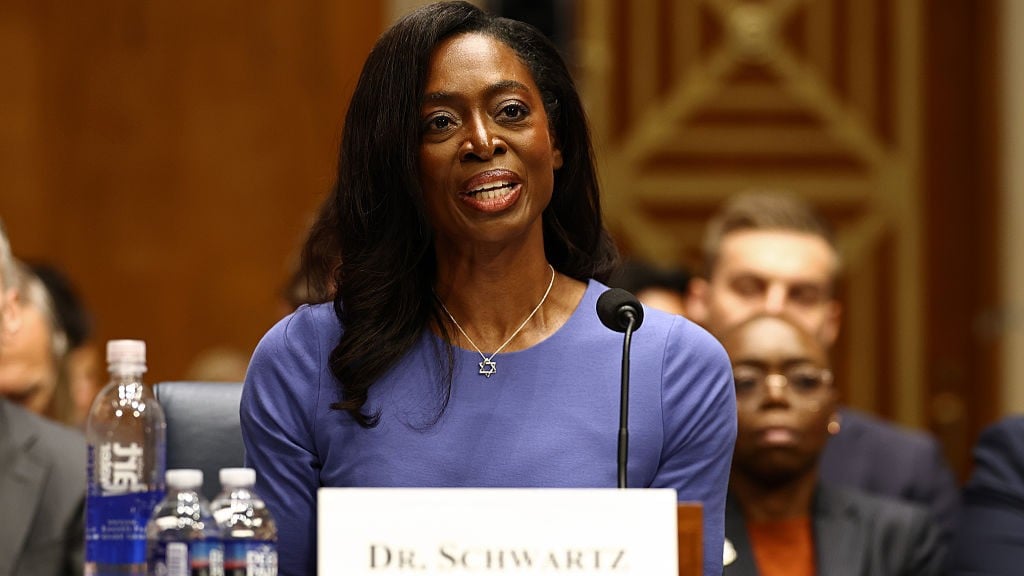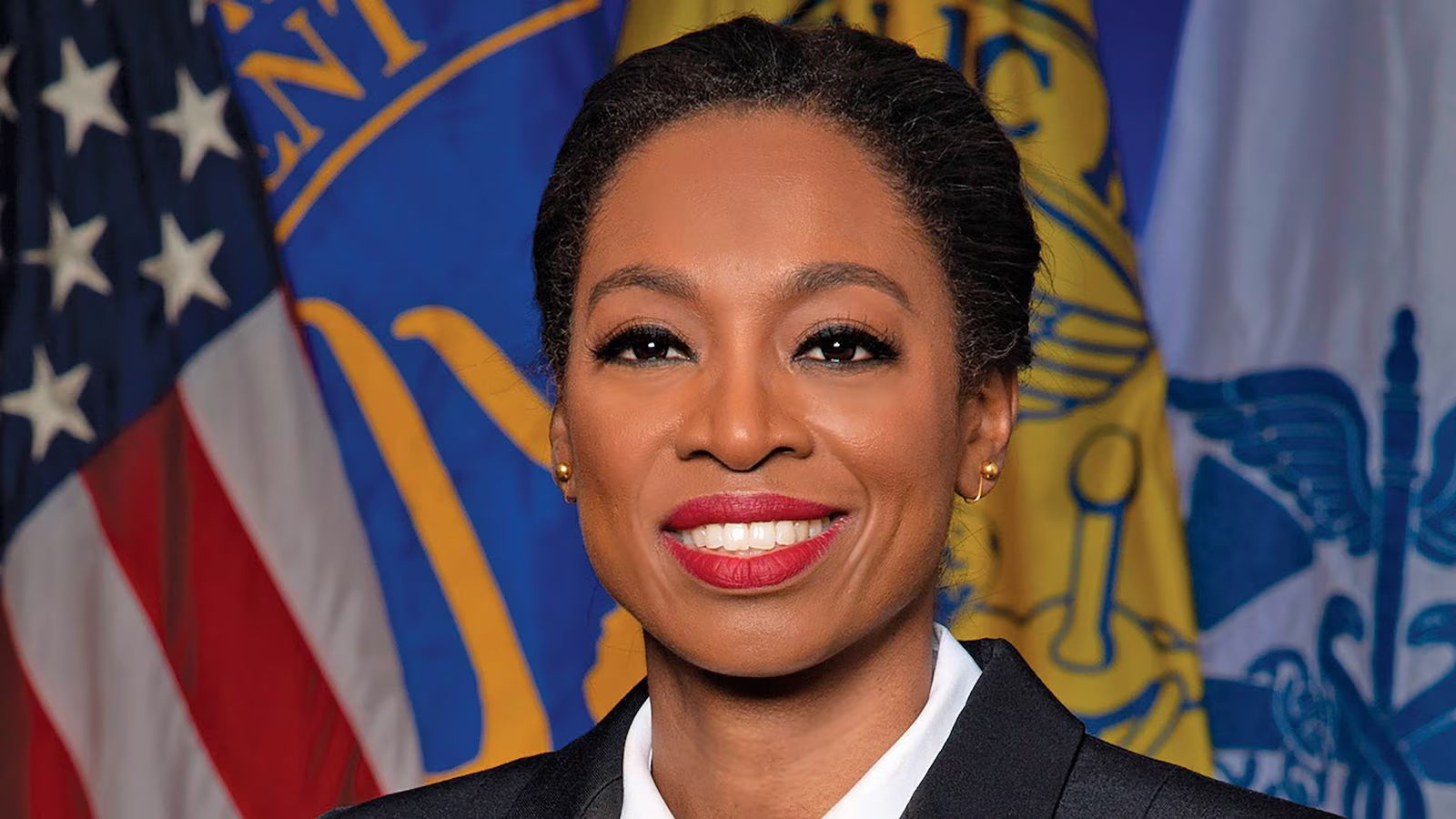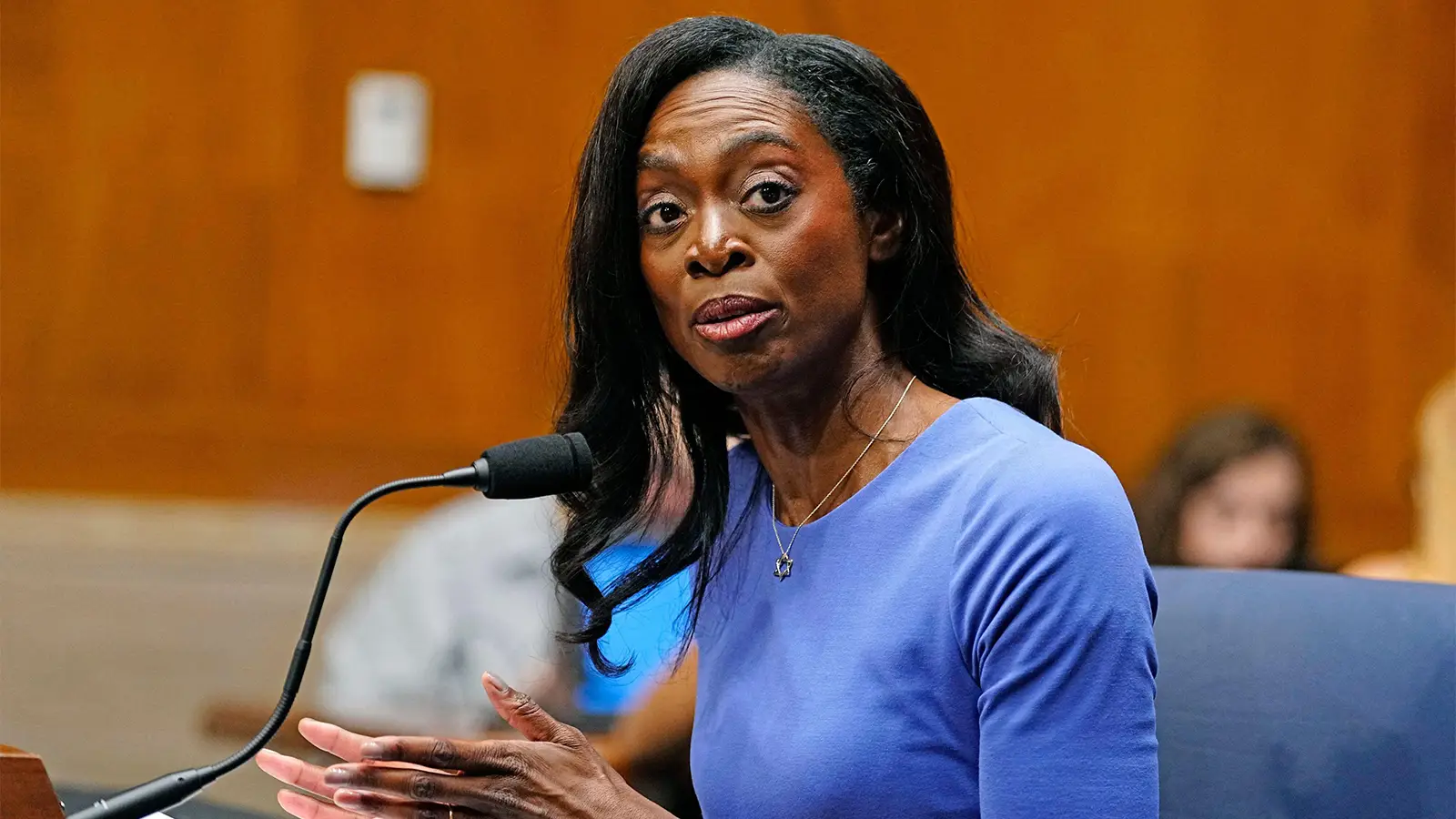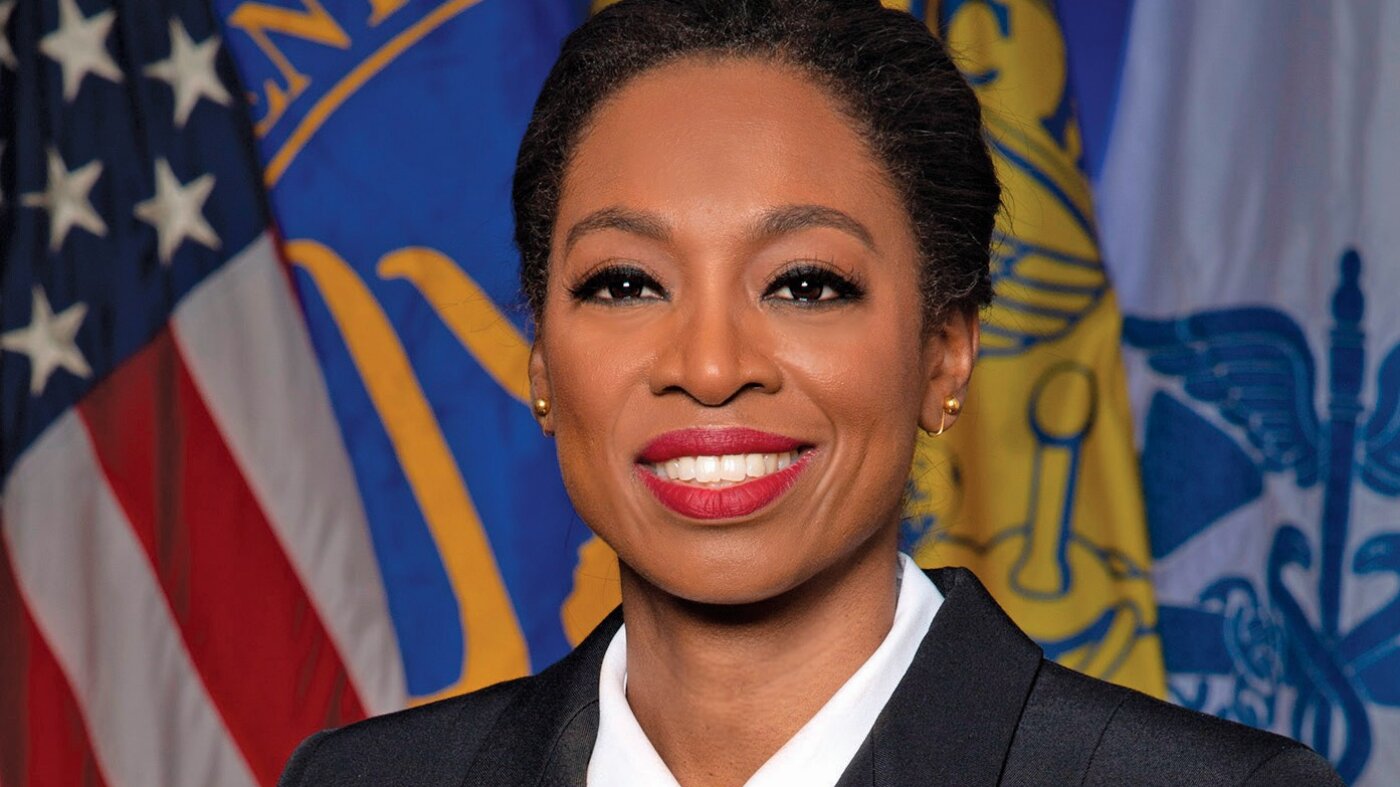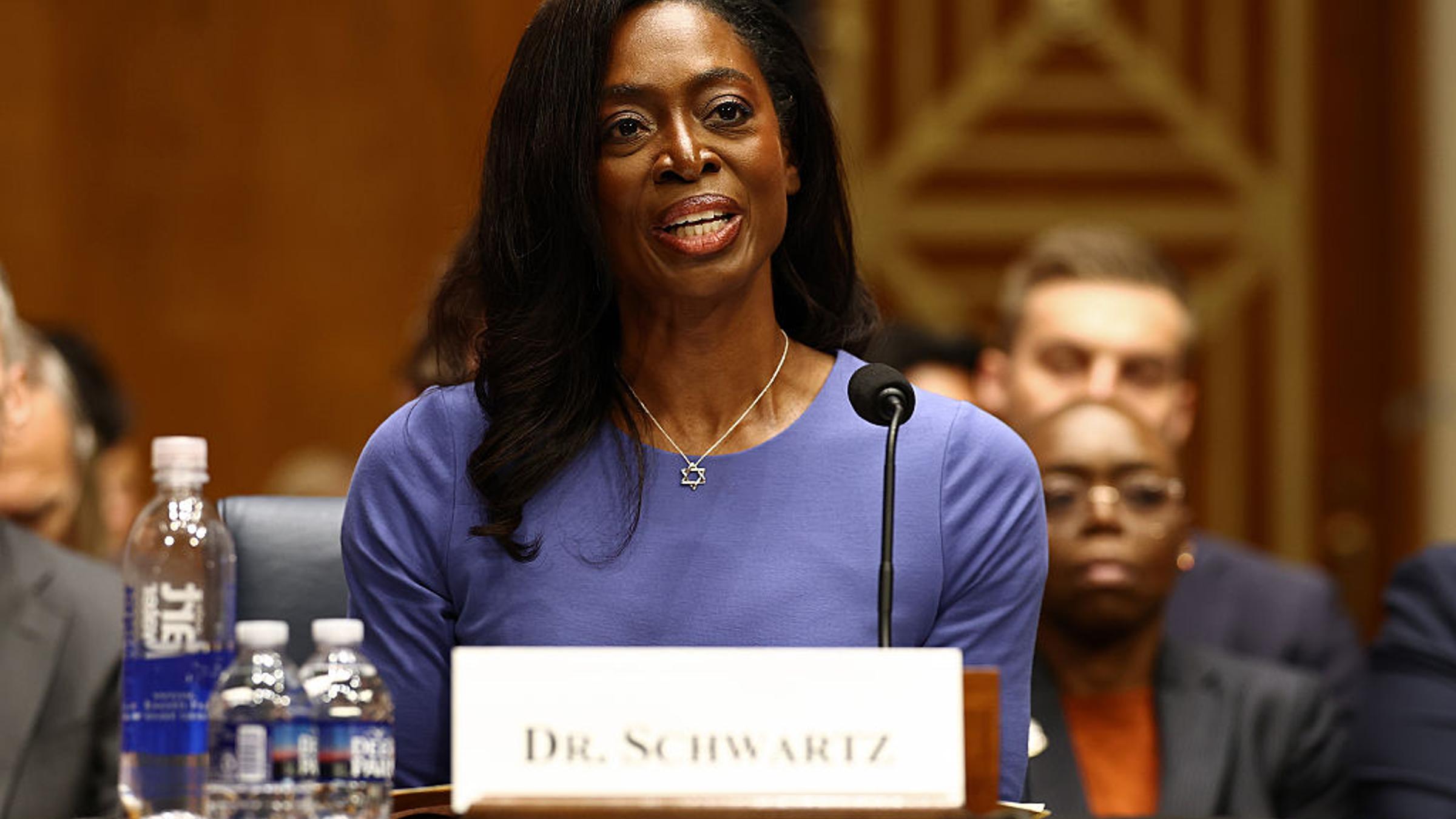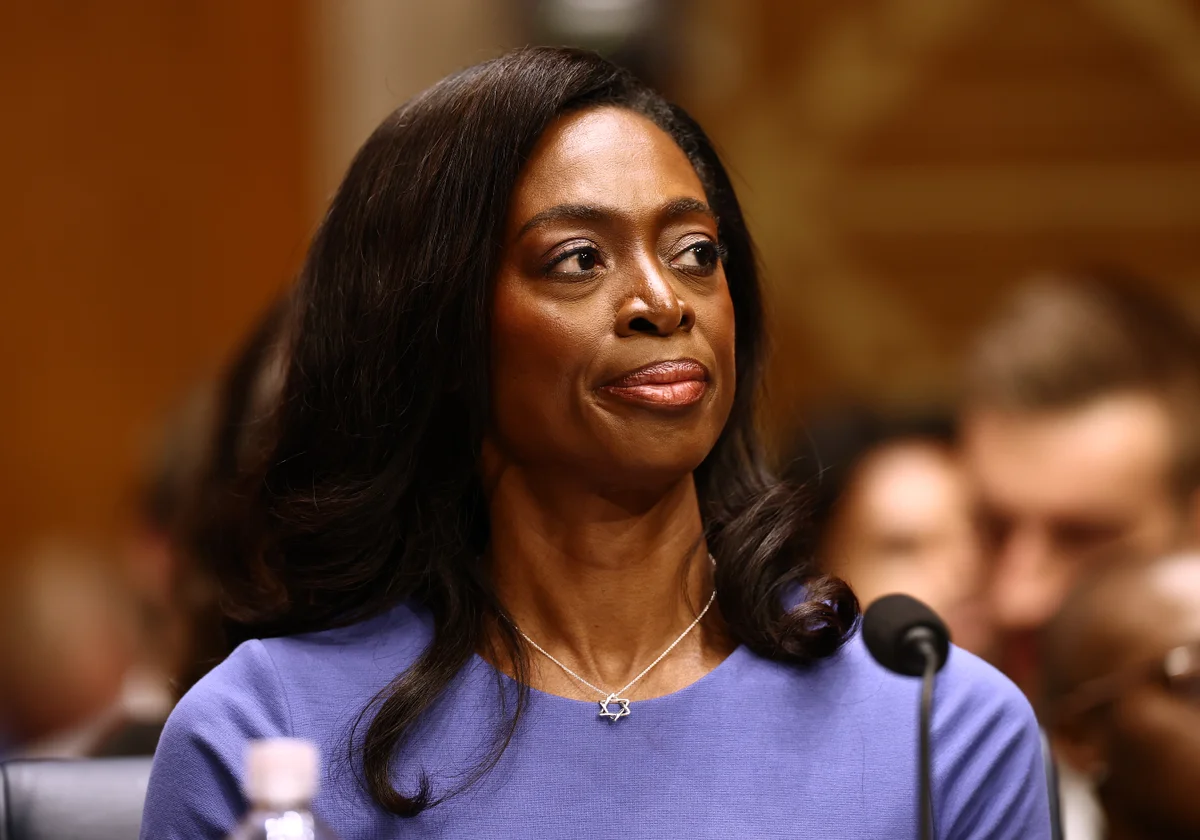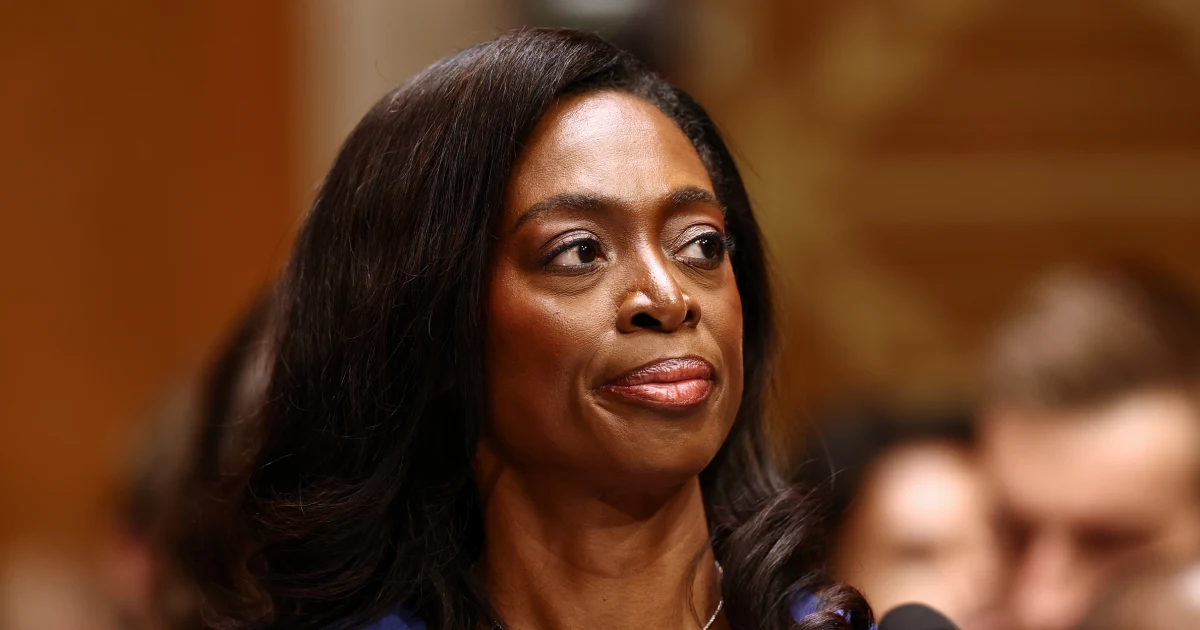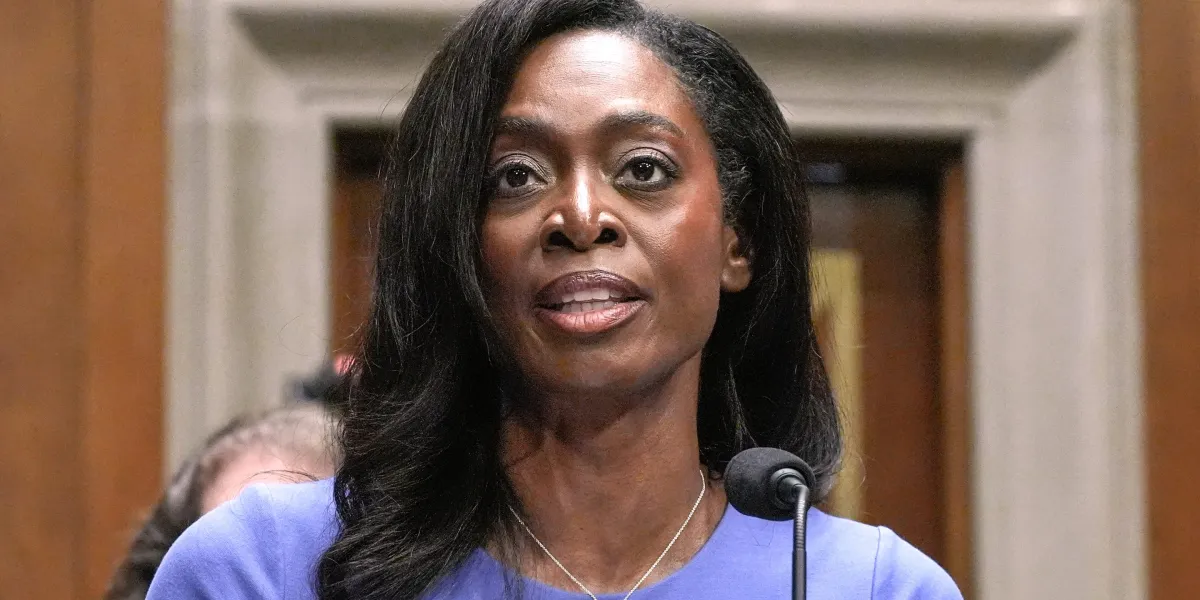
Josh Walkos on X | WeTheFree.substack.comWhen Erica Schwartz left federal service in April 2021, she cashed in quickly.Within weeks, the former Deputy Surgeon General joined the board of Aveanna Healthcare. By September, she had secured another board seat at medical-technology company Butterfly Network. In October, she became President of Insurance Solutions for UnitedHealthcare’s Medicare and Retirement business.In roughly six months, Schwartz moved from the upper reaches of the federal public-health establishment into three lucrative positions within the corporate healthcare economy. She received executive compensation, corporate retainers, stock awards and substantial equity interests. Now, President Trump has nominated her to return to government as director of the Centers for Disease Control and Prevention.The revolving door has completed another rotation.That does not prove corruption. It does not establish that Schwartz violated federal law, secretly worked for Pfizer or personally manipulated public-health policy to enrich a corporation. The concern is more structural and therefore more difficult to dismiss.Schwartz spent decades acquiring authority inside government. She then converted that experience into considerable value inside industries heavily shaped by government policy. If confirmed, she will return to federal power after receiving financial benefits from companies whose operations intersect with insurance, Medicare Advantage, prescription drugs, medical devices, Medicaid, home healthcare and federal public-health guidance.The question is not whether she possesses the credentials to lead the CDC.The question is whose instincts, loyalties and interests those credentials have been trained to serve.A Résumé Built for Institutional PowerSchwartz is, on paper, extraordinarily qualified.She earned a degree in biomedical engineering and a medical degree from Brown University, followed by a Master of Public Health from the Uniformed Services University of the Health Sciences. She later obtained a law degree from the University of Maryland and was admitted to the District of Columbia Bar.She began her medical career in the Navy, later transferred to the United States Public Health Service Commissioned Corps and was detailed to the Coast Guard. She ultimately reached the rank of rear admiral and served as the Coast Guard’s Chief Medical Officer, overseeing a healthcare system that included 41 clinics and approximately 150 sick bays. She became Deputy Surgeon General in March 2019 and remained in that position until April 2021.Her career was not centered on bedside medicine. It was rooted in preventive medicine, occupational health, emergency response, disease surveillance, medical readiness and the administration of large health systems.That distinction matters because the CDC is not merely a laboratory or collection of scientists. It is a massive administrative institution whose guidance can influence clinical practice, insurance coverage, vaccine policy, emergency powers, data collection and billions of dollars in public and private healthcare spending.Schwartz’s background is therefore highly relevant. She understands how the federal health apparatus operates because she spent most of her adult life inside it.Vaccination as Command PolicyVaccination was not a peripheral feature of Schwartz’s government career.While serving in the Navy, she was chief of both an occupational medicine clinic and an immunization clinic. At the Coast Guard, she instituted an adenovirus vaccination program and helped establish disease-surveillance, serology-screening and respiratory-illness programs.Her official biography also credits her with writing the Coast Guard’s first force-health policies governing anthrax vaccination, smallpox vaccination and pandemic influenza, along with policies covering quarantinable diseases, HIV and medical readiness.This does not mean she designed civilian COVID vaccine mandates. The most controversial federal employment and military COVID vaccination requirements were enacted after she left government in April 2021.It does, however, establish her underlying philosophy.Schwartz came from a command-oriented medical system in which vaccination, quarantine and disease surveillance were instruments of operational readiness. In a military environment, individual consent is often subordinate to the perceived needs of the mission.Whether that mindset translates appropriately to civilian public health is a legitimate question. The CDC does not command American citizens as an admiral commands a force. Yet the agency’s pandemic-era behavior repeatedly blurred the distinction between issuing public guidance and imposing a national medical doctrine through employers, schools, travel restrictions and government contractors.Schwartz’s record suggests she is not a traditional vaccine skeptic. Before her nomination, Reuters reported that she had no public history of opposing vaccination. Her career instead reflects conventional institutional confidence in vaccines as tools of population health and operational control.Her Role During COVIDSchwartz served as Deputy Surgeon General when COVID arrived in the United States.In her confirmation testimony, she identified national testing access as one of her central pandemic responsibilities. She told senators that her team designed and operated federal drive-through testing sites across all 50 states, Puerto Rico and Washington, D.C., ultimately testing nearly 11.5 million people.That is substantial operational experience, and supporters can reasonably point to it as evidence that she understands emergency response.It also means the testing system cannot be treated as something that merely occurred somewhere in the federal bureaucracy while Schwartz happened to hold an impressive title. By her own account, she helped design and operate it.A 2020 Reuters investigation documented serious failures at federal testing sites in New Orleans. Patients waited extended periods for results, local authorities struggled to determine which patients had been notified and state officials complained that the federal notification system left them without the information necessary to conduct public-health follow-up.Reuters identified Schwartz as the ordering physician for federal drive-through testing in the region. When Louisiana official Joseph Kanter raised concerns in a March 23, 2020 email, Schwartz reportedly responded that the federal call center would not communicate with state or local health departments and that Louisiana should use its ordinary procedures for notifying patients.The problem was that local authorities said they did not possess all the federal testing information and had believed the federal call center was handling those notifications.It was a bureaucratic circle familiar to anyone who has watched government institutions fail under pressure. One arm collected the samples, another processed the tests, a contractor notified some patients, local departments were expected to conduct follow-up, and nobody appeared to possess a complete picture of what the others were doing.The available evidence does not support claiming that Schwartz single-handedly sabotaged the testing program. Federal officials defended the initiative, Louisiana desperately needed more testing capacity and some local officials described Schwartz and federal testing coordinator Brett Giroir as helpful.The reasonable conclusion is narrower. Schwartz occupied a direct operational role in a federal testing system that experienced documented communication and notification failures. That record deserves scrutiny when she now promises that her leadership of the CDC will be defined by transparency, speed and accountability.The Corporate LandingSchwartz left the federal government in April 2021.In May, Aveanna Healthcare appointed her to its board of directors. Aveanna provides pediatric and adult home nursing, therapy, home health and hospice services. Its business is affected by government reimbursement systems, including Medicare and Medicaid.In September 2021, Schwartz joined the board of Butterfly Network, which develops semiconductor-based handheld ultrasound technology and associated software.The following month, she became President of Insurance Solutions at UnitedHealthcare. Corporate materials described her role as part of UnitedHealthcare’s Medicare and Retirement business, placing her inside a division intimately connected to federal healthcare programs and regulation.This was not an incidental consulting arrangement.Schwartz became a senior executive at America’s largest healthcare conglomerate while simultaneously serving on the boards of two publicly traded healthcare companies.The same public-health expertise accumulated through decades of government service had become a valuable corporate commodity.Again, there is nothing inherently illegal about that. Companies routinely recruit former government officials because they understand regulation, procurement, institutional culture and the complex relationship between government and industry.That is precisely the problem.The revolving door does not require a briefcase of cash passed beneath a restaurant table. Its currency is access, experience, relationships and the ability to anticipate how government will behave. Officials learn the system from the inside, convert that knowledge into private compensation, then sometimes return to government with deeper connections to the industries affected by their decisions.The arrangement may be perfectly legal while remaining corrosive to public trust.
The Revolving Door Comes For The CDC
Erica Schwartz left federal service, entered the corporate healthcare machine, and is now asking to return as the Director of the CDC.
3,120 words~14 min read