July 17, 2026 / 4:56 PM EDT
/ CBS News
Add CBS News on Google
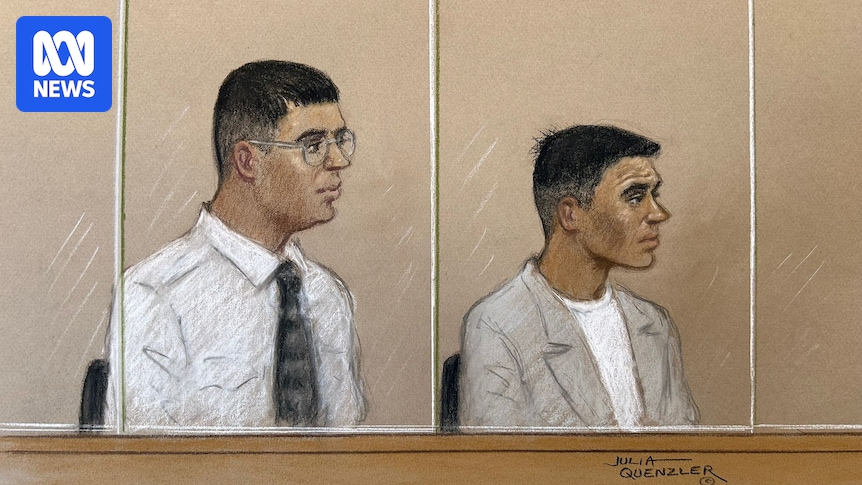
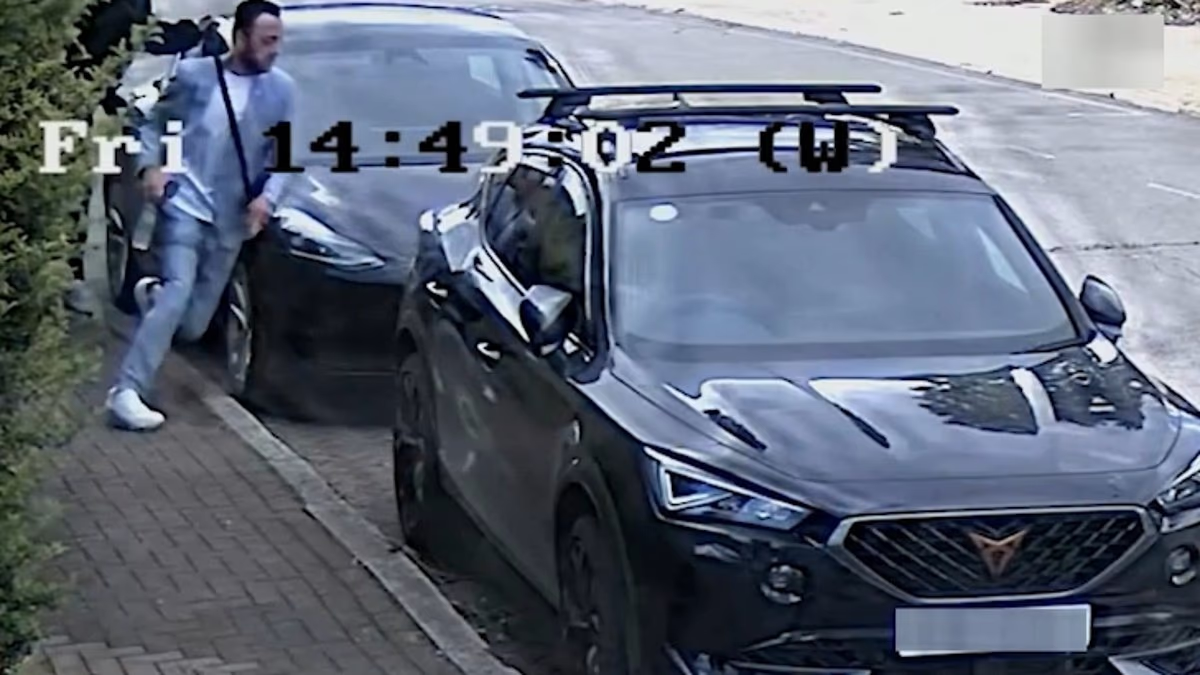
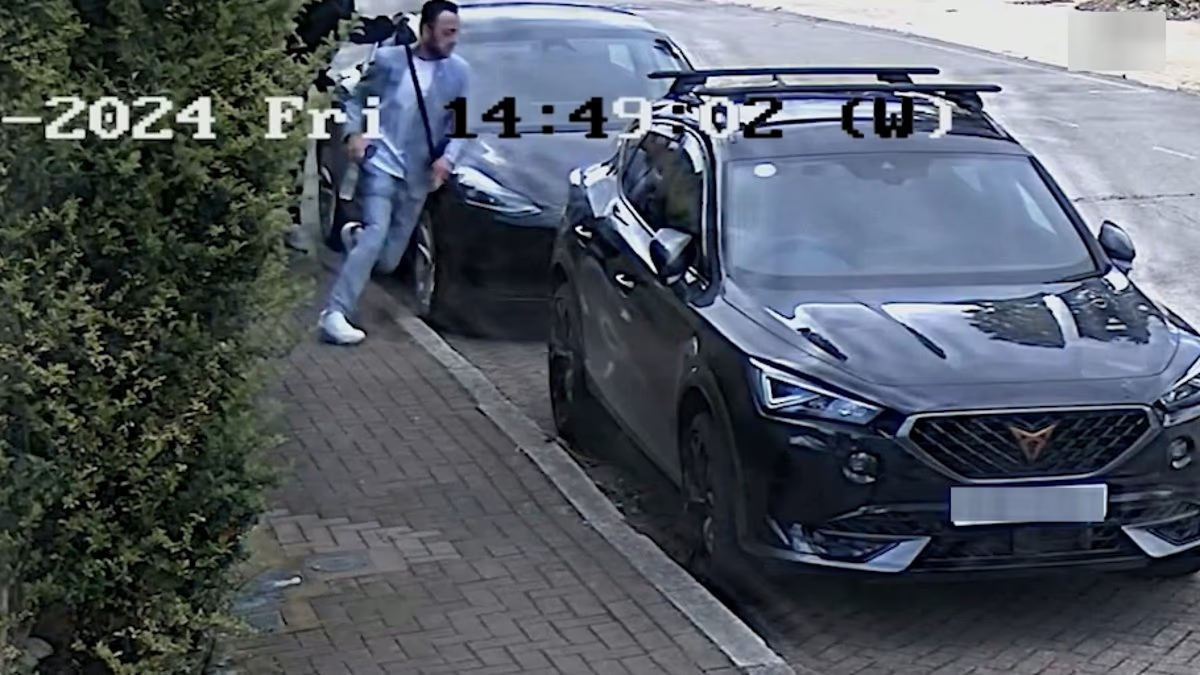
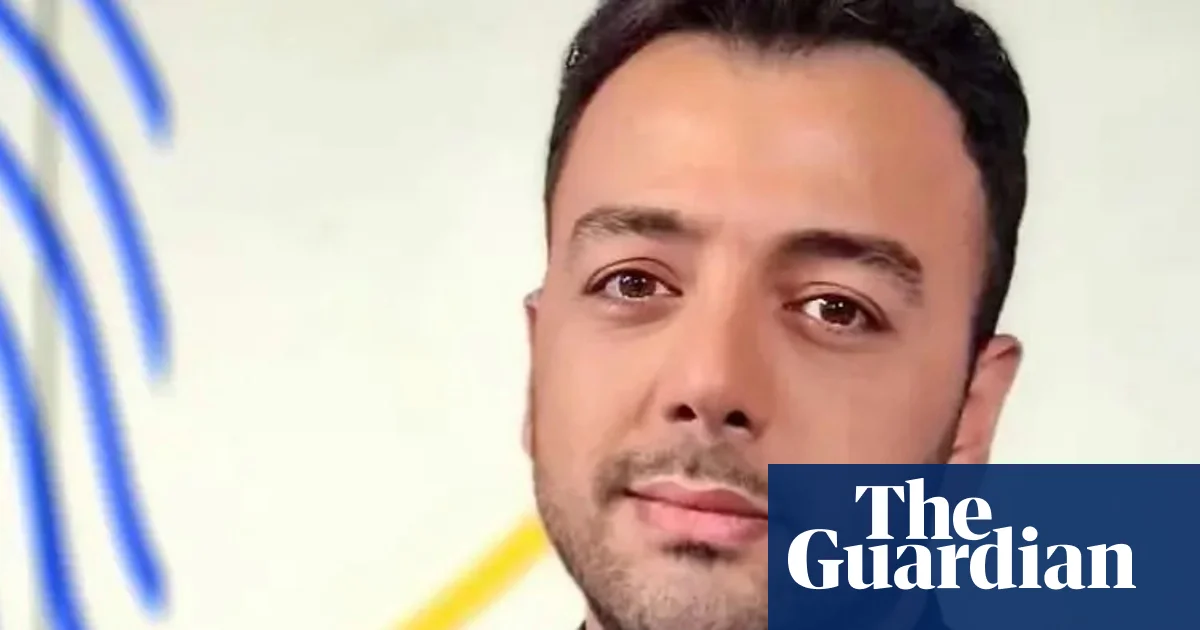
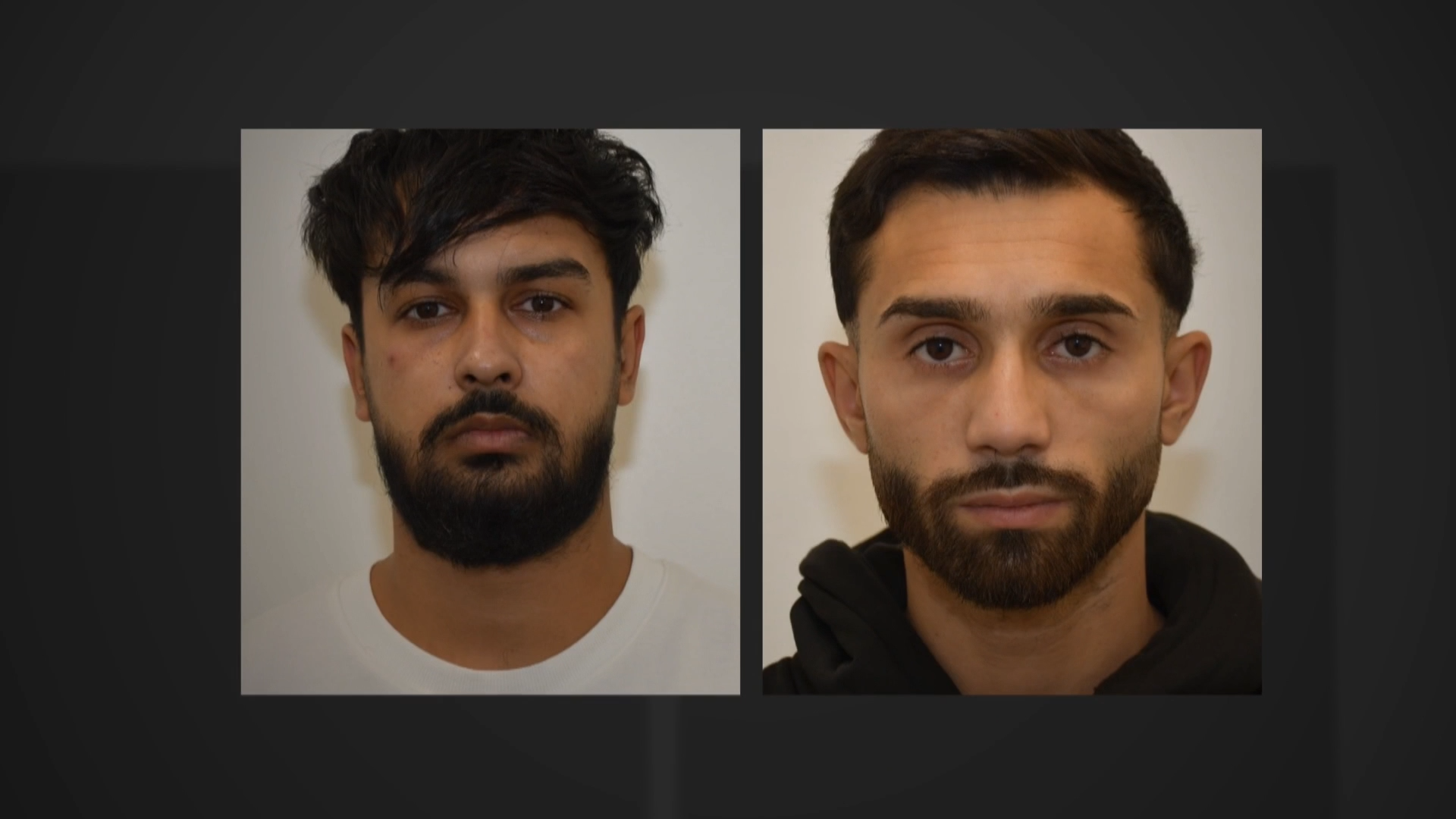
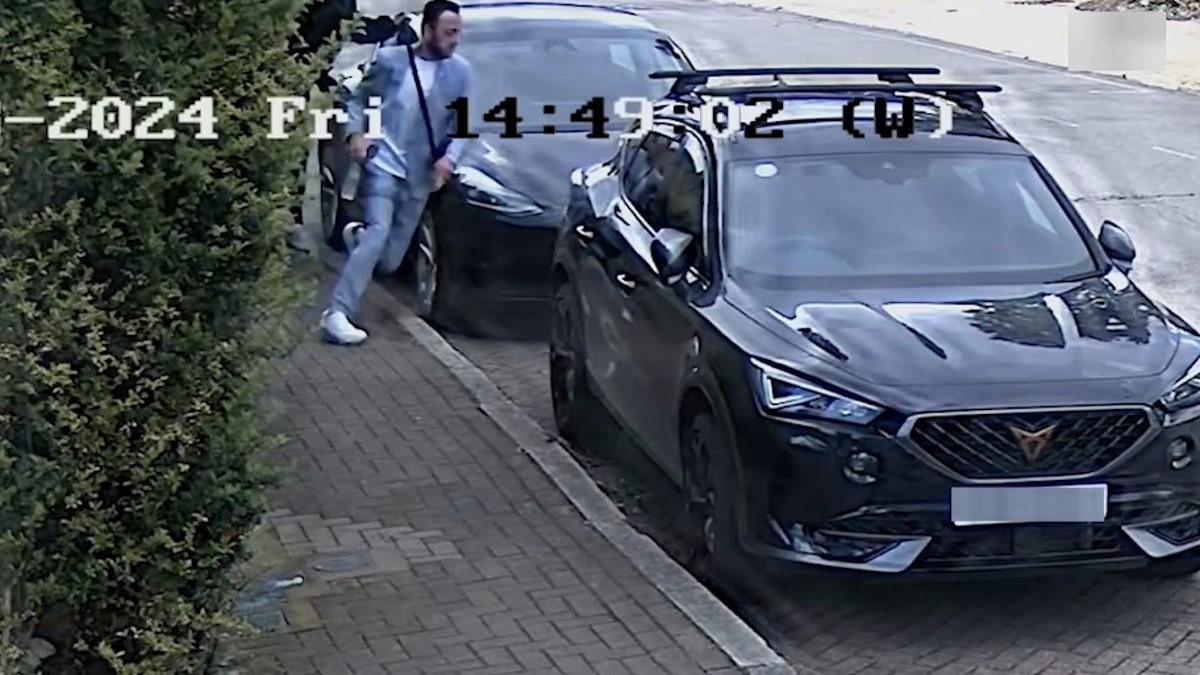
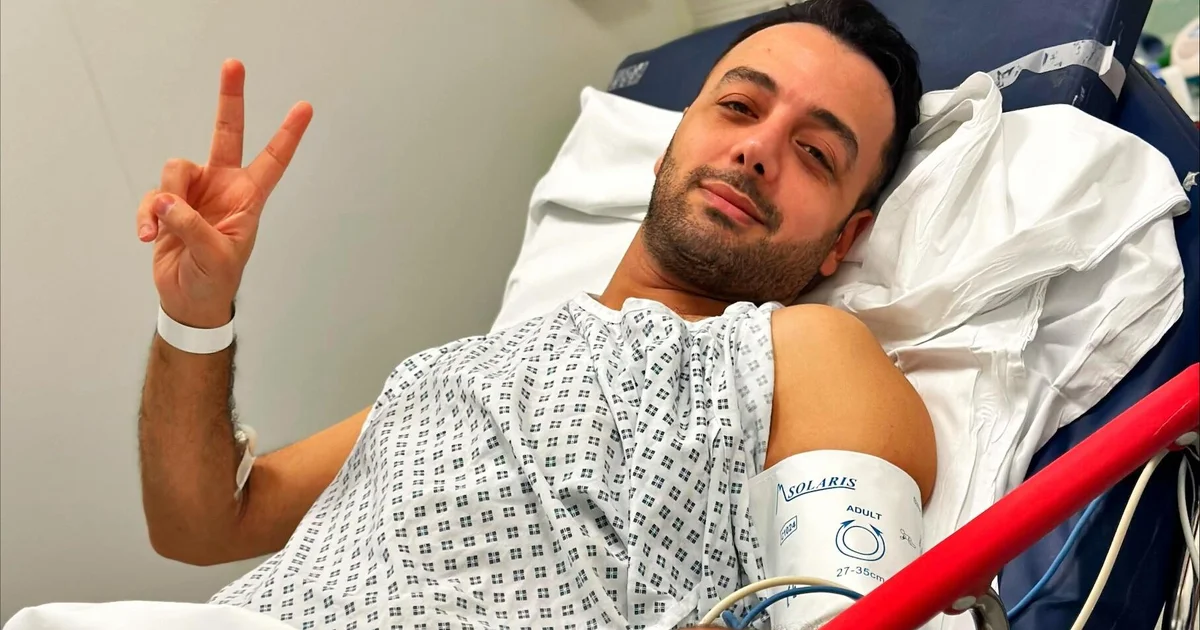
When British Iranian journalist Pouria Zeraati first heard of the U.K.'s formal plans to ban support of Iran's Islamic Revolutionary Guard Corps early this week, it gave him a sense of relief he had not felt in years. It was "the happiest day of my life since I was stabbed," he said. Zeraati's primary concern had never been the jail time handed to the Romanian nationals who were convicted for their role in the attack on him in 2024. To him, they were simply paid mercenaries."In order to counter this threat, we need to counter the main cause of it, the root of it, which is the Iranian regime and specifically the IRGC," Zeraati told CBS News. "This is a huge step that gives huge leverage to law enforcement to track, monitor, and counter the main source of the threat, which is in Tehran. Not in Eastern Europe and all the other proxies working on behalf of the regime." After being approved by both houses of the U.K. Parliament, the IRGC was on Friday among three state-backed groups designated as a "threat to national security." The designation was fast-tracked by the outgoing administration of Prime Minister Keir Starmer. Under these new powers, it is now a criminal offense in the U.K. to provide support or assistance to the IRGC, punishable by up to 14 years in prison, placing it on par with support for U.K.-designated terrorist organizations. Acts of sabotage carried out on behalf of the group could be punishable by up to life imprisonment.Zeraati and the threats facing Iranian journalistsPersian-speaking journalists in the West and their relatives back home in Iran have long been the target of threats and intimidation from the Iranian regime. As a high-profile TV anchor for Iran International, a network openly critical of the Islamic Republic and sympathetic to the pro-monarchy opposition, Zeraati had been no stranger to threats to his life.